Our Verdict
EnginStar EnginStar Portable Power Station Wins
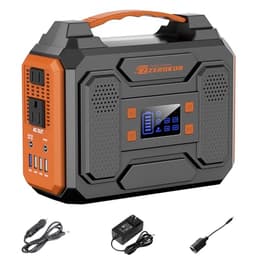
At $111.1, it offers a slightly higher 296Wh capacity and an excellent 1000+ charge cycle life compared to the ZeroKor's 280Wh at $129.99. Both deliver 300W pure sine wave AC power, but the EnginStar provides better long-term value and durability for a lower price. The ZeroKor R200 is the better pick for users who prioritize maximum portability due to its significantly lighter 5.0 lbs weight, making it ideal for hiking where every ounce counts.
Bottom Line: EnginStar EnginStar Portable Power Station is the better choice. At $111.
In-Depth Analysis
How they compare in practice
These two 300W portable power stations, the EnginStar R300 and ZeroKor R200, cater to similar needs for off-grid power, yet present distinct value propositions and trade-offs. The EnginStar R300 stands out immediately with its more competitive price point of $111.1, offering a slightly larger 296Wh capacity compared to the ZeroKor R200's 280Wh at $129.99. While this 16Wh difference may seem minor, it translates to a few extra minutes of runtime for small electronics or an additional smartphone charge, all for a lower investment. A key differentiator for the EnginStar R300 is its specified 1000+ charge cycle life, indicating superior long-term durability and value over many years of use. The ZeroKor R200, lacking this explicit rating, leaves its longevity to question, suggesting it might not be built for as many rigorous recharges. However, the ZeroKor R200 excels in pure portability, weighing in at a mere 5.0 lbs compared to the EnginStar R300's 6.5 lbs. This 1.5 lb difference is substantial when backpacking or carrying the unit for extended periods, making the ZeroKor a more ergonomic choice for highly mobile users. In terms of connectivity, both units feature two pure sine wave AC outlets and a 300W output, ensuring safe power for sensitive electronics. The ZeroKor R200 shines with its four USB-A ports, including one with Quick Charge 3.0, making it ideal for charging multiple smartphones, tablets, or other USB-powered gadgets rapidly. In contrast, the EnginStar R300 offers only two USB-A ports but includes a versatile USB-C port and three DC ports, catering better to users with a mix of DC-powered devices or newer USB-C gadgets. The EnginStar also specifies a 300W solar input capacity, providing clear guidance for off-grid recharging options. Ultimately, the choice hinges on whether your priority is long-term value and diverse DC/USB-C connectivity (EnginStar) or maximum portability and numerous standard USB-A charging options (ZeroKor).
Key Differences
The most significant spec differences at a glance
Battery Capacity
6% moreDc Ports
200% moreUSB-A Ports
50% lessWeight
30% moreAdvantages
Where each product wins

EnginStar
- Battery Capacity: 6% higher (296 vs 280.0)
- Dc Ports: 200% higher (3 vs 1)

ZeroKor
- USB-A Ports: 50% higher (2 vs 4)
- Weight: 30% lower (6.5 vs 5.0)
Which to Pick for Your Situation
Concrete scenarios with a clear recommendation
For budget-conscious campers
EnginStarThe EnginStar offers a slightly higher 296Wh capacity for a lower price of $111.1, providing better value per Wh.
For ultra-light backpacking
ZeroKorThe ZeroKor is significantly lighter at 5.0 lbs compared to the EnginStar's 6.5 lbs, reducing carry weight on long treks.
For powering multiple USB-A devices
ZeroKorThe ZeroKor features four USB-A ports, including QC3.0, allowing more devices to charge simultaneously and faster than EnginStar's two USB-A ports.
For long-term durability and frequent use
EnginStarWith a specified 1000+ charge cycle life, the EnginStar is built to endure significantly more recharges over time.
Who Should Buy Which?
Find the right product for your needs

Buy EnginStar if...
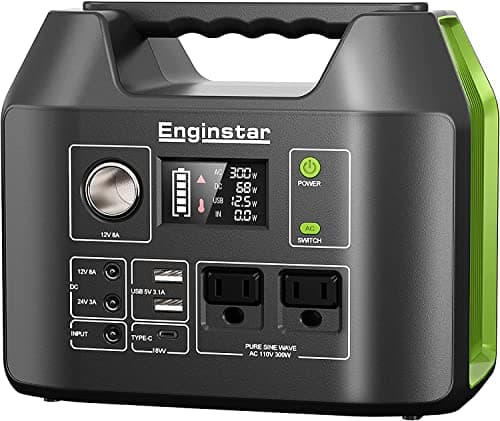
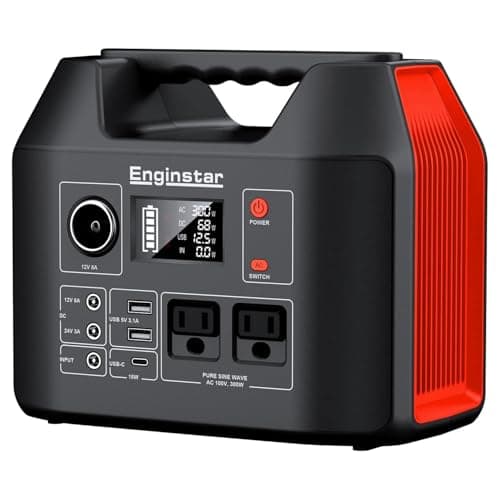
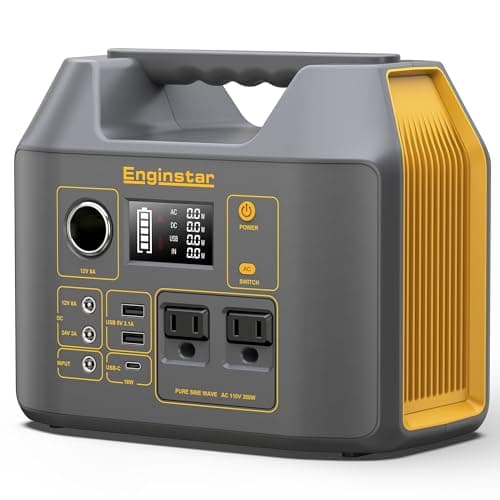
EnginStar Portable Power Station,300W
The ideal buyer for the EnginStar EnginStar Portable Power Station is someone who values a strong balance of performance, durability, and affordability. This individual might be a casual camper, an emergency preparedness enthusiast, or a remote worker needing reliable power for essential devices. Their priorities include getting the most capacity for their money, which the EnginStar delivers with 296Wh at $111.1. They appreciate the reassurance of long-term reliability, specifically valuing the 1000+ charge cycle life, meaning the unit will hold up to frequent recharging over many years. While not the absolute lightest, its 6.5 lbs weight is still manageable for car camping or moving around a home during power outages. They might also have a need for more diverse charging options beyond standard USB-A, making the additional USB-C port and three DC ports particularly appealing for a wider array of gadgets, from drones to portable fridges. This buyer is willing to accept a slightly heavier unit for enhanced durability and a better overall value proposition without compromising on essential features like pure sine wave AC output.

Buy ZeroKor if...
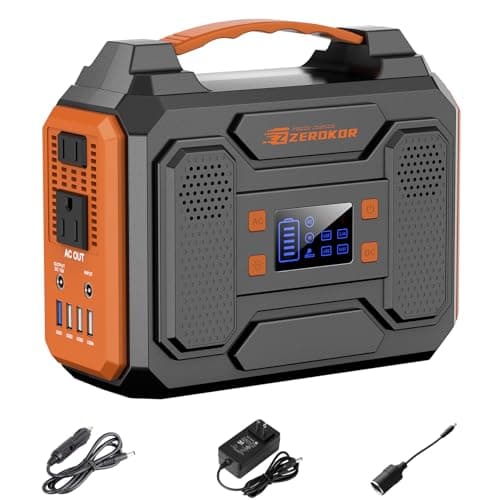
Portable Power Station 300W
The ZeroKor Portable Power Station is perfectly suited for the highly mobile individual whose primary concern is extreme portability and efficient charging of multiple USB devices. This buyer could be a backpacker, a day hiker, a minimalist camper, or someone who frequently moves their power source between locations and needs every ounce to count. They prioritize the feather-light 5.0 lbs design, which significantly reduces the burden during extended treks or when packing light. While its 280Wh capacity is slightly less than the EnginStar, it's perfectly adequate for charging smartphones, headlamps, and small cameras on weekend trips. This user will particularly benefit from the ZeroKor's robust USB port selection, featuring four USB-A ports, one with Quick Charge 3.0, ensuring that multiple personal electronics can be juiced up quickly and simultaneously. They are willing to pay a slightly higher price of $129.99 for the unparalleled portability and optimized USB charging, even if it means sacrificing an explicit long-term cycle life rating or a USB-C port, as their specific use case heavily leans towards minimizing weight and maximizing standard USB device compatibility.
Spec Comparison
12 specs compared
| Specification | 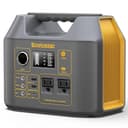 | 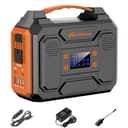 |
|---|---|---|
| Price | $111 | $130 |
| Rating | 4.3(1.6k) | 4.3(1.4k) |
| Capacity Wh | 296W | 280W |
| Chemistry | Li-ion | Li-ion |
| AC Output Watts | 300W | 300W |
| Dc Ports | 3 | 1 |
| AC Outlets | 2 | 2 |
| Cycle Life | 1000 | — |
| Weight | 6.5 lbs | 5 lbs |
| USB A Ports | 2 | 4 |
| USB C Ports | 1 | — |
| Model Number | R300 | R200 |
| Charge Time Hours | 7 hrs | — |
| Solar Input Watts | 300W | — |
Swipe horizontally to see all columns
Pros & Cons
Quick overview of strengths and weaknesses
EnginStar Portable Power
- Two pure sine wave AC outlets for stable power.
- Weighs 6.5 lbs, compact for easy transport.
- 296Wh capacity powers small electronics.
- Charges via AC, car, or solar panel input.
- Max 300W output limits larger appliances.
- AC recharge time is 7 hours.
- Solar input requires separate panel purchase.
- 296Wh capacity may be insufficient for long trips.
ZeroKor Portable Power
- 300W pure sine wave AC output for sensitive devices.
- 280Wh capacity suitable for small electronics.
- Multiple ports: 2 AC, 1 DC, 4 USB, QC3.0.
- Lightweight 5lbs design enhances portability.
- 300W AC output limit restricts high-power appliances.
- Solar panel for charging must be purchased separately.
- Requires regular recharging; not for long-term storage.
- AC output requires manual activation/deactivation.
Frequently Asked Questions
Common questions about this comparison
What is the capacity difference between these two power stations?
The EnginStar R300 offers 296Wh, slightly more than the ZeroKor R200's 280Wh. This provides a minor edge in runtime.
Which power station is more portable for travel?
The ZeroKor R200 is lighter at 5.0 lbs, making it more portable than the EnginStar R300 which weighs 6.5 lbs.
Can both units power sensitive electronics?
Yes, both power stations feature two pure sine wave AC outlets with a 300W output, safe for laptops, cameras, and other delicate devices.
How do their USB charging options compare?
The ZeroKor R200 has four USB-A ports, one with QC3.0. The EnginStar R300 has two USB-A ports and one USB-C port, plus three DC ports.
Does one offer better long-term battery life?
The EnginStar R300 specifies a 1000+ charge cycle life, indicating superior long-term battery durability compared to the ZeroKor R200, which doesn't provide this rating.
Related Comparisons
Similar products people compare
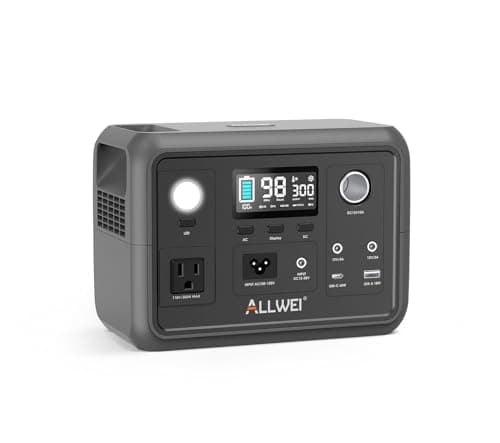
ALLWEI vs ZeroKor
$129 vs $130
EnginStar vs ZeroKor
$130 vs $130
Jackery vs ZeroKor
$229 vs $130
ZeroKor vs Apowking
$130 vs $100
EnginStar vs ZeroKor
$130 vs $130
EnginStar vs EnginStar
$130 vs $111
EnginStar vs EnginStar
$111 vs $130
EF ECOFLOW vs EnginStar
$147 vs $111
ENOFLO vs ZeroKor
$120 vs $130
EnginStar vs Apowking
$111 vs $100
Anker vs ZeroKor
$150 vs $130
ZeroKor vs Tenergy
$130 vs $180
ALLWEI vs EnginStar
$129 vs $111
EnginStar vs SinKeu
$111 vs $103
Anker vs EnginStar
$150 vs $111
Explore Other Categories
Popular comparisons across the site

Ask AI
Get instant answers about specs
Get the Deets
Ask our AI assistant
Ask Deets anything!