Our Verdict
ZeroKor Portable Power Station 300W Solar Generator Wins
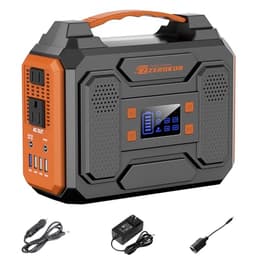
It offers a slightly higher capacity of 280Wh compared to ENOFLO's 228Wh for a marginal price difference of only $10 ($129.99 vs $119.99), providing longer runtime for essential devices. Both deliver 300W pure sine wave AC output, suitable for similar electronics. The ENOFLO is the better pick for users who prioritize an integrated solar charging solution with a built-in MPPT controller and more diverse port options, including a USB-C.
Bottom Line: ZeroKor Portable Power Station 300W Solar Generator is the better choice. It offers a slightly higher capacity of 280Wh compared to ENOFLO's 228Wh for a marginal price difference of only $10 ($129.
In-Depth Analysis
How they compare in practice
The ZeroKor R200 and ENOFLO G300 both target users needing portable power for small electronics and emergencies, but distinct differences emerge upon closer inspection. The most notable spec delta is the battery capacity; the ZeroKor boasts 280Wh while the ENOFLO offers 228Wh. In real-world terms, this means the ZeroKor can power devices for approximately 22% longer than the ENOFLO, a significant advantage for extended off-grid trips or longer power outages. For instance, powering a 20W device, ZeroKor would provide around 14 hours of use compared to ENOFLO's 11.4 hours.
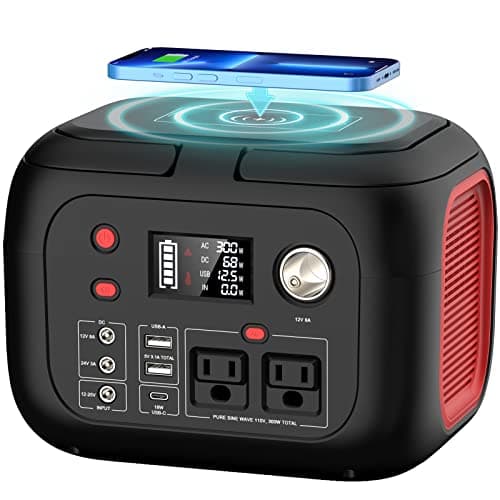
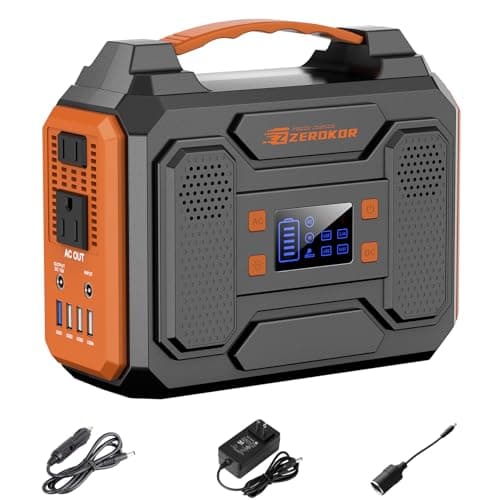
Both units provide 300W pure sine wave AC output, ensuring safe operation for sensitive electronics like CPAP machines. However, their port configurations differ. The ENOFLO offers a more diverse setup with 3 DC ports, 2 USB-A, and 1 USB-C port, allowing for simultaneous charging of up to 9 devices and accommodating modern USB-C gadgets. In contrast, the ZeroKor provides 1 DC port and 4 USB-A ports, including QC3.0 for faster charging of compatible devices, but lacks a USB-C port. For users with multiple legacy USB-A devices, ZeroKor might be more convenient.
Solar charging capability also presents a key differentiator. While both support solar input, the ENOFLO includes a built-in MPPT controller, optimizing solar energy conversion and simplifying the setup process for efficient charging. The ZeroKor, however, requires the solar panel to be purchased separately, and its MPPT integration isn't explicitly stated, implying a potentially less efficient or more complex external setup. For the slightly higher price, ZeroKor’s 5.0 lbs weight makes it notably lightweight, enhancing portability for hikers or those who frequently move their power source. Ultimately, the choice hinges on whether extended runtime and lightweight design (ZeroKor) or integrated solar optimization and diverse port selection (ENOFLO) align better with a user's priorities.
Key Differences
The most significant spec differences at a glance
Battery Capacity
19% lessDc Ports
200% moreUSB-A Ports
50% lessAdvantages
Where each product wins

ENOFLO
- Dc Ports: 200% higher (3 vs 1)

ZeroKor
- Battery Capacity: 19% higher (228 vs 280.0)
- USB-A Ports: 50% higher (2 vs 4)
Which to Pick for Your Situation
Concrete scenarios with a clear recommendation
For extended off-grid camping trips
ZeroKorThe ZeroKor offers a higher 280Wh capacity, providing longer runtime for devices compared to ENOFLO's 228Wh, crucial for prolonged periods away from power.
For integrating with existing solar panels
ENOFLOThe ENOFLO includes a built-in MPPT controller, which optimizes solar charging efficiency and simplifies the setup, unlike ZeroKor where the solar panel is separate.
For charging multiple legacy USB-A devices
ZeroKorThe ZeroKor provides 4 USB-A ports, including QC3.0, allowing more standard USB devices to be charged simultaneously and quickly compared to ENOFLO's 2 USB-A ports.
For simultaneous charging of diverse devices (including USB-C)
ENOFLOThe ENOFLO offers a more versatile array of 3 DC ports, 2 USB-A, and 1 USB-C port, accommodating modern electronics and a broader range of charging needs.
Who Should Buy Which?
Find the right product for your needs

Buy ENOFLO if...
ENOFLO Portable Power Station
The ENOFLO Portable Power Station 300W (G300) is ideal for the pragmatic adventurer or emergency preparedness enthusiast who values versatility and an integrated charging ecosystem without breaking the bank. This buyer frequently uses multiple small DC-powered devices and modern USB-C gadgets, appreciating the 3 DC ports and dedicated USB-C port. Their priority is efficient solar charging for off-grid scenarios, and the built-in MPPT controller provides a hassle-free, optimized solution, eliminating the need for additional purchases. They might be an occasional camper, a hobbyist needing power in the garage, or someone looking for a reliable home backup for essentials during short outages. While its 228Wh capacity might be slightly less than competitors, its diverse port selection and smart solar integration at $119.99 offer compelling value for those who want a comprehensive, ready-to-go power solution for a variety of devices, even if it means sacrificing a little bit of overall runtime.

Buy ZeroKor if...
Portable Power Station 300W
The ZeroKor Portable Power Station 300W (R200) caters to the lightweight traveler, the casual camper, or anyone prioritizing maximum runtime for essential small electronics over diverse port types. This ideal buyer values extended use, as evidenced by the 280Wh capacity, and seeks a power source that won't weigh them down, thanks to its 5.0 lbs design. They likely have several legacy USB-A devices that benefit from the four available ports, including a QC3.0 for faster charging, and might not heavily rely on USB-C connectivity. While they understand that a solar panel is a separate purchase, they appreciate the flexibility to choose their own panel or already own one. Priced at $129.99, they are willing to invest a little more for that extra capacity and reduced weight, making it perfect for weekend trips where every ounce counts and longer use times for devices like phones, tablets, or small lights are paramount. They prioritize raw battery duration and portability, even if it means a less integrated solar setup or fewer DC/USB-C options.
Spec Comparison
12 specs compared
| Specification |  |  |
|---|---|---|
| Price | $120 | $130 |
| Rating | 4.2(1.4k) | 4.3(1.4k) |
| Capacity Wh | 228W | 280W |
| Chemistry | — | Li-ion |
| AC Output Watts | 300W | 300W |
| Dc Ports | 3 | 1 |
| AC Outlets | 2 | 2 |
| USB A Ports | 2 | 4 |
| USB C Ports | 1 | — |
| Model Number | G300 | R200 |
| Charge Time Hours | 6 hrs | — |
| Peak Output Watts | 600W | — |
| Solar Input Watts | 60W | — |
| Weight | — | 5 lbs |
Swipe horizontally to see all columns
Pros & Cons
Quick overview of strengths and weaknesses
ENOFLO Portable Power
- 300W pure sine wave AC for sensitive devices.
- Charges 9 devices simultaneously via diverse ports.
- Built-in MPPT controller optimizes solar charging.
- Multiple recharge methods: AC, car, and solar.
- 228Wh capacity limits runtime for high-draw items.
- 300W continuous output insufficient for large loads.
- USB-C port output is too low for most laptops.
ZeroKor Portable Power
- 300W pure sine wave AC output for sensitive devices.
- 280Wh capacity suitable for small electronics.
- Multiple ports: 2 AC, 1 DC, 4 USB, QC3.0.
- Lightweight 5lbs design enhances portability.
- 300W AC output limit restricts high-power appliances.
- Solar panel for charging must be purchased separately.
- Requires regular recharging; not for long-term storage.
- AC output requires manual activation/deactivation.
Frequently Asked Questions
Common questions about this comparison
Which power station offers longer device runtime?
The ZeroKor R200 provides a 280Wh capacity, offering approximately 22% more runtime than the ENOFLO G300, which has a 228Wh capacity. This means longer use for your electronics.
Do both power stations support solar charging?
Yes, both support solar charging. The ENOFLO G300 has a built-in MPPT controller for optimized solar input. The ZeroKor R200 supports solar but requires the solar panel to be purchased separately.
Are these suitable for sensitive electronics like CPAP machines?
Yes, both the ENOFLO G300 and ZeroKor R200 feature a 300W pure sine wave AC output, which is crucial for safely powering sensitive medical devices like CPAP machines without damage.
What are the main differences in their USB ports?
The ENOFLO G300 has 2 USB-A ports and 1 USB-C port. The ZeroKor R200 offers 4 USB-A ports, including one with Quick Charge 3.0 technology for faster charging.
Which power station is lighter for portability?
The ZeroKor R200 explicitly lists its weight at 5.0 lbs, making it a very lightweight option for enhanced portability during outdoor activities or travel.
What is the charging time for the ENOFLO G300?
The ENOFLO G300 takes approximately 6 hours to fully charge using its AC adapter. Solar charging times vary based on panel wattage and sunlight conditions.
Related Comparisons
Similar products people compare
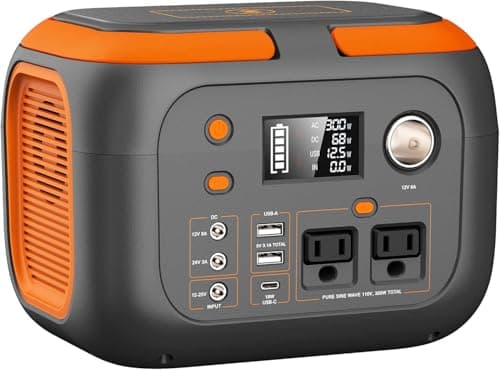
ENOFLO vs SinKeu
$120 vs $103
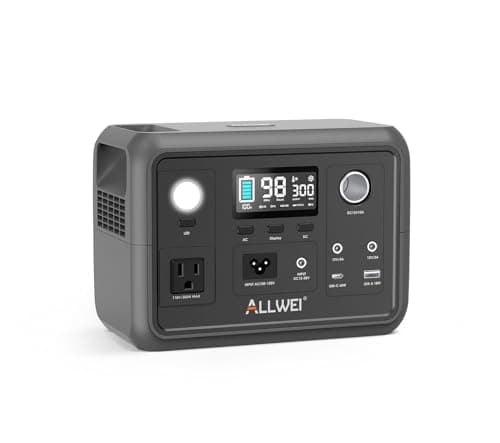
ALLWEI vs ZeroKor
$129 vs $130
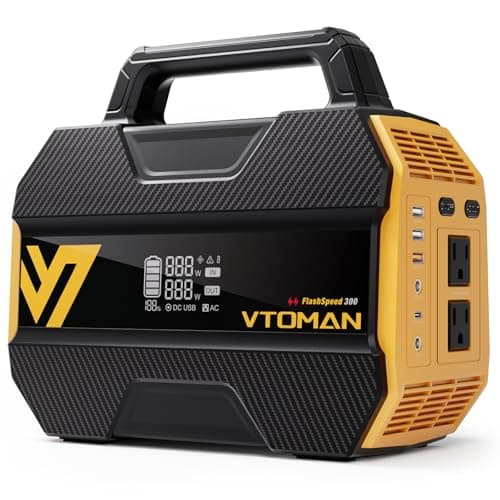
ENOFLO vs VTOMAN
$120 vs $140
EnginStar vs ZeroKor
$130 vs $130
Jackery vs ZeroKor
$229 vs $130
ZeroKor vs Apowking
$130 vs $100
EnginStar vs ZeroKor
$130 vs $130
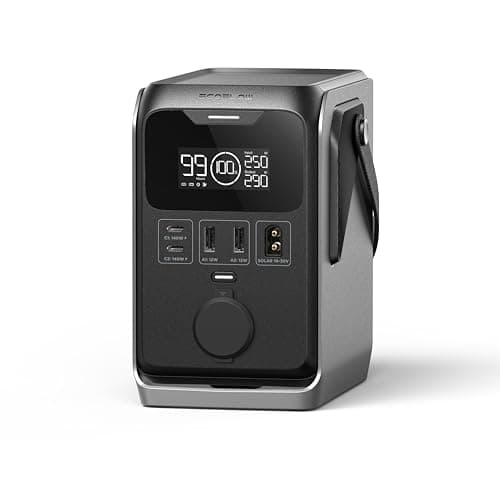
EF ECOFLOW vs ENOFLO
$147 vs $120
ALLWEI vs ENOFLO
$129 vs $120
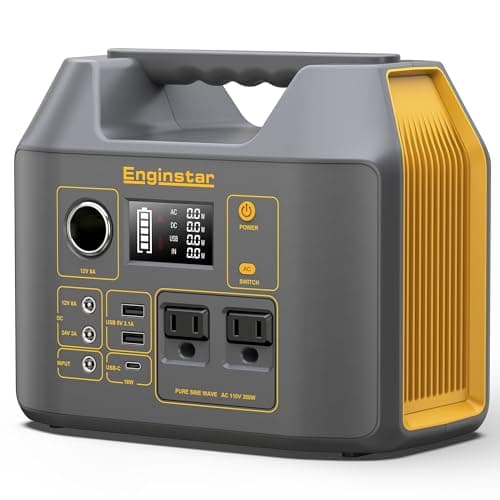
EnginStar vs ZeroKor
$111 vs $130
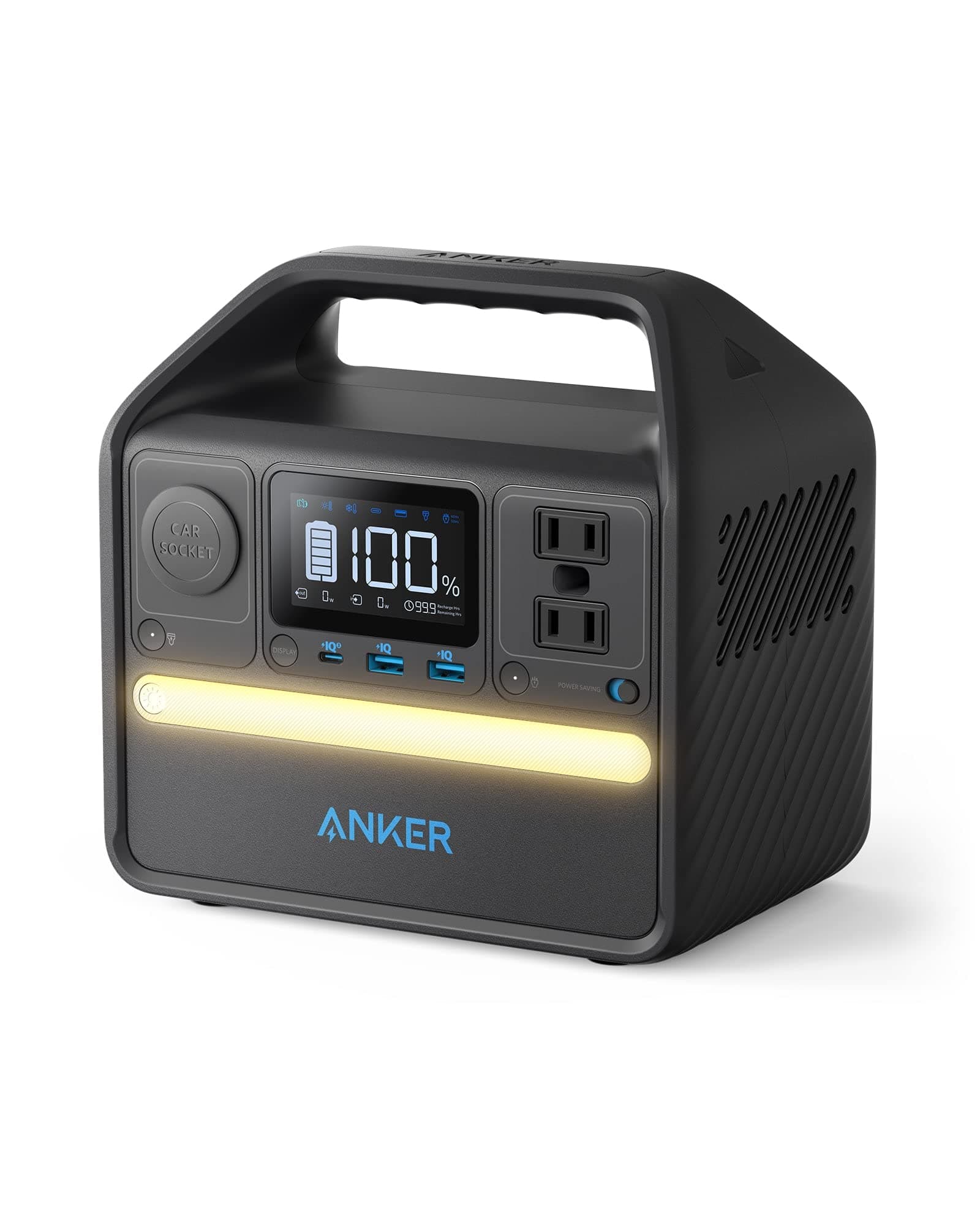
Anker vs ZeroKor
$150 vs $130
ENOFLO vs EnginStar
$120 vs $130
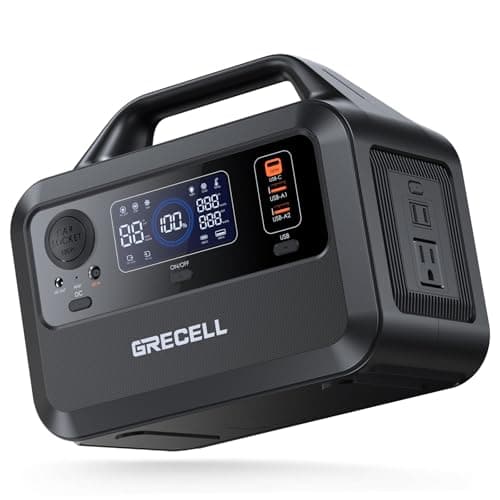
ENOFLO vs GRECELL
$120 vs $100
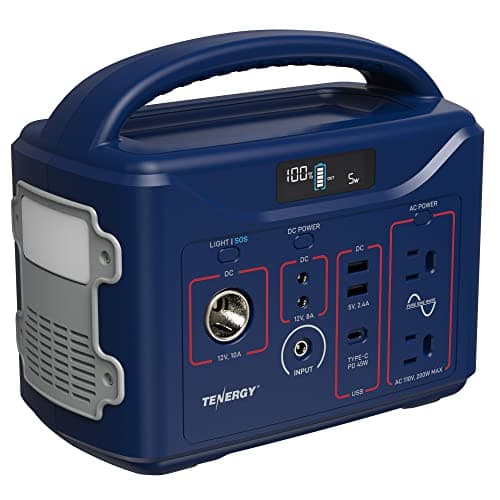
ZeroKor vs Tenergy
$130 vs $180
ENOFLO vs Apowking
$120 vs $100
Explore Other Categories
Popular comparisons across the site
Ask AI
Get instant answers about specs
Get the Deets
Ask our AI assistant
Ask Deets anything!