Our Verdict
EnginStar EnginStar Solar Generator Wins
While both offer 300W AC output at the same price point, the EnginStar unit provides a slightly higher 296Wh capacity compared to ZeroKor's 280Wh. Crucially, EnginStar specifies a robust 1000-cycle life, suggesting superior long-term durability over the unspecified cycle life of ZeroKor's Li-ion chemistry. The EnginStar also offers more DC ports (3 vs 1) and includes a versatile USB-C port. The ZeroKor Portable Power Station is the better pick for those prioritizing extreme portability with its confirmed 5.0 lbs weight and a greater number of USB-A ports, including QC3.0 fast charging.
Bottom Line: EnginStar EnginStar Solar Generator is the better choice. While both offer 300W AC output at the same price point, the EnginStar unit provides a slightly higher 296Wh capacity compared to ZeroKor's 280Wh.
In-Depth Analysis
How they compare in practice
These two portable power stations, both priced identically at $129.99, offer similar 300W pure sine wave AC output, making them suitable for small appliances and sensitive electronics. However, their underlying specifications reveal distinct advantages for different user profiles. The EnginStar unit boasts a slightly larger 296Wh battery capacity compared to the ZeroKor's 280Wh, offering a marginal but noticeable increase in runtime for connected devices. More significantly, the EnginStar explicitly states a 1000-cycle life, which is a strong indicator of long-term durability and value, far surpassing the typical 500-800 cycles for generic Li-ion batteries often found in similar devices, for which ZeroKor provides no specific cycle rating.
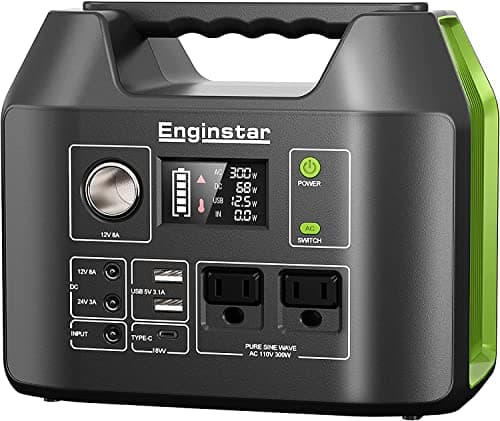
In terms of connectivity, the EnginStar offers a more diverse port selection with three DC ports, two USB-A ports, and one USB-C port, catering to a wider array of devices and modern charging standards. In contrast, the ZeroKor provides only one DC port but compensates with four USB-A ports, including QC3.0 fast charging, making it ideal for users with multiple standard USB devices that benefit from quicker top-ups. Real-world usage reflects these differences: the EnginStar is better suited for longer camping trips or RV use where longevity and versatile power options for different gadgets are paramount. Its 7-hour AC recharge time is standard for this capacity.
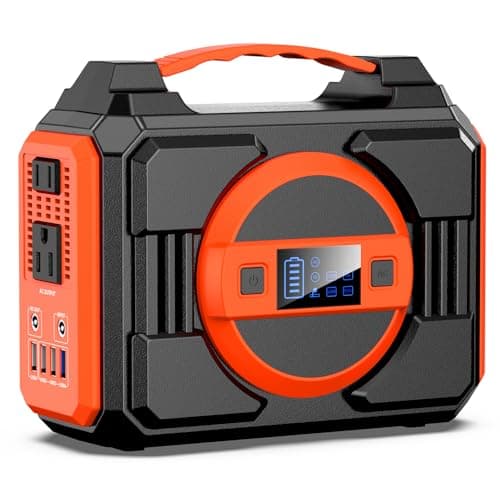
The ZeroKor's standout feature is its confirmed 5.0 lbs weight, making it an exceptionally lightweight option for its capacity. While EnginStar doesn't list its weight, units with higher cycle life often carry a slight weight penalty. This makes the ZeroKor particularly appealing for hikers, festival-goers, or anyone for whom minimal weight is a top priority, despite its slightly lower capacity and lack of specified battery cycle life. The manual activation/deactivation for AC output on the ZeroKor is a minor operational quirk to consider, which the EnginStar does not mention as a necessity.
Key Differences
The most significant spec differences at a glance
Battery Capacity
6% moreDc Ports
200% moreUSB-A Ports
50% lessAdvantages
Where each product wins

EnginStar
- Battery Capacity: 6% higher (296 vs 280.0)
- Dc Ports: 200% higher (3 vs 1)

ZeroKor
- USB-A Ports: 50% higher (2 vs 4)
Which to Pick for Your Situation
Concrete scenarios with a clear recommendation
For extended camping or RV trips requiring durability
EnginStarThe EnginStar offers a significantly better 1000-cycle battery life, ensuring greater longevity for frequent outdoor use compared to ZeroKor's unspecified cycle rating.
When charging multiple USB-A devices quickly
ZeroKorZeroKor features four USB-A ports, including a QC3.0 port for faster charging, which is superior to EnginStar's two USB-A and one USB-C.
For maximum portability during day hikes or festivals
ZeroKorThe ZeroKor unit is explicitly stated at 5.0 lbs, making it a very lightweight option for easy transport where every pound matters.
For powering a mix of modern and legacy devices
EnginStarEnginStar provides a USB-C port alongside USB-A and multiple DC ports, offering more versatile connectivity for diverse gadgets.
Who Should Buy Which?
Find the right product for your needs

Buy EnginStar if...
EnginStar Solar Generator, 300W
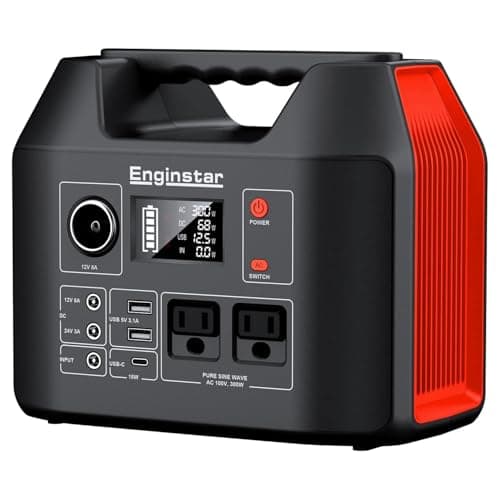
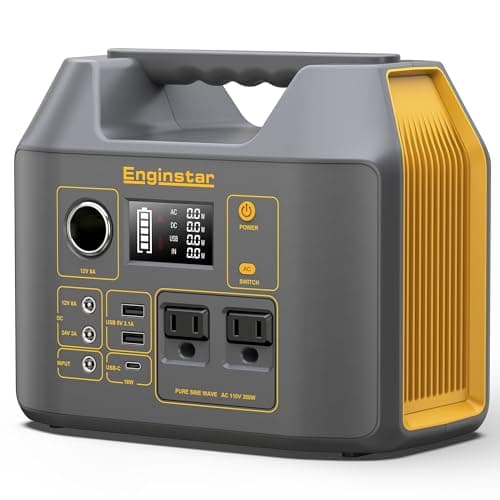
The EnginStar EnginStar Solar Generator (R300) is the ideal choice for individuals who prioritize long-term investment, versatility, and slightly extended power. This buyer often engages in regular outdoor activities like extended camping, RV travel, or requires a reliable home backup for frequent, moderate-use power outages. Their priorities include device longevity and diverse charging options. The EnginStar's 1000-cycle battery life is a critical spec for them, ensuring the unit will maintain its performance over many years, providing peace of mind. The slightly larger 296Wh capacity offers a minor but appreciated boost in runtime, while the inclusion of three DC ports and a USB-C port means they can power a wider array of small appliances, lighting, and modern electronics. They might not need the absolute lightest unit, but value a robust build and a product that will last. This buyer is willing to sacrifice a few extra USB-A ports or the absolute lightest design for durability and comprehensive connectivity.

Buy ZeroKor if...
Portable Power Station 300W
The ZeroKor Portable Power Station (R200) is perfectly suited for the ultra-portable user who values minimal weight and maximum USB-A charging convenience above all else. This ideal buyer might be a day hiker, a casual camper, a festival-goer, or someone who frequently moves their power source around a small apartment or workspace. Their primary need is to keep multiple personal electronic devices charged, particularly smartphones, tablets, and smaller USB-powered gadgets, and they often need to do so quickly. The ZeroKor's standout 5.0 lbs weight makes it incredibly easy to carry in a backpack, a crucial factor for their active lifestyle. The four USB-A ports, especially the QC3.0 fast-charging one, are key specs that directly address their need for efficient multi-device charging. While they might forgo a USB-C port or a higher specified battery cycle life, these trade-offs are acceptable for the enhanced portability and immediate USB-A charging capabilities that ZeroKor provides.
Spec Comparison
11 specs compared
| Specification | 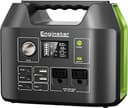 | 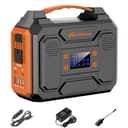 |
|---|---|---|
| Price | $130 | $130 |
| Rating | 4.3(1.4k) | 4.3(1.4k) |
| Capacity Wh | 296W | 280W |
| Chemistry | Lithium | Li-ion |
| AC Output Watts | 300W | 300W |
| Dc Ports | 3 | 1 |
| AC Outlets | 2 | 2 |
| Cycle Life | 1000 | — |
| USB A Ports | 2 | 4 |
| USB C Ports | 1 | — |
| Model Number | R300 | R200 |
| Charge Time Hours | 7 hrs | — |
| Weight | — | 5 lbs |
Swipe horizontally to see all columns
Pros & Cons
Quick overview of strengths and weaknesses
EnginStar Solar Generator,
- Delivers 300W AC power with 296Wh battery capacity.
- Two 110V pure sine wave AC outlets.
- Recharges via AC, car, or 12-25V solar input.
- Rated for 1000 charge cycles.
- Limited to devices under 300W total output.
- 7-hour recharge time using AC wall adapter.
- Solar panel requires separate purchase.
ZeroKor Portable Power
- 300W pure sine wave AC output for sensitive devices.
- 280Wh capacity suitable for small electronics.
- Multiple ports: 2 AC, 1 DC, 4 USB, QC3.0.
- Lightweight 5lbs design enhances portability.
- 300W AC output limit restricts high-power appliances.
- Solar panel for charging must be purchased separately.
- Requires regular recharging; not for long-term storage.
- AC output requires manual activation/deactivation.
Frequently Asked Questions
Common questions about this comparison
What is the key difference in battery capacity?
The EnginStar R300 has a 296Wh capacity, slightly higher than the ZeroKor R200's 280Wh. This means the EnginStar can power devices for a marginally longer duration.
How do these power stations compare in terms of battery lifespan?
The EnginStar R300 is rated for 1000 charge cycles, indicating excellent long-term durability. The ZeroKor R200, using Li-ion chemistry, does not specify its cycle life, but typically ranges from 500-800 cycles.
Can I quickly charge my smartphone with these units?
Yes, both can. The ZeroKor R200 offers a QC3.0 USB-A port for fast charging compatible devices. The EnginStar R300 includes a USB-C port, which can also provide faster charging for modern phones.
Are solar panels included with either power station?
No, both the EnginStar R300 and ZeroKor R200 explicitly state that solar panels for recharging must be purchased separately. They support solar input but don't include the panel.
Which unit is lighter and easier to carry?
The ZeroKor R200 is confirmed to weigh 5.0 lbs, making it a notably lightweight option for portability. The EnginStar R300's weight is not specified, but it's often slightly heavier given the higher cycle life.
Related Comparisons
Similar products people compare
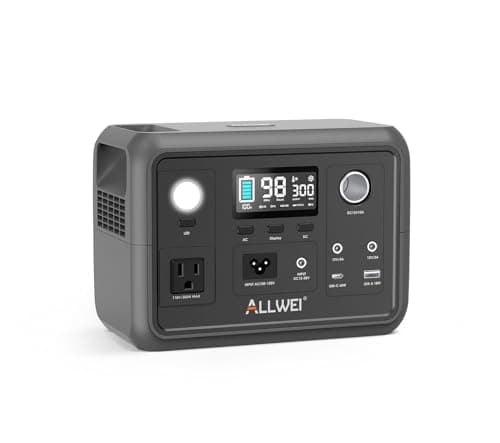
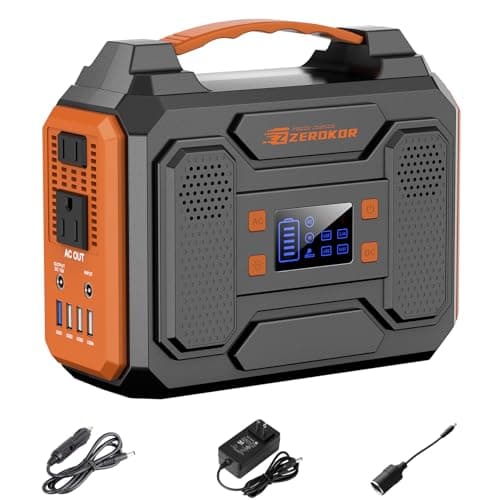
ALLWEI vs ZeroKor
$129 vs $130
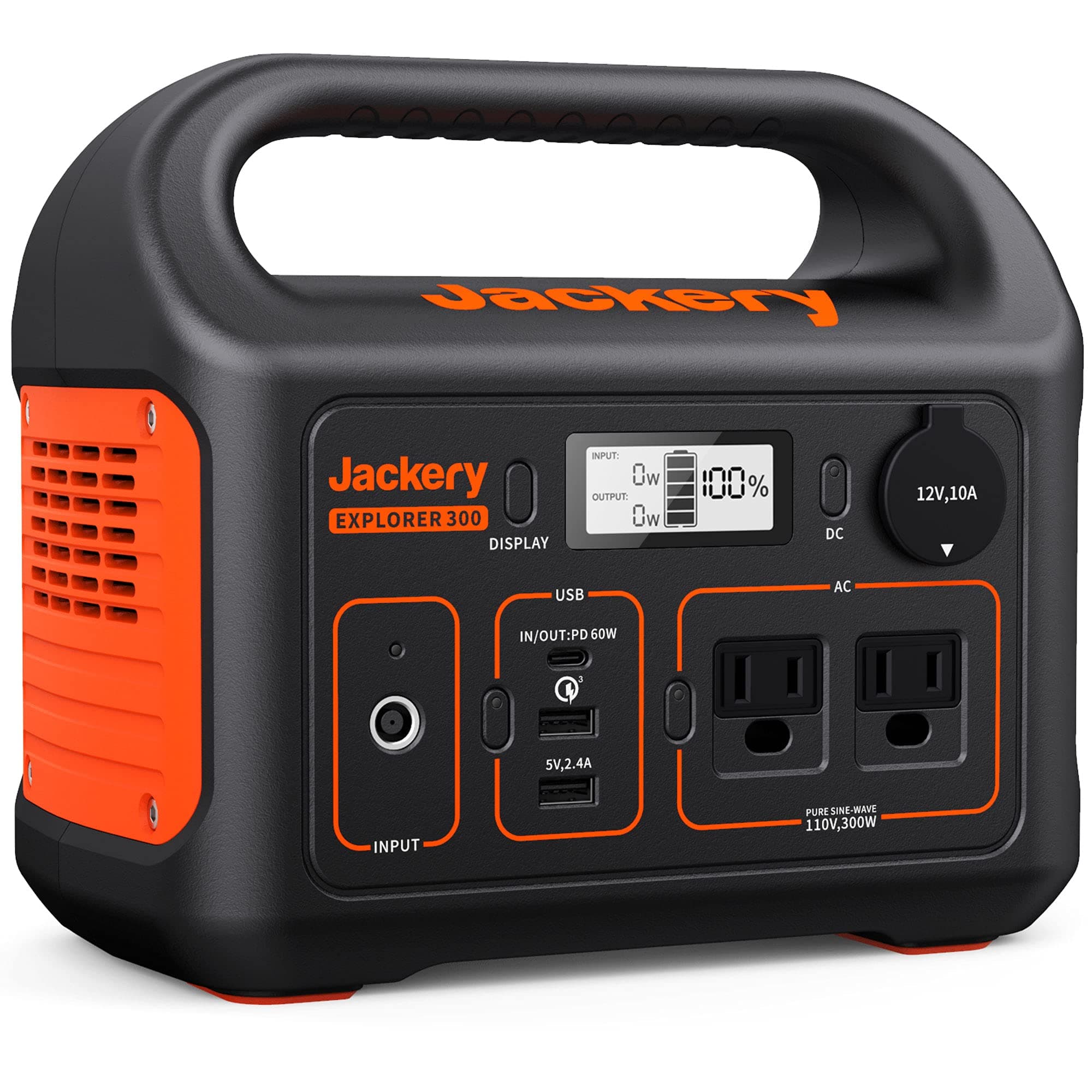
Jackery vs ZeroKor
$229 vs $130
ZeroKor vs Apowking
$130 vs $100
Anker vs EnginStar
$300 vs $130
EnginStar vs ZeroKor
$130 vs $130
EnginStar vs GRECELL
$130 vs $100
EnginStar vs EnginStar
$111 vs $130
ENOFLO vs ZeroKor
$120 vs $130
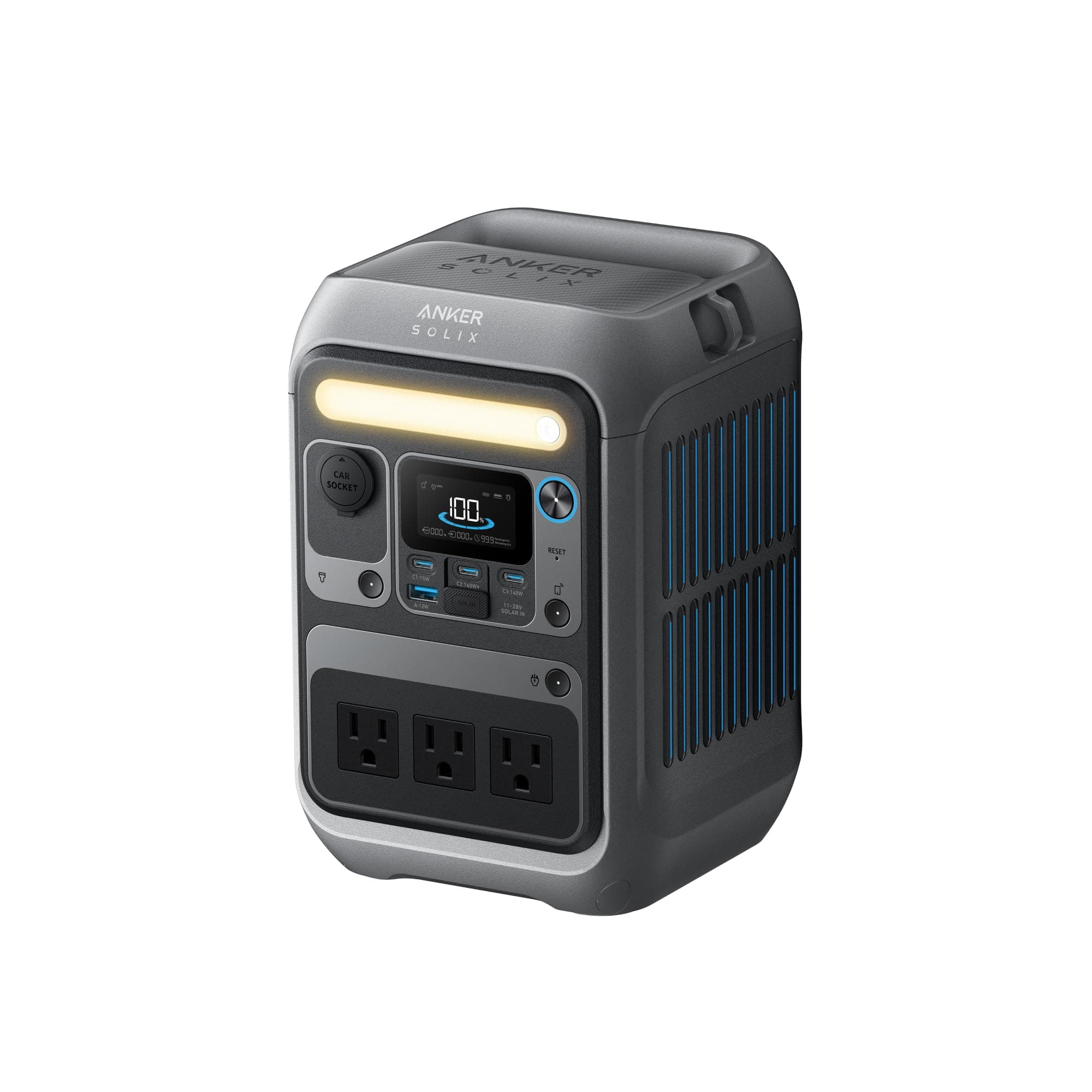
Anker vs EnginStar
$250 vs $130
EnginStar vs ZeroKor
$111 vs $130
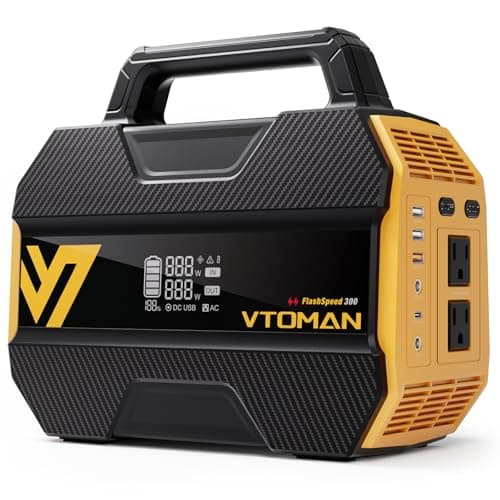
EnginStar vs VTOMAN
$130 vs $140
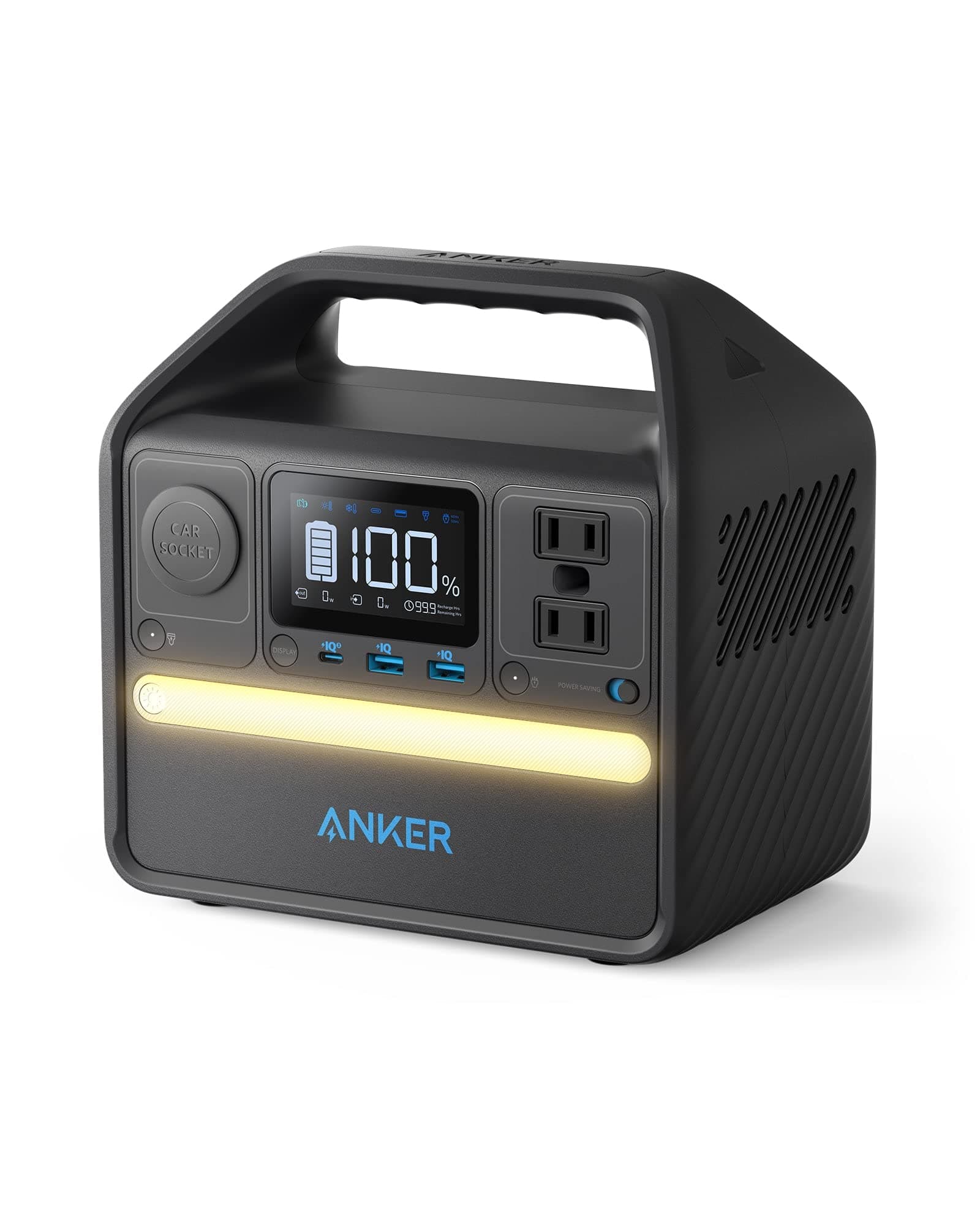
Anker vs ZeroKor
$150 vs $130
EnginStar vs Jackery
$130 vs $229
EnginStar vs EnginStar
$130 vs $130
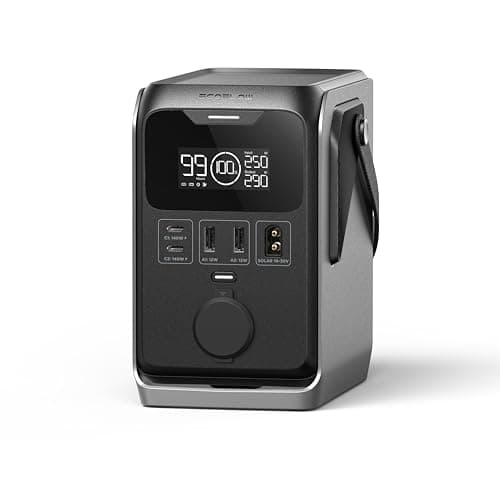
EF ECOFLOW vs EnginStar
$147 vs $130
Explore Other Categories
Popular comparisons across the site
Ask AI
Get instant answers about specs
Get the Deets
Ask our AI assistant
Ask Deets anything!