Our Verdict
Anker 521 Wins
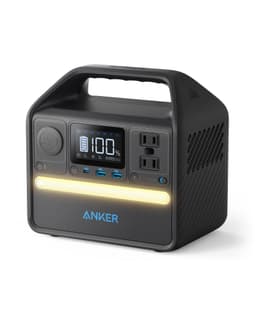
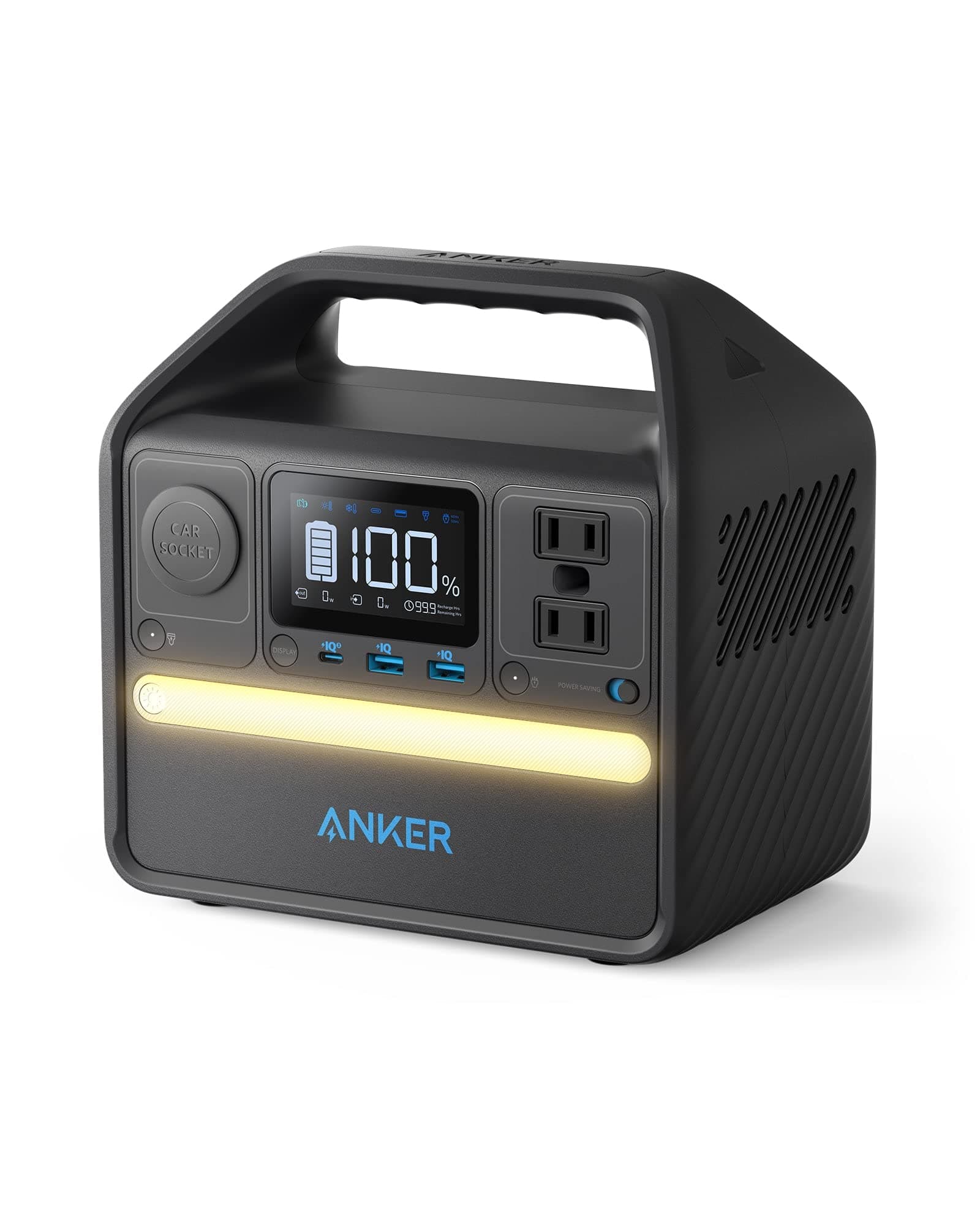
Despite a slightly higher price, the Anker 521 offers superior long-term value and versatility, thanks to its LiFePO4 battery chemistry, promising a 10-year lifespan compared to the ZeroKor's Li-ion, and its 600W peak output for handling higher-draw appliances, a feature absent in the ZeroKor. It also provides a 60W USB-C PD port for rapid laptop charging. The ZeroKor is the better pick for those on a tighter budget ($129.99 vs $149.99) or prioritizing a significantly lighter 5.0 lbs design for maximum portability, with a slightly higher 280Wh capacity.
Bottom Line: Anker 521 is the better choice. Despite a slightly higher price, the Anker 521 offers superior long-term value and versatility, thanks to its LiFePO4 battery chemistry, promising a 10-year lifespan compared to the ZeroKor's Li-ion, and its 600W peak output for handling higher-draw appliances, a feature absent in the ZeroKor.
In-Depth Analysis
How they compare in practice
The Anker 521 and ZeroKor R200 both cater to portable power needs, but their underlying philosophies diverge significantly, impacting real-world use. The most critical distinction lies in their battery chemistry: the Anker 521 utilizes a LiFePO4 battery, a robust choice offering a remarkable 10-year lifespan and up to 3000 charge cycles to 80% capacity. In contrast, the ZeroKor relies on a standard Li-ion battery, which typically offers fewer cycles and a shorter overall operational life. This means the Anker 521 is a significantly better long-term investment, requiring less frequent replacement and offering greater peace of mind for consistent, heavy use. While the ZeroKor boasts a slightly higher 280Wh capacity compared to the Anker's 256Wh, this modest difference is often overshadowed by the Anker's practical advantages. Both deliver 300W continuous AC output, sufficient for small appliances. However, the Anker 521 distinguishes itself with a 600W peak output, allowing it to momentarily power devices like mini-fridges or small power tools that experience a higher startup surge. The ZeroKor, lacking this peak output specification, might struggle or fail to power such devices, limiting its versatility in certain scenarios. Portability is where the ZeroKor shines, weighing a mere 5.0 lbs, significantly lighter than the Anker's 8.16 lbs. This makes the ZeroKor the clear choice for backpackers, hikers, or anyone for whom every ounce matters during transport. The ZeroKor also offers more USB-A ports (4 vs 2) and Quick Charge 3.0, catering well to users with multiple older USB devices. However, the Anker counters with a powerful 60W USB-C Power Delivery port, crucial for rapidly charging modern laptops, an amenity the ZeroKor lacks. Considering their price points, the ZeroKor's $129.99 tag makes it an attractive budget-friendly option, providing decent capacity and portability. The Anker 521, at $149.99, demands a slightly higher initial investment. However, its LiFePO4 battery, superior USB-C output, and higher peak AC wattage contribute to a robust value proposition for users prioritizing longevity, device compatibility, and greater power versatility over maximum portability or lowest upfront cost.
Key Differences
The most significant spec differences at a glance
Battery Capacity
9% lessUSB-A Ports
50% lessWeight
63% moreAdvantages
Where each product wins

ZeroKor
- Battery Capacity: 9% higher (256.0 vs 280.0)
- USB-A Ports: 50% higher (2 vs 4)
- Weight: 63% lower (8.16 vs 5.0)
Which to Pick for Your Situation
Concrete scenarios with a clear recommendation
For long-term emergency preparedness
AnkerThe Anker 521's LiFePO4 battery chemistry offers a 10-year lifespan, providing superior durability and reliability for infrequent but critical use.
For lightweight backpacking or hiking
ZeroKorThe ZeroKor R200 is significantly lighter at 5.0 lbs compared to the Anker's 8.16 lbs, making it much easier to carry on extended treks.
Charging modern USB-C laptops rapidly
AnkerThe Anker 521 features a dedicated 60W USB-C PD output, enabling much faster charging for compatible laptops than standard USB-A ports.
For powering small appliances with high startup surges
AnkerThe Anker 521 boasts a 600W peak output, which helps accommodate the initial power draw of devices like mini-fridges or small tools that the ZeroKor's 300W limit might not handle.
Who Should Buy Which?
Find the right product for your needs
Buy Anker if...
Anker 521 Portable Power
The Anker 521 is the ideal choice for a buyer who prioritizes long-term reliability and versatile power options for a variety of devices, even if it means a slightly higher initial investment. This user likely needs a power station that can serve as a dependable backup for years, perhaps for occasional power outages at home or as a robust companion for frequent car camping trips. They value the Anker's LiFePO4 battery chemistry, which provides an exceptional 10-year lifespan and thousands of charge cycles, making it a true investment rather than a disposable gadget. This buyer also appreciates the flexibility of the 600W peak output, understanding that it allows them to power a wider range of small appliances, like a temporary mini-fridge or a low-wattage power tool, that might otherwise overload a simpler unit. Furthermore, they frequently charge modern laptops, tablets, or even certain camera batteries via USB-C, making the 60W USB-C PD output a critical feature for rapid replenishment. While they might sacrifice a bit of portability due to its 8.16 lbs weight, the peace of mind from its durability and broad compatibility is well worth it.

Buy ZeroKor if...
Portable Power Station 300W
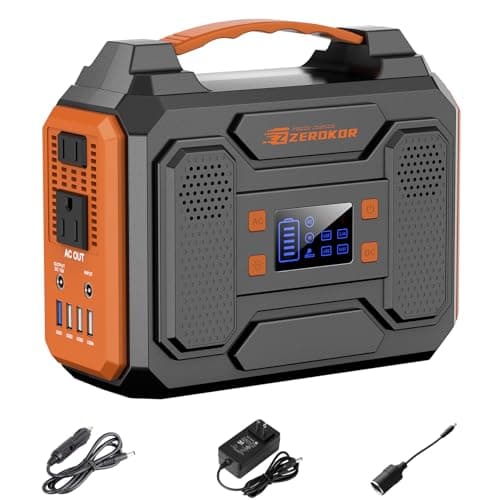
The ZeroKor R200 is perfectly suited for the budget-conscious adventurer or casual user who needs portable power for lighter loads and values maximum portability. This buyer is likely a weekend camper, a student needing to power devices during outdoor study sessions, or someone looking for an affordable emergency power bank for essential electronics. Their priorities lean towards a lightweight and easy-to-carry solution, making the ZeroKor's 5.0 lbs design a significant advantage over heavier alternatives. They primarily need to charge multiple smartphones, tablets, cameras, or power small LED lights via its 4 USB-A ports and QC3.0, and they appreciate the slightly higher 280Wh capacity for longer endurance of these devices. While the ZeroKor's Li-ion battery may not offer the same longevity as LiFePO4, this buyer is content with its performance for their specific use cases, where the initial lower price of $129.99 and superior portability outweigh the need for a 10-year lifespan or high peak wattage. They don't anticipate powering high-draw appliances with startup surges and are comfortable with manual AC activation in exchange for a lighter, more compact, and more affordable unit.
Spec Comparison
10 specs compared
| Specification |  | 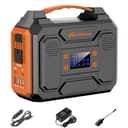 |
|---|---|---|
| Price | $150 | $130 |
| Rating | 4.4(3.0k) | 4.3(1.4k) |
| Capacity Wh | 256W | 280W |
| Chemistry | LiFePO4 | Li-ion |
| AC Output Watts | 300W | 300W |
| Dc Ports | 1 | 1 |
| AC Outlets | 2 | 2 |
| Weight | 8.16 lbs | 5 lbs |
| USB A Ports | 2 | 4 |
| USB C Ports | 1 | — |
| Peak Output Watts | 600W | — |
| Model Number | — | R200 |
Swipe horizontally to see all columns
Pros & Cons
Quick overview of strengths and weaknesses
Anker Anker 521
- LiFePO4 battery provides 10-year lifespan
- Peak 600W output handles high-draw appliances
- 60W USB-C PD port recharges laptops quickly
- Six outputs: 2 AC, 1 USB-C PD, 2 USB-A, 1 DC
- 8.16 lbs unit weight impacts portability
- 256Wh capacity limits high-draw use cases
- Solar charging requires separate panel purchase
ZeroKor Portable Power
- 300W pure sine wave AC output for sensitive devices.
- 280Wh capacity suitable for small electronics.
- Multiple ports: 2 AC, 1 DC, 4 USB, QC3.0.
- Lightweight 5lbs design enhances portability.
- 300W AC output limit restricts high-power appliances.
- Solar panel for charging must be purchased separately.
- Requires regular recharging; not for long-term storage.
- AC output requires manual activation/deactivation.
Frequently Asked Questions
Common questions about this comparison
What is the main benefit of the Anker 521's LiFePO4 battery?
The LiFePO4 battery in the Anker 521 offers a significantly longer lifespan, rated for 10 years or 3000 charge cycles to 80% capacity, providing superior long-term reliability compared to Li-ion.
Can the ZeroKor R200 power a mini-fridge?
While it has 300W continuous AC output, the ZeroKor R200 may struggle with mini-fridges due to their high startup surge. The Anker 521's 600W peak output is better suited for such appliances.
Which power station is better for charging a laptop quickly?
The Anker 521 is better for laptops, offering a 60W USB-C PD port for rapid charging. The ZeroKor R200 primarily provides standard USB-A and QC3.0, which are slower for many laptops.
What does 'pure sine wave' mean for the ZeroKor?
Pure sine wave output ensures stable, clean power delivery, mimicking household electricity. This is crucial for safely powering sensitive electronics without risking damage or malfunction.
How much capacity do these units offer?
The Anker 521 offers 256Wh, while the ZeroKor R200 provides a slightly higher 280Wh. Both are suitable for powering small electronics and charging mobile devices multiple times.
Is a solar panel included with either unit?
No, neither the Anker 521 nor the ZeroKor R200 includes a solar panel. For solar charging, a compatible panel must be purchased separately for both models.
Related Comparisons
Similar products people compare
Anker vs Jackery
$150 vs $229
ALLWEI vs ZeroKor
$129 vs $130
EnginStar vs ZeroKor
$130 vs $130
Jackery vs ZeroKor
$229 vs $130
Anker vs VTOMAN
$150 vs $140
ZeroKor vs Apowking
$130 vs $100
Anker vs Apowking
$150 vs $100
EnginStar vs ZeroKor
$130 vs $130
ALLWEI vs Anker
$129 vs $150
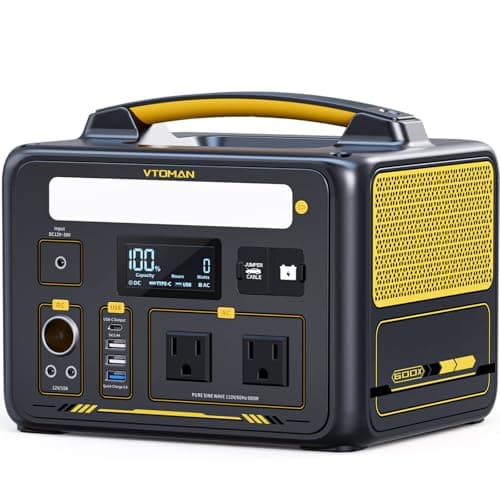
Anker vs VTOMAN
$150 vs $240
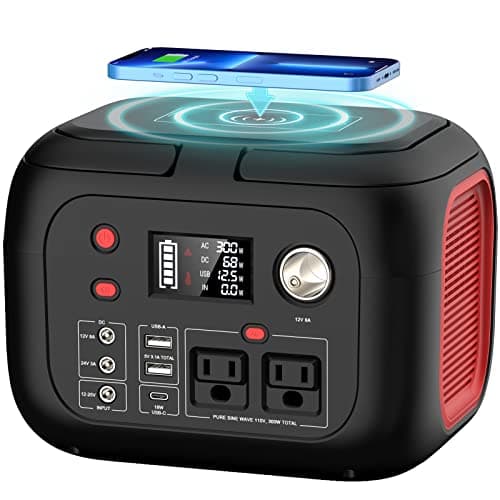
ENOFLO vs ZeroKor
$120 vs $130
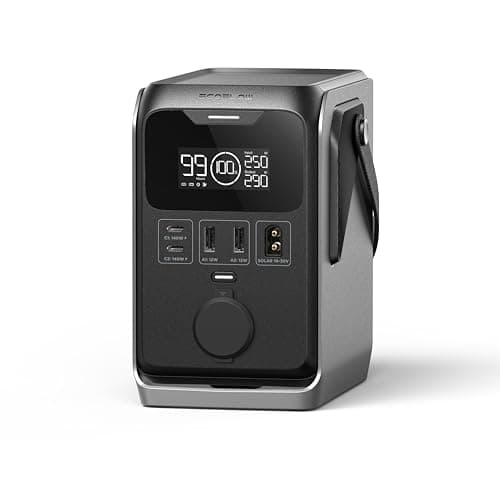
Anker vs EF ECOFLOW
$150 vs $147
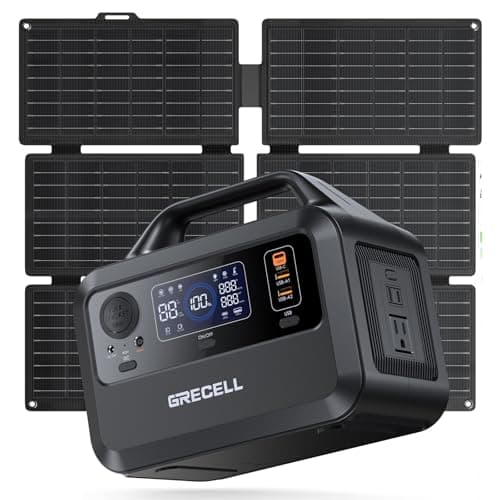
Anker vs GRECELL
$150 vs $190
EnginStar vs ZeroKor
$111 vs $130
Anker vs EnginStar
$150 vs $130
Explore Other Categories
Popular comparisons across the site
Ask AI
Get instant answers about specs
Get the Deets
Ask our AI assistant
Ask Deets anything!