Our Verdict
ALLWEI Portable Power Station 300W Wins
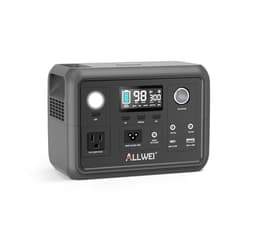
Despite a slightly lower 256Wh capacity compared to ZeroKor's 280Wh, the ALLWEI unit's LiFePO4 battery chemistry offers a vastly superior 3000 cycle life, ensuring much greater longevity and value at its $129 price point. It also features a crucial 60W USB-C PD port and faster 2.5-hour recharge capability. ZeroKor is the better pick if you prioritize having two AC outlets for simultaneous appliance use or a marginally lighter 5lb design, though its standard Li-ion battery offers shorter overall lifespan.
Bottom Line: ALLWEI Portable Power Station 300W is the better choice. Despite a slightly lower 256Wh capacity compared to ZeroKor's 280Wh, the ALLWEI unit's LiFePO4 battery chemistry offers a vastly superior 3000 cycle life, ensuring much greater longevity and value at its $129 price point.
In-Depth Analysis
How they compare in practice
When comparing the ALLWEI Portable Power Station 300W and the ZeroKor Portable Power Station 300W, the most significant differentiator lies in their core battery chemistry and its long-term implications. The ALLWEI PPS300-4 utilizes a LiFePO4 battery, boasting an impressive 3000 charge cycles. In real-world terms, this means the ALLWEI will retain its capacity and reliability for many more years of consistent use compared to the ZeroKor R200, which employs standard Li-ion chemistry (typically offering 500-800 cycles). While the ZeroKor offers a slightly higher 280Wh capacity against ALLWEI's 256Wh, this marginal increase is often outweighed by the ALLWEI's vastly superior longevity, making it a better long-term investment at nearly identical price points of $129.00 and $129.99 respectively. Both units deliver a respectable 300W AC output, suitable for powering small appliances and electronics. However, they differ in their outlet configurations and modern charging options. The ZeroKor R200 provides the practical advantage of two AC outlets, allowing users to power a laptop and a fan simultaneously, which the single AC outlet on the ALLWEI PPS300-4 cannot. On the other hand, ALLWEI counters with a crucial 60W USB-C Power Delivery (PD) port, essential for rapidly charging modern laptops, tablets, and smartphones, a feature entirely absent from the ZeroKor unit, which offers only USB-A (including QC3.0). Furthermore, the ALLWEI boasts a significantly faster recharge time of 2.5 hours when utilizing dual AC+solar input, providing quicker turnaround than ZeroKor, whose recharge speed is not specified but is typically slower for similar Li-ion units. The ZeroKor R200 does offer a slight edge in portability, weighing in at just 5.0 lbs, which might appeal to users prioritizing minimal carry weight, though the ALLWEI's weight isn't listed. Ultimately, the choice comes down to prioritizing either exceptional long-term battery life and modern USB-C PD charging (ALLWEI) or immediate versatility with multiple AC outlets and a marginally higher capacity (ZeroKor).
Key Differences
The most significant spec differences at a glance
Battery Capacity
9% lessAC Outlets
50% lessDc Ports
200% moreUSB-A Ports
75% lessAdvantages
Where each product wins

ALLWEI
- Dc Ports: 200% higher (3 vs 1)

ZeroKor
- Battery Capacity: 9% higher (256 vs 280.0)
- AC Outlets: 50% higher (1 vs 2)
- USB-A Ports: 75% higher (1 vs 4)
Which to Pick for Your Situation
Concrete scenarios with a clear recommendation
For extended off-grid trips or backup power
ALLWEIThe ALLWEI's LiFePO4 chemistry provides 3000 charge cycles, offering significantly longer lifespan and reliability for frequent or critical use compared to ZeroKor's Li-ion.
Powering multiple small AC appliances simultaneously
ZeroKorZeroKor offers two AC outlets, allowing users to power two standard 110V devices concurrently, whereas the ALLWEI unit only has one AC outlet.
Rapid charging modern laptops and smartphones
ALLWEIThe ALLWEI features a dedicated 60W USB-C Power Delivery port, essential for quickly charging compatible laptops, tablets, and phones, a feature missing from ZeroKor.
Budget-conscious buyer seeking maximum capacity
ZeroKorZeroKor provides a slightly higher 280Wh capacity compared to ALLWEI's 256Wh, offering a bit more runtime for the same price point.
Who Should Buy Which?
Find the right product for your needs

Buy ALLWEI if...
ALLWEI Portable Power Station
The ideal buyer for the ALLWEI Portable Power Station 300W is someone who prioritizes long-term durability, modern charging capabilities, and quick turnaround times for their portable power needs. They view their power station as a critical investment for years to come, making the ALLWEI’s LiFePO4 battery chemistry with its outstanding 3000 cycle life a non-negotiable feature. This buyer understands that this superior battery longevity far outweighs the ZeroKor's slightly higher initial capacity, as it guarantees reliable performance over many more charging cycles. This user is likely tech-savvy, owning multiple modern devices like laptops, tablets, and high-end smartphones. For them, the dedicated 60W USB-C Power Delivery port is essential for rapidly charging their compatible gadgets, eliminating the need for bulky proprietary chargers. They appreciate the efficiency of quick recharging, especially if they frequently use the unit for weekend camping, emergency backup at home, or remote work setups where downtime is costly. The impressive 2.5-hour dual AC+solar recharge time perfectly suits their need for minimal waiting. While they might accommodate a single AC outlet, their primary focus remains on robust battery health, cutting-edge USB-C charging, and reliable performance that stands the test of time, all within a reasonable $129 budget.

Buy ZeroKor if...
Portable Power Station 300W
The ZeroKor Portable Power Station 300W is perfectly suited for the pragmatic buyer who values immediate utility, versatility in power output, and a straightforward, portable solution for short-term power demands. This individual's primary need is often to power a couple of standard AC-powered devices simultaneously, making the inclusion of two AC outlets a significant convenience for their camping trips, tailgate parties, or during minor home power interruptions. They might want to run a small fan and charge a laptop at the same time, for instance. While the ZeroKor's Li-ion battery chemistry doesn't offer the extreme longevity of LiFePO4, this buyer is typically focused on accessible, reliable power for occasional use rather than a decade-long investment. They appreciate the slightly higher 280Wh capacity for a bit more runtime compared to the ALLWEI, maximizing power per dollar at its $129.99 price point. Portability is also a minor but welcome advantage, with its 5.0 lbs weight making it easy to grab and go. This user is content with multiple standard USB-A ports, including Quick Charge 3.0, as their devices may not require the faster Power Delivery found in more premium units. They are looking for an effective, no-fuss power bank that delivers immediate, flexible power for their everyday electronics.
Spec Comparison
14 specs compared
| Specification |  |  |
|---|---|---|
| Price | $129 | $130 |
| Rating | 4.4(2.3k) | 4.3(1.4k) |
| Capacity Wh | 256W | 280W |
| Chemistry | LiFePO4 | Li-ion |
| AC Output Watts | 300W | 300W |
| Dc Ports | 3 | 1 |
| AC Outlets | 1 | 2 |
| Cycle Life | 3000 | — |
| Expandable | No | — |
| USB A Ports | 1 | 4 |
| USB C Ports | 1 | — |
| Model Number | PPS300-4 | R200 |
| Charge Time Hours | 4 hrs | — |
| Peak Output Watts | 600W | — |
| Solar Input Watts | 100W | — |
| Weight | — | 5 lbs |
Swipe horizontally to see all columns
Pros & Cons
Quick overview of strengths and weaknesses
ALLWEI Portable Power
- 3000 LiFePO4 cycles for extended battery longevity
- 6 output ports charge multiple devices simultaneously
- 60W USB-C PD port for rapid device charging
- Pure sine wave AC output protects sensitive electronics
- 256Wh capacity is limited for long-duration use
- Single AC outlet limits appliance connectivity
- Solar panel not included, adds to total cost
- 300W AC output insufficient for high-power tools
ZeroKor Portable Power
- 300W pure sine wave AC output for sensitive devices.
- 280Wh capacity suitable for small electronics.
- Multiple ports: 2 AC, 1 DC, 4 USB, QC3.0.
- Lightweight 5lbs design enhances portability.
- 300W AC output limit restricts high-power appliances.
- Solar panel for charging must be purchased separately.
- Requires regular recharging; not for long-term storage.
- AC output requires manual activation/deactivation.
Frequently Asked Questions
Common questions about this comparison
Which power station offers better long-term durability?
The ALLWEI PPS300-4 uses a LiFePO4 battery with an impressive 3000 cycle life, ensuring significantly longer durability than the ZeroKor R200's standard Li-ion battery chemistry.
Can I power multiple AC devices at once?
The ZeroKor R200 is better for this, featuring two AC outlets. The ALLWEI PPS300-4 only has one AC outlet, limiting simultaneous AC appliance use.
How quickly can these units recharge?
The ALLWEI PPS300-4 can recharge in as little as 2.5 hours via dual AC+solar input. ZeroKor's recharge time isn't specified but typically takes longer for similar Li-ion units.
Do either of these power stations come with a solar panel?
No, neither the ALLWEI PPS300-4 nor the ZeroKor R200 include a solar panel. They are optional purchases for both units, adding to the total cost.
Which unit is better for charging modern USB-C devices?
The ALLWEI PPS300-4 is superior, featuring a 60W USB-C Power Delivery port for fast and efficient charging of compatible modern electronics. The ZeroKor R200 does not have a USB-C PD port.
Related Comparisons
Similar products people compare
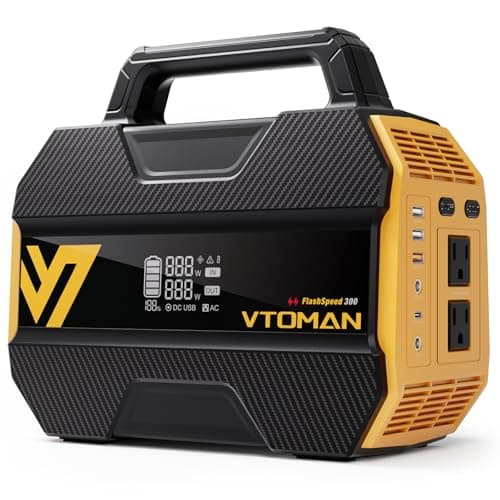
ALLWEI vs VTOMAN
$129 vs $140
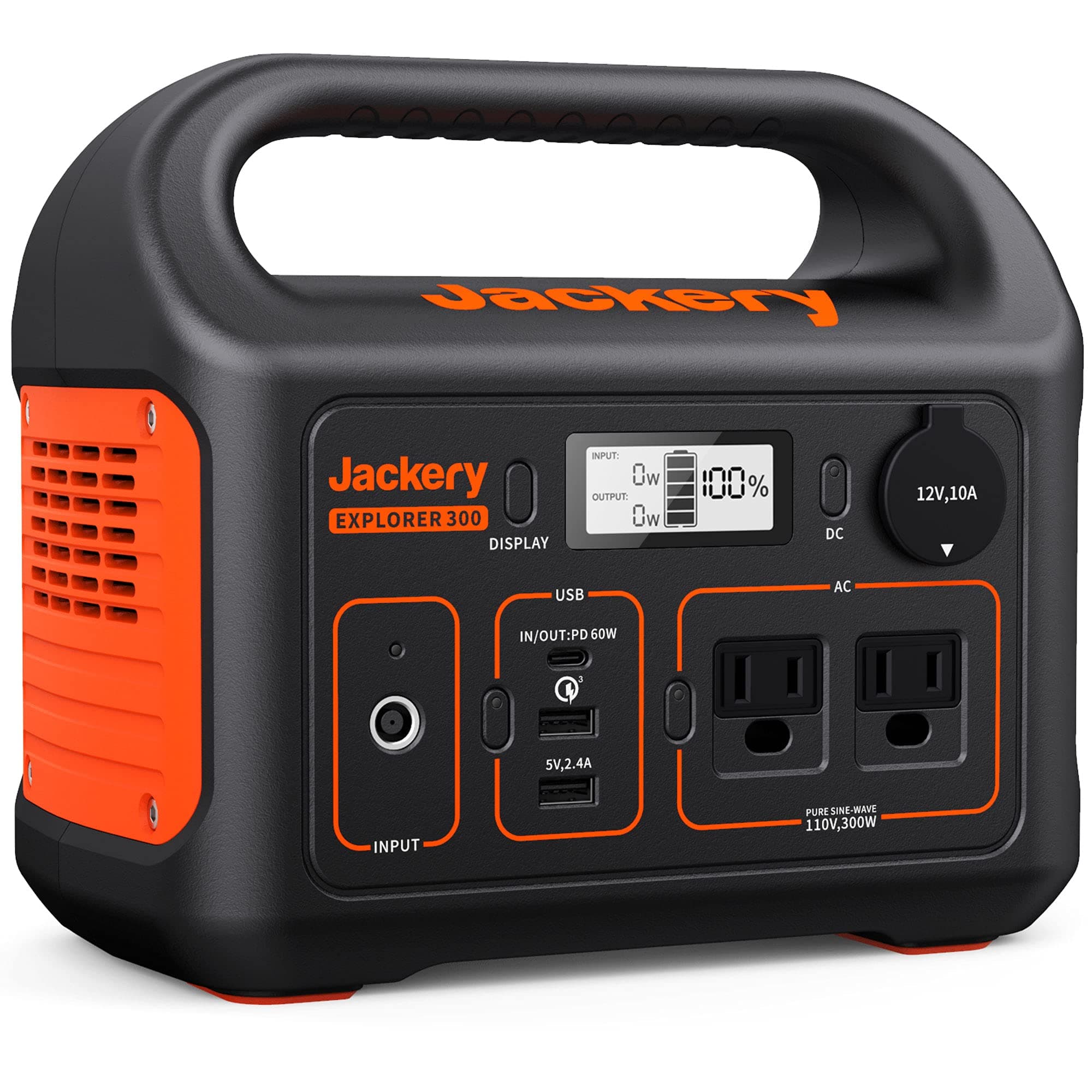
ALLWEI vs Jackery
$129 vs $229
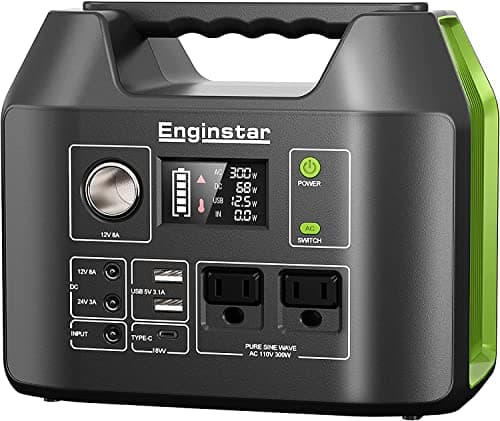
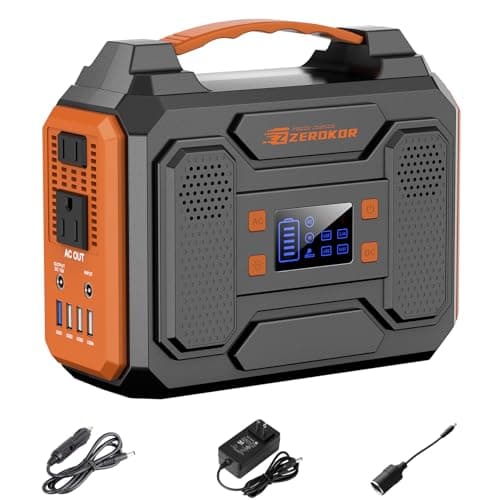
EnginStar vs ZeroKor
$130 vs $130
Jackery vs ZeroKor
$229 vs $130
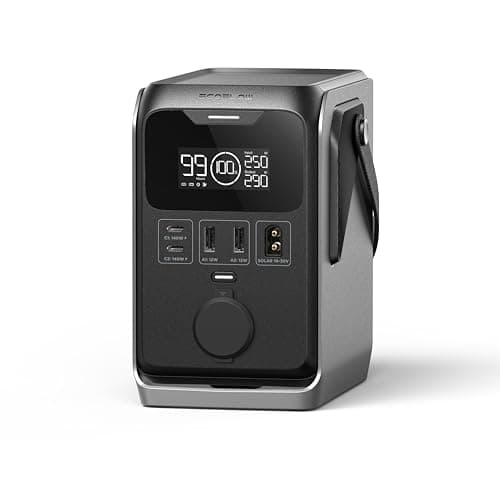
ALLWEI vs EF ECOFLOW
$129 vs $147
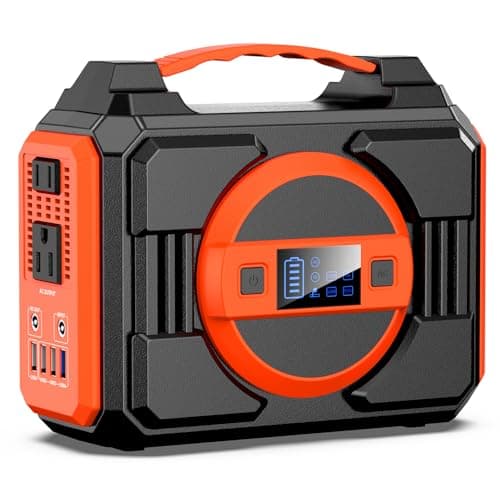
ZeroKor vs Apowking
$130 vs $100
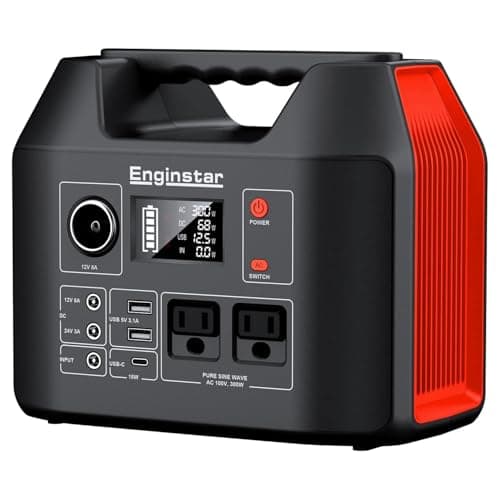
EnginStar vs ZeroKor
$130 vs $130
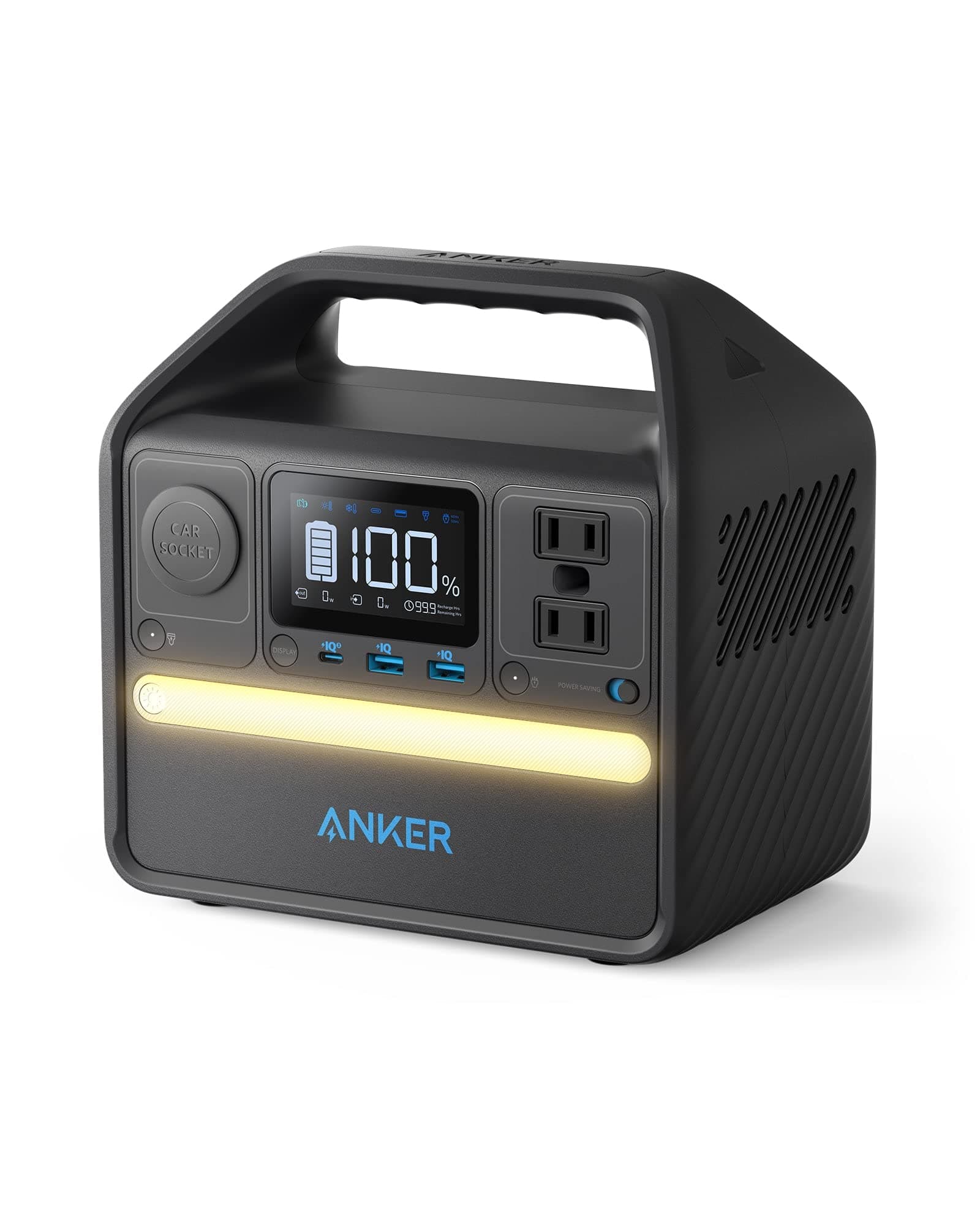
ALLWEI vs Anker
$129 vs $150
ALLWEI vs EnginStar
$129 vs $130
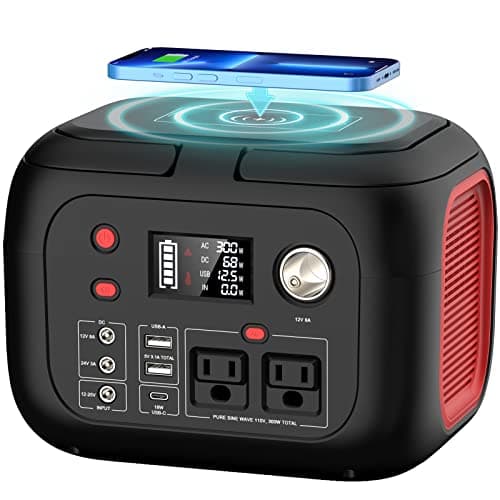
ENOFLO vs ZeroKor
$120 vs $130
ALLWEI vs ENOFLO
$129 vs $120
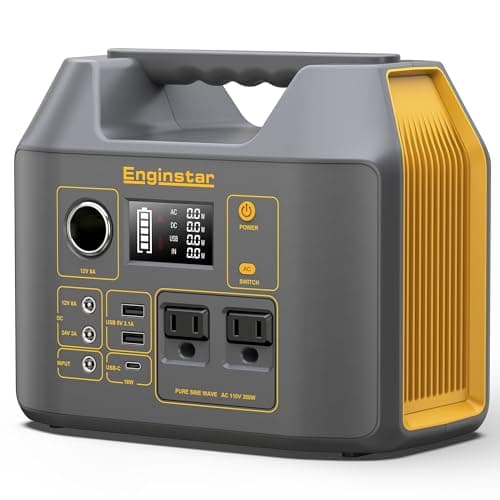
EnginStar vs ZeroKor
$111 vs $130
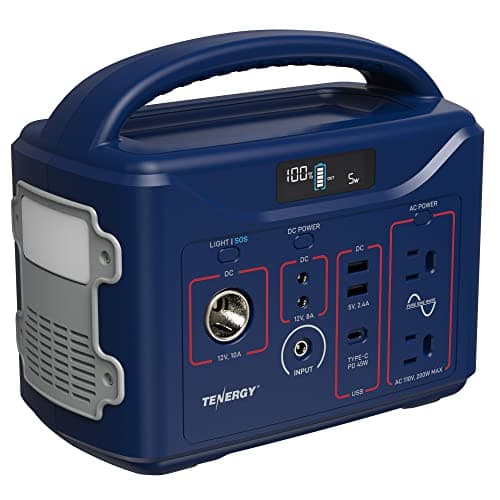
ALLWEI vs Tenergy
$129 vs $180
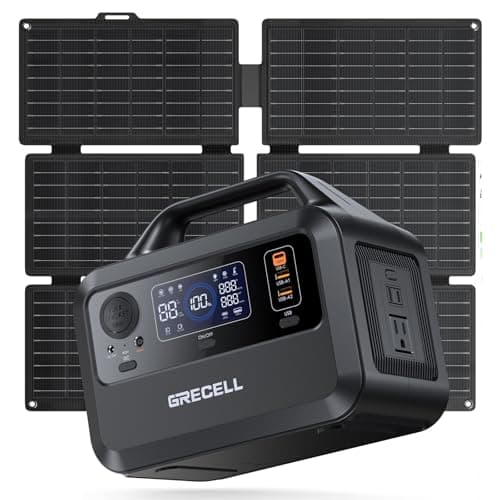
ALLWEI vs GRECELL
$129 vs $190
Anker vs ZeroKor
$150 vs $130
Explore Other Categories
Popular comparisons across the site

Ask AI
Get instant answers about specs
Get the Deets
Ask our AI assistant
Ask Deets anything!