Our Verdict
EnginStar EnginStar Portable Power Station 300W Wins
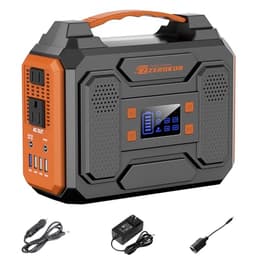
This unit offers superior value with a lower price of $111.1 and a slightly higher capacity of 296Wh compared to ZeroKor's 280Wh at $129.99. Furthermore, its stated 1000+ cycle life promises greater longevity. The ZeroKor R200 is the better pick for users who prioritize extreme portability, being 1.5 lbs lighter at just 5.0 lbs, making it ideal for backpacking where every ounce counts.
Bottom Line: EnginStar EnginStar Portable Power Station 300W is the better choice. This unit offers superior value with a lower price of $111.
In-Depth Analysis
How they compare in practice
The EnginStar R300 and ZeroKor R200 are both compact, 300W pure sine wave portable power stations, but they cater to slightly different priorities in their execution. The most immediate difference lies in their value proposition: the EnginStar R300 significantly undercuts the ZeroKor R200 in price, costing $111.1 compared to $129.99, while simultaneously offering a marginally higher capacity of 296Wh versus 280Wh. This makes the EnginStar a more economical choice on a cost-per-watt-hour basis, providing more power for less money.
From a portability standpoint, the ZeroKor R200 has a distinct advantage, weighing in at a mere 5.0 lbs, making it considerably lighter than the EnginStar R300's 6.5 lbs. This 1.5 lb difference is substantial for users who frequently carry their power station on hikes, backpacking trips, or in situations where every ounce matters. However, the EnginStar counters this with an explicit 1000+ cycle life, a crucial specification for long-term durability and investment value, implying it will maintain its battery health over many more recharges than typical Li-ion units without a specific rating, which is often not disclosed for the ZeroKor.
Regarding port selection, the ZeroKor R200 offers more legacy USB-A ports (4 in total, including a QC3.0 port), which can be beneficial for users with multiple older devices. The EnginStar R300, while having fewer USB-A ports (1), includes a modern USB-C port, appealing to users with newer gadgets. Both units provide two 110V pure sine wave AC outlets, ensuring compatibility with sensitive electronics. A minor operational difference is that the ZeroKor's AC output requires manual activation and deactivation, which can be an extra step compared to potentially automatic activation on the EnginStar. Ultimately, the EnginStar provides better core value and longevity, while the ZeroKor excels in ultralight portability.
Key Differences
The most significant spec differences at a glance
Battery Capacity
6% moreDc Ports
100% moreUSB-A Ports
75% lessWeight
30% moreAdvantages
Where each product wins

EnginStar
- Battery Capacity: 6% higher (296 vs 280.0)
- Dc Ports: 100% higher (2 vs 1)

ZeroKor
- USB-A Ports: 75% higher (1 vs 4)
- Weight: 30% lower (6.5 vs 5.0)
Which to Pick for Your Situation
Concrete scenarios with a clear recommendation
For the budget-conscious camper
EnginStarThe EnginStar R300 offers a competitive price of $111.1 for 296Wh capacity, providing better value per watt-hour than Product B.
For ultralight backpacking
ZeroKorWeighing only 5.0 lbs, the ZeroKor R200 is significantly lighter than the EnginStar's 6.5 lbs, reducing carry weight for hikers.
For charging multiple older USB devices
ZeroKorThe ZeroKor R200 features 4 USB-A ports, including QC3.0, offering more dedicated charging options for standard USB gadgets compared to Product A's single USB-A.
For maximum longevity and investment value
EnginStarThe EnginStar R300 boasts a 1000+ charge cycle life, indicating superior long-term durability and battery health compared to most competitors.
Who Should Buy Which?
Find the right product for your needs

Buy EnginStar if...
EnginStar Portable Power Station
The EnginStar EnginStar Portable Power Station 300W is the ideal choice for the practical, value-conscious buyer who needs a reliable, mid-capacity power source for general outdoor activities, car camping, or as an essential home emergency backup. This individual prioritizes getting the most power for their dollar, making the EnginStar's 296Wh capacity at a mere $111.1 a highly attractive proposition. They will particularly appreciate the explicit 1000+ cycle life, understanding that this translates to a long-lasting product that retains its charge capacity over many years of use, offering exceptional long-term value. While they might occasionally carry it, the slightly heavier 6.5 lbs weight is an acceptable trade-off for the increased battery endurance and cost savings. The inclusion of a USB-C port is also a plus for charging modern devices, complementing its two AC outlets for versatile use. This buyer isn't necessarily an ultralight backpacker, but rather someone seeking a dependable, robust power solution that won't break the bank and offers great durability.

Buy ZeroKor if...
Portable Power Station 300W
The ZeroKor Portable Power Station 300W is perfectly suited for the minimalist adventurer or the day-tripper who places paramount importance on lightweight gear and ultimate portability. With a featherlight weight of just 5.0 lbs, it's an excellent companion for hikers, kayakers, or anyone where every pound makes a significant difference in comfort and endurance. This buyer primarily needs to power a few essential small electronics such as phones, headlamps, and small cameras, making its 280Wh capacity entirely adequate for their shorter trips or lighter power demands. While they are willing to pay a slightly higher price of $129.99, the reduction in weight is a worthwhile investment for their active lifestyle. The ZeroKor's four USB-A ports (including QC3.0) are particularly advantageous for users with multiple standard USB-powered gadgets, making it convenient to charge several devices simultaneously without adapters. This user doesn't necessarily need a USB-C port and finds the manual AC activation a minor inconvenience, overshadowed by the freedom of its ultralight design.
Spec Comparison
10 specs compared
| Specification |  |  |
|---|---|---|
| Price | $130 | $130 |
| Rating | 4.3(1.4k) | 4.3(1.4k) |
| Capacity Wh | 296W | 280W |
| Chemistry | Li-ion | Li-ion |
| AC Output Watts | 300W | 300W |
| Dc Ports | 2 | 1 |
| AC Outlets | 2 | 2 |
| Cycle Life | 1000 | — |
| Weight | 6.5 lbs | 5 lbs |
| USB A Ports | 1 | 4 |
| USB C Ports | 1 | — |
| Model Number | R300 | R200 |
Swipe horizontally to see all columns
Pros & Cons
Quick overview of strengths and weaknesses
EnginStar Portable Power
- Lightweight 6.5 lbs for easy portability
- 300W pure sine wave AC output protects devices
- 8 output ports charge multiple items concurrently
- Three recharge methods: wall, car, solar panel
- Solar panel not included; separate purchase required
- Max 65W input speed; slower full recharge
- Requires charging every 2-3 months for upkeep
ZeroKor Portable Power
- 300W pure sine wave AC output for sensitive devices.
- 280Wh capacity suitable for small electronics.
- Multiple ports: 2 AC, 1 DC, 4 USB, QC3.0.
- Lightweight 5lbs design enhances portability.
- 300W AC output limit restricts high-power appliances.
- Solar panel for charging must be purchased separately.
- Requires regular recharging; not for long-term storage.
- AC output requires manual activation/deactivation.
Frequently Asked Questions
Common questions about this comparison
What's the difference in battery capacity between these two power stations?
The EnginStar R300 has a 296Wh capacity, while the ZeroKor R200 has a 280Wh capacity. This means the EnginStar can power devices slightly longer on a single charge.
Which power station is more portable?
The ZeroKor R200 is lighter at 5.0 lbs, making it more portable. The EnginStar R300 weighs 6.5 lbs, which is still manageable but heavier for extended carrying.
Can these power stations power sensitive electronics like CPAP machines?
Yes, both power stations feature a 300W pure sine wave AC output, which is crucial for safely powering sensitive electronics, including CPAP machines, without damage.
How many USB ports do these power stations offer?
The EnginStar R300 has 1 USB-A and 1 USB-C port. The ZeroKor R200 offers 4 USB-A ports, including one with QC3.0, providing more options for standard USB devices.
What battery chemistry do these units use and what about cycle life?
Both utilize Li-ion battery chemistry. The EnginStar R300 specifies a 1000+ cycle life, indicating excellent longevity, while the ZeroKor R200 does not explicitly state its cycle life.
Are solar panels included for charging?
No, neither power station includes a solar panel. They both support solar charging, but the panel must be purchased separately to utilize this feature.
Related Comparisons
Similar products people compare
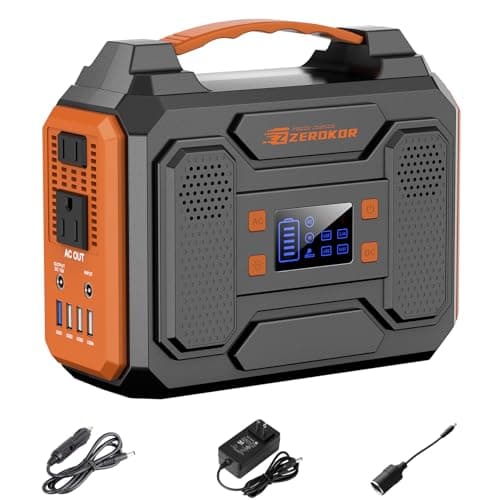
ALLWEI vs ZeroKor
$129 vs $130
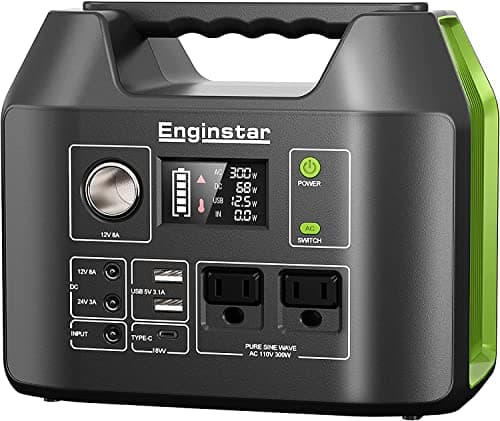
EnginStar vs ZeroKor
$130 vs $130
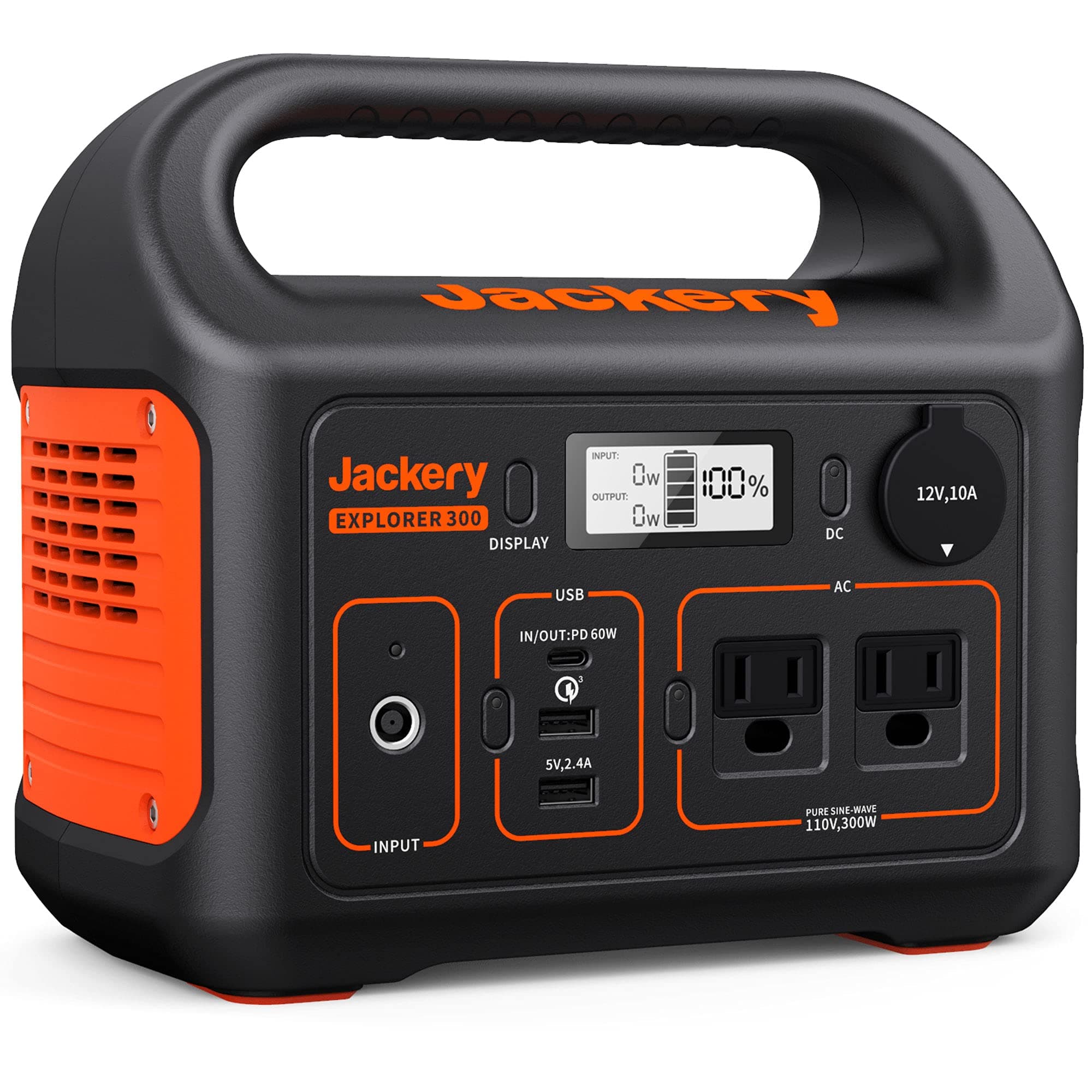
Jackery vs ZeroKor
$229 vs $130
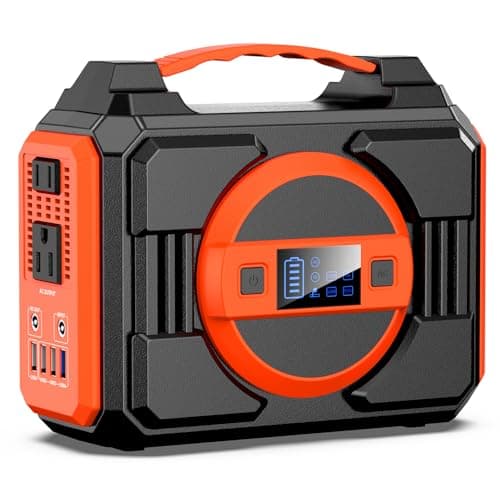
ZeroKor vs Apowking
$130 vs $100
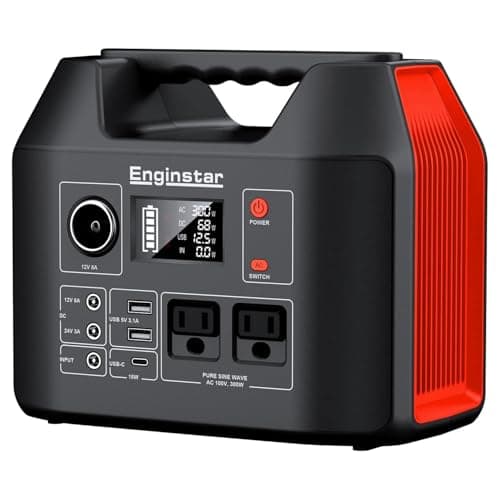
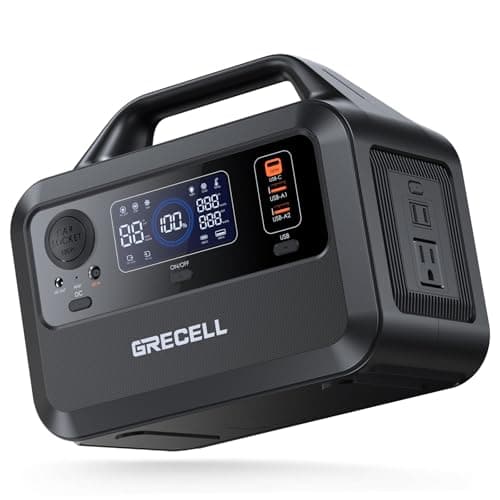
EnginStar vs GRECELL
$130 vs $100
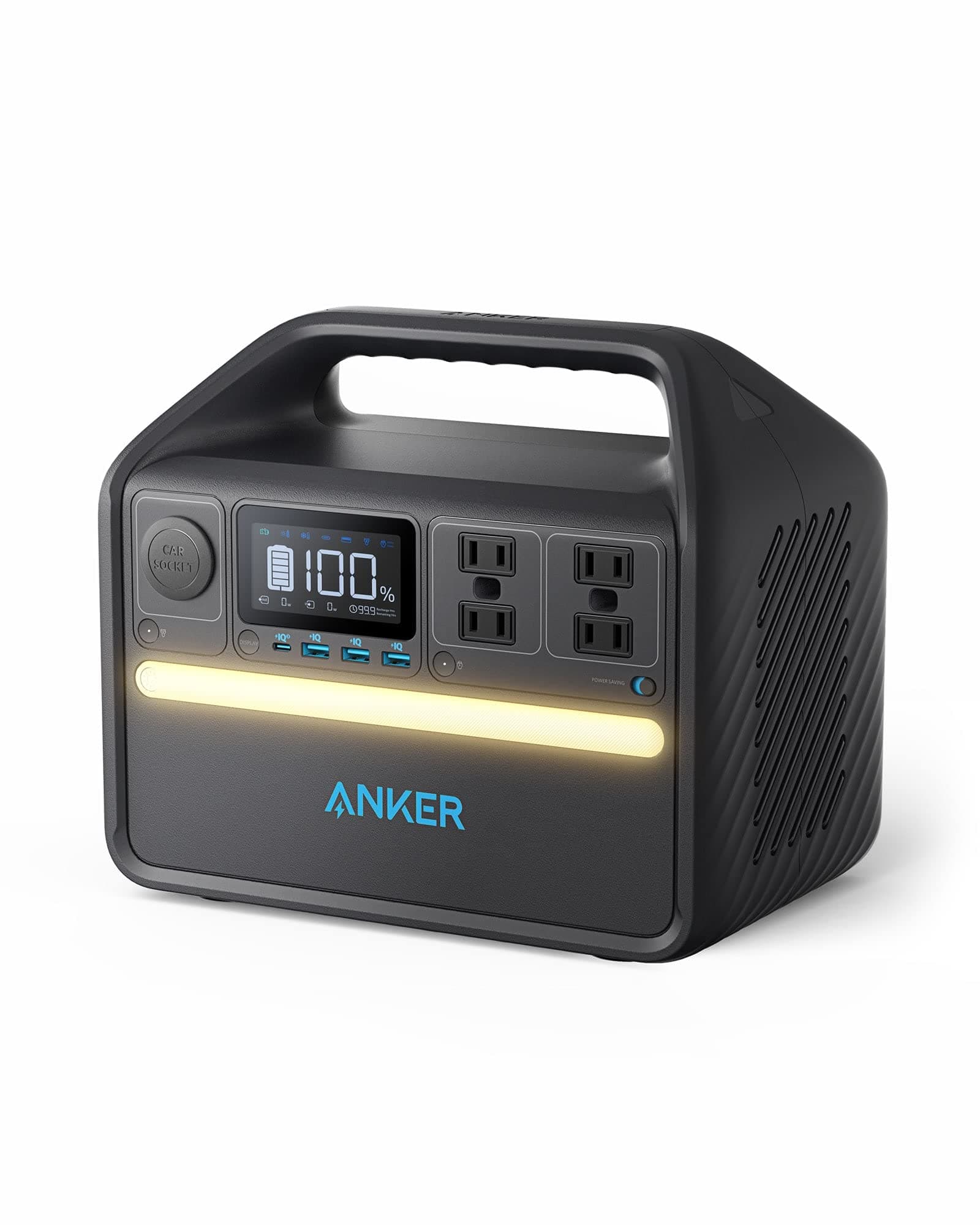
Anker vs EnginStar
$300 vs $130
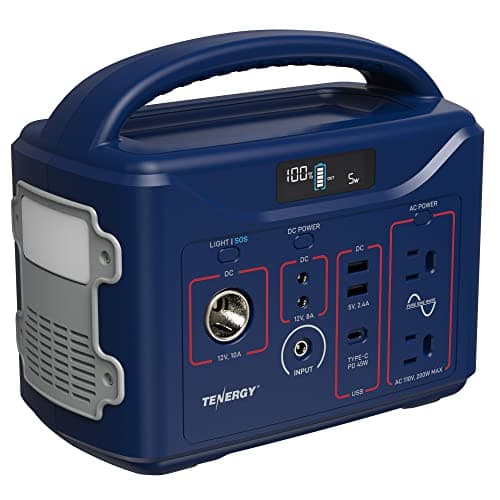
EnginStar vs Tenergy
$130 vs $180
EnginStar vs VTOMAN
$130 vs $140
EnginStar vs EnginStar
$130 vs $111
EnginStar vs VTOMAN
$130 vs $240
ALLWEI vs EnginStar
$129 vs $130
ENOFLO vs ZeroKor
$120 vs $130
EnginStar vs ZeroKor
$111 vs $130
ALLWEI vs EnginStar
$269 vs $130
Anker vs ZeroKor
$150 vs $130
Explore Other Categories
Popular comparisons across the site
Ask AI
Get instant answers about specs
Get the Deets
Ask our AI assistant
Ask Deets anything!