Our Verdict
EnginStar Portable Power Station (Product B) Wins
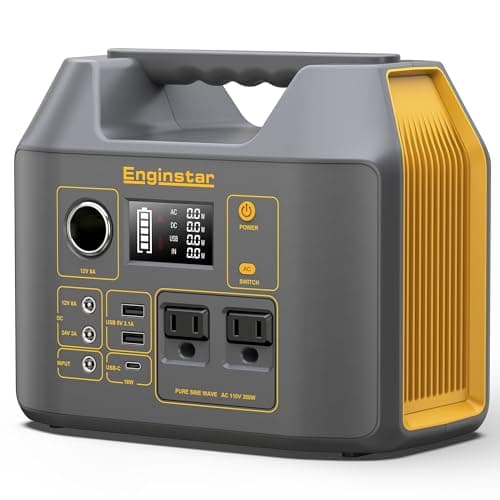
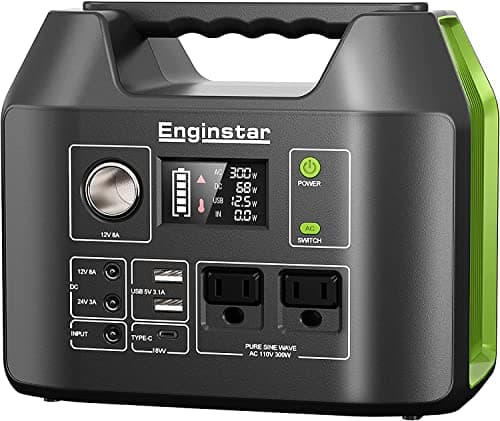
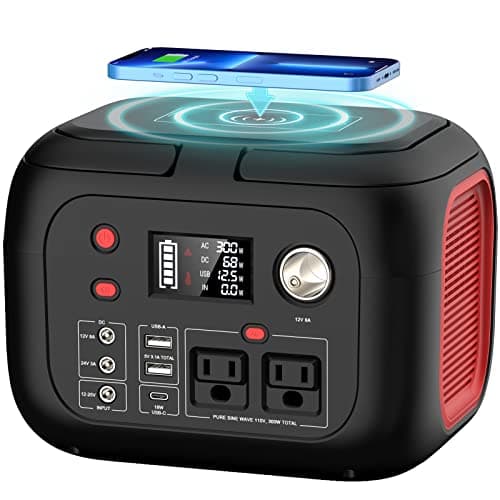
While both models, the R300, share identical core specifications including a 296Wh capacity, 300W pure sine wave AC output, Li-ion chemistry, 1000+ cycle life, and a lightweight 6.5 lbs design, Product B offers slightly more versatility for the same price. It features an additional USB-A port (2 vs 1) and an extra DC port (3 vs 2), allowing more devices to be charged concurrently. Product A might be a marginally better pick if faster AC recharging is a critical priority, as its specs suggest a potential maximum input speed of 65W compared to Product B's 7-hour AC recharge time.
Bottom Line: EnginStar Portable Power Station (Product B) is the better choice. While both models, the R300, share identical core specifications including a 296Wh capacity, 300W pure sine wave AC output, Li-ion chemistry, 1000+ cycle life, and a lightweight 6.
In-Depth Analysis
How they compare in practice
These two EnginStar portable power stations, both identified as model R300, are remarkably similar, making the choice between them hinge on subtle differences in connectivity and charging. Both units deliver a consistent 296Wh capacity and 300W of pure sine wave AC output, ensuring they can reliably power small appliances and sensitive electronics like laptops, drones, or CPAP machines without risk of damage. Their shared 6.5 lbs weight makes them equally excellent companions for short camping trips, car travel, or as emergency backup power at home, emphasizing portability over heavy-duty capacity.
The most significant functional distinction lies in their port configurations and charging input. Product B offers enhanced versatility with two USB-A ports and three DC ports, compared to Product A's single USB-A and two DC ports. For users needing to charge multiple low-power USB gadgets (phones, tablets, headlamps) simultaneously alongside DC-powered devices, Product B clearly holds an advantage. However, Product A lists a 'Max 65W input speed' in its specifications. Assuming this refers to AC input, it implies a theoretical recharge time of approximately 4.5 hours for its 296Wh capacity. In contrast, Product B explicitly states an 'AC recharge time is 7 hours,' which translates to a slower ~42W input. This suggests Product A *could* achieve a faster wall charge if its 65W input speed is consistently maintained.
Both units boast a robust Li-ion chemistry with a 1000+ cycle life, promising years of reliable use before significant capacity degradation. The inclusion of two pure sine wave AC outlets on both further solidifies their utility for a range of electronics. Given their identical price point of $111.1 and 4.3-star rating, Product B generally offers slightly better value due to its increased output port count, unless the potential for faster AC recharging of Product A is a critical deciding factor for an individual's specific use case.
Key Differences
The most significant spec differences at a glance
Dc Ports
33% lessUSB-A Ports
50% lessAdvantages
Where each product wins

EnginStar
- Dc Ports: 33% higher (2 vs 3)
- USB-A Ports: 50% higher (1 vs 2)
Which to Pick for Your Situation
Concrete scenarios with a clear recommendation
For charging multiple small electronics simultaneously
EnginStarProduct B offers two USB-A ports and three DC ports, providing more output options compared to Product A's single USB-A and two DC ports.
When rapid AC wall charging is a priority
EnginStarProduct A lists a 'Max 65W input speed' which theoretically allows for a faster recharge compared to Product B's stated 7-hour AC recharge time for 296Wh.
For basic off-grid power during short camping trips
TieBoth units offer 296Wh capacity, 300W AC output, and weigh 6.5 lbs, making them equally suitable for essential power needs in the outdoors.
As an emergency backup for CPAP machines
TieBoth power stations provide a 296Wh capacity and 300W pure sine wave AC output, ideal for safely running medical devices like CPAPs.
Who Should Buy Which?
Find the right product for your needs

Buy EnginStar if...
EnginStar Portable Power Station
The EnginStar Portable Power Station (Product A) is an excellent choice for the user who prioritizes a potentially quicker recharge time and needs reliable, portable power for 1-2 primary devices. This buyer might be someone planning day trips or short overnight excursions where they need to quickly top off the power station between uses, leveraging its stated 'Max 65W input speed' for a potentially faster AC wall charge than comparable models. They typically use one USB-A device and perhaps one or two DC-powered items, so the 1 USB-A and 2 DC ports are sufficient for their needs. This individual values the fundamental benefits of a 296Wh capacity and 300W pure sine wave AC output for sensitive electronics but isn't looking to power a multitude of gadgets simultaneously. They appreciate the lightweight 6.5 lbs design for easy transport and the robust 1000+ cycle life, knowing they're getting a durable product for their $111.1 investment, without needing the extra output versatility of more ports.

Buy EnginStar if...
EnginStar Portable Power Station,300W
The EnginStar Portable Power Station (Product B) is ideal for the user who needs slightly more output flexibility for the same budget. This buyer often travels or camps with a few more small electronics and accessories, valuing the additional USB-A port (total of 2) and an extra DC port (total of 3) to charge more devices concurrently, such as two smartphones, a tablet, and a camping light all at once. They rely on the consistent and safe 300W pure sine wave AC output for essential items like a laptop or CPAP machine, making the 296Wh capacity a sweet spot for short to medium-duration power needs. While the 7-hour AC recharge time is noted, this user plans their charging cycles in advance, perhaps overnight, so the longer recharge isn't a significant drawback. At $111.1, they appreciate getting maximum utility and connectivity for their money, embracing the compact 6.5 lbs design and the long-lasting 1000+ cycle Li-ion battery for versatile outdoor adventures and reliable emergency backup.
Spec Comparison
12 specs compared
| Specification | 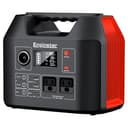 | 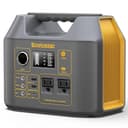 |
|---|---|---|
| Price | $130 | $111 |
| Rating | 4.3(1.4k) | 4.3(1.6k) |
| Capacity Wh | 296W | 296W |
| Chemistry | Li-ion | Li-ion |
| AC Output Watts | 300W | 300W |
| Dc Ports | 2 | 3 |
| AC Outlets | 2 | 2 |
| Cycle Life | 1000 | 1000 |
| Weight | 6.5 lbs | 6.5 lbs |
| USB A Ports | 1 | 2 |
| USB C Ports | 1 | 1 |
| Model Number | R300 | R300 |
| Charge Time Hours | — | 7 hrs |
| Solar Input Watts | — | 300W |
Swipe horizontally to see all columns
Pros & Cons
Quick overview of strengths and weaknesses
EnginStar Portable Power
- Lightweight 6.5 lbs for easy portability
- 300W pure sine wave AC output protects devices
- 8 output ports charge multiple items concurrently
- Three recharge methods: wall, car, solar panel
- Solar panel not included; separate purchase required
- Max 65W input speed; slower full recharge
- Requires charging every 2-3 months for upkeep
EnginStar Portable Power
- Two pure sine wave AC outlets for stable power.
- Weighs 6.5 lbs, compact for easy transport.
- 296Wh capacity powers small electronics.
- Charges via AC, car, or solar panel input.
- Max 300W output limits larger appliances.
- AC recharge time is 7 hours.
- Solar input requires separate panel purchase.
- 296Wh capacity may be insufficient for long trips.
Frequently Asked Questions
Common questions about this comparison
What is the total power output capacity of these power stations?
Both EnginStar portable power stations feature a 296Wh (80000mAh) battery capacity, capable of powering various small devices for extended periods.
Can these power stations run a CPAP machine?
Yes, with 300W pure sine wave AC output, both models can safely and effectively power most CPAP machines during power outages or camping trips.
How long does it take to recharge these units?
Product B specifies an AC recharge time of 7 hours. Product A indicates a max 65W input speed, suggesting a potentially faster AC recharge of around 4.5 hours.
Are solar panels included with either product?
No, neither power station includes a solar panel. While both support solar charging, the panel must be purchased separately.
What devices can the 300W AC outlet power?
The 300W AC outlets can power devices up to 300 watts, such as laptops, mini-fridges, drones, small fans, and sensitive electronics requiring pure sine wave power.
Related Comparisons
Similar products people compare
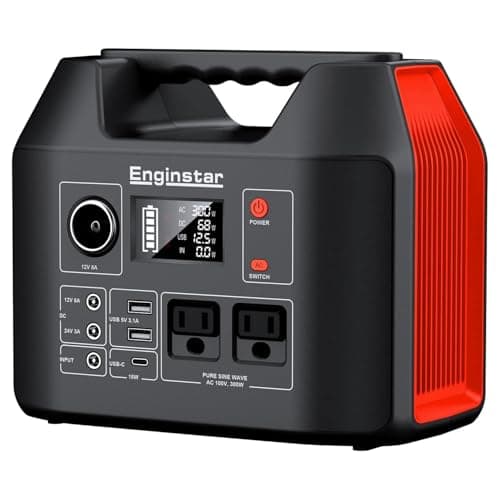
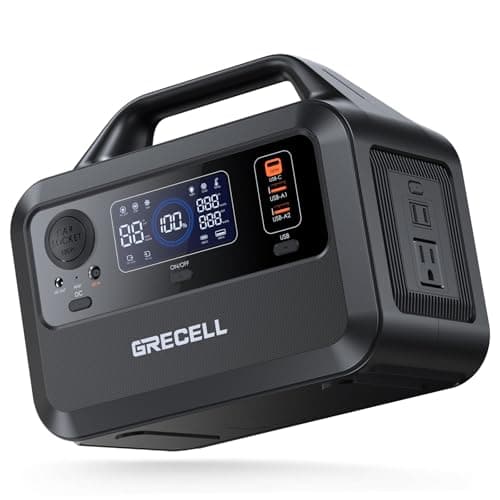
EnginStar vs GRECELL
$130 vs $100
EnginStar vs ZeroKor
$130 vs $130
Anker vs EnginStar
$300 vs $130
EnginStar vs Tenergy
$130 vs $180
EnginStar vs VTOMAN
$130 vs $140
EnginStar vs EnginStar
$111 vs $130
EF ECOFLOW vs EnginStar
$147 vs $111
EnginStar vs VTOMAN
$130 vs $240
ALLWEI vs EnginStar
$129 vs $130
EnginStar vs ZeroKor
$111 vs $130
EnginStar vs Apowking
$111 vs $100
ALLWEI vs EnginStar
$269 vs $130
EnginStar vs EnginStar
$130 vs $130
Anker vs EnginStar
$150 vs $130
ENOFLO vs EnginStar
$120 vs $130
Explore Other Categories
Popular comparisons across the site
Ask AI
Get instant answers about specs
Get the Deets
Ask our AI assistant
Ask Deets anything!