Our Verdict
EnginStar Portable Power Station (Product A) Wins
Both products are fundamentally the same EnginStar R300 model, offering 296Wh capacity, 300W AC output, and a 1000-cycle Li-ion battery life. Product A, however, is significantly more affordable at $111.1 compared to Product B's $129.99, making it the superior value for identical performance. Product B is only a better pick if Product A is unavailable or if a specific retailer preference outweighs the price difference.
Bottom Line: EnginStar Portable Power Station (Product A) is the better choice. Both products are fundamentally the same EnginStar R300 model, offering 296Wh capacity, 300W AC output, and a 1000-cycle Li-ion battery life.
In-Depth Analysis
How they compare in practice
Upon close inspection, it's evident that the EnginStar Portable Power Station (Product A) and the EnginStar Solar Generator (Product B) are, in essence, the same core product, the EnginStar R300 model. Both units deliver a consistent 300W of pure sine wave AC output from two outlets, crucial for safely powering sensitive electronics without damage. Their 296Wh lithium-ion battery capacity is ideal for short trips, charging laptops multiple times, or running small appliances like a portable fan for several hours. This shared capacity and output mean their real-world performance for powering common devices like drones, mini-fridges, or camera equipment will be identical.
The durability is also matched, with both units boasting a robust 1000+ charge cycle life, ensuring years of reliable use before significant battery degradation. Charging speed is consistent across both, requiring approximately 7 hours via an AC wall adapter. Portability is another shared strength; Product A explicitly lists a weight of 6.5 lbs, a figure that would apply to Product B as well, making them easy to carry for camping or emergency backup. Both also support solar input, though the panels must be purchased separately.
The most significant, and arguably sole, differentiator is the price. Product A is listed at $111.1, while Product B is $129.99. This price disparity, for what is functionally the same device, makes Product A the unequivocally better value proposition. Buyers considering either should prioritize Product A to secure the exact same features and performance at a lower cost. The value proposition for Product B diminishes drastically when Product A is available.
Which to Pick for Your Situation
Concrete scenarios with a clear recommendation
For budget-conscious campers
EnginStarBoth offer identical 296Wh capacity and 300W output for camping needs, but Product A is significantly cheaper at $111.1.
Powering sensitive electronics (laptops, drones)
TieBoth feature two pure sine wave AC outlets and 300W output, providing stable and safe power for delicate devices.
Emergency home backup for small devices
EnginStarWith identical 296Wh capacity and a 1000-cycle battery life, Product A offers the same reliable backup at a lower price point.
Seeking maximum overall value
EnginStarAs the products are identical in specifications, Product A's lower price of $111.1 directly translates to superior value.
Who Should Buy Which?
Find the right product for your needs

Buy EnginStar if...
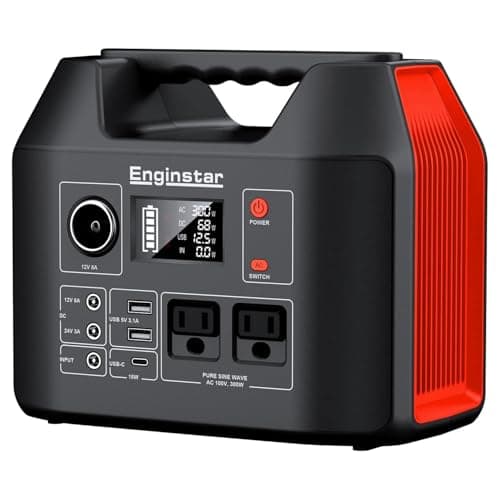
EnginStar Portable Power Station,300W
The ideal buyer for the EnginStar Portable Power Station (Product A) is a value-conscious outdoor enthusiast, remote worker, or someone preparing for emergency power outages. This individual prioritizes getting the most essential features for the lowest possible price. They need a reliable, compact power source that can handle daily charging of laptops, phones, and small appliances like a portable fan or mini-fridge. The 296Wh capacity is perfect for weekend camping trips or short-term backup, while the 300W pure sine wave AC output ensures their sensitive electronics remain safe. They appreciate the longevity offered by the 1000+ cycle life and the flexibility of multiple charging options, including solar input (300W), even if they plan to purchase a panel separately. The 6.5 lbs weight is a significant advantage for portability. This buyer understands that Product A offers identical performance to Product B but at a compelling $111.1 price point, making it the smart economic choice without compromising on crucial specifications.

Buy EnginStar if...
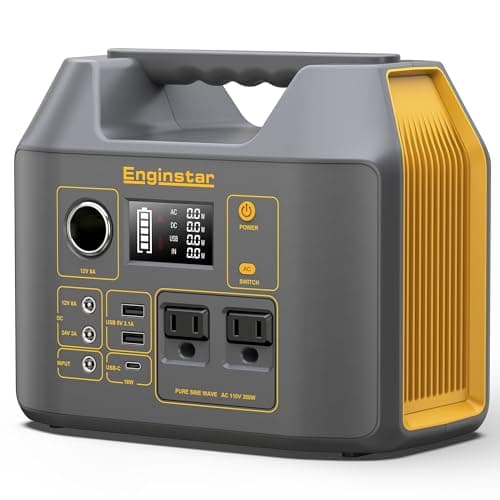
EnginStar Solar Generator, 300W
The ideal buyer for the EnginStar Solar Generator (Product B) is someone seeking a dependable, mid-range portable power station with specific core features, who might not be solely driven by finding the absolute lowest price for identical specifications. This buyer values the consistent performance of a 296Wh lithium battery and a 300W pure sine wave AC output, recognizing these as critical for powering essential devices during outdoor adventures, road trips, or unexpected power interruptions. They appreciate the unit's ability to recharge via AC, car, or solar input (12-25V), ensuring flexibility in various scenarios. The 1000+ charge cycle life offers peace of mind regarding long-term durability, aligning with their desire for a product that lasts. While Product B's $129.99 price is higher than Product A's, this buyer might prioritize immediate availability from a preferred retailer, a specific listing's details, or simply isn't comparing identical models across every online storefront. They need a power station that reliably delivers these specs, and Product B perfectly meets those functional requirements, even at a slight premium.
Spec Comparison
12 specs compared
| Specification | 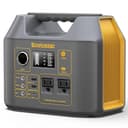 | 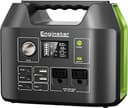 |
|---|---|---|
| Price | $111 | $130 |
| Rating | 4.3(1.6k) | 4.3(1.4k) |
| Capacity Wh | 296W | 296W |
| Chemistry | Li-ion | Lithium |
| AC Output Watts | 300W | 300W |
| Dc Ports | 3 | 3 |
| AC Outlets | 2 | 2 |
| Cycle Life | 1000 | 1000 |
| Weight | 6.5 lbs | — |
| USB A Ports | 2 | 2 |
| USB C Ports | 1 | 1 |
| Model Number | R300 | R300 |
| Charge Time Hours | 7 hrs | 7 hrs |
| Solar Input Watts | 300W | — |
Swipe horizontally to see all columns
Pros & Cons
Quick overview of strengths and weaknesses
EnginStar Portable Power
- Two pure sine wave AC outlets for stable power.
- Weighs 6.5 lbs, compact for easy transport.
- 296Wh capacity powers small electronics.
- Charges via AC, car, or solar panel input.
- Max 300W output limits larger appliances.
- AC recharge time is 7 hours.
- Solar input requires separate panel purchase.
- 296Wh capacity may be insufficient for long trips.
EnginStar Solar Generator,
- Delivers 300W AC power with 296Wh battery capacity.
- Two 110V pure sine wave AC outlets.
- Recharges via AC, car, or 12-25V solar input.
- Rated for 1000 charge cycles.
- Limited to devices under 300W total output.
- 7-hour recharge time using AC wall adapter.
- Solar panel requires separate purchase.
Frequently Asked Questions
Common questions about this comparison
What is the battery capacity and output of these power stations?
Both EnginStar models feature a 296Wh lithium-ion battery capacity and provide a continuous 300W pure sine wave AC output, suitable for various small appliances and electronics.
How long does it take to fully recharge the power station?
When charging via an AC wall adapter, both units require approximately 7 hours to reach a full charge from empty. They also support solar and car charging.
Are these power stations suitable for outdoor camping or RV use?
Yes, with 296Wh capacity, 300W output, multiple ports (AC, USB, DC), and a portable design (Product A is 6.5 lbs), they are well-suited for powering devices during camping, road trips, or RV excursions.
What kind of devices can the 300W AC output power?
The 300W AC output can power devices such as laptops, small fans, LED lights, mini-fridges, projectors, and camera batteries, provided their total power draw does not exceed 300 watts.
What is the expected lifespan of the battery?
Both power stations are rated for a cycle life of 1000+ charges, meaning the battery can be fully discharged and recharged over a thousand times before its capacity significantly degrades.
Related Comparisons
Similar products people compare
EnginStar vs ZeroKor
$130 vs $130
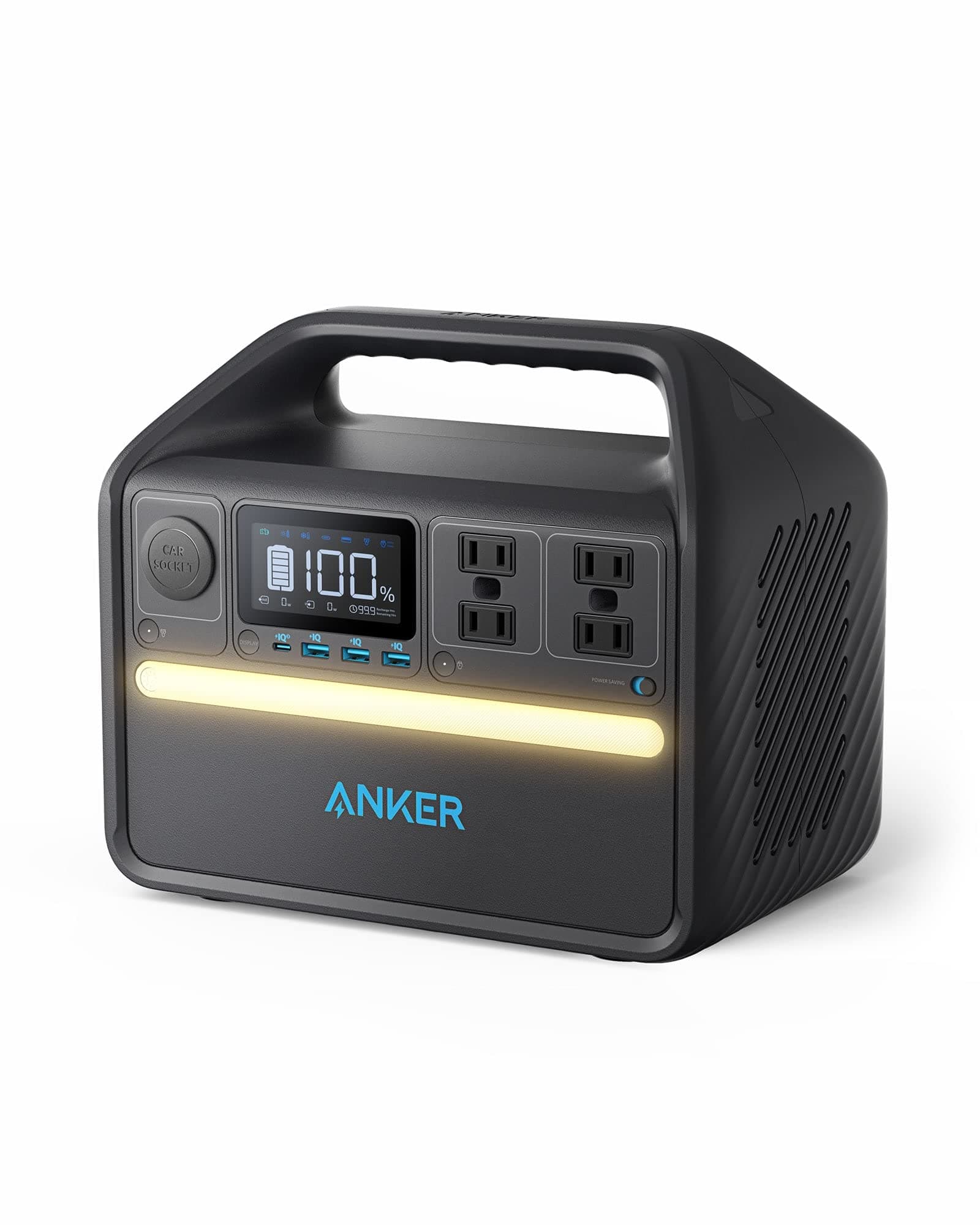
Anker vs EnginStar
$300 vs $130
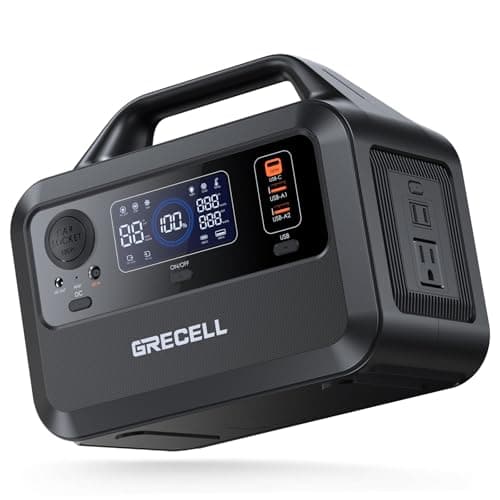
EnginStar vs GRECELL
$130 vs $100
EnginStar vs EnginStar
$130 vs $111
EF ECOFLOW vs EnginStar
$147 vs $111
Anker vs EnginStar
$250 vs $130
EnginStar vs ZeroKor
$111 vs $130
EnginStar vs Apowking
$111 vs $100
EnginStar vs VTOMAN
$130 vs $140
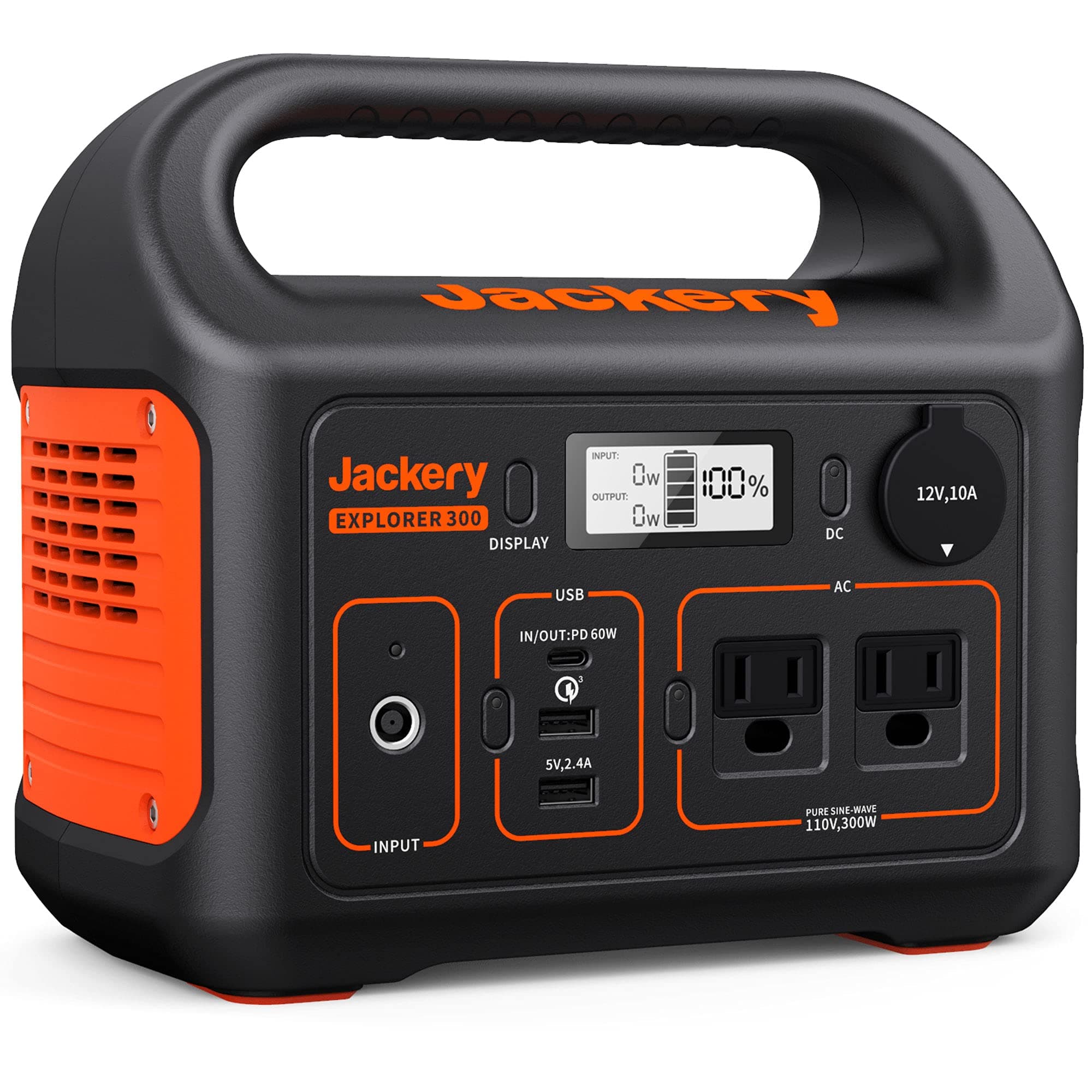
EnginStar vs Jackery
$130 vs $229
EnginStar vs EnginStar
$130 vs $130
EF ECOFLOW vs EnginStar
$147 vs $130
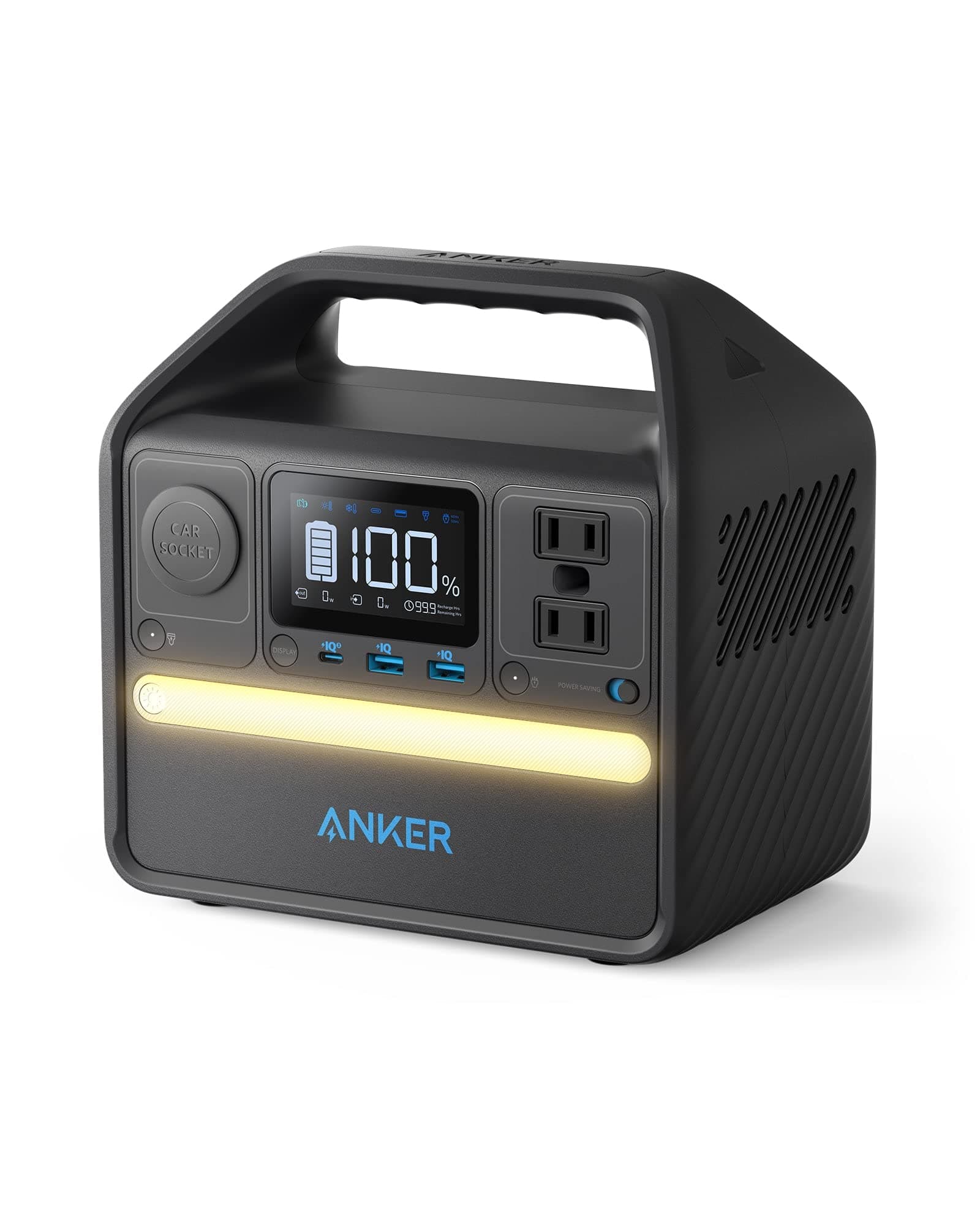
Anker vs EnginStar
$150 vs $130
EnginStar vs Tenergy
$130 vs $180
ALLWEI vs EnginStar
$129 vs $111
Explore Other Categories
Popular comparisons across the site



Ask AI
Get instant answers about specs
Get the Deets
Ask our AI assistant
Ask Deets anything!