Our Verdict
EnginStar R300 Wins
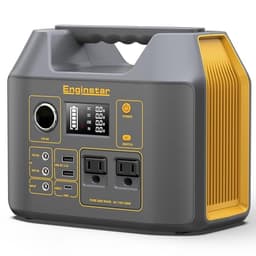
It offers a superior 296Wh capacity, providing more usable power for extended periods compared to the SinKeu's 260Wh. Crucially, the EnginStar boasts a robust 1000+ cycle life, promising significantly greater longevity for only a modest price increase. The SinKeu G300 is the better pick for budget-conscious users prioritizing a lower upfront cost of $102.83 and accepting a slightly smaller capacity and unspecified cycle longevity for occasional, lighter use.
Bottom Line: EnginStar R300 is the better choice. It offers a superior 296Wh capacity, providing more usable power for extended periods compared to the SinKeu's 260Wh.
In-Depth Analysis
How they compare in practice
The EnginStar R300 and SinKeu G300 both target the entry-level portable power station market, offering a comparable 300W AC output and utilizing Li-ion chemistry. However, crucial differences emerge upon closer inspection. The EnginStar R300 provides a superior 296Wh capacity, offering approximately 13.8% more usable power than the SinKeu G300's 260Wh. In real-world terms, this translates to longer runtimes for essential devices like laptops or CPAP machines, or more recharges for smaller gadgets. This extra capacity is a significant advantage for users needing to maximize their off-grid duration without a larger, heavier unit.
Beyond raw capacity, the EnginStar R300 distinguishes itself with an explicitly stated 1000+ charge cycle life. This specification is vital for long-term value, indicating that the unit can be fully drained and recharged over a thousand times before its capacity significantly degrades. The SinKeu G300, while also Li-ion, doesn't provide this specific metric, making its long-term durability an unknown variable. For users intending frequent use over many years, the EnginStar's documented longevity offers peace of mind and potentially greater cost-effectiveness despite its slightly higher $111.1 price tag compared to the SinKeu's $102.83.
Both units feature dual pure sine wave AC outlets, ensuring compatibility with sensitive electronics by providing clean, stable power. Their shared 300W AC output limits them to smaller appliances, making them ideal for charging laptops, cameras, drones, or running small fans and lights, but not for high-draw items like microwaves or electric kettles. The EnginStar R300 also offers an additional DC port (3 vs 2) and a specified 300W solar input, indicating robust solar charging capabilities, though a panel is sold separately for both.
Ultimately, the choice hinges on priorities. The EnginStar R300 offers a compelling package with its greater 296Wh capacity and confirmed extended 1000+ cycle life, making it a stronger contender for those seeking durability and maximum power within this wattage class. The SinKeu G300, while slightly less capable in raw capacity and lacking cycle life information, presents a more budget-friendly option, making it suitable for occasional, lighter use where every dollar counts.
Key Differences
The most significant spec differences at a glance
Battery Capacity
14% moreDc Ports
50% moreAdvantages
Where each product wins

EnginStar
- Battery Capacity: 14% higher (296 vs 260)
- Dc Ports: 50% higher (3 vs 2)
Which to Pick for Your Situation
Concrete scenarios with a clear recommendation
For a weekend camping trip needing to power a laptop and charge phones.
EnginStarThe EnginStar R300 offers a higher 296Wh capacity, providing more power for devices over an extended weekend compared to the 260Wh of the SinKeu G300.
For emergency backup power during a short outage for lights and a router.
EnginStarThe EnginStar R300's 296Wh capacity and stated 1000+ cycle life ensure reliable, long-term backup power, making it a more durable investment.
For a student on a tight budget needing to charge a laptop and small electronics occasionally.
SinKeuThe SinKeu G300 offers a similar 300W AC output and 260Wh capacity for a lower price of $102.83, providing good value for lighter, less frequent use.
For outdoor photography needing to power camera batteries and drone chargers.
EnginStarThe EnginStar R300's 296Wh capacity and 300W solar input offer more sustained power and faster solar recharging potential for high-demand gear.
Who Should Buy Which?
Find the right product for your needs

Buy EnginStar if...
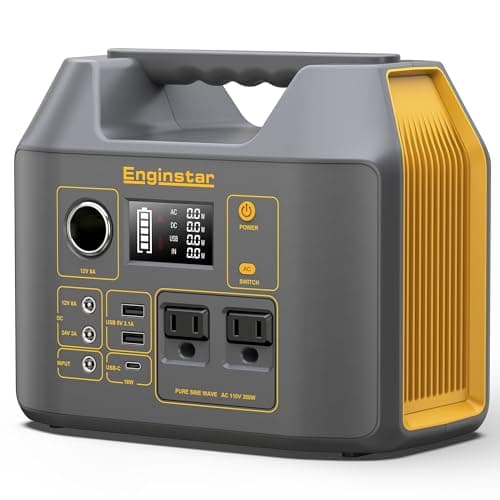
EnginStar Portable Power Station,300W
The EnginStar R300 is ideal for the outdoor enthusiast or preparedness-minded individual who values reliable, sustained power and long-term durability in a compact package. This buyer prioritizes a slightly higher capacity for extended adventures, whether camping, RVing, or during power outages. They might be running a CPAP machine overnight, keeping a mini-fridge cold, or charging multiple camera batteries and drones. The EnginStar's 296Wh capacity provides that crucial extra runtime over its competitor, and its explicit 1000+ cycle life offers peace of mind, knowing their investment will endure hundreds of recharges. They appreciate the flexibility of 3 DC ports and the robust 300W solar input for faster recharging when off-grid, even if the solar panel is a separate purchase. While its $111.1 price is marginally higher, they see this as a worthwhile premium for enhanced longevity and slightly greater power reserves for their essential electronics.

Buy SinKeu if...
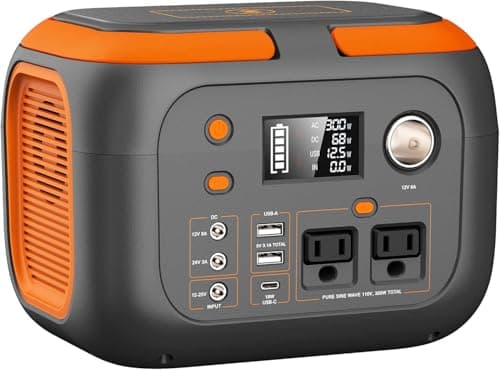
SinKeu 300W Portable Power
The SinKeu G300 caters to the budget-conscious user who needs a dependable, portable power solution for occasional use without breaking the bank. This buyer is likely a casual camper, a student, or someone seeking an affordable emergency backup for short outages. Their primary needs include charging laptops, smartphones, tablets, and perhaps running a small fan or LED light. With its $102.83 price point, the SinKeu offers excellent value for its 260Wh capacity and 300W pure sine wave AC output, making it capable of handling essential sensitive electronics. While it doesn't specify its cycle life, this buyer assumes typical Li-ion durability and isn't planning for heavy daily use that would quickly deplete battery cycles. They appreciate the convenience of multiple USB and DC ports, ensuring compatibility with most personal devices. They are willing to forgo a slightly larger capacity and explicit longevity metrics for the immediate cost savings, making it a perfect fit for lighter, less demanding power needs.
Spec Comparison
12 specs compared
| Specification |  |  |
|---|---|---|
| Price | $111 | $103 |
| Rating | 4.3(1.6k) | 4.3(1.5k) |
| Capacity Wh | 296W | 260W |
| Chemistry | Li-ion | Li-ion |
| AC Output Watts | 300W | 300W |
| Dc Ports | 3 | 2 |
| AC Outlets | 2 | 2 |
| Cycle Life | 1000 | — |
| Weight | 6.5 lbs | — |
| USB A Ports | 2 | 2 |
| USB C Ports | 1 | 1 |
| Model Number | R300 | G300 |
| Charge Time Hours | 7 hrs | — |
| Solar Input Watts | 300W | — |
Swipe horizontally to see all columns
Pros & Cons
Quick overview of strengths and weaknesses
EnginStar Portable Power
- Two pure sine wave AC outlets for stable power.
- Weighs 6.5 lbs, compact for easy transport.
- 296Wh capacity powers small electronics.
- Charges via AC, car, or solar panel input.
- Max 300W output limits larger appliances.
- AC recharge time is 7 hours.
- Solar input requires separate panel purchase.
- 296Wh capacity may be insufficient for long trips.
SinKeu 300W Portable
- 260Wh capacity for extended device use.
- Dual 110V AC outlets; 300W total output.
- Multiple port types: USB-A/C, DC, 12V, wireless.
- Pure Sine Wave AC output for sensitive devices.
- Maximum AC output is limited to 300W.
- Solar panel required for solar charging, sold separately.
- Needs monthly charge to maintain battery health.
Frequently Asked Questions
Common questions about this comparison
What is the capacity difference between the EnginStar R300 and SinKeu G300?
The EnginStar R300 has a 296Wh capacity, while the SinKeu G300 has 260Wh. The EnginStar offers 36Wh more usable power for devices.
Can either power station run a small coffee maker?
Both power stations have a maximum AC output of 300W. Most coffee makers exceed this wattage, so neither is suitable for running typical coffee makers.
How long does the EnginStar R300 take to recharge via AC?
The EnginStar R300 takes approximately 7 hours to fully recharge when connected to an AC wall outlet.
Do these power stations support sensitive electronics like CPAP machines?
Yes, both power stations feature pure sine wave AC outlets, which provide stable and clean power suitable for sensitive devices like CPAP machines.
Which product offers better long-term durability?
The EnginStar R300 explicitly states a 1000+ charge cycle life, indicating superior long-term durability compared to the SinKeu G300, which does not specify this metric.
What is the price difference between the two portable power stations?
The EnginStar R300 is priced at $111.1, while the SinKeu G300 is slightly more affordable at $102.83, making it a budget-friendly option.
Related Comparisons
Similar products people compare
SinKeu vs VTOMAN
$103 vs $140
ENOFLO vs SinKeu
$120 vs $103
Apowking vs SinKeu
$100 vs $103
EnginStar vs EnginStar
$130 vs $111
EnginStar vs EnginStar
$111 vs $130
EF ECOFLOW vs EnginStar
$147 vs $111
EF ECOFLOW vs SinKeu
$147 vs $103
GRECELL vs SinKeu
$100 vs $103
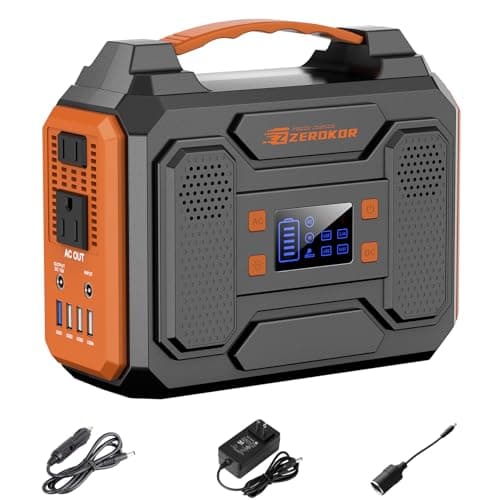
EnginStar vs ZeroKor
$111 vs $130
EnginStar vs Apowking
$111 vs $100
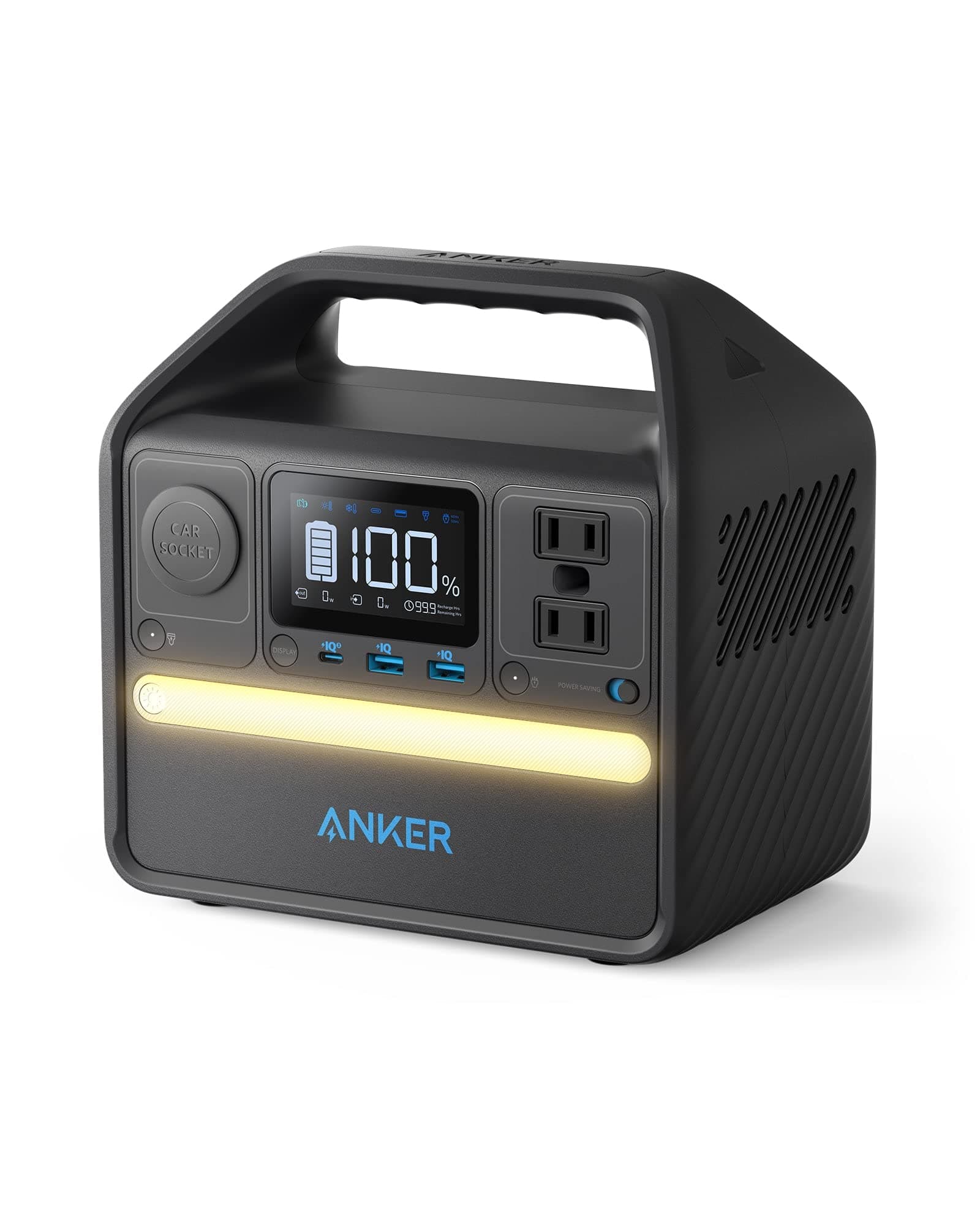
Anker vs SinKeu
$150 vs $103
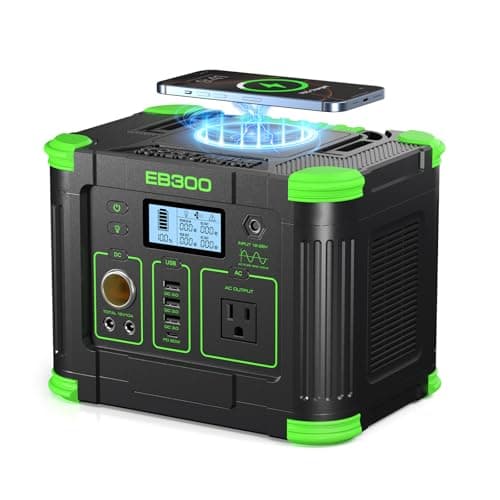
EnginStar vs GRECELL
$111 vs $116
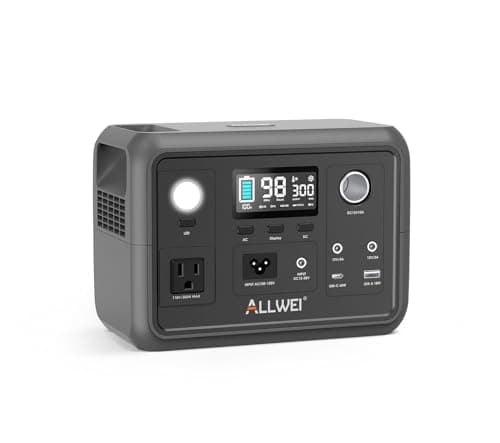
ALLWEI vs EnginStar
$129 vs $111
Anker vs EnginStar
$150 vs $111
EnginStar vs VTOMAN
$111 vs $140
Explore Other Categories
Popular comparisons across the site
Ask AI
Get instant answers about specs
Get the Deets
Ask our AI assistant
Ask Deets anything!