Our Verdict
Anker 521 Wins
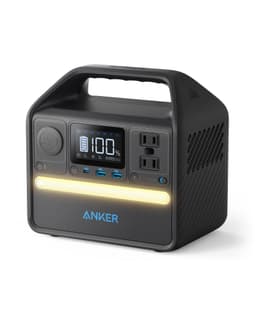
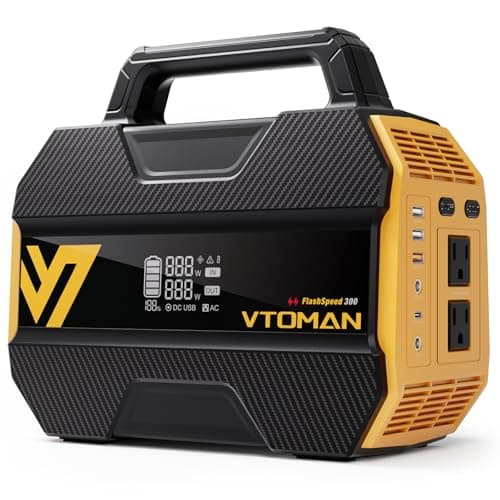
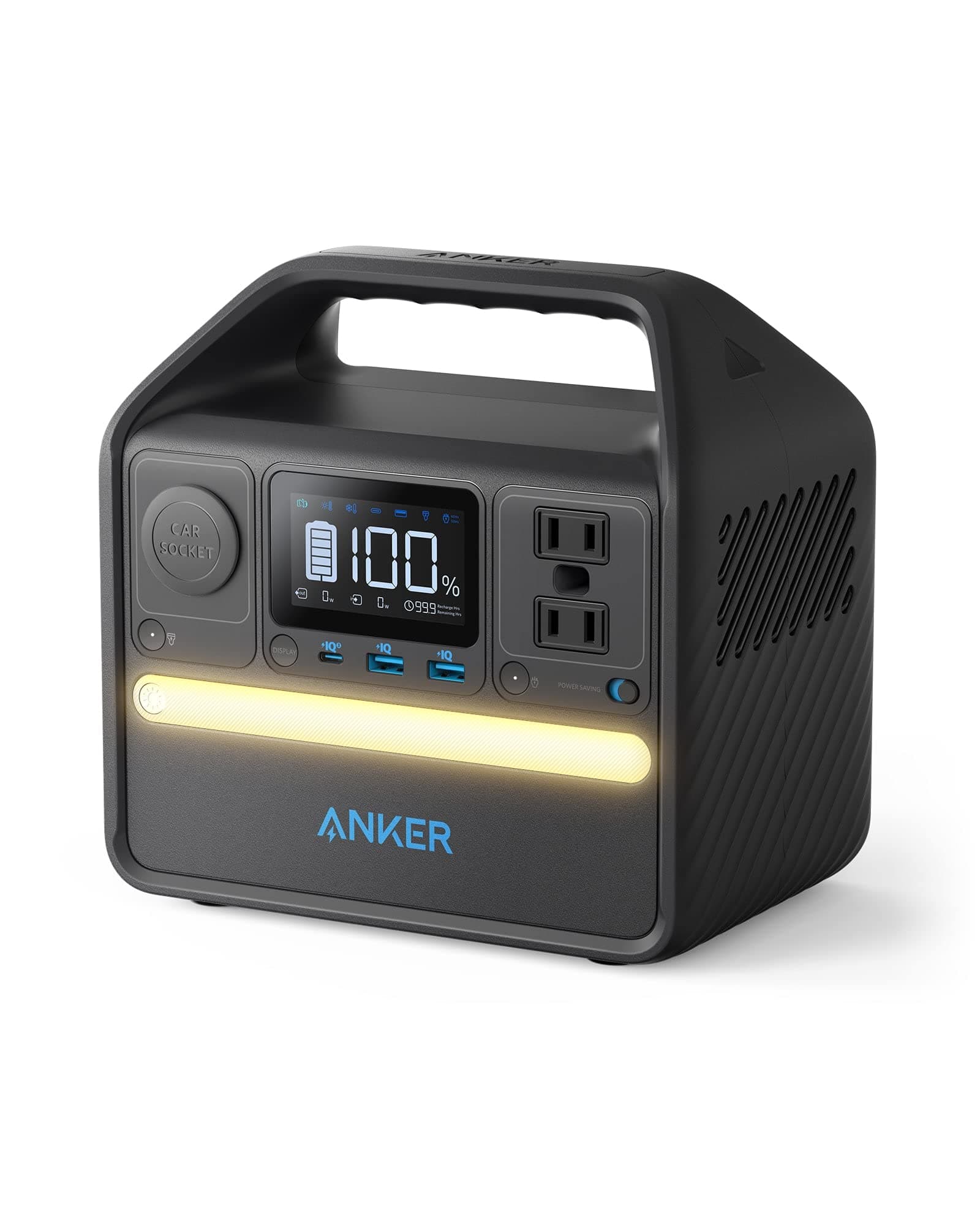
While both offer 300W AC output and LiFePO4 chemistry, the Anker 521 provides a slightly larger 256Wh capacity versus the VTOMAN's 230Wh, and a significant 600W peak output for handling appliance surges, despite being $10 more at $149.99. The VTOMAN FlashSpeed 300 is the better pick for users prioritizing portability and rapid USB-C charging, offering a lighter 7.4 lbs weight and 100W USB-C PD output for its $139.99 price.
Bottom Line: Anker 521 is the better choice. While both offer 300W AC output and LiFePO4 chemistry, the Anker 521 provides a slightly larger 256Wh capacity versus the VTOMAN's 230Wh, and a significant 600W peak output for handling appliance surges, despite being $10 more at $149.
In-Depth Analysis
How they compare in practice
When comparing the Anker 521 and VTOMAN FlashSpeed 300, the core differentiation lies in nuanced power delivery and portability tailored to specific user needs. Both units leverage durable LiFePO4 battery chemistry, promising extended lifespans (Anker touts a 10-year lifespan, VTOMAN guarantees 3000 cycles). They also share a common 300W continuous AC output, sufficient for most small appliances, but the Anker 521 distinguishes itself with a 600W peak output, crucial for devices like mini-fridges or blenders that require a brief surge during startup. The VTOMAN, while not explicitly stating a peak output, implies it's aligned with its continuous 300W, meaning it won't handle such surge demands.
Capacity-wise, the Anker 521 holds a modest advantage at 256Wh compared to the VTOMAN's 230Wh. This 26Wh difference translates to slightly longer runtimes for smaller electronics, giving the Anker an edge for extended light use. However, the VTOMAN shines in its USB-C Power Delivery capabilities. Its 100W USB-C PD port is a significant upgrade over Anker's 60W USB-C PD, offering much faster charging for modern laptops, drones, and even quicker recharging of the power station itself (VTOMAN charges fully in 2.5 hours). This makes the VTOMAN a more compelling choice for users heavily reliant on USB-C powered devices.
In terms of physical attributes and connectivity, the VTOMAN is noticeably lighter at 7.4 lbs compared to the Anker's 8.16 lbs, making it more portable for hiking or travel. Furthermore, the VTOMAN provides an additional USB-A port, totaling three, alongside its USB-C and DC ports, giving it seven simultaneous outputs compared to Anker's six. The price point also favors VTOMAN at $139.99, a $10 saving over the Anker 521's $149.99. Ultimately, the choice hinges on whether high-wattage peak output and marginal capacity are paramount (Anker) or if superior USB-C performance and enhanced portability on a tighter budget are preferred (VTOMAN).
Key Differences
The most significant spec differences at a glance
Battery Capacity
11% moreUSB-A Ports
33% lessWeight
10% moreAdvantages
Where each product wins

Anker
- Battery Capacity: 11% higher (256.0 vs 230.0)

VTOMAN
- USB-A Ports: 33% higher (2 vs 3)
- Weight: 10% lower (8.16 vs 7.4)
Which to Pick for Your Situation
Concrete scenarios with a clear recommendation
For rapid laptop charging on the go
VTOMANThe VTOMAN FlashSpeed 300 features a 100W USB-C PD port, significantly faster than Anker's 60W USB-C PD for charging modern laptops and other high-power USB-C devices.
For powering small appliances with startup surges
AnkerThe Anker 521 offers a 600W peak output, allowing it to handle the initial power surge of certain inductive appliances that a continuous 300W output might not support.
For extended runtime for small electronics during camping
AnkerWith a 256Wh capacity, the Anker 521 provides a slightly longer power reserve compared to the VTOMAN's 230Wh, extending usage for lower-draw devices.
For maximum portability and ease of carrying
VTOMANThe VTOMAN FlashSpeed 300 weighs 7.4 lbs, making it lighter and more convenient to transport than the Anker 521's 8.16 lbs.
Who Should Buy Which?
Find the right product for your needs
Buy Anker if...
Anker 521 Portable Power
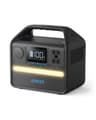
The Anker 521 Portable Power Station is ideal for users who prioritize a robust, long-lasting power supply with the added assurance of handling temporary power surges. This buyer might be planning extended camping trips, preparing for potential power outages, or occasionally needing to run small power tools or kitchen appliances like a mini-blender that have high startup wattage. The 256Wh capacity provides a solid foundation for keeping phones, tablets, and LED lights powered for longer durations, offering a slight edge over its competitor. The 600W peak output is a key differentiator, catering to the specific needs of appliances with induction motors or heating elements that briefly draw more than the continuous 300W. While its 60W USB-C PD port is capable, this buyer doesn't necessarily need the absolute fastest laptop charging. They appreciate the Anker's reputation for durability and its LiFePO4 battery's 10-year lifespan, accepting the $149.99 price point and slightly higher 8.16 lbs weight for these benefits, rather than prioritizing ultimate portability or fastest USB-C speeds.

Buy VTOMAN if...
VTOMAN FlashSpeed 300 Portable
The VTOMAN FlashSpeed 300 is perfectly suited for the tech-savvy, budget-conscious individual who values portability and rapid device charging above all else. This buyer is likely a digital nomad, a frequent traveler, or someone who often works remotely and needs to keep their modern laptop, tablet, or drone powered quickly. The standout 100W USB-C PD input/output is a game-changer for them, ensuring their devices are charged efficiently and the power station itself recharges rapidly in just 2.5 hours. They appreciate the lighter 7.4 lbs weight, which makes it easy to toss into a backpack for day trips, light camping, or emergency preparedness. While the 230Wh capacity is slightly less than the Anker, it's perfectly adequate for their typical device load. The $139.99 price point offers exceptional value, and the additional USB-A port provides extra flexibility for connecting multiple smaller gadgets. This user understands they might forgo a high peak output for surge-prone appliances, but that's a trade-off they're willing to make for superior USB-C performance and enhanced portability.
Spec Comparison
12 specs compared
| Specification |  | 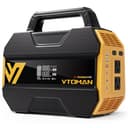 |
|---|---|---|
| Price | $150 | $140 |
| Rating | 4.4(3.0k) | 4.4(816) |
| Capacity Wh | 256W | 230W |
| Chemistry | LiFePO4 | LiFePO4 |
| AC Output Watts | 300W | 300W |
| Dc Ports | 1 | 1 |
| AC Outlets | 2 | 2 |
| Weight | 8.16 lbs | 7.4 lbs |
| USB A Ports | 2 | 3 |
| USB C Ports | 1 | 1 |
| Peak Output Watts | 600W | — |
| Cycle Life | — | 3000 |
| Model Number | — | PB-82 |
| Charge Time Hours | — | 2.5 hrs |
Swipe horizontally to see all columns
Pros & Cons
Quick overview of strengths and weaknesses
Anker Anker 521
- LiFePO4 battery provides 10-year lifespan
- Peak 600W output handles high-draw appliances
- 60W USB-C PD port recharges laptops quickly
- Six outputs: 2 AC, 1 USB-C PD, 2 USB-A, 1 DC
- 8.16 lbs unit weight impacts portability
- 256Wh capacity limits high-draw use cases
- Solar charging requires separate panel purchase
VTOMAN FlashSpeed 300
- LiFePO4 battery offers 3000 charge cycles
- 7.4 lbs unit weight ensures easy transport
- 100W USB-C PD input/output supports laptops
- 7 simultaneous outputs for multiple devices
- 300W AC output limits power for heavier loads
- 230Wh capacity offers limited runtime
- Only one 100W USB-C port
Frequently Asked Questions
Common questions about this comparison
What is the primary difference in battery capacity?
The Anker 521 has a capacity of 256Wh, while the VTOMAN FlashSpeed 300 has 230Wh. Anker offers slightly more power reserve for extended use.
Which power station charges laptops faster via USB-C?
The VTOMAN FlashSpeed 300 is superior for laptop charging with its 100W USB-C PD output, compared to the Anker 521's 60W USB-C PD output.
Can either unit handle appliances that require a temporary power surge?
Yes, the Anker 521 is better equipped with a 600W peak output, whereas the VTOMAN's output is rated at 300W without a specified higher peak.
How do the weights of these power stations compare?
The VTOMAN FlashSpeed 300 is lighter at 7.4 lbs, making it more portable than the Anker 521, which weighs 8.16 lbs.
What battery chemistry do these portable power stations use?
Both the Anker 521 and VTOMAN FlashSpeed 300 utilize LiFePO4 battery chemistry, known for its long lifespan and safety features.
Related Comparisons
Similar products people compare
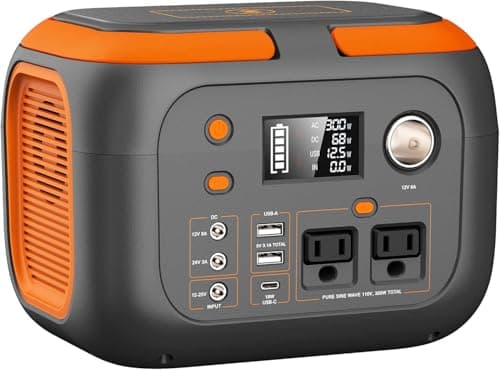
SinKeu vs VTOMAN
$103 vs $140
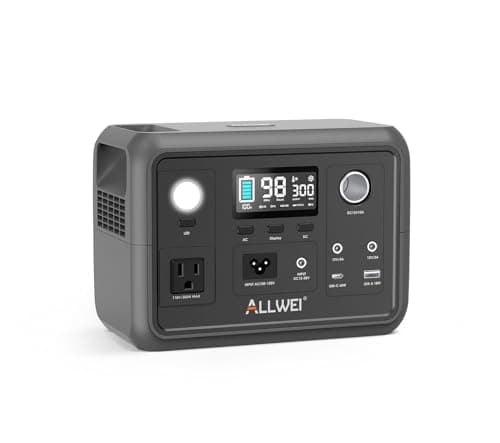
ALLWEI vs VTOMAN
$129 vs $140
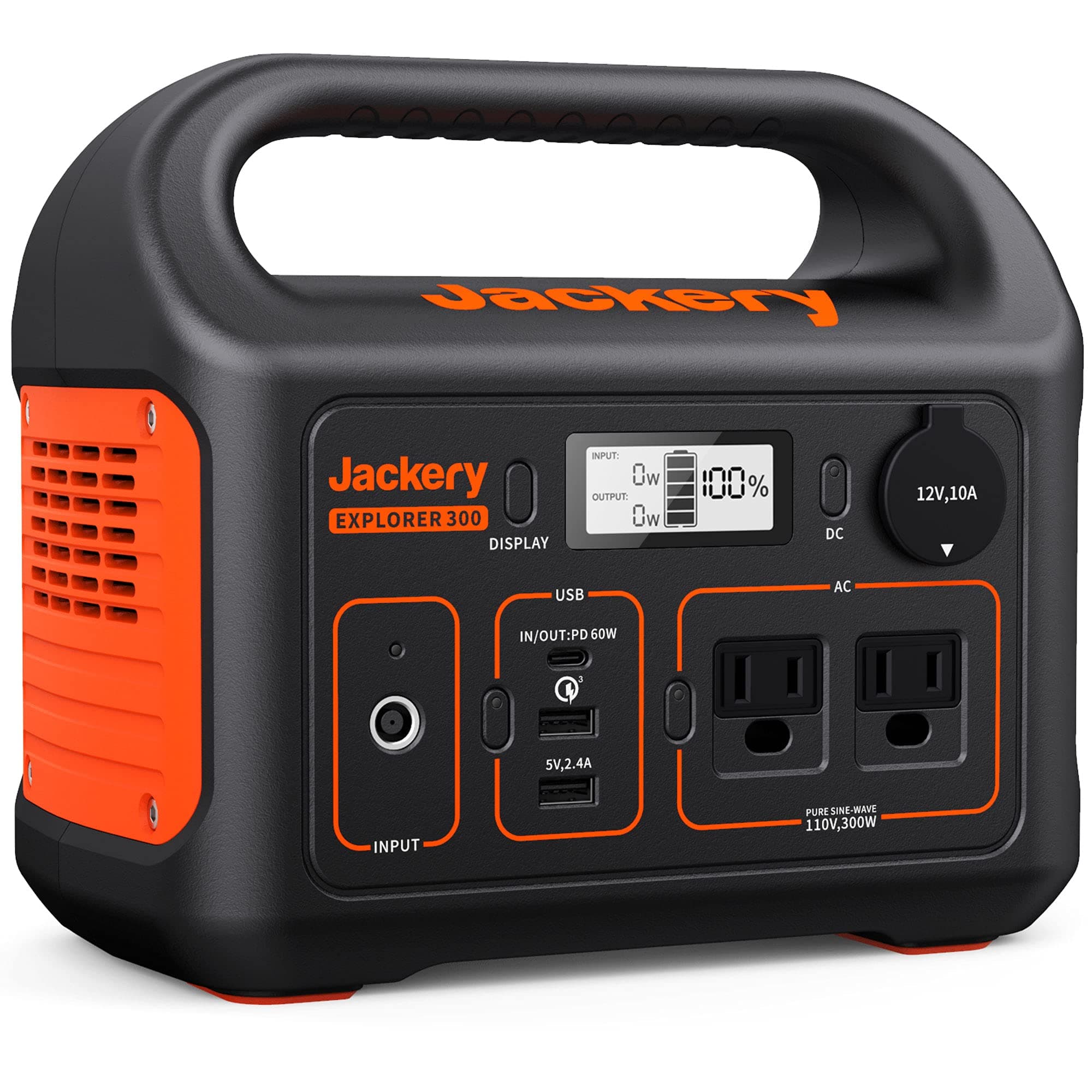
Anker vs Jackery
$150 vs $229
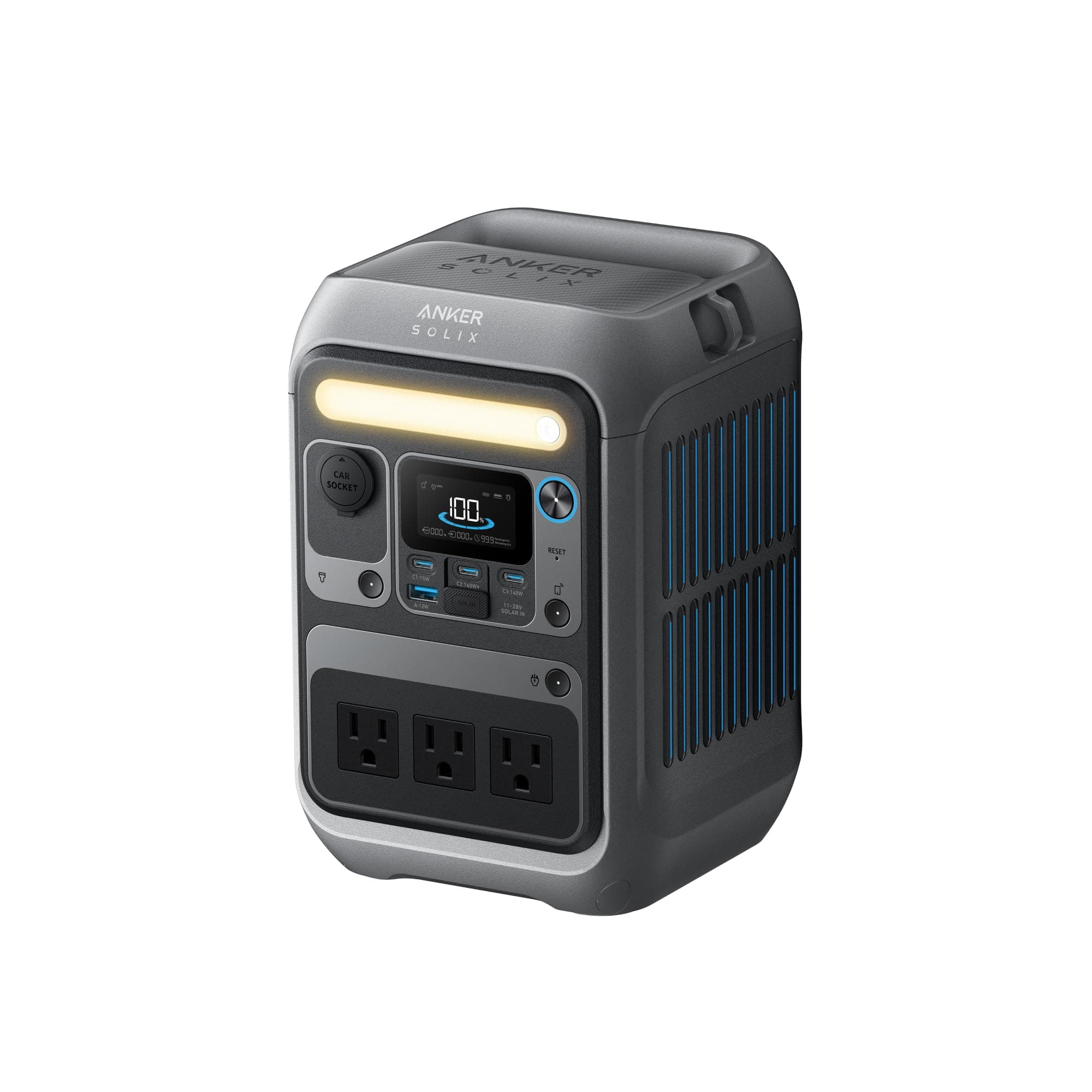
Anker vs VTOMAN
$250 vs $140
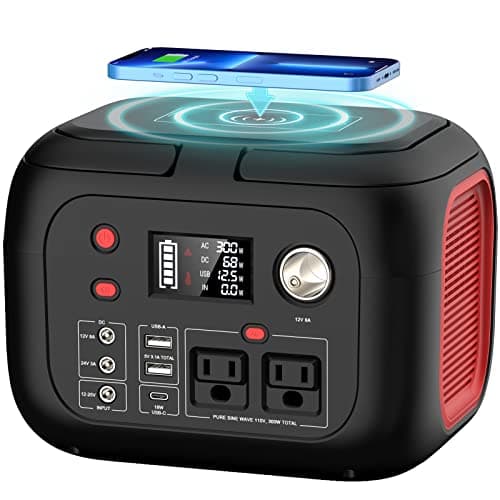
ENOFLO vs VTOMAN
$120 vs $140
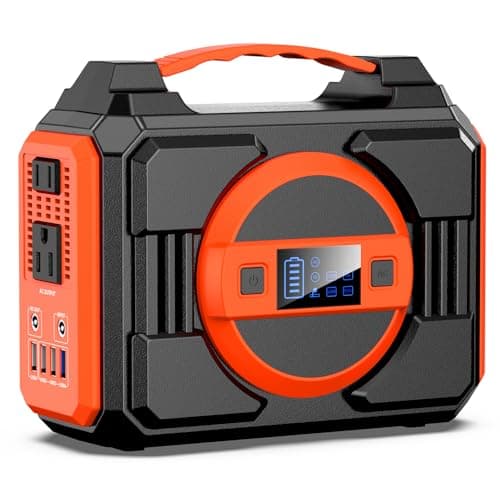
Apowking vs VTOMAN
$100 vs $140
Anker vs Apowking
$150 vs $100
ALLWEI vs Anker
$129 vs $150
EnginStar vs VTOMAN
$130 vs $140
Jackery vs VTOMAN
$229 vs $140
Anker vs VTOMAN
$150 vs $240
EF ECOFLOW vs VTOMAN
$147 vs $140
Anker vs EF ECOFLOW
$150 vs $147
Anker vs GRECELL
$150 vs $190
Tenergy vs VTOMAN
$180 vs $140
Explore Other Categories
Popular comparisons across the site




Ask AI
Get instant answers about specs
Get the Deets
Ask our AI assistant
Ask Deets anything!