Our Verdict
Anker 521 Portable Power Station Wins
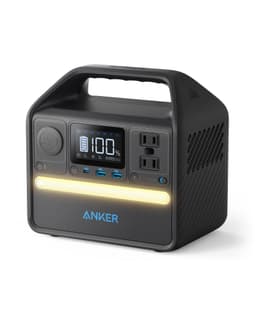
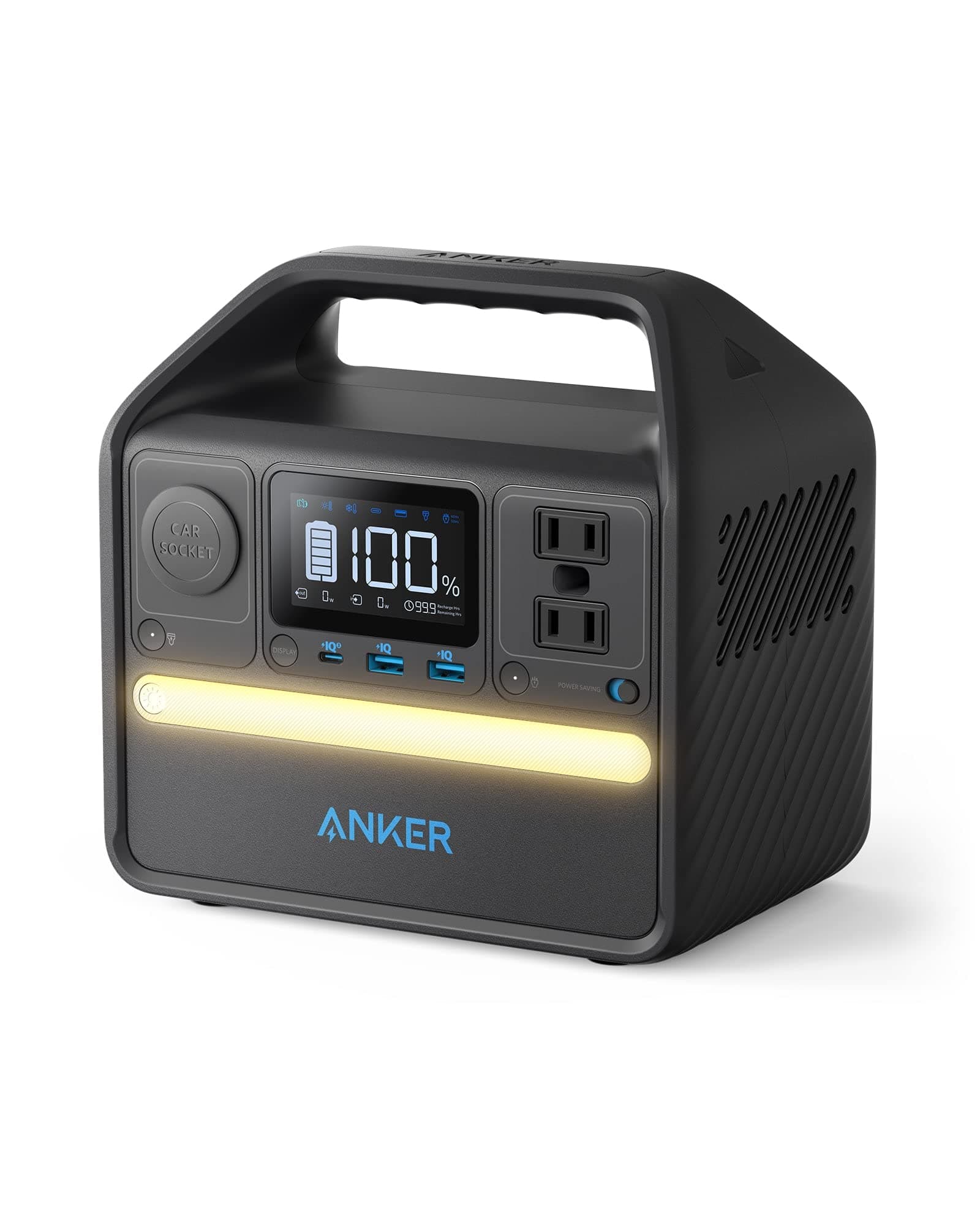
Anker offers a superior LiFePO4 battery chemistry, promising a 10-year lifespan, significantly outlasting Apowking's Li-ion with its typical 1000-cycle life. It also provides a higher 256Wh capacity versus 220Wh for more power reserve, and a robust 60W USB-C PD output, crucial for modern laptops. Despite being $50 more at $149.99, its longevity and advanced features justify the premium. The Apowking Portable Power Station is the better pick for budget-conscious users prioritizing extreme portability, weighing just 5 lbs, and needing basic power for smaller devices, accepting its shorter lifespan and lack of fast USB-C PD.
Bottom Line: Anker 521 Portable Power Station is the better choice. Anker offers a superior LiFePO4 battery chemistry, promising a 10-year lifespan, significantly outlasting Apowking's Li-ion with its typical 1000-cycle life.
In-Depth Analysis
How they compare in practice
The fundamental difference between these two portable power stations lies in their battery chemistry and, consequently, their longevity and overall value. The Anker 521 utilizes a LiFePO4 battery, a significant advantage that boasts a a 10-year lifespan, translating to thousands of charge cycles. This directly contrasts with the Apowking's standard Li-ion chemistry, which typically offers around 500-1000 cycles, as indicated by its 1000-cycle life spec. In real-world terms, the Anker unit is built to last significantly longer, making it a more durable investment over time, especially for frequent users. While Anker also provides a slightly higher 256Wh capacity compared to Apowking's 220Wh, offering a bit more juice for devices, both units share a common 300W AC output (600W peak), suitable for most small appliances but not heavy-duty tools.
Portability is another key differentiator. The Apowking unit, at a mere 5.0 lbs, is considerably lighter than the Anker 521, which weighs 8.16 lbs. This makes the Apowking a more appealing choice for hikers, backpackers, or anyone needing to minimize carry weight. However, the Anker compensates for its extra weight with superior charging versatility, featuring a dedicated 60W USB-C PD output. This is a crucial feature for rapidly recharging modern laptops, tablets, and smartphones, a capability not explicitly highlighted or matched by Apowking's 4 USB-A ports. Apowking does mention "Pure Sine Wave AC output," a standard feature in quality power stations, but its "AC output verification displays momentary warning" could be a minor user concern.
Considering their price points, the Anker 521 at $149.99 presents a stronger long-term value due to its robust LiFePO4 battery and advanced USB-C PD charging. It's designed for users who prioritize durability and modern device compatibility. In contrast, the Apowking, priced at an attractive $99.99, focuses on affordability and maximum portability. While it offers more USB-A ports (4 vs 2 on Anker), its overall battery lifespan and lack of fast USB-C PD make it a more suitable option for intermittent, light-duty use where budget and weight are paramount. The choice ultimately boils down to investment in longevity and advanced charging versus immediate cost savings and feather-light transport.
Key Differences
The most significant spec differences at a glance
Battery Capacity
16% moreUSB-A Ports
50% lessWeight
63% moreAdvantages
Where each product wins

Anker
- Battery Capacity: 16% higher (256.0 vs 220.0)

Apowking
- USB-A Ports: 50% higher (2 vs 4)
- Weight: 63% lower (8.16 vs 5.0)
Which to Pick for Your Situation
Concrete scenarios with a clear recommendation
For frequent outdoor adventurers and backpackers
ApowkingThe Apowking's 5.0 lbs weight is significantly lighter than the Anker's 8.16 lbs, making it much easier to carry on extended trips.
For users needing to power laptops and modern smart devices quickly
AnkerThe Anker 521 features a 60W USB-C PD port, essential for fast charging compatible laptops and modern high-draw devices, which the Apowking lacks.
For long-term home backup power and durability
AnkerThe Anker's LiFePO4 battery chemistry offers a 10-year lifespan, providing significantly greater durability and more charge cycles than Apowking's Li-ion battery.
For budget-conscious buyers seeking basic emergency power
ApowkingPriced at $99.99, the Apowking offers an affordable solution for essential device charging during outages without a significant upfront investment.
Who Should Buy Which?
Find the right product for your needs
Buy Anker if...
Anker 521 Portable Power
The Anker 521 Portable Power Station is ideally suited for individuals or families who view a power station as a long-term investment for reliable emergency backup and advanced portable charging. This buyer prioritizes durability, modern connectivity, and peace of mind over the lowest upfront cost. They might use it regularly for camping trips, tailgating events, or as a critical component of their home emergency kit, expecting it to function flawlessly for many years without significant degradation. The Anker 521's LiFePO4 battery chemistry, which promises an exceptional 10-year lifespan, is a major draw, providing confidence that their investment will endure thousands of charge cycles. Furthermore, users with modern laptops, tablets, or smartphones will greatly benefit from the dedicated 60W USB-C PD port, allowing for rapid and efficient charging of their most critical devices on the go, a feature often missing in budget units. While it's slightly heavier at 8.16 lbs compared to lighter alternatives, this buyer accepts the minor increase in weight for the superior battery technology and robust feature set. They are not necessarily constrained by the tightest budget and appreciate the added capacity of 256Wh for slightly longer run times and more flexible use cases. They understand they are giving up the extreme lightweight portability of some cheaper Li-ion options but gain significant longevity and superior charging efficiency for their most vital electronics.

Buy Apowking if...
Portable Power Station 300W,
The Apowking Portable Power Station is perfect for the budget-conscious consumer who needs a lightweight, no-frills power source for occasional use. This buyer's priorities are affordability and extreme portability, making it ideal for casual campers, day-trippers, or those seeking a basic backup for small electronics during short power outages. With a price point of $99.99, it offers excellent value for essential device charging without a significant financial commitment. Its standout feature for this user is its remarkably low weight of just 5.0 lbs, making it incredibly easy to carry in a backpack, suitcase, or even by hand for quick excursions. While its 220Wh capacity is modest, it's perfectly adequate for keeping smartphones, tablets, and small lights powered for a reasonable duration. The abundance of 4 USB-A ports is also convenient for charging multiple smaller gadgets simultaneously. This buyer might not own a USB-C PD-enabled laptop or prioritize rapid charging of high-draw devices. They are comfortable with a standard Li-ion battery, understanding that its 1000-cycle life will meet their intermittent needs for several years. They are giving up the long-term durability and advanced charging capabilities of LiFePO4 batteries, but gain an extremely portable and economical power solution.
Spec Comparison
11 specs compared
| Specification |  |  |
|---|---|---|
| Price | $150 | $100 |
| Rating | 4.4(3.0k) | 4.1(590) |
| Capacity Wh | 256W | 220W |
| Chemistry | LiFePO4 | Li-ion |
| AC Output Watts | 300W | 300W |
| Dc Ports | 1 | 1 |
| AC Outlets | 2 | 2 |
| Weight | 8.16 lbs | 5 lbs |
| USB A Ports | 2 | 4 |
| USB C Ports | 1 | — |
| Peak Output Watts | 600W | 600W |
| Cycle Life | — | 1000 |
| Model Number | — | HP200L |
Swipe horizontally to see all columns
Pros & Cons
Quick overview of strengths and weaknesses
Anker Anker 521
- LiFePO4 battery provides 10-year lifespan
- Peak 600W output handles high-draw appliances
- 60W USB-C PD port recharges laptops quickly
- Six outputs: 2 AC, 1 USB-C PD, 2 USB-A, 1 DC
- 8.16 lbs unit weight impacts portability
- 256Wh capacity limits high-draw use cases
- Solar charging requires separate panel purchase
Apowking Portable Power
- 5 lbs weight for easy transport
- 220Wh capacity powers essential devices
- 7 output ports for simultaneous charging
- Pure Sine Wave AC output protects sensitive electronics
- 300W AC output limits high-power appliance use
- 220Wh capacity may be low for extended backup
- AC output verification displays momentary warning
Frequently Asked Questions
Common questions about this comparison
What is the primary advantage of the Anker 521's battery?
The Anker 521 uses a LiFePO4 battery, which provides a significantly longer lifespan of 10 years compared to standard Li-ion batteries, making it more durable and cost-effective over time.
Which power station is lighter for portability?
The Apowking Portable Power Station is lighter at 5.0 lbs, making it more portable for hiking or travel compared to the Anker 521 which weighs 8.16 lbs.
Can these power stations charge a laptop rapidly?
The Anker 521 can rapidly charge laptops via its 60W USB-C PD output. The Apowking unit, while having USB-A ports, does not specify a similar high-speed USB-C PD capability for laptops.
What is the capacity difference between the two units?
The Anker 521 has a capacity of 256Wh, offering slightly more power reserve than the Apowking's 220Wh. Both are suitable for essential devices but not high-wattage appliances for extended periods.
Are both power stations capable of solar charging?
Yes, both products support solar input, allowing for off-grid recharging. However, solar panels are optional and must be purchased separately for both units.
Which product offers better long-term value?
The Anker 521 offers better long-term value due to its LiFePO4 battery with a 10-year lifespan, despite its higher $149.99 price point. The Apowking ($99.99) is more budget-friendly initially.
Related Comparisons
Similar products people compare
Anker vs Jackery
$150 vs $229
Apowking vs SinKeu
$100 vs $103
Anker vs VTOMAN
$150 vs $140
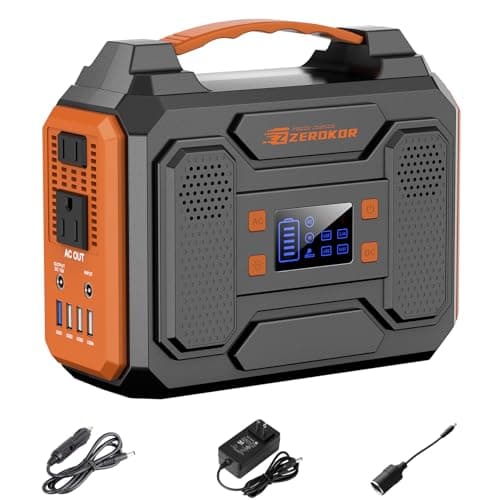
ZeroKor vs Apowking
$130 vs $100
Apowking vs VTOMAN
$100 vs $140
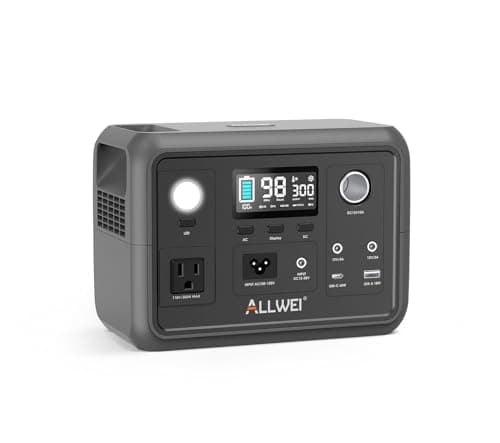
ALLWEI vs Anker
$129 vs $150
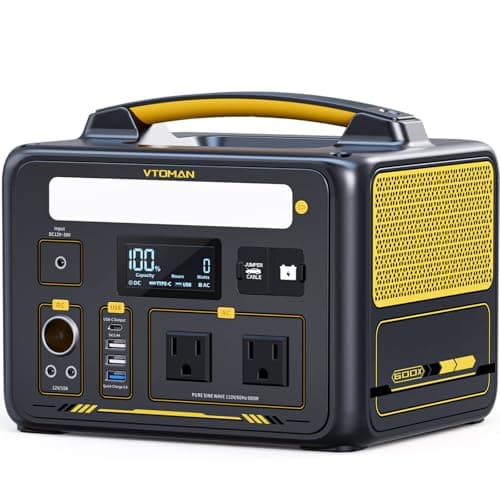
Anker vs VTOMAN
$150 vs $240
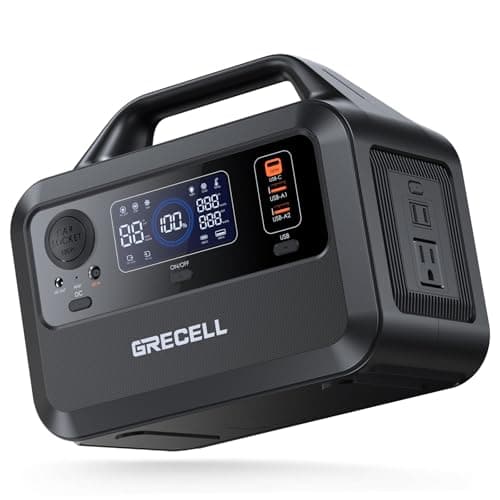
GRECELL vs Apowking
$100 vs $100
Anker vs EF ECOFLOW
$150 vs $147
Anker vs GRECELL
$150 vs $190
EnginStar vs Apowking
$111 vs $100
Apowking vs Tenergy
$100 vs $180
GRECELL vs Apowking
$190 vs $100
Anker vs ZeroKor
$150 vs $130
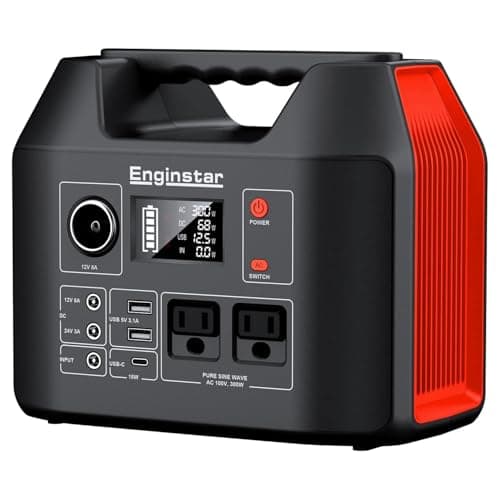
Anker vs EnginStar
$150 vs $130
Explore Other Categories
Popular comparisons across the site

Ask AI
Get instant answers about specs
Get the Deets
Ask our AI assistant
Ask Deets anything!