Our Verdict
It's a Tie
While the Anker 521 PowerHouse offers the practical advantage of two AC outlets for $149.99, the ALLWEI PPS300-4 counters with a faster 2.5-hour recharge time via dual input and three DC ports at a more budget-friendly $129. Both portable power stations deliver an identical 256Wh capacity and 300W AC output from their durable LiFePO4 batteries, making them equally capable in core power delivery. The better pick depends on whether dual AC connectivity or faster charging and more DC options are paramount.
Bottom Line: Both products are excellent choices. While the Anker 521 PowerHouse offers the practical advantage of two AC outlets for $149.
In-Depth Analysis
How they compare in practice
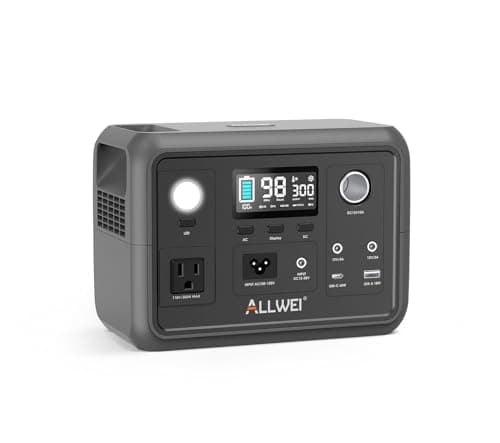
In the highly competitive portable power station market, the ALLWEI PPS300-4 and Anker 521 PowerHouse emerge as near-identical contenders, sharing critical specifications that define their core functionality. Both units utilize a long-lasting 256Wh LiFePO4 battery chemistry, promising superior cycle life (ALLWEI specifies 3000 cycles, Anker claims a 10-year lifespan) compared to traditional lithium-ion batteries. Their AC output is consistently rated at 300W, with a peak output of 600W, allowing them to power a similar range of small appliances and electronics like laptops, fans, or mini-fridges. This means for most users seeking basic portable power, their fundamental performance will feel strikingly similar.
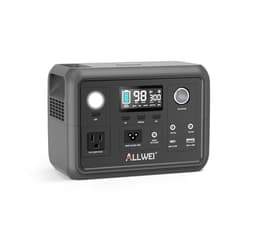
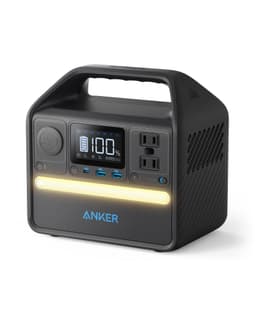
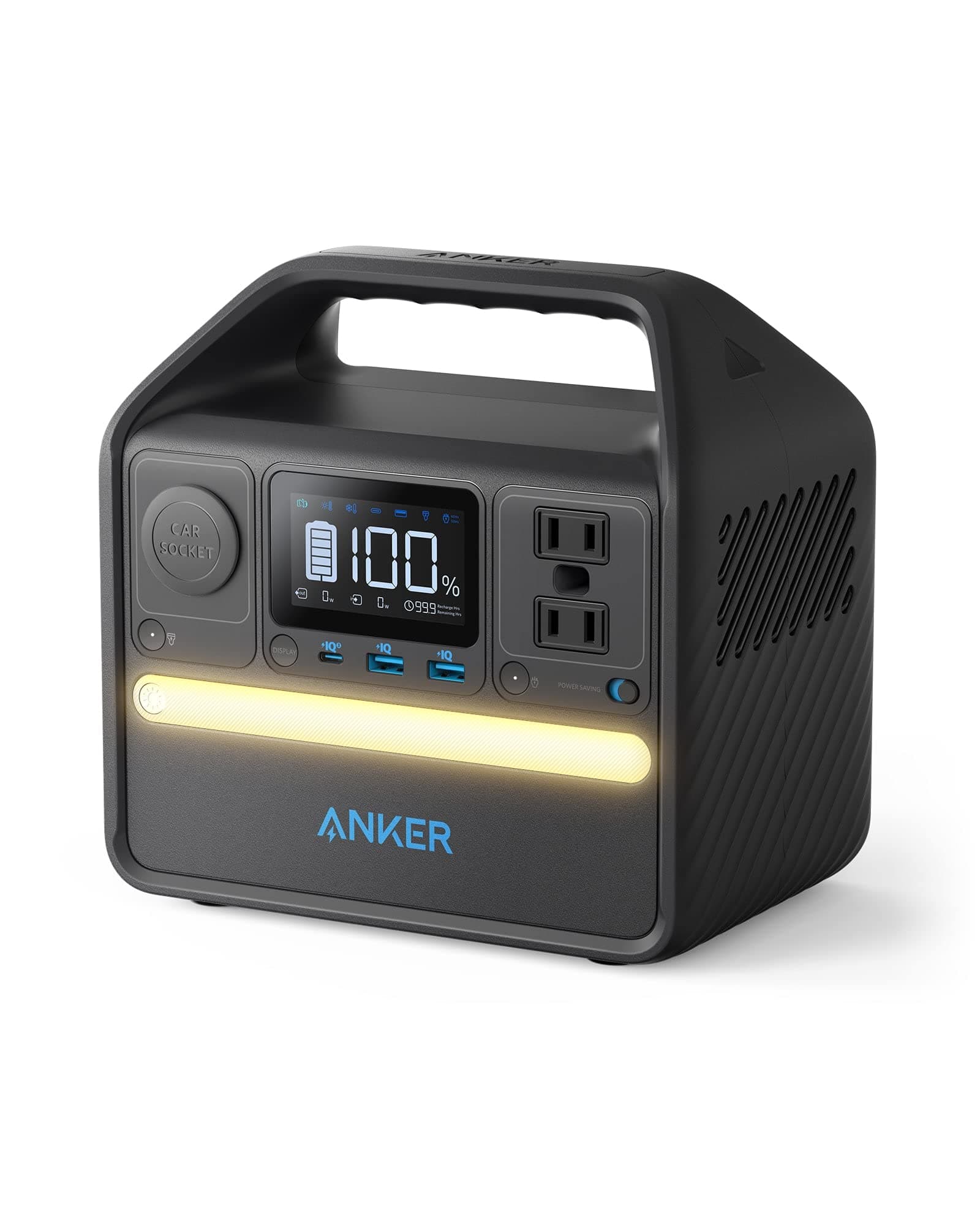
However, the real-world utility diverges when examining their port configurations and charging capabilities. The Anker 521 provides two AC outlets, a significant advantage for users who frequently need to power two standard wall-plug devices simultaneously, such as a laptop and an external monitor, or two camping lights. This dual AC capability enhances its versatility for small remote work setups or shared outdoor adventures. In contrast, the ALLWEI PPS300-4 features only one AC outlet, which can be restrictive for multi-device use, but it compensates with three DC ports compared to Anker’s single DC port. This makes the ALLWEI a more appealing choice for those who frequently use 12V car accessories or multiple small DC-powered devices.
Another compelling differentiator for the ALLWEI is its charging speed. It boasts a rapid 2.5-hour recharge time when utilizing both AC and solar input simultaneously, or 4 hours via AC alone. Anker does not specify its recharge time, but similar units typically take 4-5 hours for a full AC charge, making ALLWEI’s dual-input charging a distinct advantage for users needing quick turnaround times. Pricewise, the ALLWEI also holds a slight edge at $129, undercutting the Anker 521’s $149.99 price tag. While both are excellent value propositions for their LiFePO4 technology, the Anker’s higher cost for an additional AC outlet is a trade-off against the ALLWEI’s faster charging and lower price point.
Key Differences
The most significant spec differences at a glance
AC Outlets
50% lessDc Ports
200% moreUSB-A Ports
50% lessAdvantages
Where each product wins

ALLWEI
- Dc Ports: 200% higher (3 vs 1)

Anker
- AC Outlets: 50% higher (1 vs 2)
- USB-A Ports: 50% higher (1 vs 2)
Which to Pick for Your Situation
Concrete scenarios with a clear recommendation
Powering multiple AC devices simultaneously
AnkerThe Anker 521 offers two AC outlets, allowing you to power two standard appliances at once, unlike the ALLWEI's single AC outlet.
Budget-conscious camping or emergency backup
ALLWEIThe ALLWEI PPS300-4 is priced lower at $129 while offering comparable core power delivery and LiFePO4 durability.
Quick recharges between uses
ALLWEIALLWEI boasts a 2.5-hour recharge time via dual AC+solar input, significantly faster than typical single-input charging speeds.
Charging multiple 12V DC devices
ALLWEIThe ALLWEI provides three DC ports, offering more flexibility for various 12V accessories compared to Anker's single DC port.
Who Should Buy Which?
Find the right product for your needs

Buy ALLWEI if...
ALLWEI Portable Power Station
The ALLWEI Portable Power Station 300W is an excellent choice for the pragmatic, budget-conscious individual who prioritizes rapid charging and versatile DC power options without needing multiple AC outlets. This buyer might be an avid camper or a road trip enthusiast who frequently uses 12V car-style chargers for portable air compressors, mini-fans, or older lanterns, making its three DC ports highly beneficial. They value efficiency, often needing to top up their power station quickly during short breaks or with limited daylight for solar charging; the 2.5-hour dual-input recharge time is a significant draw. With a price point of $129, this buyer wants reliable backup power for essential devices during power outages or outdoor adventures, appreciating the extended longevity of the 3000-cycle LiFePO4 battery. They are content with one AC outlet, understanding that their primary use cases involve smaller, often USB or DC-powered gadgets, and they're not looking to power a multi-appliance setup simultaneously. This buyer is keen on getting excellent value and core performance for their dollar, foregoing the marginal benefit of an additional AC port found in more expensive alternatives.
Buy Anker if...
Anker 521 Portable Power
The Anker 521 Portable Power Station is ideal for the user who values convenience and brand reliability, particularly those needing to power two standard wall-plugged devices simultaneously. This buyer might be a remote worker who occasionally takes their setup outdoors or someone planning camping trips where powering a laptop and a fan, or charging two camera batteries at once, is a frequent requirement. The inclusion of two AC outlets on the Anker 521 offers a practical advantage for these scenarios, making it more versatile for small multi-appliance setups. They appreciate the reputation of Anker for quality and reliability, and are willing to pay a slightly higher price point of $149.99 for that assurance and the improved port configuration. This individual benefits from the 60W USB-C PD output for fast laptop and smartphone charging, alongside the two USB-A ports for general device compatibility. While they don't get the ALLWEI's faster dual-input charging or multiple DC ports, their priorities lie in accessible AC power and a trusted brand, making the Anker 521 a robust and convenient choice for their daily and occasional outdoor power needs.
Spec Comparison
14 specs compared
| Specification |  | 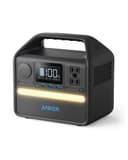 |
|---|---|---|
| Price | $129 | $150 |
| Rating | 4.4(2.3k) | 4.4(3.0k) |
| Capacity Wh | 256W | 256W |
| Chemistry | LiFePO4 | LiFePO4 |
| AC Output Watts | 300W | 300W |
| Dc Ports | 3 | 1 |
| AC Outlets | 1 | 2 |
| Cycle Life | 3000 | — |
| Expandable | No | — |
| USB A Ports | 1 | 2 |
| USB C Ports | 1 | 1 |
| Model Number | PPS300-4 | — |
| Charge Time Hours | 4 hrs | — |
| Peak Output Watts | 600W | 600W |
| Solar Input Watts | 100W | — |
| Weight | — | 8.16 lbs |
Swipe horizontally to see all columns
Pros & Cons
Quick overview of strengths and weaknesses
ALLWEI Portable Power
- 3000 LiFePO4 cycles for extended battery longevity
- 6 output ports charge multiple devices simultaneously
- 60W USB-C PD port for rapid device charging
- Pure sine wave AC output protects sensitive electronics
- 256Wh capacity is limited for long-duration use
- Single AC outlet limits appliance connectivity
- Solar panel not included, adds to total cost
- 300W AC output insufficient for high-power tools
Anker Anker 521
- LiFePO4 battery provides 10-year lifespan
- Peak 600W output handles high-draw appliances
- 60W USB-C PD port recharges laptops quickly
- Six outputs: 2 AC, 1 USB-C PD, 2 USB-A, 1 DC
- 8.16 lbs unit weight impacts portability
- 256Wh capacity limits high-draw use cases
- Solar charging requires separate panel purchase
Frequently Asked Questions
Common questions about this comparison
What kind of battery do these power stations use?
Both the ALLWEI PPS300-4 and Anker 521 PowerHouse feature advanced LiFePO4 battery chemistry. This type of battery is known for its extended lifespan, with ALLWEI claiming 3000 cycles and Anker promising a 10-year lifespan.
Can these power stations run a standard refrigerator?
No, both units have a maximum AC output of 300W (600W peak). A standard refrigerator typically requires 600-800W running power, which is beyond their sustained output capacity.
How many AC outlets does each power station offer?
The Anker 521 PowerHouse is equipped with two AC outlets, providing greater flexibility for powering multiple standard wall-plug devices. The ALLWEI PPS300-4 features a single AC outlet.
Are solar panels included with either portable power station?
Neither the ALLWEI PPS300-4 nor the Anker 521 PowerHouse include solar panels. They are sold separately as optional accessories for solar recharging.
What is the battery capacity of these power stations?
Both the ALLWEI and Anker models offer an identical capacity of 256Wh. This is suitable for charging phones many times, running a laptop for several hours, or powering small lights for an evening.
Related Comparisons
Similar products people compare
ALLWEI vs VTOMAN
$129 vs $140
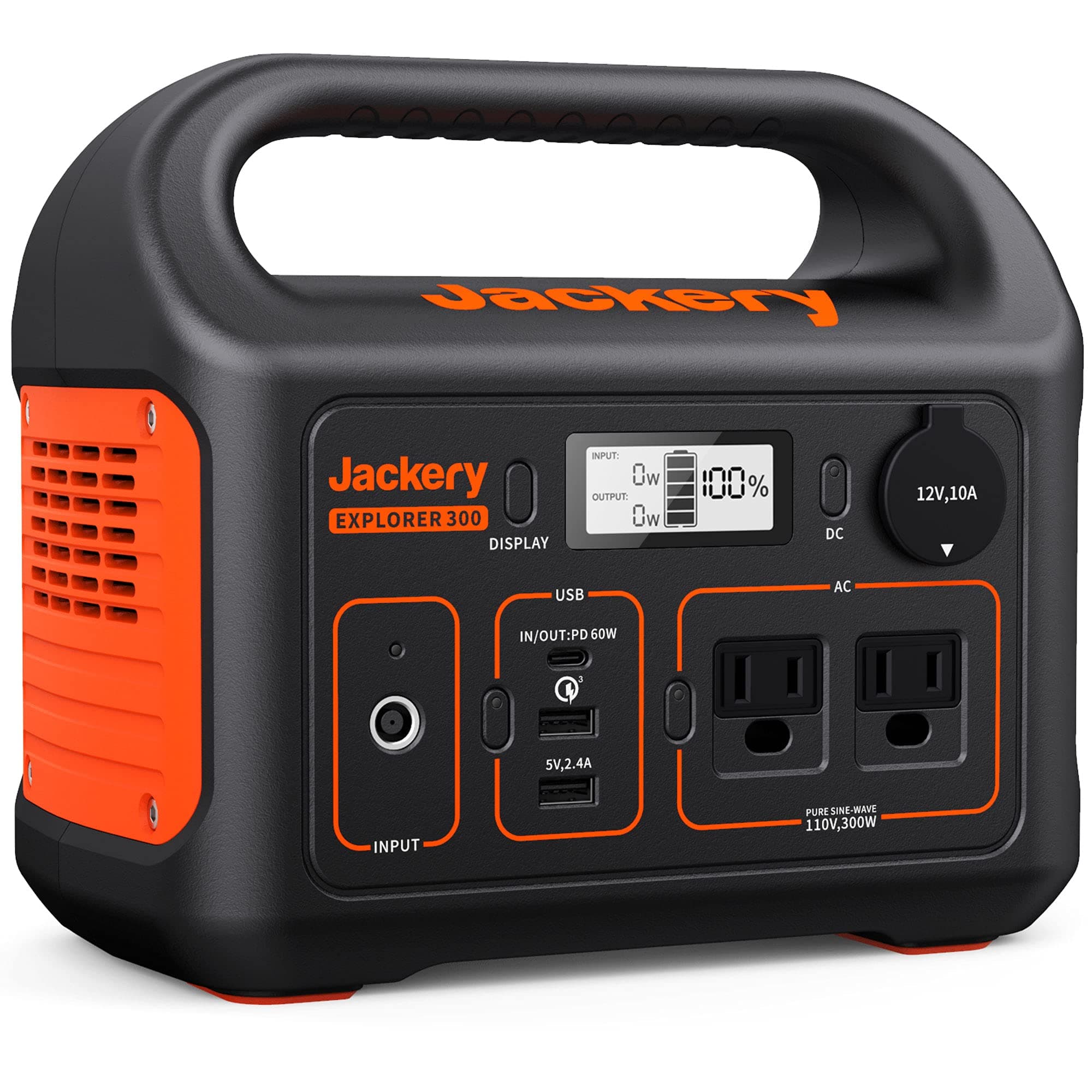
Anker vs Jackery
$150 vs $229
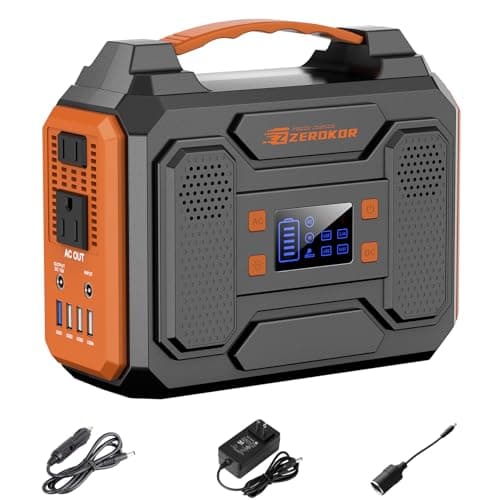
ALLWEI vs ZeroKor
$129 vs $130
ALLWEI vs Jackery
$129 vs $229
Anker vs VTOMAN
$150 vs $140
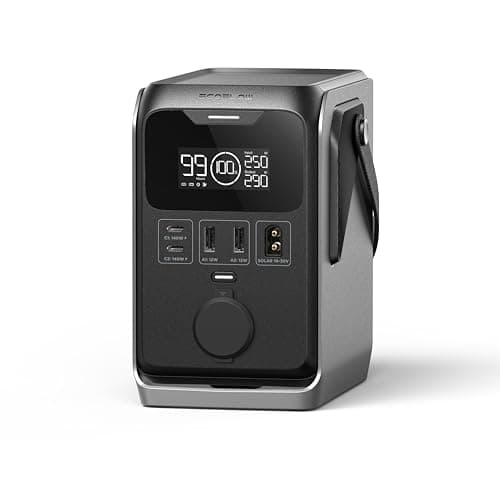
ALLWEI vs EF ECOFLOW
$129 vs $147
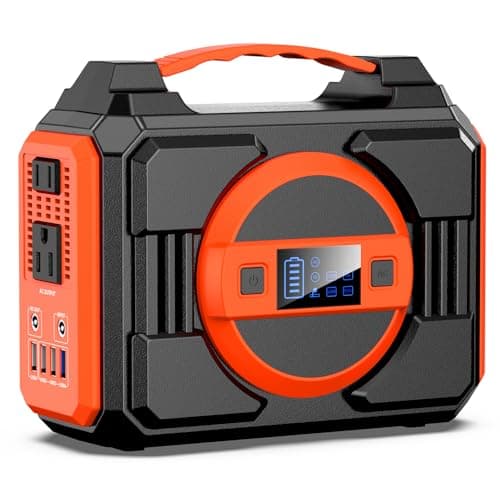
Anker vs Apowking
$150 vs $100
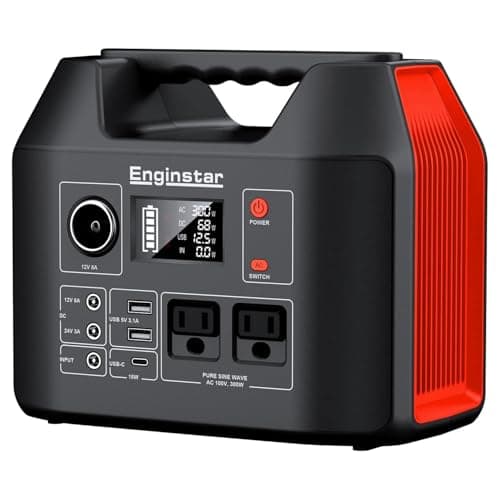
ALLWEI vs EnginStar
$129 vs $130
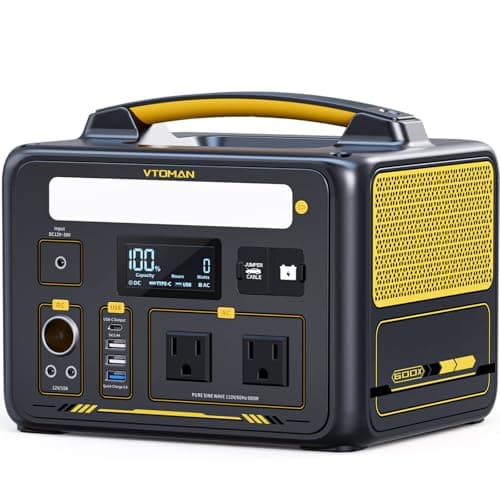
Anker vs VTOMAN
$150 vs $240
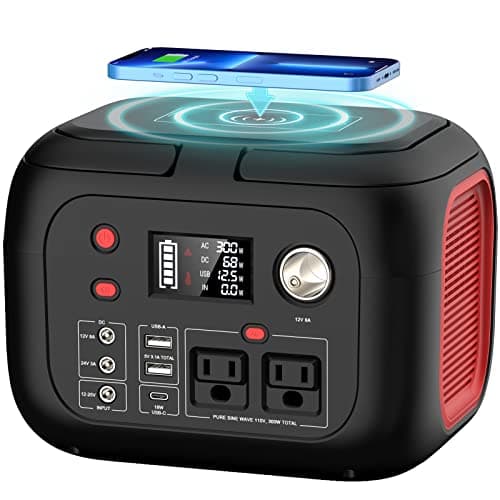
ALLWEI vs ENOFLO
$129 vs $120
Anker vs EF ECOFLOW
$150 vs $147
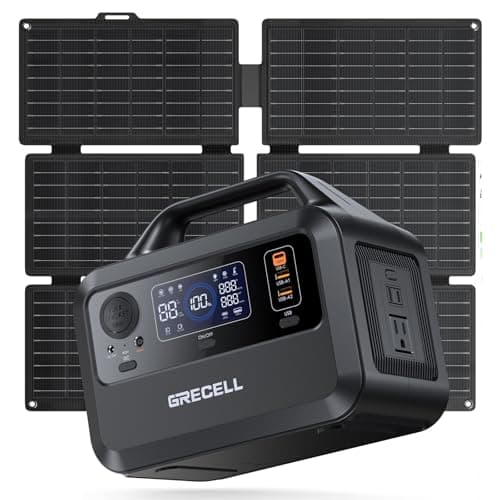
Anker vs GRECELL
$150 vs $190
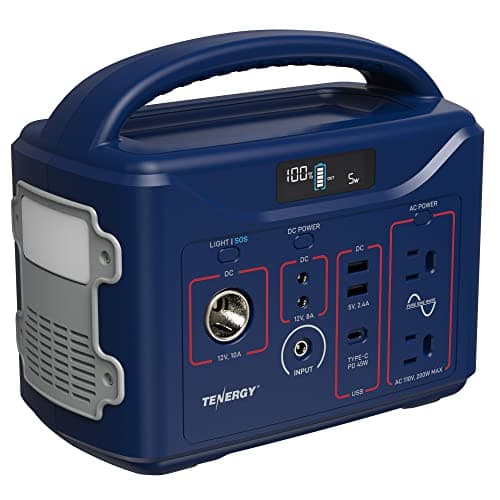
ALLWEI vs Tenergy
$129 vs $180
ALLWEI vs GRECELL
$129 vs $190
Anker vs ZeroKor
$150 vs $130
Explore Other Categories
Popular comparisons across the site




Ask AI
Get instant answers about specs
Get the Deets
Ask our AI assistant
Ask Deets anything!