Our Verdict
Anker 521 Wins
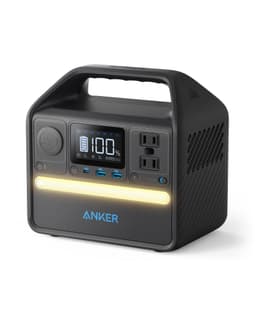
It offers superior long-term durability with its LiFePO4 battery chemistry and a higher peak output of 600W, all at a more accessible price point of $149.99. While its 256Wh capacity is slightly lower than the Jackery's 293Wh, the enhanced battery lifespan makes it a compelling choice for consistent use. The Jackery Explorer 300 is a better pick for those prioritizing lighter weight (7.1 lbs) and faster charging, able to reach 80% in 2 hours.
Bottom Line: Anker 521 is the better choice. It offers superior long-term durability with its LiFePO4 battery chemistry and a higher peak output of 600W, all at a more accessible price point of $149.
In-Depth Analysis
How they compare in practice
The Anker 521, priced at $149.99, stands out with its advanced LiFePO4 battery chemistry, offering a significantly longer lifespan of up to 10 years compared to the Jackery Explorer 300's Li-ion battery. This means the Anker unit will maintain its performance over many more charge cycles, translating to superior long-term value and reliability for users. While the Jackery, at $199.00, offers a slightly higher capacity of 293Wh against Anker's 256Wh, this 37Wh difference is minor in most real-world scenarios, typically extending runtime for small electronics by only a short duration. When it comes to power delivery, both units offer 2 AC outlets with a continuous output of 300W, making them suitable for similar small appliances and electronics like laptops, mini-fridges, or fans. However, the Anker 521 boasts a higher peak output of 600W, compared to the Jackery Explorer 300's 500W peak. This extra headroom on the Anker can be crucial for briefly powering devices with higher startup surges, like some power tools or small kitchen appliances. In terms of portability, the Jackery has a slight edge, weighing 7.1 lbs versus the Anker's 8.16 lbs. While neither is heavy, the Jackery feels marginally lighter for extended carrying during hikes or camping. The Jackery Explorer 300 shines in its recharging speed, capable of reaching 80% charge in just 2 hours via a dual input method. The Anker's charging speed isn't explicitly detailed but typically takes longer for a full charge. Both units feature 2 USB-A ports and 1 USB-C port, with the Anker's USB-C offering 60W Power Delivery, ideal for fast-charging modern laptops. The Jackery also integrates an MPPT controller for efficient solar charging, though both require a separately purchased solar panel. The choice boils down to whether you prioritize faster initial charging (Jackery) or a longer-lasting battery chemistry with higher surge capacity at a lower price (Anker).
Key Differences
The most significant spec differences at a glance
Battery Capacity
13% lessPeak Output
20% moreWeight
15% moreAdvantages
Where each product wins

Anker
- Peak Output: 20% higher (600.0 vs 500)

Jackery
- Battery Capacity: 13% higher (256.0 vs 293)
- Weight: 15% lower (8.16 vs 7.1)
Which to Pick for Your Situation
Concrete scenarios with a clear recommendation
For budget-conscious users prioritizing long-term durability
AnkerAt $149.99, the Anker 521 offers a LiFePO4 battery chemistry, providing a 10-year lifespan that far exceeds standard Li-ion batteries for superior long-term value.
For frequent travelers or hikers where every pound counts
JackeryThe Jackery Explorer 300 weighs 7.1 lbs, making it lighter and easier to carry on extended trips compared to the Anker 521's 8.16 lbs.
Powering devices with high startup surges like small tools
AnkerThe Anker 521 boasts a 600W peak output, providing more headroom for devices that momentarily draw more power than the Jackery's 500W peak.
For quick top-ups or emergency preparedness requiring rapid recharge
JackeryThe Jackery Explorer 300 can recharge to 80% in just 2 hours via dual input, a significantly faster charging time.
Who Should Buy Which?
Find the right product for your needs
Buy Anker if...
Anker 521 Portable Power
The ideal buyer for the Anker 521 is an individual who prioritizes long-term reliability and exceptional durability, particularly for a power station that might see intermittent but critical use, or needs to last for many years. This could be someone creating a robust emergency preparedness kit for their home, a DIY enthusiast who occasionally needs portable power for tools, or a camper who values gear that stands the test of time. Their budget is conscious, appreciating the Anker's $149.99 price point, which offers premium LiFePO4 battery chemistry with a remarkable 10-year lifespan and 3,000 charge cycles. This specific chemistry is a significant draw, ensuring the unit remains functional and efficient for far longer than typical Li-ion alternatives, making it a truly sustainable investment. This buyer also benefits from the Anker 521's higher 600W peak output, which provides crucial headroom for momentarily powering devices that have higher startup wattage demands, like certain power tools or small kitchen appliances, even though its continuous output is 300W. While they might concede a slightly heavier unit at 8.16 lbs compared to competitors, or a slower recharge time, their primary concern is a steadfast, enduring power source that offers excellent value and resilience. The Anker's 60W USB-C PD port is also a significant plus, catering to the rapid charging needs of modern laptops and other USB-C powered devices, adding to its versatile utility. They seek peace of mind that their power station will perform reliably when truly needed, for years to come.

Buy Jackery if...
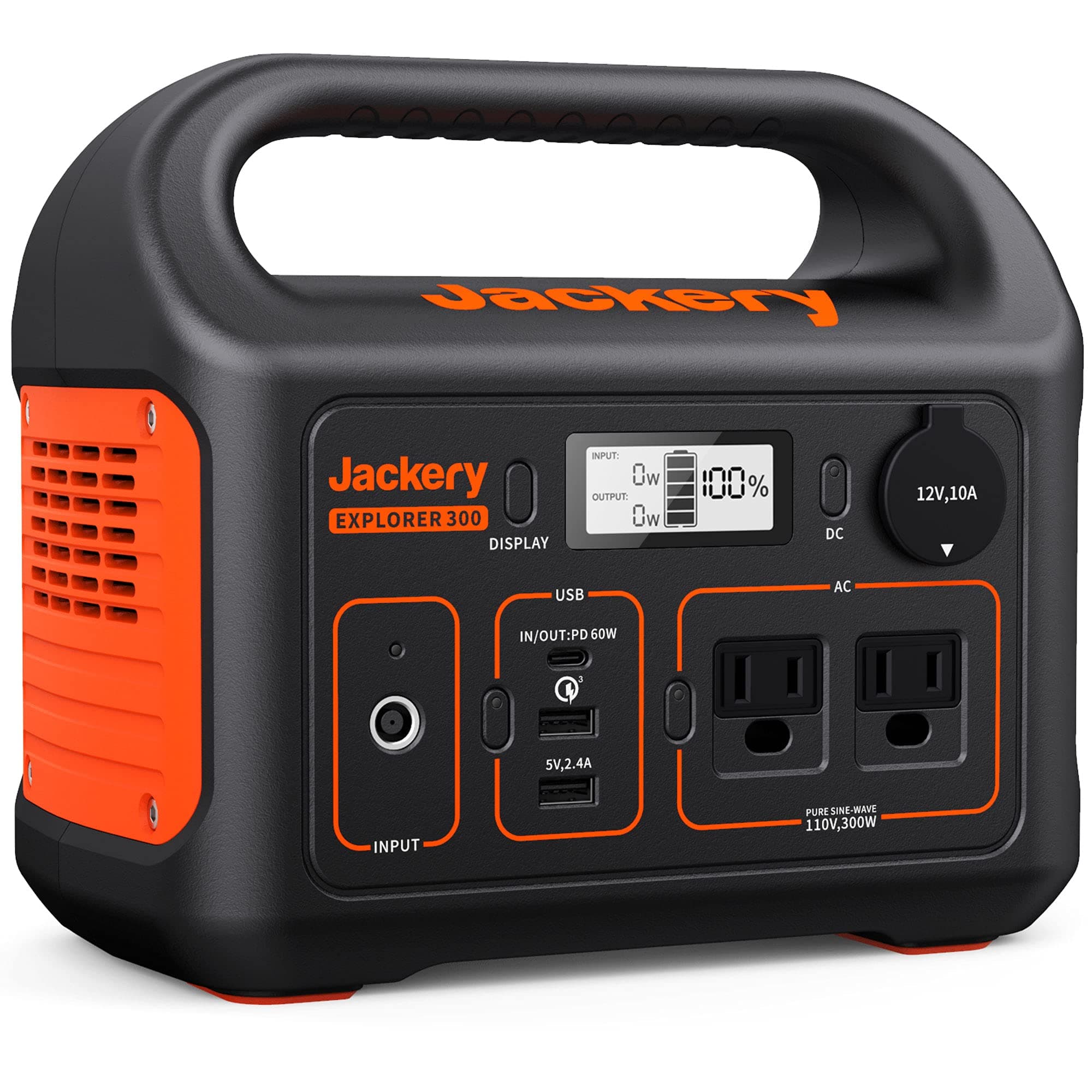
Jackery Portable Power Station
The ideal buyer for the Jackery Explorer 300 is an active outdoor enthusiast or a traveler who frequently needs portable power and values rapid recharging and lightweight design above all else, even if it comes at a slightly higher price. This individual might be a weekend camper, a road trip adventurer, or someone who often works remotely from diverse locations and needs to quickly top up their power source. Their priority is the Jackery's impressive ability to recharge to 80% in just 2 hours via dual input, minimizing downtime and maximizing their ability to stay powered on the go. The lighter weight of 7.1 lbs is also a critical factor, making it more comfortable to carry in a backpack during hikes or when moving between campsites, directly impacting their real-world portability experience compared to the Anker's 8.16 lbs. While the Jackery's Li-ion battery chemistry doesn't offer the same extreme longevity as Anker's LiFePO4, this buyer is less concerned with a 10-year lifespan and more focused on immediate performance and convenience during their more active, shorter-term excursions. They are willing to pay the $199.00 premium for these benefits. They may also appreciate the integrated MPPT controller for efficient solar charging, even if the panel is sold separately. This buyer is less likely to push the unit with extreme peak loads, finding the 500W peak output perfectly adequate for their cameras, drones, phones, and smaller cooking appliances. They essentially prioritize a nimble, quick-to-respond power companion for dynamic outdoor and travel scenarios.
Spec Comparison
11 specs compared
| Specification |  | 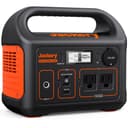 |
|---|---|---|
| Price | $150 | $229 |
| Rating | 4.4(3.0k) | 4.6(10.8k) |
| Capacity Wh | 256W | 293W |
| Chemistry | LiFePO4 | Li-ion |
| AC Output Watts | 300W | 300W |
| Dc Ports | 1 | 1 |
| AC Outlets | 2 | 2 |
| Weight | 8.16 lbs | 7.1 lbs |
| USB A Ports | 2 | 2 |
| USB C Ports | 1 | 1 |
| Peak Output Watts | 600W | 500W |
| Charge Time Hours | — | 2 hrs |
| Solar Input Watts | — | 100W |
Swipe horizontally to see all columns
Pros & Cons
Quick overview of strengths and weaknesses
Anker Anker 521
- LiFePO4 battery provides 10-year lifespan
- Peak 600W output handles high-draw appliances
- 60W USB-C PD port recharges laptops quickly
- Six outputs: 2 AC, 1 USB-C PD, 2 USB-A, 1 DC
- 8.16 lbs unit weight impacts portability
- 256Wh capacity limits high-draw use cases
- Solar charging requires separate panel purchase
Jackery Portable Power
- 80% recharge in 2 hours via dual input.
- 293Wh Li-ion capacity; 300W pure sine wave AC.
- Weighs 7.1 lbs for easy transport.
- Charges 6 devices; multiple output types.
- Solar panel not included with purchase.
- 300W continuous AC output limit.
- Capacity of 293Wh may be insufficient.
- Single USB-C port.
Frequently Asked Questions
Common questions about this comparison
What is the primary advantage of the Anker 521's battery?
The Anker 521 uses a LiFePO4 battery, offering an exceptional 10-year lifespan and 3,000 charge cycles to 80% capacity, which is significantly more durable and long-lasting than the Li-ion battery in the Jackery Explorer 300.
Which power station offers faster recharging?
The Jackery Explorer 300 boasts faster recharging, capable of reaching 80% capacity in approximately 2 hours via its dual input charging method. Anker's charging time is typically longer.
Can either power station run a mini-fridge?
Both the Anker 521 and Jackery Explorer 300 offer 300W continuous AC output, which is generally sufficient to power most portable mini-fridges, provided their wattage requirement is within this limit.
How do the capacities compare for extended use?
The Jackery Explorer 300 has a slightly higher capacity at 293Wh compared to the Anker 521's 256Wh. This marginal difference translates to a few extra minutes or a small percentage more runtime for connected devices.
Which unit is better for powering devices with high initial power draw?
The Anker 521 is better for devices with high initial power draw, thanks to its higher peak output of 600W. The Jackery Explorer 300 has a peak output of 500W.
Related Comparisons
Similar products people compare
Jackery vs VTOMAN
$229 vs $240
Anker vs Jackery
$430 vs $229
ALLWEI vs Jackery
$129 vs $229
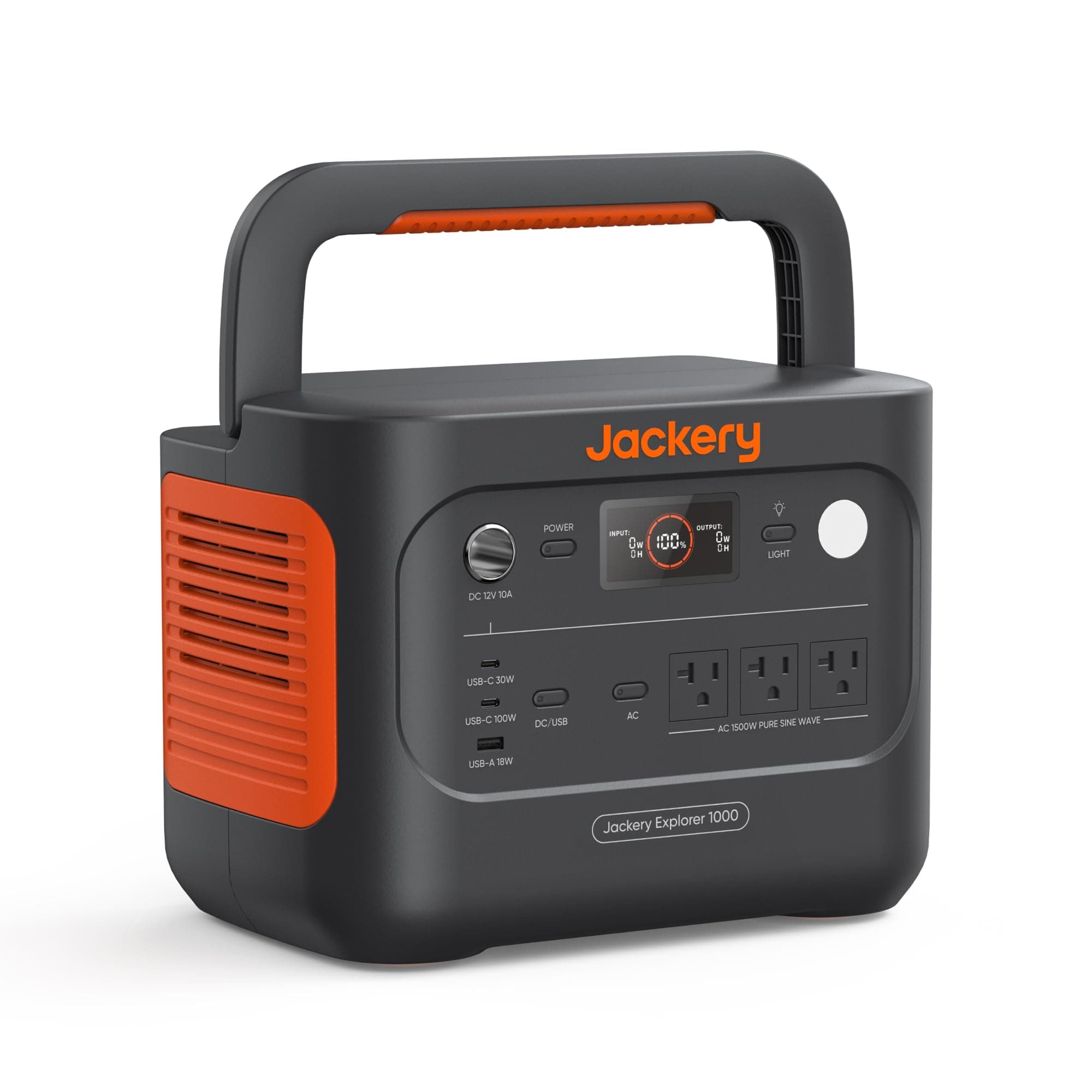
Jackery vs Jackery
$449 vs $229
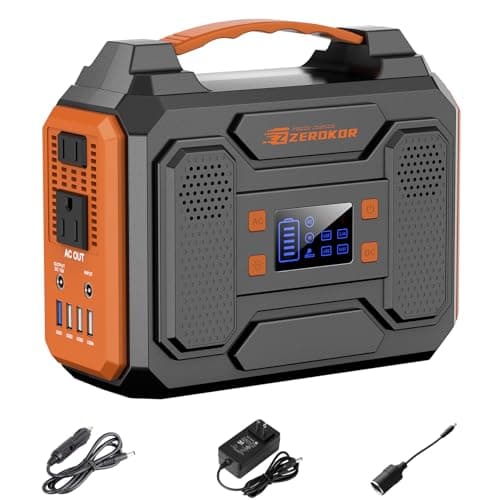
Jackery vs ZeroKor
$229 vs $130
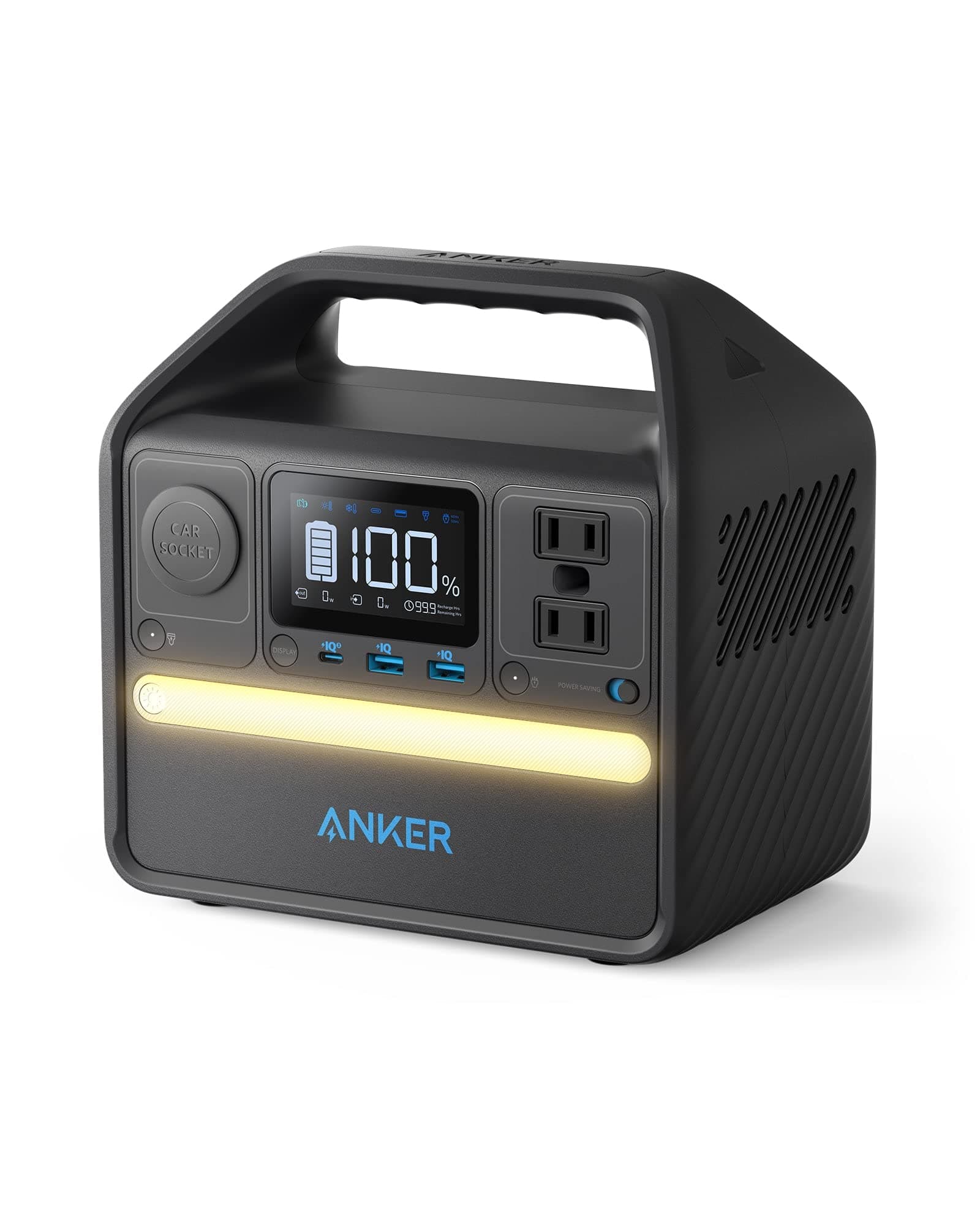
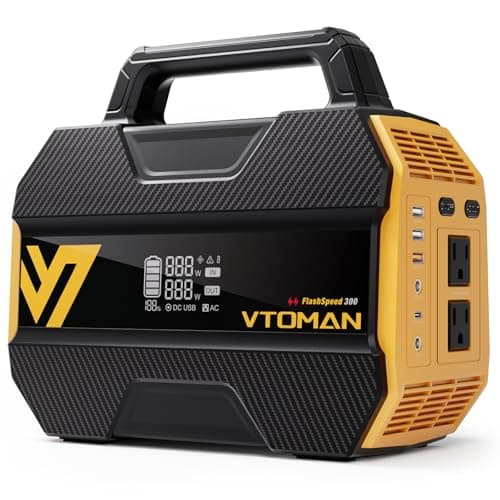
Anker vs VTOMAN
$150 vs $140
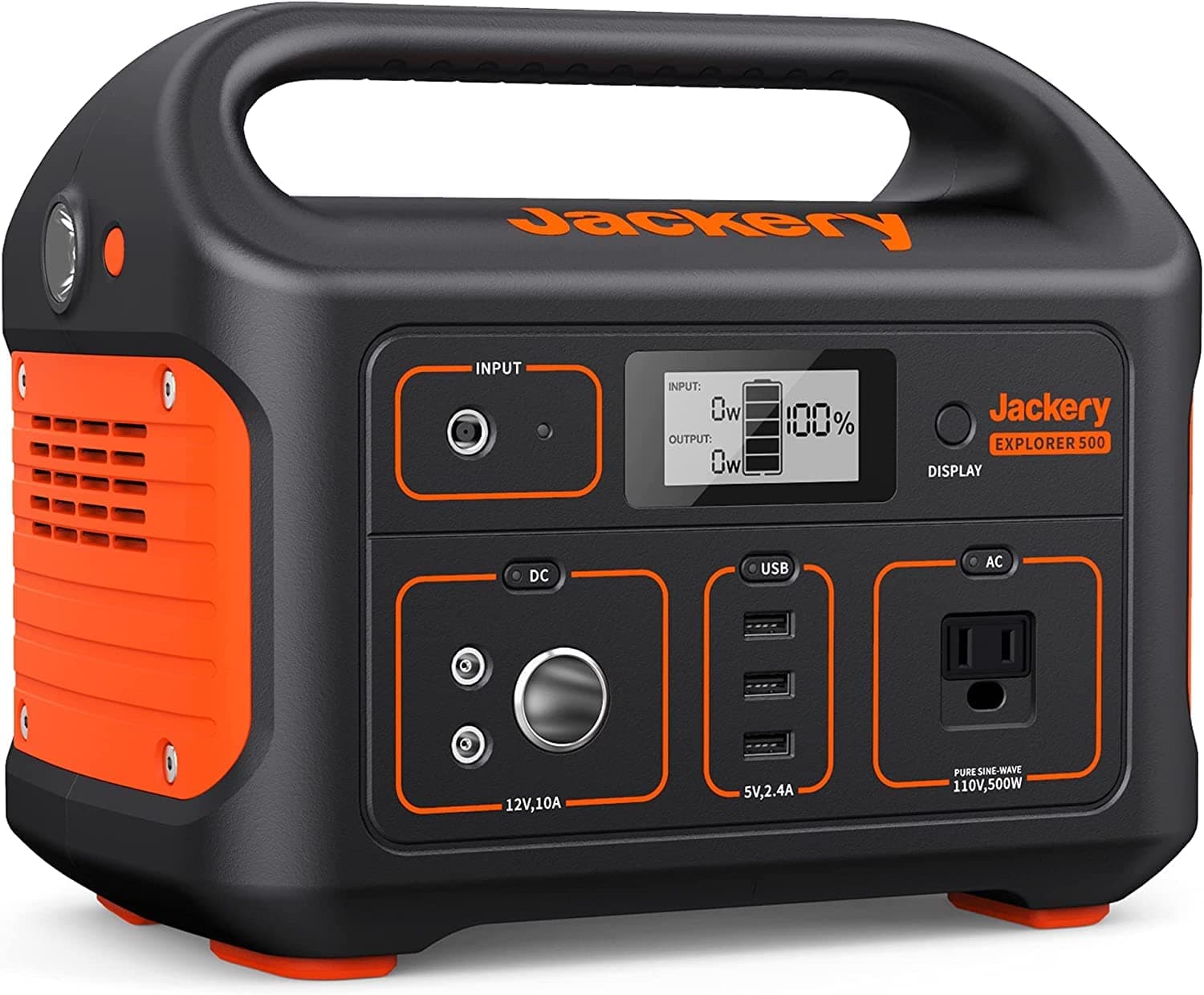
Jackery vs Jackery
$229 vs $299
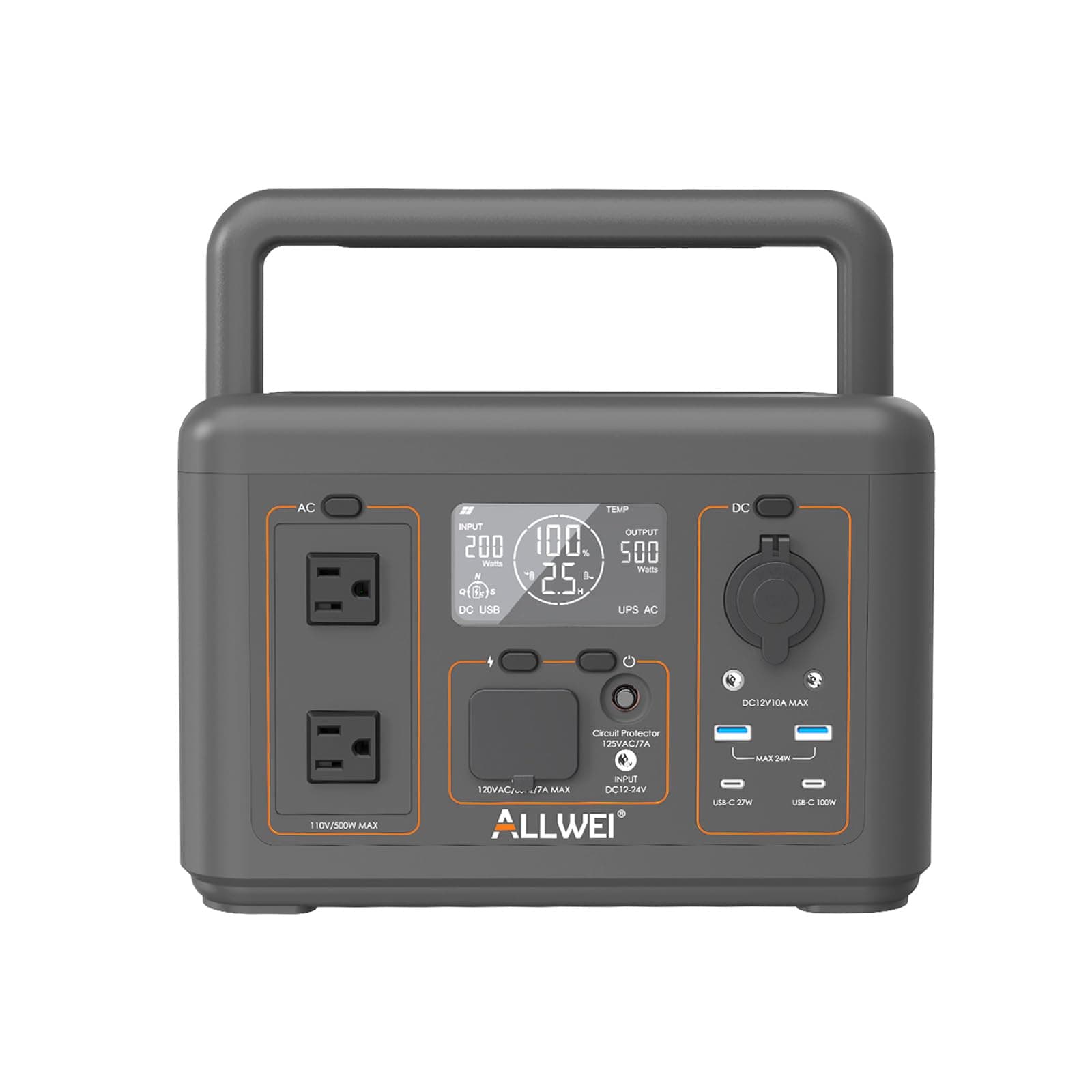
ALLWEI vs Jackery
$269 vs $229
Anker vs Apowking
$150 vs $100
EF ECOFLOW vs Jackery
$147 vs $229
ALLWEI vs Anker
$129 vs $150
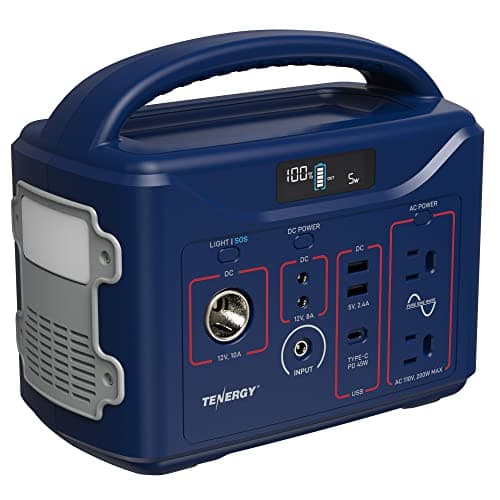
Jackery vs Tenergy
$229 vs $180
Jackery vs VTOMAN
$229 vs $140
Anker vs VTOMAN
$150 vs $240
Anker vs EF ECOFLOW
$150 vs $147
Explore Other Categories
Popular comparisons across the site

Ask AI
Get instant answers about specs
Get the Deets
Ask our AI assistant
Ask Deets anything!