Our Verdict
Anker Anker 521 Portable Power Station Wins
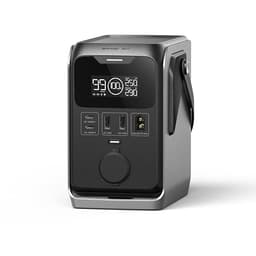
This powerhouse offers crucial versatility with two AC outlets and 300W continuous AC output (600W peak), making it compatible with standard household appliances, a feature completely absent from the EcoFlow. While slightly more expensive at $149.99 compared to the EcoFlow's $146.99, its AC capability greatly broadens its utility for home backup or camping. The EF ECOFLOW TRAIL 300 DC Power Bank is the better pick for users with exclusively DC or USB charging needs, offering a slightly higher 288Wh capacity and more DC ports for a lower price.
Bottom Line: Anker Anker 521 Portable Power Station is the better choice. This powerhouse offers crucial versatility with two AC outlets and 300W continuous AC output (600W peak), making it compatible with standard household appliances, a feature completely absent from the EcoFlow.
In-Depth Analysis
How they compare in practice
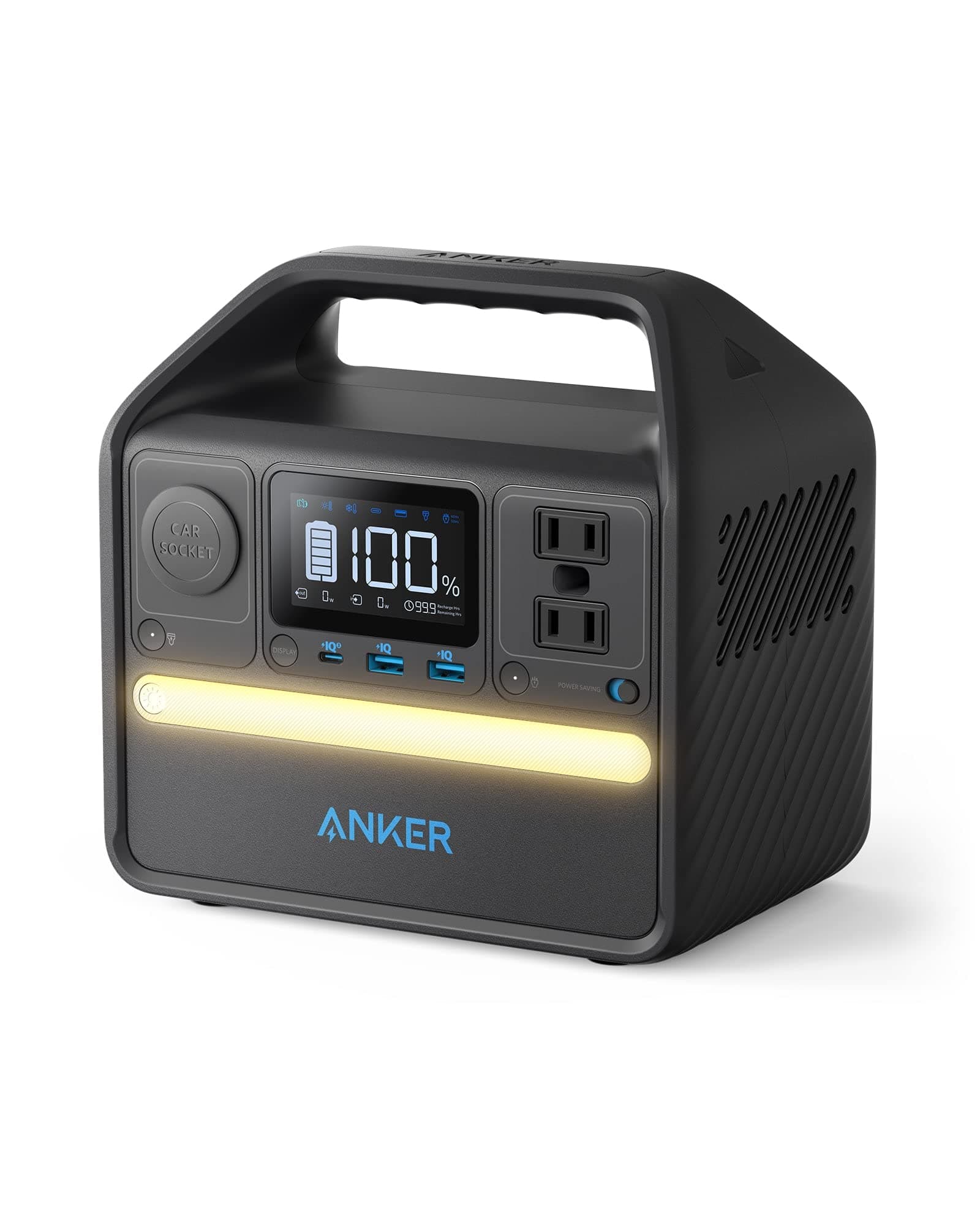
The Anker 521 and EF ECOFLOW TRAIL 300 present distinct philosophies in portable power, primarily diverging in their output capabilities. The Anker 521 champions versatility with its two AC outlets, delivering a sustained 300W (and up to 600W peak) of alternating current. This means users can power small appliances, laptops via their original chargers, or even medical devices, making it a more comprehensive solution for home emergencies or diverse outdoor needs. Its 60W USB-C PD port is also a significant asset for rapid laptop charging.
In contrast, the EF ECOFLOW TRAIL 300 is a dedicated DC powerhouse. It completely foregoes AC output, which is a major limitation for many users but allows for a more compact design and potentially higher efficiency for its intended purpose. It boasts five DC ports and dual 140W USB-C outputs, making it exceptional for simultaneously charging numerous smartphones, tablets, and compatible DC devices. Its slightly larger 288Wh capacity, compared to Anker's 256Wh, combined with a lower price point of $146.99 vs. $149.99, offers a better capacity-to-cost ratio for purely DC loads. The EcoFlow also boasts a faster 1.77-hour charge time, which is convenient.
Both units benefit from durable LiFePO4 battery chemistry, promising an extended lifespan (Anker states 10 years). However, the real-world utility comes down to appliance compatibility. The Anker 521 acts as a true 'mini-generator' for a wider range of electronics due to its AC outlets, albeit at 8.16 lbs it is not the lightest. The EcoFlow TRAIL 300, without AC, is fundamentally a robust power bank, excelling in charging multiple low-power DC devices efficiently during camping or travel where AC is not a concern, and its 'compact' nature suggests easier transport, although specific weight isn't provided.
Ultimately, the Anker offers a broader spectrum of utility for a marginal price difference, catering to those who foresee needing standard wall-socket power. The EcoFlow, while more constrained, delivers superior DC charging capabilities and slightly more capacity for its specific niche, making it a powerhouse for digital nomads or campers reliant solely on USB and DC input devices.
Key Differences
The most significant spec differences at a glance
Battery Capacity
11% lessAC Output
100% moreAC Outlets
100% moreDc Ports
80% lessUSB-C Ports
50% lessAdvantages
Where each product wins

Anker
- AC Output: 100% higher (300.0 vs 0)
- AC Outlets: 100% higher (2 vs 0)

EF ECOFLOW
- Battery Capacity: 11% higher (256.0 vs 288)
- Dc Ports: 80% higher (1 vs 5)
- USB-C Ports: 50% higher (1 vs 2)
Which to Pick for Your Situation
Concrete scenarios with a clear recommendation
For powering a laptop and small fan during a power outage
AnkerThe Anker 521 provides two AC outlets with 300W continuous output, essential for standard laptop chargers and small appliances like fans, which the EcoFlow lacks entirely.
For extended camping trips needing to charge multiple phones and headlamps
EF ECOFLOWThe EcoFlow TRAIL 300 offers five DC ports and dual 140W USB-C ports, providing superior connectivity for multiple low-power DC devices and a slightly higher 288Wh capacity.
For budget-conscious buyers prioritizing capacity for mobile devices
EF ECOFLOWThe EcoFlow costs $146.99 and offers 288Wh, providing a better capacity-to-price ratio compared to the Anker's 256Wh at $149.99, especially if AC outlets aren't needed.
For rapid recharging of modern high-powered USB-C laptops (e.g., MacBook Pro)
EF ECOFLOWThe EcoFlow TRAIL 300 features dual 140W USB-C ports, offering significantly faster charging for high-demand USB-C devices than the Anker's single 60W USB-C PD port.
Who Should Buy Which?
Find the right product for your needs
Buy Anker if...
Anker 521 Portable Power
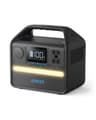
The Anker Anker 521 Portable Power Station is ideal for individuals who need a versatile power solution capable of handling a mix of AC and DC devices. This includes campers who want to run a small fan or charge a drone with its native AC adapter, or anyone preparing for power outages and needing to keep a laptop, lamp, or even a medical device (within 300W) operational. Its two AC outlets and 300W AC output (600W peak) are its defining features, allowing compatibility with standard household plugs that the EcoFlow completely misses. Buyers prioritizing the convenience of a 60W USB-C PD port for quick laptop charging and a robust LiFePO4 battery for long-term reliability will find this unit invaluable. They are willing to pay a slight premium for this comprehensive functionality and accept the 8.16 lbs weight for the peace of mind of having versatile power. This buyer isn't strictly tethered to USB/DC devices and values the flexibility of standard outlets for unexpected needs.

Buy EF ECOFLOW if...
EF ECOFLOW TRAIL 300
The EF ECOFLOW TRAIL 300 DC Power Bank is perfectly suited for adventurers and digital nomads whose power needs are primarily fulfilled by USB and DC inputs. Think long-distance hikers, overlanders, or dedicated tent campers who regularly charge multiple smartphones, tablets, cameras, GPS devices, or run 12V DC accessories like portable fridges (via DC port). This buyer prioritizes efficiency and a compact, lightweight design that minimizes bulk on the go. They will appreciate the slightly higher 288Wh capacity and the superior charging capabilities of dual 140W USB-C ports for modern, high-powered laptops and multiple gadgets, all for a slightly lower price point. They consciously forgo AC outlets, understanding that their gear is all DC-compatible, and value the faster 1.77-hour recharge time. This buyer cares about maximizing ports (5 DC, 2 USB-A, 2 USB-C) and capacity for purely mobile and outdoor-specific electronic needs without carrying unnecessary AC components.
Spec Comparison
12 specs compared
| Specification | 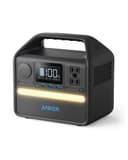 | 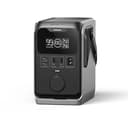 |
|---|---|---|
| Price | $150 | $147 |
| Rating | 4.4(3.0k) | 4.4(158) |
| Capacity Wh | 256W | 288W |
| Chemistry | LiFePO4 | LiFePO4 |
| AC Output Watts | 300W | 0W |
| Dc Ports | 1 | 5 |
| AC Outlets | 2 | 0 |
| Weight | 8.16 lbs | — |
| USB A Ports | 2 | 2 |
| USB C Ports | 1 | 2 |
| Peak Output Watts | 600W | — |
| Model Number | — | TRAIL DC |
| Charge Time Hours | — | 1.77 hrs |
| Solar Input Watts | — | 110W |
Swipe horizontally to see all columns
Pros & Cons
Quick overview of strengths and weaknesses
Anker Anker 521
- LiFePO4 battery provides 10-year lifespan
- Peak 600W output handles high-draw appliances
- 60W USB-C PD port recharges laptops quickly
- Six outputs: 2 AC, 1 USB-C PD, 2 USB-A, 1 DC
- 8.16 lbs unit weight impacts portability
- 256Wh capacity limits high-draw use cases
- Solar charging requires separate panel purchase
EF ECOFLOW TRAIL 300
- 288Wh LiFePO4 battery for durable power output
- 300W DC output powers multiple outdoor devices
- Five DC ports charge up to five devices concurrently
- Dual 140W USB-C ports enable rapid device charging
- No AC outlets; incompatible with standard appliances
- Charging cable not included; requires separate purchase
Frequently Asked Questions
Common questions about this comparison
Can I power a mini-fridge with either of these portable power stations?
Only the Anker 521 can power a mini-fridge, provided its wattage is within 300W continuous AC output (600W peak). The EcoFlow TRAIL 300 lacks AC outlets entirely.
Which power station is better for fast-charging a laptop via USB-C?
The EF ECOFLOW TRAIL 300 is superior for fast USB-C laptop charging, featuring dual 140W USB-C ports, significantly more powerful than the Anker 521's single 60W USB-C PD port.
What is the expected lifespan of these power stations' batteries?
Both units utilize LiFePO4 battery chemistry, known for longevity. Anker explicitly states a 10-year lifespan, implying thousands of charge cycles for both due to this chemistry.
Are these power stations solar-ready?
Yes, both power stations are solar-ready, though the solar panel must be purchased separately. The EcoFlow has a 110W solar input capacity for efficient charging.
How do their capacities compare for general use?
The EcoFlow TRAIL 300 has a slightly higher capacity at 288Wh compared to the Anker 521's 256Wh, offering a bit more power reserve for your devices.
What kind of devices can the EF ECOFLOW TRAIL 300's 300W DC output power?
The 300W DC output can power a range of DC-compatible devices like car vacuums, portable air compressors, CPAP machines with a DC adapter, and various LED lighting setups.
Related Comparisons
Similar products people compare
Anker vs Jackery
$150 vs $229
Anker vs VTOMAN
$150 vs $140
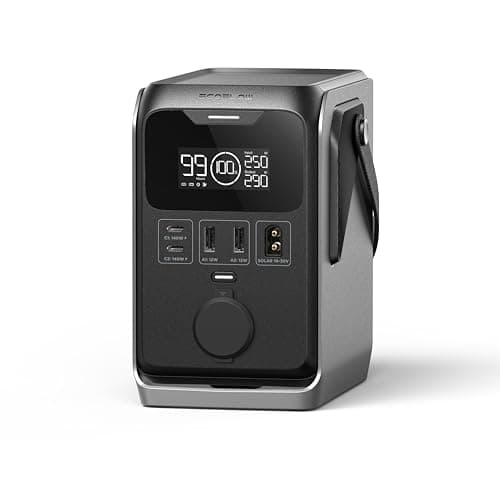
ALLWEI vs EF ECOFLOW
$129 vs $147
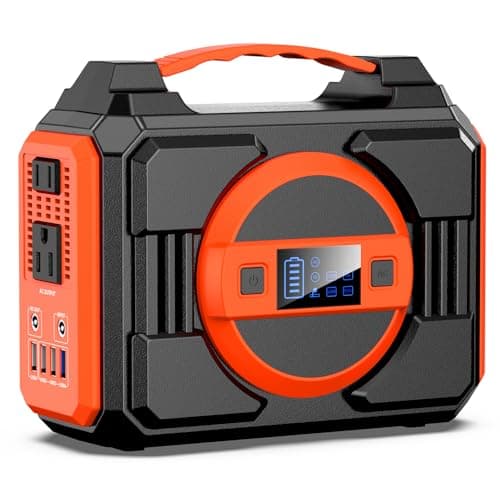
Anker vs Apowking
$150 vs $100
EF ECOFLOW vs Jackery
$147 vs $229
ALLWEI vs Anker
$129 vs $150
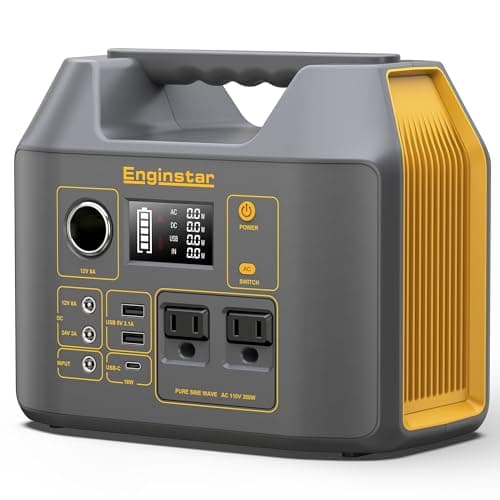
EF ECOFLOW vs EnginStar
$147 vs $111
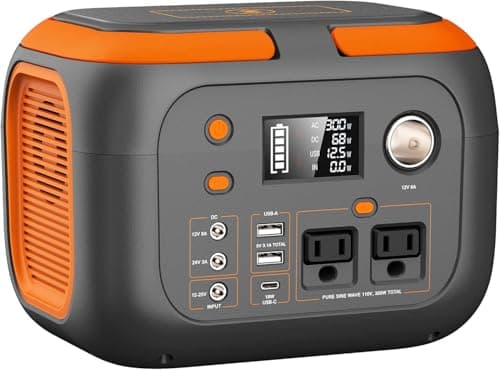
EF ECOFLOW vs SinKeu
$147 vs $103
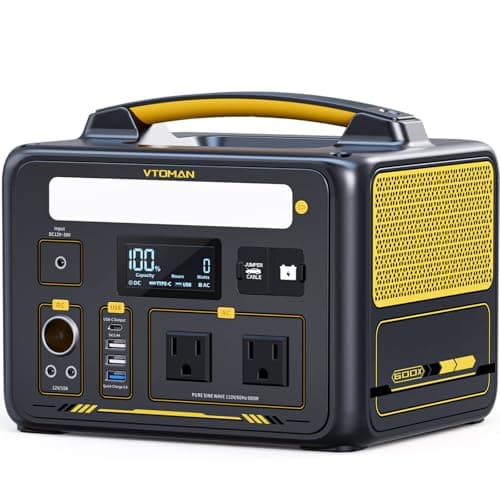
Anker vs VTOMAN
$150 vs $240
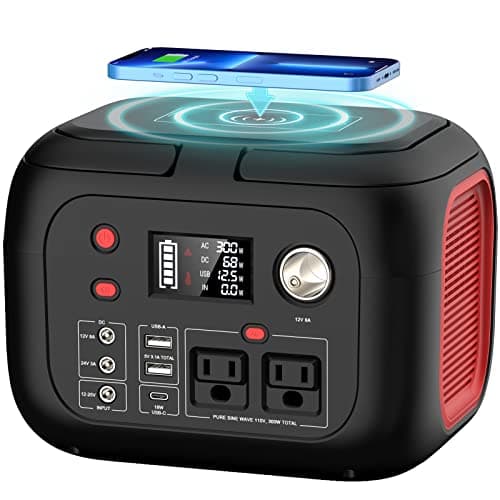
EF ECOFLOW vs ENOFLO
$147 vs $120
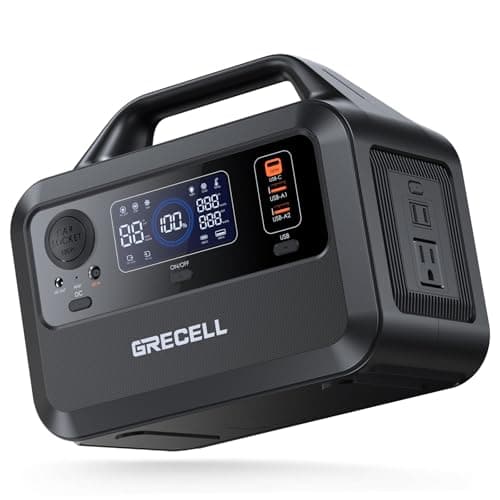
EF ECOFLOW vs GRECELL
$147 vs $100
EF ECOFLOW vs VTOMAN
$147 vs $140
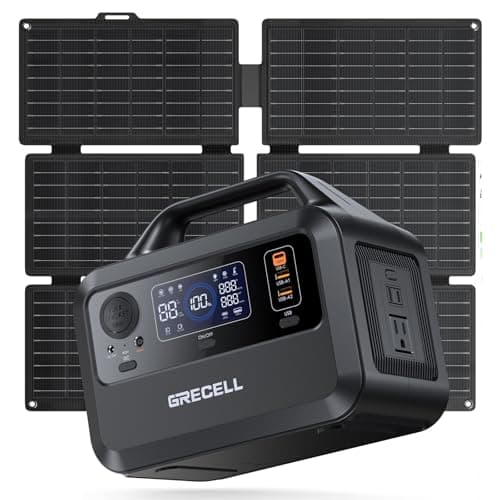
Anker vs GRECELL
$150 vs $190
EF ECOFLOW vs GRECELL
$147 vs $190
Anker vs ZeroKor
$150 vs $130
Explore Other Categories
Popular comparisons across the site

Ask AI
Get instant answers about specs
Get the Deets
Ask our AI assistant
Ask Deets anything!