Our Verdict
SinKeu Portable Power Station E300 Wins
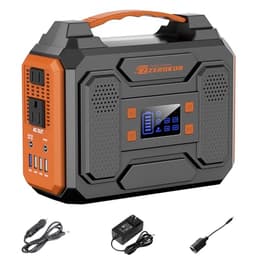
While both units offer 300W AC output at the same price, the SinKeu E300 stands out with its LiFePO4 battery chemistry, providing an impressive 3500+ charge cycles compared to the ZeroKor R200's standard Li-ion. This superior battery longevity offers significantly better long-term value and reliability, despite the ZeroKor R200 having a slightly higher 280Wh capacity versus the E300's 256Wh. The SinKeu E300 also charges faster in 3 hours. The ZeroKor R200 is the better pick if maximum USB-A ports (4 vs 2) and a slightly lighter design (5.0 lbs vs 6.5 lbs) are absolute priorities over battery lifespan.
Bottom Line: SinKeu Portable Power Station E300 is the better choice. While both units offer 300W AC output at the same price, the SinKeu E300 stands out with its LiFePO4 battery chemistry, providing an impressive 3500+ charge cycles compared to the ZeroKor R200's standard Li-ion.
In-Depth Analysis
How they compare in practice
The ZeroKor R200 and SinKeu E300 present a fascinating head-to-head, both priced identically at $129.99 and offering 300W pure sine wave AC output, suitable for sensitive electronics. However, the core difference lies in their battery chemistry, profoundly impacting their real-world value and longevity. The SinKeu E300 utilizes LiFePO4 (Lithium Iron Phosphate) technology, boasting an exceptional 3500+ charge cycles. This means the SinKeu unit is built to last significantly longer, maintaining its capacity through thousands more recharges than the ZeroKor R200's standard Li-ion battery. For users who plan frequent usage or desire a dependable emergency backup that will endure for years, the SinKeu's investment in battery durability is a clear advantage.
While the ZeroKor R200 offers a marginally higher capacity at 280Wh compared to the SinKeu's 256Wh, this slight difference in runtime is often outweighed by the SinKeu E300's superior battery lifespan and faster recharging capability, taking only 3 hours. The SinKeu E300 also provides a more modern port selection with two DC ports and one USB-C port, alongside two USB-A ports, making it versatile for contemporary gadgets. In contrast, the ZeroKor R200 focuses on four USB-A ports and a single DC port, which might appeal more to users with an array of older USB-A dependent devices.
In terms of portability, the ZeroKor R200 is slightly lighter at 5.0 lbs against the SinKeu E300's 6.5 lbs. This 1.5-pound difference could be noticeable for backpackers or those for whom every ounce counts. However, the SinKeu's robust LiFePO4 battery also brings enhanced safety and thermal stability, adding peace of mind during extended use or storage. The trade-off is clear: ZeroKor offers a bit more raw capacity and less weight, while SinKeu delivers unmatched longevity, faster charging, and a slightly more future-proof port array for the same price point, making its value proposition stronger for long-term ownership.
Key Differences
The most significant spec differences at a glance
Battery Capacity
9% moreDc Ports
50% lessUSB-A Ports
100% moreWeight
23% lessAdvantages
Where each product wins

ZeroKor
- Battery Capacity: 9% higher (280.0 vs 256)
- USB-A Ports: 100% higher (4 vs 2)
- Weight: 23% lower (5.0 vs 6.5)

SinKeu
- Dc Ports: 50% higher (1 vs 2)
Which to Pick for Your Situation
Concrete scenarios with a clear recommendation
For maximum battery longevity and frequent recharging
SinKeuThe SinKeu E300 features a LiFePO4 battery chemistry, offering 3500+ charge cycles, which vastly surpasses standard Li-ion batteries for durability.
For ultra-light backpacking or minimizing carry weight
ZeroKorThe ZeroKor R200 is lighter at 5.0 lbs compared to the SinKeu E300's 6.5 lbs, making it easier to transport for extended periods.
For simultaneously charging multiple older USB-A devices
ZeroKorThe ZeroKor R200 offers four USB-A ports, double the two found on the SinKeu E300, providing greater versatility for legacy gadgets.
For quick turnaround between uses
SinKeuThe SinKeu E300 can fully recharge in just 3 hours, allowing it to be ready for action much faster than many competitors.
Who Should Buy Which?
Find the right product for your needs

Buy ZeroKor if...
Portable Power Station 300W
The ZeroKor Portable Power Station R200 is an excellent choice for individuals who prioritize a slightly lighter carry weight and a higher number of USB-A output ports for their diverse array of smaller electronics. This buyer is likely an occasional camper, a hobbyist needing portable power for drones or camera equipment, or someone seeking a lightweight emergency backup for essential devices. They might frequently travel by car or go on day trips where a compact, 5.0-pound unit is more convenient than a heavier alternative. The 280Wh capacity is appealing for slightly longer runtimes for laptops, phones, and lights, and they don't necessarily need the extreme longevity of a LiFePO4 battery, accepting the trade-offs of standard Li-ion for the immediate benefits of portability and port count. They appreciate having four dedicated USB-A ports to charge multiple devices like smartphones, tablets, and headlamps simultaneously without needing adapters, even if it lacks a USB-C output.
Buy SinKeu if...
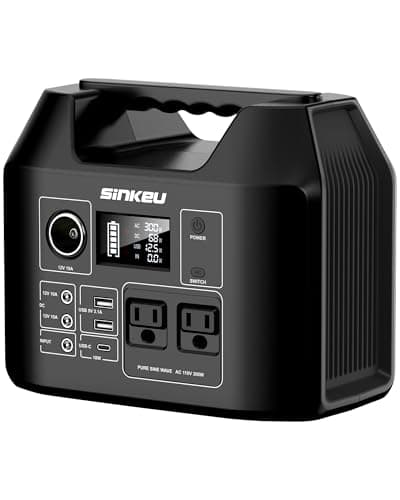
SinKeu Portable Power Station
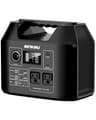
The SinKeu Portable Power Station E300 is ideal for the discerning buyer who values long-term durability, safety, and a reliable power source for frequent use or critical emergency preparedness. This user understands the superior value of LiFePO4 battery chemistry, with its impressive 3500+ charge cycles, ensuring the unit will perform reliably for many years, far outlasting standard Li-ion alternatives. They are willing to accept the slightly heavier 6.5 lbs weight and marginally lower 256Wh capacity for the peace of mind that comes with a robust and stable power solution. Key priorities for this buyer include a fast 3-hour recharge time, ensuring minimal downtime between uses, and the versatility of a USB-C port for modern devices, even at 18W PD. This power station perfectly suits those who use their portable power frequently for off-grid living, RVing, extensive camping, or as a critical home backup during outages where longevity and consistent performance are paramount.
Spec Comparison
12 specs compared
| Specification | 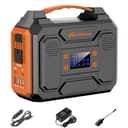 | 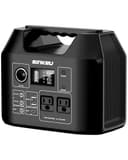 |
|---|---|---|
| Price | $130 | $130 |
| Rating | 4.3(1.4k) | 4.4(118) |
| Capacity Wh | 280W | 256W |
| Chemistry | Li-ion | LiFePO4 |
| AC Output Watts | 300W | 300W |
| Dc Ports | 1 | 2 |
| AC Outlets | 2 | 2 |
| Weight | 5 lbs | 6.5 lbs |
| USB A Ports | 4 | 2 |
| Model Number | R200 | E300 |
| Cycle Life | — | 3500 |
| USB C Ports | — | 1 |
| Charge Time Hours | — | 3 hrs |
| Solar Input Watts | — | 100W |
Swipe horizontally to see all columns
Pros & Cons
Quick overview of strengths and weaknesses
ZeroKor Portable Power
- 300W pure sine wave AC output for sensitive devices.
- 280Wh capacity suitable for small electronics.
- Multiple ports: 2 AC, 1 DC, 4 USB, QC3.0.
- Lightweight 5lbs design enhances portability.
- 300W AC output limit restricts high-power appliances.
- Solar panel for charging must be purchased separately.
- Requires regular recharging; not for long-term storage.
- AC output requires manual activation/deactivation.
SinKeu Portable Power
- LiFePO4 battery offers 3500+ charge cycles
- 6.5 lbs weight aids portability
- Eight output ports support diverse device charging
- Pure sine wave AC output protects sensitive electronics
- 256Wh capacity is low for prolonged use
- 300W AC output limits use with high-power appliances
- USB-C PD output limited to 18W
Frequently Asked Questions
Common questions about this comparison
What is the primary difference in battery technology?
The SinKeu E300 uses LiFePO4 (Lithium Iron Phosphate) chemistry with 3500+ charge cycles, offering superior longevity and safety. The ZeroKor R200 uses standard Li-ion, which typically has a shorter lifespan.
Can these power stations run a standard mini-fridge?
Both units have a 300W AC output. While some small mini-fridges might draw less, many exceed 300W upon startup. Check your appliance's exact wattage to ensure compatibility.
How do their capacities compare for charging devices?
The ZeroKor R200 has 280Wh capacity, slightly more than the SinKeu E300's 256Wh. Both are suitable for small electronics but are limited for high-power or prolonged use.
Do these power stations include a solar panel?
No, neither the ZeroKor R200 nor the SinKeu E300 includes a solar panel. They are 'solar generators' because they are compatible with separately purchased solar panels for recharging.
Which unit is faster to fully recharge?
The SinKeu E300 is faster, boasting a full recharge time of just 3 hours via an AC outlet, making it quicker to get back to 100% readiness.
Related Comparisons
Similar products people compare
ALLWEI vs ZeroKor
$129 vs $130
EnginStar vs ZeroKor
$130 vs $130
Jackery vs ZeroKor
$229 vs $130
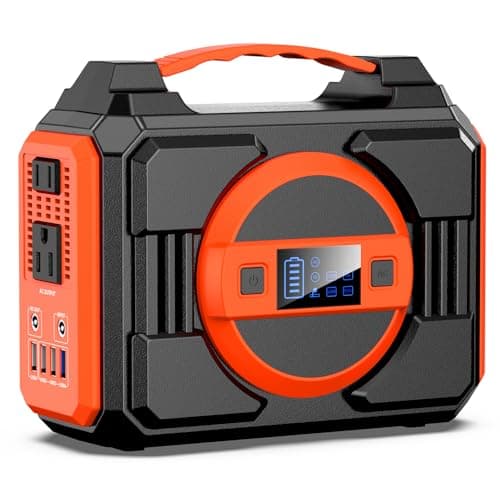
ZeroKor vs Apowking
$130 vs $100
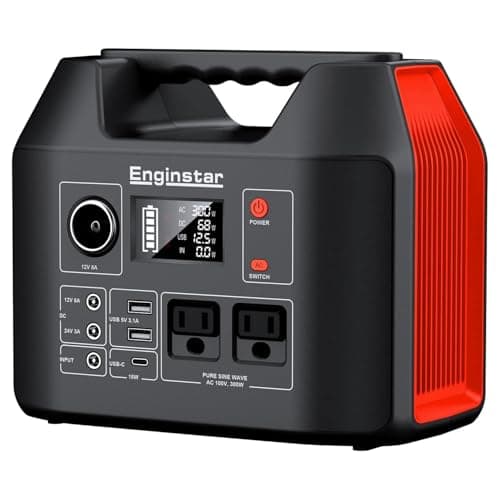
EnginStar vs ZeroKor
$130 vs $130
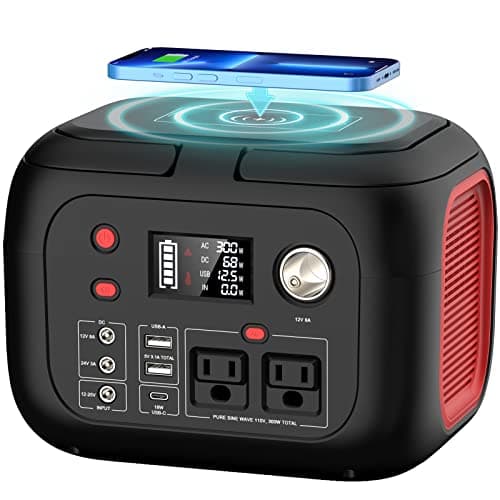
ENOFLO vs ZeroKor
$120 vs $130
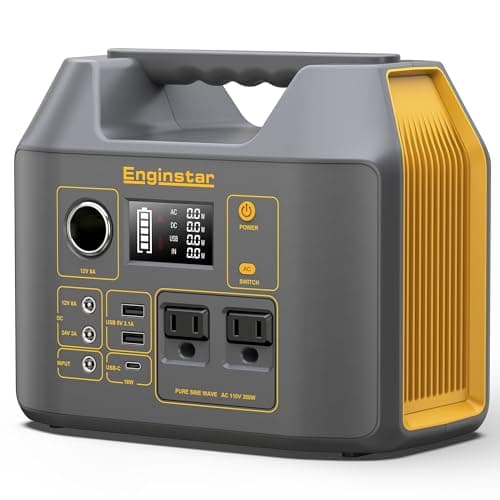
EnginStar vs ZeroKor
$111 vs $130
Anker vs ZeroKor
$150 vs $130
DARAN vs ZeroKor
$130 vs $130
GRECELL vs ZeroKor
$116 vs $130
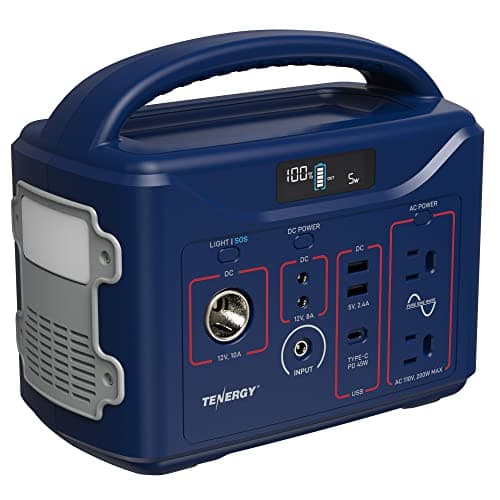
SinKeu vs Tenergy
$130 vs $180
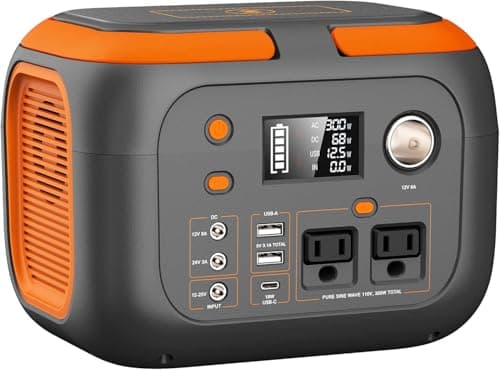
SinKeu vs SinKeu
$103 vs $130
ZeroKor vs Tenergy
$130 vs $180
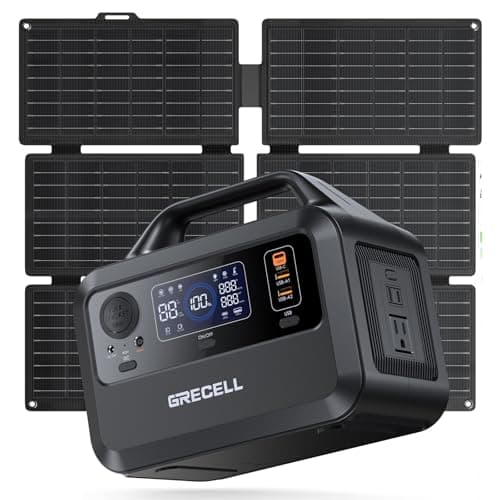
GRECELL vs ZeroKor
$230 vs $130
ZeroKor vs SinKeu
$130 vs $103
Explore Other Categories
Popular comparisons across the site
Ask AI
Get instant answers about specs
Get the Deets
Ask our AI assistant
Ask Deets anything!