Our Verdict
GRECELL GRECELL 300W Portable Power Station Wins
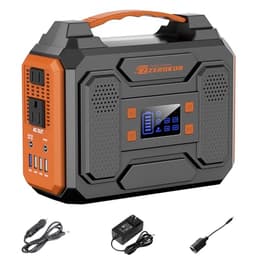
At $115.99, it offers a slightly larger 288Wh capacity compared to ZeroKor's 280Wh, and critically includes two USB-C ports with 60W Power Delivery, providing superior charging versatility for modern devices. Its integrated MPPT controller also enhances solar charging efficiency. ZeroKor is the better pick for users who absolutely require two 110V AC outlets simultaneously and prioritize a guaranteed lightweight 5.0 lbs design for maximum portability, even at a higher $129.99 price point.
Bottom Line: GRECELL GRECELL 300W Portable Power Station is the better choice. At $115.
In-Depth Analysis
How they compare in practice
When comparing the GRECELL 300W and ZeroKor 300W portable power stations, both units share a common core: a 300W AC output and Li-ion chemistry, making them suitable for powering small electronics and appliances. However, their port configurations and value propositions diverge significantly, impacting real-world use. The GRECELL unit, priced at $115.99, offers a nominal capacity of 288Wh, a marginal advantage over ZeroKor's 280Wh. More importantly, GRECELL stands out with its two USB-C ports, one of which supports 60W Power Delivery. This is a game-changer for charging laptops, tablets, and modern smartphones much faster than standard USB-A ports, a feature entirely absent on the ZeroKor R200. Conversely, the ZeroKor R200, at $129.99, compensates for its lack of USB-C PD with an additional 110V AC outlet, totaling two compared to GRECELL's single outlet. This means the ZeroKor can simultaneously power two small AC-powered devices, such as a laptop charger and a small fan, whereas the GRECELL would require a power strip or sequential charging. ZeroKor also offers four USB-A ports, double that of GRECELL, catering to users with multiple legacy USB devices. The R200's explicit 5.0 lbs weight specification highlights its commitment to portability, though the GRECELL is likely in a similar weight class despite not specifying. In terms of charging efficiency, GRECELL's integrated MPPT controller is a notable advantage for solar charging, optimizing power intake from solar panels. While both units support solar input (panels sold separately), GRECELL’s MPPT ensures maximum efficiency, especially crucial when relying on renewable energy in unpredictable conditions. The trade-off is clear: GRECELL prioritizes modern, high-speed USB-C charging and solar efficiency at a lower price, while ZeroKor focuses on accommodating multiple standard AC and legacy USB-A devices simultaneously, albeit at a slightly higher cost and lacking modern USB-C PD. For many users with newer gadgets, GRECELL offers a more forward-looking and efficient charging solution.
Key Differences
The most significant spec differences at a glance
Battery Capacity
3% moreAC Outlets
50% lessUSB-A Ports
50% lessAdvantages
Where each product wins

GRECELL
- Battery Capacity: 3% higher (288 vs 280.0)

ZeroKor
- AC Outlets: 50% higher (1 vs 2)
- USB-A Ports: 50% higher (2 vs 4)
Which to Pick for Your Situation
Concrete scenarios with a clear recommendation
For rapidly charging modern laptops and phones
GRECELLThe GRECELL EB300 features two USB-C ports, one with 60W Power Delivery, offering significantly faster charging for compatible devices than ZeroKor's USB-A only ports.
Powering two small AC appliances simultaneously
ZeroKorThe ZeroKor R200 provides two 110V AC outlets, allowing users to run two AC-powered devices concurrently, whereas GRECELL only has one.
For the most budget-conscious buyer
GRECELLAt $115.99, the GRECELL offers slightly more capacity at 288Wh and superior USB-C charging features for a lower price than ZeroKor's $129.99.
For maximum number of standard USB-A device charges
ZeroKorZeroKor offers four USB-A ports, doubling the two USB-A ports found on the GRECELL unit.
Who Should Buy Which?
Find the right product for your needs

Buy GRECELL if...
GRECELL 300W Portable Power
The ideal buyer for the GRECELL GRECELL 300W Portable Power Station is someone who values cutting-edge charging technology and efficiency at a highly competitive price point. This user likely owns modern electronics such as a USB-C powered laptop, tablet, or smartphone and prioritizes rapid charging capabilities, making the 60W USB-C Power Delivery port a primary draw. They understand the benefit of having a 288Wh capacity for essential devices during camping trips, power outages, or outdoor work, and appreciate the integrated MPPT controller for maximizing solar input efficiency if they plan to use solar panels. This individual is budget-conscious, finding the $115.99 price tag particularly appealing for the feature set. They typically need to power one AC appliance at a time, or can manage with a single 110V AC outlet, as their priority leans more towards efficient DC charging. They might be a remote worker, a photographer, or a casual camper who needs reliable, fast power for their gadgets without breaking the bank. What they give up—the ZeroKor's second AC outlet and additional USB-A ports—is not critical to their specific, modern device-centric workflow, especially considering the superior USB-C charging.

Buy ZeroKor if...
Portable Power Station 300W
The ZeroKor Portable Power Station 300W is perfectly suited for a user who needs maximum versatility for older or more numerous devices, prioritizing the ability to power multiple standard appliances over the latest high-speed charging protocols. This buyer frequently finds themselves needing to run two small 110V AC-powered items simultaneously, such as a fan and a light, or charge a laptop and a small power tool concurrently. Their device ecosystem might still heavily rely on traditional USB-A connections, making the four USB-A ports a significant advantage over competitors. This individual might be a casual camper, an RV enthusiast, or someone seeking a home backup solution for multiple low-power essentials. They value the explicit 5.0 lbs weight for effortless transport, making it an excellent choice for excursions where every pound counts. While they might pay slightly more at $129.99, they see the value in the expanded AC outlet count and numerous USB-A options. They are less concerned with the absence of USB-C Power Delivery, as their primary devices may not support it or their charging needs are not as time-sensitive. The manual AC activation/deactivation is a minor trade-off for their specific use case, where robust, multiple outlet capability is paramount.
Spec Comparison
10 specs compared
| Specification | 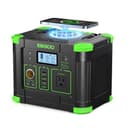 |  |
|---|---|---|
| Price | $116 | $117 |
| Rating | 4.5(215) | 4.3(1.4k) |
| Capacity Wh | 288W | 280W |
| Chemistry | Li-ion | Li-ion |
| AC Output Watts | 300W | 300W |
| Dc Ports | 1 | 1 |
| AC Outlets | 1 | 2 |
| USB A Ports | 2 | 4 |
| USB C Ports | 2 | — |
| Model Number | EB300 | R200 |
| Peak Output Watts | 600W | — |
| Weight | — | 5 lbs |
Swipe horizontally to see all columns
Pros & Cons
Quick overview of strengths and weaknesses
GRECELL 300W Portable
- 300W continuous power for small electronics.
- 288Wh capacity supports essential devices.
- 60W USB-C PD and QC USB-A for rapid charging.
- Integrated MPPT controller maximizes solar input.
- Only one 110V AC outlet available.
- Solar panel not included, requires separate purchase.
- Limited 288Wh capacity for extended heavy use.
ZeroKor Portable Power
- 300W pure sine wave AC output for sensitive devices.
- 280Wh capacity suitable for small electronics.
- Multiple ports: 2 AC, 1 DC, 4 USB, QC3.0.
- Lightweight 5lbs design enhances portability.
- 300W AC output limit restricts high-power appliances.
- Solar panel for charging must be purchased separately.
- Requires regular recharging; not for long-term storage.
- AC output requires manual activation/deactivation.
Frequently Asked Questions
Common questions about this comparison
Which power station offers better charging for modern devices like laptops?
The GRECELL EB300 is superior, featuring a USB-C PD 60W port, which allows for much faster charging of compatible laptops and smartphones than ZeroKor's standard USB-A ports.
Can I power more than one AC appliance at a time with these units?
Only the ZeroKor R200 allows this, with its two 110V AC outlets. The GRECELL EB300 has only one 110V AC outlet. Both have a 300W limit.
What is the difference in battery capacity between the two models?
The GRECELL EB300 has a 288Wh capacity, slightly more than the ZeroKor R200's 280Wh. Both use Li-ion chemistry.
Do these power stations come with a solar panel for charging?
No, neither the GRECELL EB300 nor the ZeroKor R200 includes a solar panel. They must be purchased separately to utilize solar charging capabilities.
Is there a significant difference in portability between these two?
The ZeroKor R200 explicitly states a weight of 5.0 lbs, making it notably lightweight. GRECELL doesn't list its weight, but generally these units are compact and highly portable.
Related Comparisons
Similar products people compare
ALLWEI vs ZeroKor
$129 vs $117
EnginStar vs ZeroKor
$130 vs $117
Jackery vs ZeroKor
$229 vs $117
ZeroKor vs Apowking
$117 vs $95
EnginStar vs ZeroKor
$130 vs $117
ENOFLO vs ZeroKor
$120 vs $117
EnginStar vs ZeroKor
$111 vs $117
Anker vs ZeroKor
$150 vs $117
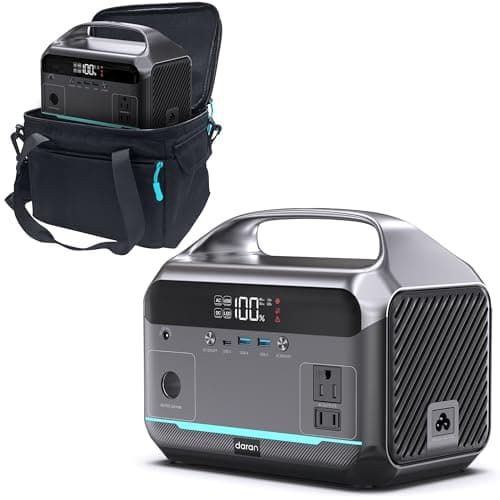
DARAN vs ZeroKor
$130 vs $117
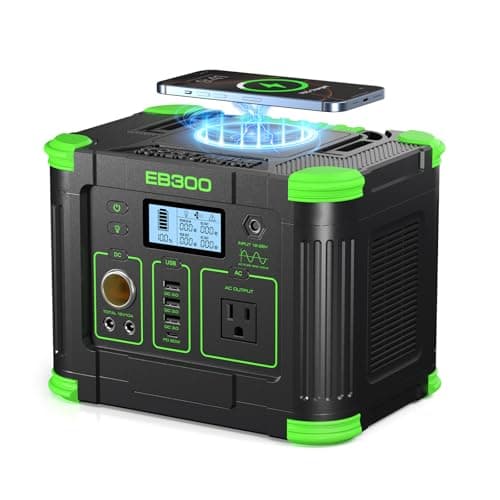
ALLWEI vs GRECELL
$129 vs $116
EnginStar vs GRECELL
$111 vs $116
EnginStar vs GRECELL
$130 vs $116
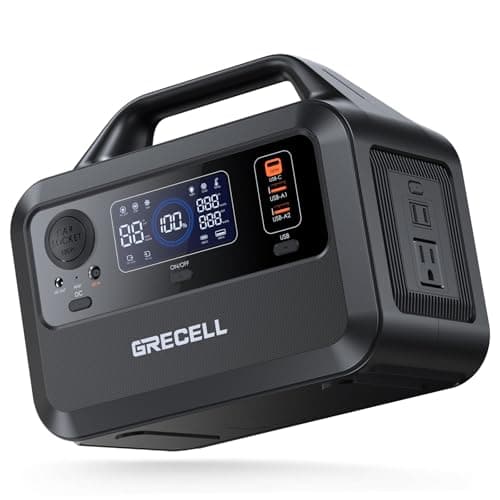
GRECELL vs GRECELL
$116 vs $120
Anker vs GRECELL
$150 vs $116
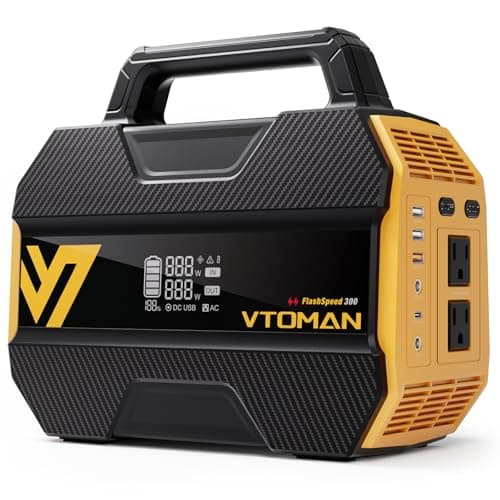
GRECELL vs VTOMAN
$116 vs $150
Explore Other Categories
Popular comparisons across the site
Ask AI
Get instant answers about specs
Get the Deets
Ask our AI assistant
Ask Deets anything!