Our Verdict
SinKeu Portable Power Station E300 (Product B) Wins
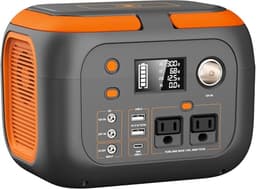
While both units offer a comparable 300W AC output and similar 256-260Wh capacities, the E300's use of LiFePO4 battery chemistry with 3500+ charge cycles provides significantly superior longevity and safety compared to the G300's standard Li-ion battery. This enhanced durability justifies its slightly higher price of $129.99 versus the G300's $102.83. Product A (G300) is the better pick for buyers whose absolute top priority is the lowest possible upfront cost and who have less demanding long-term usage expectations.
Bottom Line: SinKeu Portable Power Station E300 (Product B) is the better choice. While both units offer a comparable 300W AC output and similar 256-260Wh capacities, the E300's use of LiFePO4 battery chemistry with 3500+ charge cycles provides significantly superior longevity and safety compared to the G300's standard Li-ion battery.
In-Depth Analysis
How they compare in practice
The SinKeu G300 and E300 power stations present a compelling comparison, primarily distinguished by their internal battery technology and long-term value. Both units offer an identical 300W AC output and nearly identical capacities—260Wh for the G300 and 256Wh for the E300—meaning their ability to power small appliances like laptops, fans, or lights is virtually indistinguishable in short bursts. For most everyday charging needs, plugging in a laptop or phone, users will find little difference in immediate performance. The real divergence lies beneath the surface, impacting durability, safety, and overall cost of ownership. The E300’s adoption of LiFePO4 battery chemistry is its crowning advantage, boasting an impressive 3500+ charge cycles. This is a dramatic leap over the G300’s standard Li-ion battery, which typically offers only 500-800 cycles before significant degradation. In practical terms, the E300 is designed to last many years longer, making it a far more sustainable investment for regular or heavy use. While the G300 is priced more attractively at $102.83 compared to the E300’s $129.99, the extra $27.16 for the E300 buys a vastly extended lifespan and superior thermal stability, mitigating concerns about battery degradation and safety often associated with Li-ion in certain conditions. Beyond longevity, the E300 also offers enhanced user convenience with a quicker 3-hour charge time, ensuring it's ready for action faster after depletion. It also clearly specifies a 100W solar input, indicating robust solar charging capabilities, though a panel is separate for both. The E300's 6.5 lbs weight makes it very portable, while the G300’s weight is unspecified but likely comparable. Both units provide pure sine wave AC output, vital for protecting sensitive electronics like CPAP machines or medical devices. However, the E300’s USB-C PD output is limited to 18W, which might be a slight drawback for charging power-hungry USB-C laptops compared to potentially higher, albeit unspecified, output from the G300. Ultimately, the choice hinges on priorities. For occasional, light use where budget is paramount, the G300 offers good baseline performance. But for anyone seeking a robust, long-lasting power solution for frequent camping, emergency preparedness, or RV use, the E300’s LiFePO4 battery and extended cycle life deliver superior long-term value and peace of mind, making it the more prudent choice despite the slightly higher initial outlay.
Key Differences
The most significant spec differences at a glance
Battery Capacity
2% moreAdvantages
Where each product wins

SinKeu
- Battery Capacity: 2% higher (260 vs 256)
Which to Pick for Your Situation
Concrete scenarios with a clear recommendation
For long-term emergency preparedness
SinKeuProduct B features LiFePO4 battery chemistry with 3500+ charge cycles, ensuring exceptional longevity for critical backup power.
For a tight budget traveler needing basic charging
SinKeuProduct A offers 260Wh capacity and 300W AC output at a more affordable price of $102.83, suitable for essential device charging.
For rapid recharging between uses
SinKeuProduct B boasts a quick 3-hour charge time, allowing for faster replenishment and minimal downtime between power needs.
For powering sensitive electronics like medical devices
TieBoth power stations provide Pure Sine Wave AC output, which is crucial for protecting delicate equipment from power fluctuations.
Who Should Buy Which?
Find the right product for your needs

Buy SinKeu if...
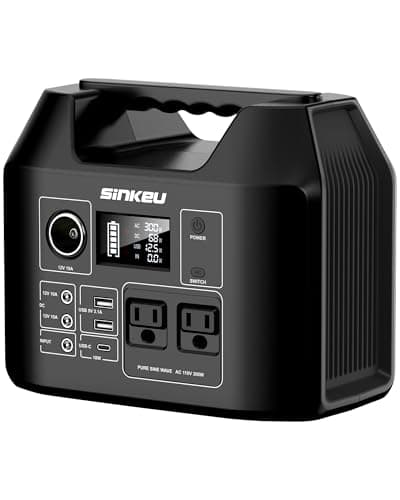
SinKeu 300W Portable Power
The ideal buyer for the SinKeu G300 is a budget-conscious individual seeking an accessible entry point into portable power. Their needs revolve around occasional, lighter use, such as short camping excursions, tailgating events, or having a dependable backup for essential devices during brief power outages. Priced at $102.83, its affordability is a significant draw. This user prioritizes immediate cost savings over extreme long-term durability. They will find the G300's 260Wh capacity and 300W AC output perfectly sufficient for powering laptops, charging smartphones multiple times, running small LED lights, or operating a portable fan for several hours. The dual 110V AC outlets ensure they can run typical household electronics. While its Li-ion battery chemistry won't offer the multi-decade lifespan of LiFePO4, its standard 500-800 charge cycles provide ample utility for their less frequent demands. This buyer doesn't require a power station engineered for daily, intensive use over many years but rather a practical, cost-effective unit that delivers reliable power for their specific, moderate-use scenarios, making the G300 an excellent value proposition without unnecessary expense.
Buy SinKeu if...
SinKeu Portable Power Station
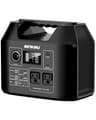
The ideal buyer for the SinKeu E300 is someone who prioritizes long-term reliability, enhanced safety, and superior battery longevity, even if it means a slightly higher initial investment. This user is likely a frequent camper, RV enthusiast, or someone building a robust emergency preparedness kit for their home. Their demands extend beyond occasional use, requiring a power station that can withstand consistent charging and discharging cycles over many years. The E300's standout feature, its LiFePO4 battery chemistry with an impressive 3500+ charge cycles, is the key selling point for them, ensuring the unit remains functional and efficient far longer than standard Li-ion alternatives. Despite a similar 256Wh capacity and 300W AC output to its sibling, the E300 provides peace of mind through its inherently more stable and safer battery composition. They appreciate the practical benefits like its quick 3-hour charge time, ensuring it's ready for use quickly after being depleted, and its highly portable 6.5 lbs weight for easy transport. This buyer is willing to pay $129.99 for a product designed for enduring performance, understanding that the added cost translates directly into significantly extended product life and reduced long-term replacement needs, making it a wise investment for sustained, demanding use.
Spec Comparison
12 specs compared
| Specification | 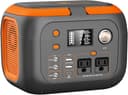 | 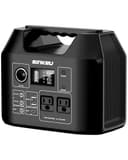 |
|---|---|---|
| Price | $103 | $130 |
| Rating | 4.3(1.5k) | 4.4(118) |
| Capacity Wh | 260W | 256W |
| Chemistry | Li-ion | LiFePO4 |
| AC Output Watts | 300W | 300W |
| Dc Ports | 2 | 2 |
| AC Outlets | 2 | 2 |
| USB A Ports | 2 | 2 |
| USB C Ports | 1 | 1 |
| Model Number | G300 | E300 |
| Cycle Life | — | 3500 |
| Weight | — | 6.5 lbs |
| Charge Time Hours | — | 3 hrs |
| Solar Input Watts | — | 100W |
Swipe horizontally to see all columns
Pros & Cons
Quick overview of strengths and weaknesses
SinKeu 300W Portable
- 260Wh capacity for extended device use.
- Dual 110V AC outlets; 300W total output.
- Multiple port types: USB-A/C, DC, 12V, wireless.
- Pure Sine Wave AC output for sensitive devices.
- Maximum AC output is limited to 300W.
- Solar panel required for solar charging, sold separately.
- Needs monthly charge to maintain battery health.
SinKeu Portable Power
- LiFePO4 battery offers 3500+ charge cycles
- 6.5 lbs weight aids portability
- Eight output ports support diverse device charging
- Pure sine wave AC output protects sensitive electronics
- 256Wh capacity is low for prolonged use
- 300W AC output limits use with high-power appliances
- USB-C PD output limited to 18W
Frequently Asked Questions
Common questions about this comparison
What is the primary difference in battery lifespan between these two power stations?
Product B (E300) uses LiFePO4 chemistry with over 3500 charge cycles, offering significantly longer life than Product A (G300), which uses Li-ion batteries typically rated for 500-800 cycles.
Can these power stations run a small mini-fridge or a coffee maker?
Both units have a 300W AC output limit. A mini-fridge might work if its running wattage is under 300W, but a coffee maker typically exceeds this, so neither is suitable for high-wattage appliances.
How long does it take to fully recharge the SinKeu E300 (Product B)?
The SinKeu E300 (Product B) can be fully recharged in approximately 3 hours using an AC wall outlet, offering quick turnaround times.
Are solar panels included with either portable power station for solar charging?
No, solar panels are not included with either Product A or Product B. They must be purchased separately to utilize their solar charging capabilities.
What is the maximum power output for USB-C devices on Product B?
Product B's (E300) USB-C port provides power delivery (PD) output limited to 18W, which is suitable for phones and tablets but might be slow for some larger laptops.
Which unit is lighter for increased portability?
Product B (E300) weighs 6.5 lbs, making it a highly portable option for its capacity. Product A's weight is not specified, but the E300 explicitly highlights its light design.
Related Comparisons
Similar products people compare
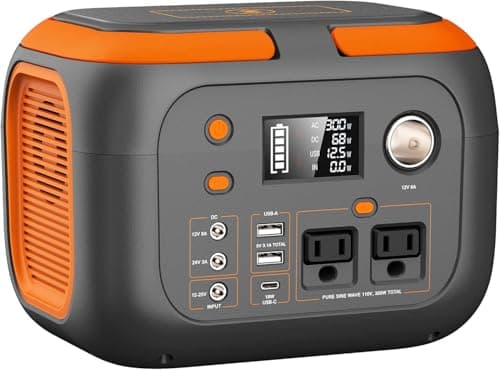
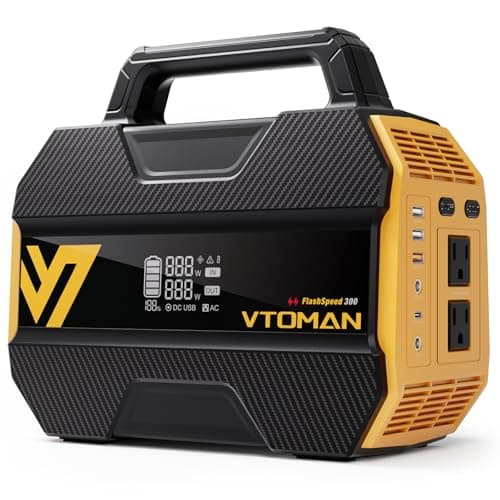
SinKeu vs VTOMAN
$103 vs $150
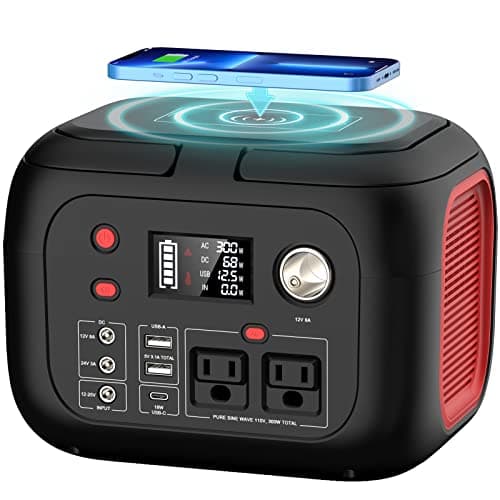
ENOFLO vs SinKeu
$120 vs $103
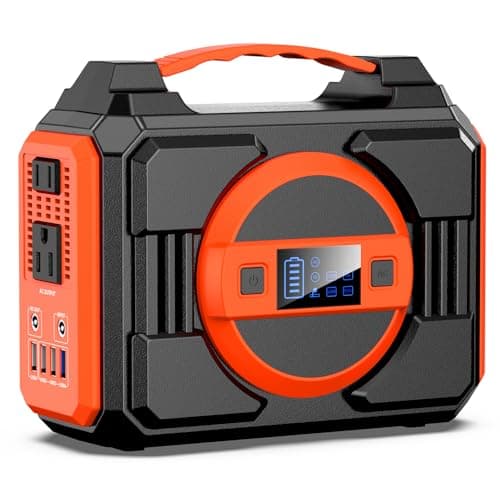
Apowking vs SinKeu
$100 vs $103
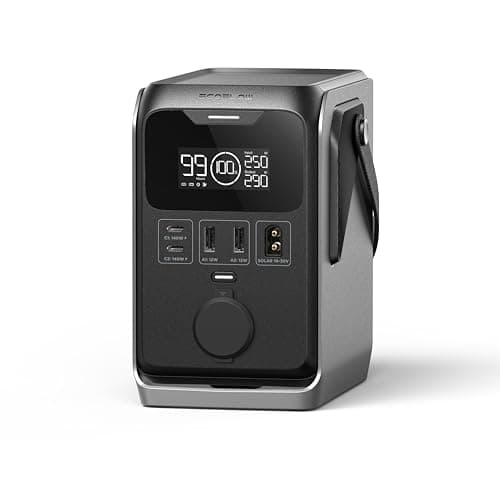
EF ECOFLOW vs SinKeu
$147 vs $103
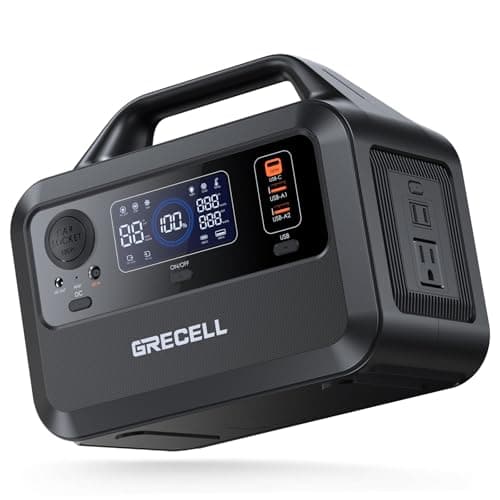
GRECELL vs SinKeu
$120 vs $103
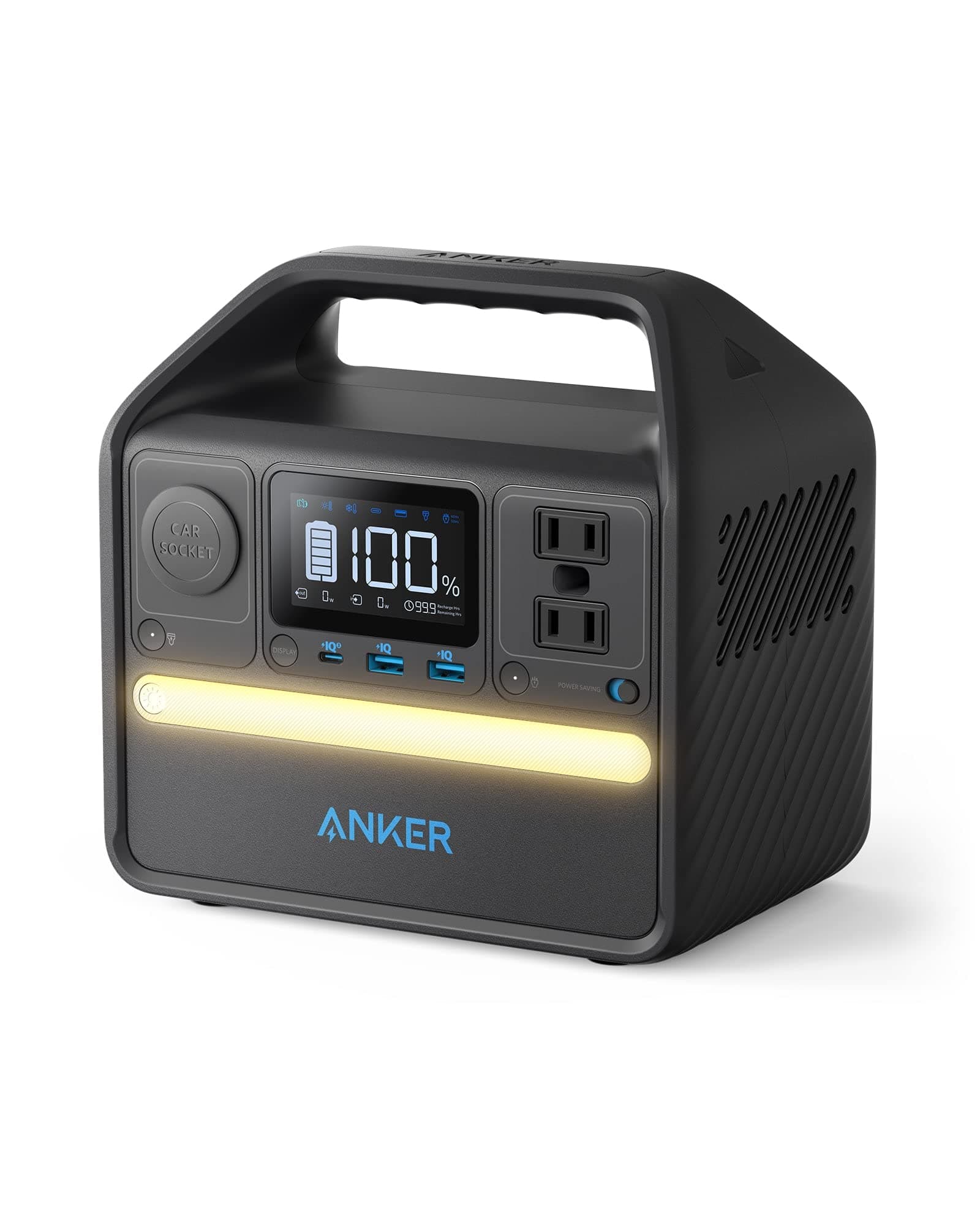
Anker vs SinKeu
$150 vs $103
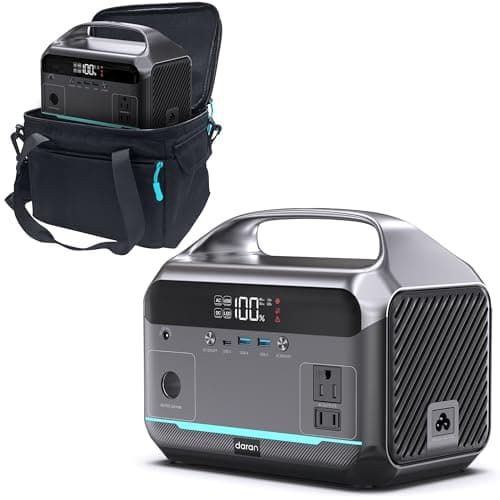
DARAN vs SinKeu
$130 vs $103
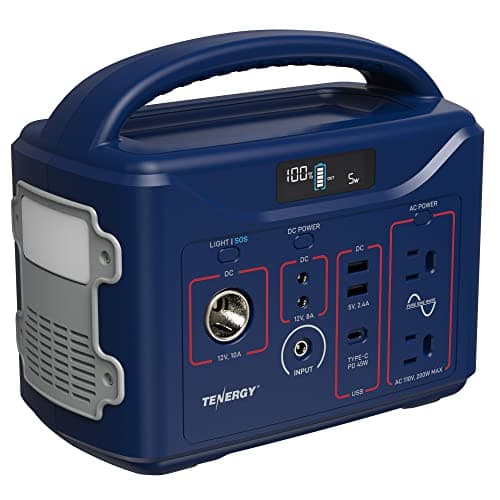
SinKeu vs Tenergy
$130 vs $180
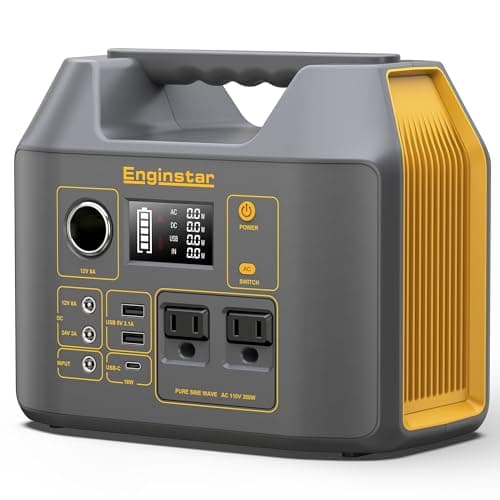
EnginStar vs SinKeu
$111 vs $103
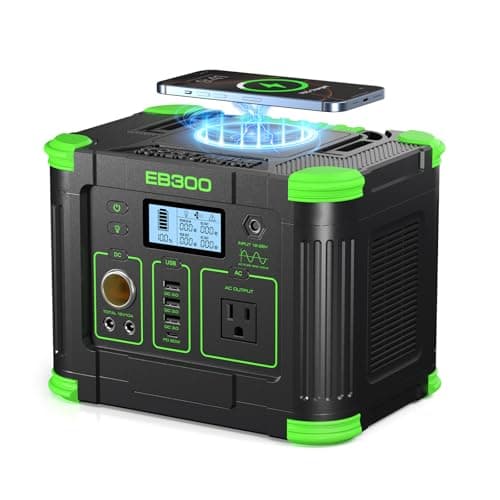
GRECELL vs SinKeu
$116 vs $103
EnginStar vs SinKeu
$130 vs $103
ZeroKor vs SinKeu
$130 vs $103
ALLWEI vs SinKeu
$129 vs $103
EnginStar vs SinKeu
$130 vs $103
SinKeu vs VTOMAN
$130 vs $150
Explore Other Categories
Popular comparisons across the site
Ask AI
Get instant answers about specs
Get the Deets
Ask our AI assistant
Ask Deets anything!