Our Verdict
SinKeu Portable Power Station 80000mAh Wins
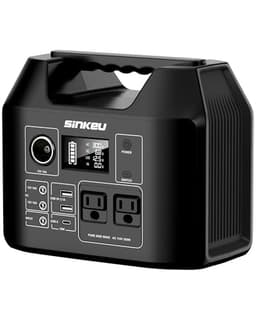
It offers superior battery longevity with LiFePO4 chemistry, rated for 3500 cycles compared to Tenergy's 2000 cycles, and a higher continuous AC output of 300W versus Tenergy's 200W. All this comes at a significantly lower price point of $129.99, offering better long-term value and versatility. The Tenergy T320 is the better pick for users who prioritize slightly more overall capacity at 300Wh or faster USB-C PD charging at 45W.
Bottom Line: SinKeu Portable Power Station 80000mAh is the better choice. It offers superior battery longevity with LiFePO4 chemistry, rated for 3500 cycles compared to Tenergy's 2000 cycles, and a higher continuous AC output of 300W versus Tenergy's 200W.
In-Depth Analysis
How they compare in practice
These two portable power stations cater to similar entry-level needs but diverge significantly in their underlying technology and value proposition. The SinKeu E300 distinguishes itself immediately with its LiFePO4 battery chemistry, providing an impressive 3500 charge cycles, dwarfing the Tenergy T320's 2000 cycles (likely NMC). This means the SinKeu unit is designed for nearly double the lifespan, translating to exceptional long-term value and reliability, especially for frequent users or those planning for extended emergency preparedness.
In terms of power output, the SinKeu E300 pulls ahead with a 300W continuous AC output, offering greater compatibility with a broader range of small appliances than the Tenergy T320's 200W. While the Tenergy boasts a slightly higher total capacity at 300Wh compared to SinKeu's 256Wh, this marginal gain is often offset by the SinKeu's superior AC output for devices needing that extra wattage. Furthermore, the SinKeu's price of $129.99 is substantially lower than Tenergy's $179.99, making it a more accessible option without compromising on critical features like pure sine wave output and diverse charging ports.
The Tenergy T320 does have a notable advantage in its USB-C PD output, delivering 45W compared to SinKeu's 18W. For users primarily charging modern laptops, tablets, or fast-charging smartphones, this higher PD output can be a significant convenience. However, the Tenergy unit is also heavier at 8.4 lbs compared to the SinKeu's 6.5 lbs, impacting portability. Ultimately, the choice hinges on priorities: the SinKeu offers a robust, long-lasting, and more powerful AC experience at a better price, while the Tenergy provides slightly more capacity and faster USB-C charging for a higher investment.
Key Differences
The most significant spec differences at a glance
Battery Capacity
15% lessAC Output
50% moreCycle Life
75% moreDc Ports
33% lessWeight
23% lessAdvantages
Where each product wins

SinKeu
- AC Output: 50% higher (300 vs 200)
- Cycle Life: 75% higher (3500 vs 2000)
- Weight: 23% lower (6.5 vs 8.4)

Tenergy
- Battery Capacity: 15% higher (256 vs 300)
- Dc Ports: 33% higher (2 vs 3)
Which to Pick for Your Situation
Concrete scenarios with a clear recommendation
For long-term reliability and frequent use
SinKeuThe SinKeu E300 features a LiFePO4 battery with 3500+ charge cycles, significantly outlasting the Tenergy T320's 2000 cycles.
For powering small appliances and tools
SinKeuThe SinKeu E300 offers a higher continuous AC output of 300W, compared to the Tenergy T320's 200W, supporting more demanding devices.
For charging modern laptops and fast-charging phones
TenergyThe Tenergy T320 provides 45W USB-C PD output, much faster than the SinKeu E300's 18W USB-C output.
For the most budget-conscious buyer
SinKeuPriced at $129.99, the SinKeu E300 is significantly more affordable than the Tenergy T320 at $179.99.
Who Should Buy Which?
Find the right product for your needs
Buy SinKeu if...
SinKeu Portable Power Station
The SinKeu Portable Power Station 80000mAh is the ideal choice for the budget-conscious consumer who prioritizes long-term durability and versatile AC power. This buyer is likely someone who frequently camps, experiences occasional power outages, or needs reliable backup power for essential electronics like lights, fans, and medical devices. They value the LiFePO4 battery chemistry, which, with 3500+ charge cycles, promises years of service, minimizing the need for replacement. The 300W AC output is crucial for them to run small appliances or charge laptops without worry, and the lower price of $129.99 makes this advanced chemistry accessible. While they might forego the Tenergy's slightly higher capacity or faster USB-C PD, the SinKeu's robust lifespan and AC output deliver superior value and peace of mind for their primary needs.

Buy Tenergy if...
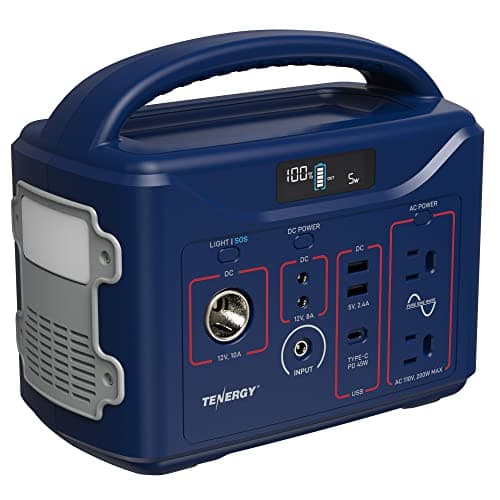
Tenergy T320 Portable Power
The Tenergy T320 Portable Power Station is best suited for users who need a slight edge in raw battery capacity and faster USB-C charging, and are willing to invest a bit more for these features. This buyer might be a digital nomad, a content creator, or someone with modern, power-hungry gadgets that benefit from 45W USB-C Power Delivery, such as certain laptops, tablets, or newer smartphones. The 300Wh capacity provides a marginally longer runtime for low-power devices compared to its competitor. While the Tenergy's 200W AC output is more restrictive and its 2000 cycle life is less than the SinKeu's, this buyer values the convenience of rapid USB-C charging and the slightly extended capacity for their specific tech needs, even if it comes with a higher price tag of $179.99 and a heavier 8.4 lbs form factor.
Spec Comparison
13 specs compared
| Specification |  | 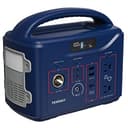 |
|---|---|---|
| Price | $130 | $180 |
| Rating | 4.4(118) | 4.3(217) |
| Capacity Wh | 256W | 300W |
| Chemistry | LiFePO4 | — |
| AC Output Watts | 300W | 200W |
| Dc Ports | 2 | 3 |
| AC Outlets | 2 | 2 |
| Cycle Life | 3500 | 2000 |
| Weight | 6.5 lbs | 8.4 lbs |
| USB A Ports | 2 | 2 |
| USB C Ports | 1 | 1 |
| Model Number | E300 | T320 |
| Charge Time Hours | 3 hrs | — |
| Solar Input Watts | 100W | — |
| Peak Output Watts | — | 400W |
Swipe horizontally to see all columns
Pros & Cons
Quick overview of strengths and weaknesses
SinKeu Portable Power
- LiFePO4 battery offers 3500+ charge cycles
- 6.5 lbs weight aids portability
- Eight output ports support diverse device charging
- Pure sine wave AC output protects sensitive electronics
- 256Wh capacity is low for prolonged use
- 300W AC output limits use with high-power appliances
- USB-C PD output limited to 18W
Tenergy T320 Portable
- Provides 300Wh power for extended use.
- 2 AC outlets deliver 200W continuous, 400W surge.
- Pure Sine Wave AC output protects sensitive electronics.
- Multiple DC outputs: USB-C PD 45W, 2 USB-A, 12V car.
- 200W continuous AC output limits appliance compatibility.
- Combined AC/DC output limited to 398W total.
- Solar panel not included for solar recharging option.
Frequently Asked Questions
Common questions about this comparison
What is the expected lifespan of these power stations?
The SinKeu E300, with its LiFePO4 battery, is rated for 3500+ charge cycles. The Tenergy T320 offers 2000+ charge cycles, meaning the SinKeu unit is designed to last nearly twice as long under typical use.
Which power station can power more demanding devices?
The SinKeu E300 provides a higher continuous AC output of 300W. The Tenergy T320 is limited to 200W continuous AC output, although it has a 400W surge capability.
How quickly can these power stations charge devices via USB-C?
The Tenergy T320 has a faster USB-C PD output at 45W, ideal for laptops and quick-charging phones. The SinKeu E300's USB-C output is 18W, suitable for smaller devices.
What is the capacity difference between the two units?
The Tenergy T320 offers a slightly larger capacity at 300Wh. The SinKeu E300 has a capacity of 256Wh. Both are suitable for small electronics and brief power outages.
Can both power stations be recharged by solar panels?
Yes, both units are solar ready. The SinKeu E300 supports up to 100W solar input, while the Tenergy T320 is also designed for solar charging, though a panel isn't included with either.
Related Comparisons
Similar products people compare
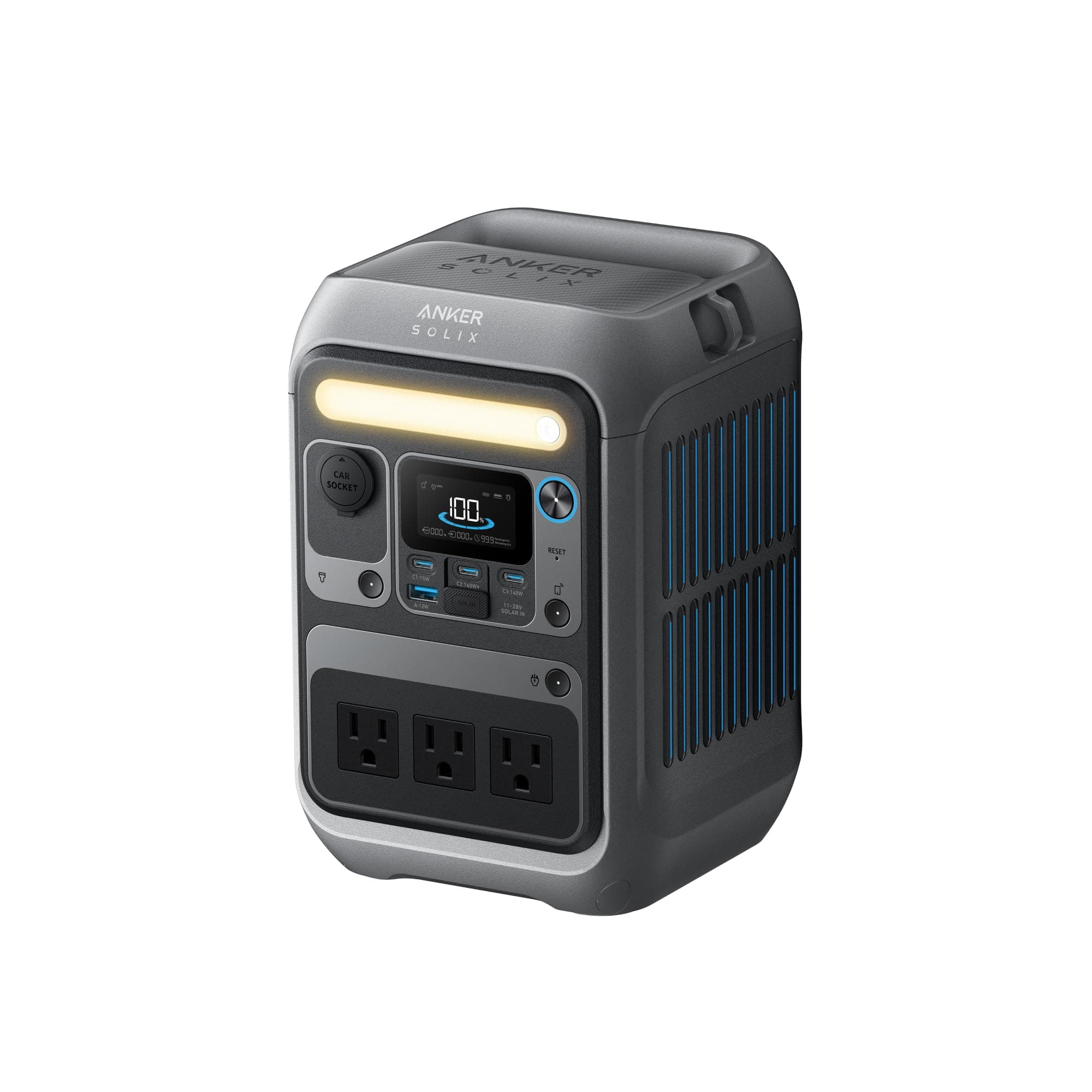
Anker vs Tenergy
$250 vs $180
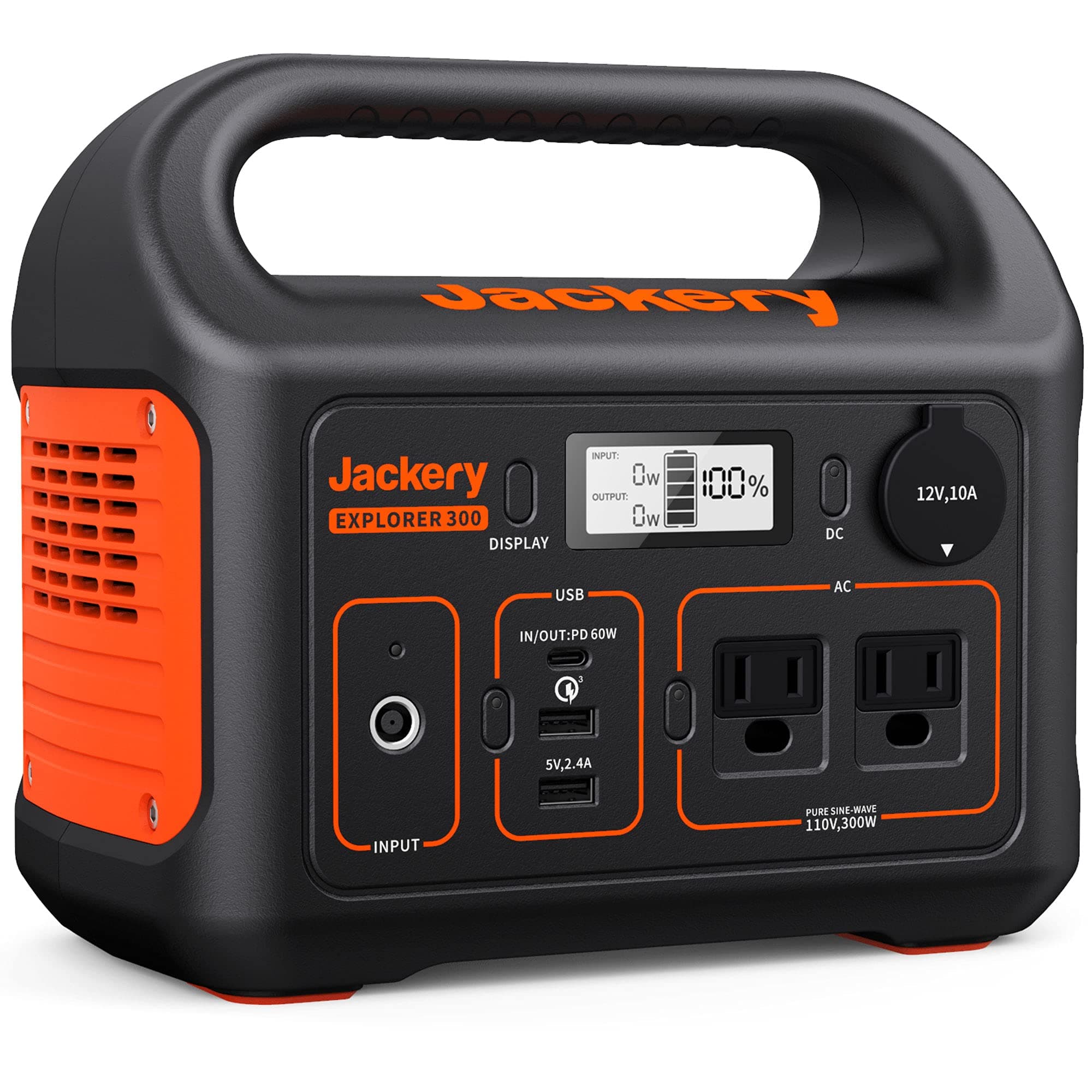
Jackery vs Tenergy
$229 vs $180
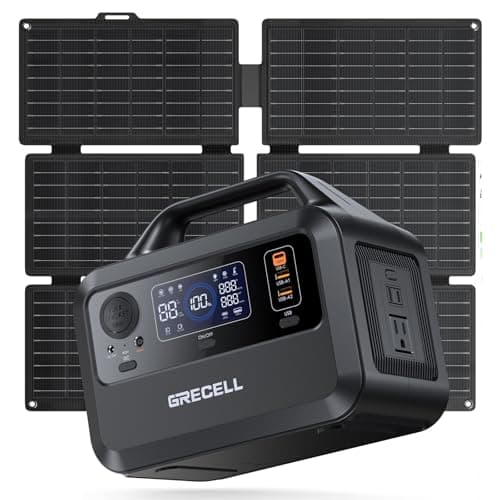
GRECELL vs Tenergy
$230 vs $180
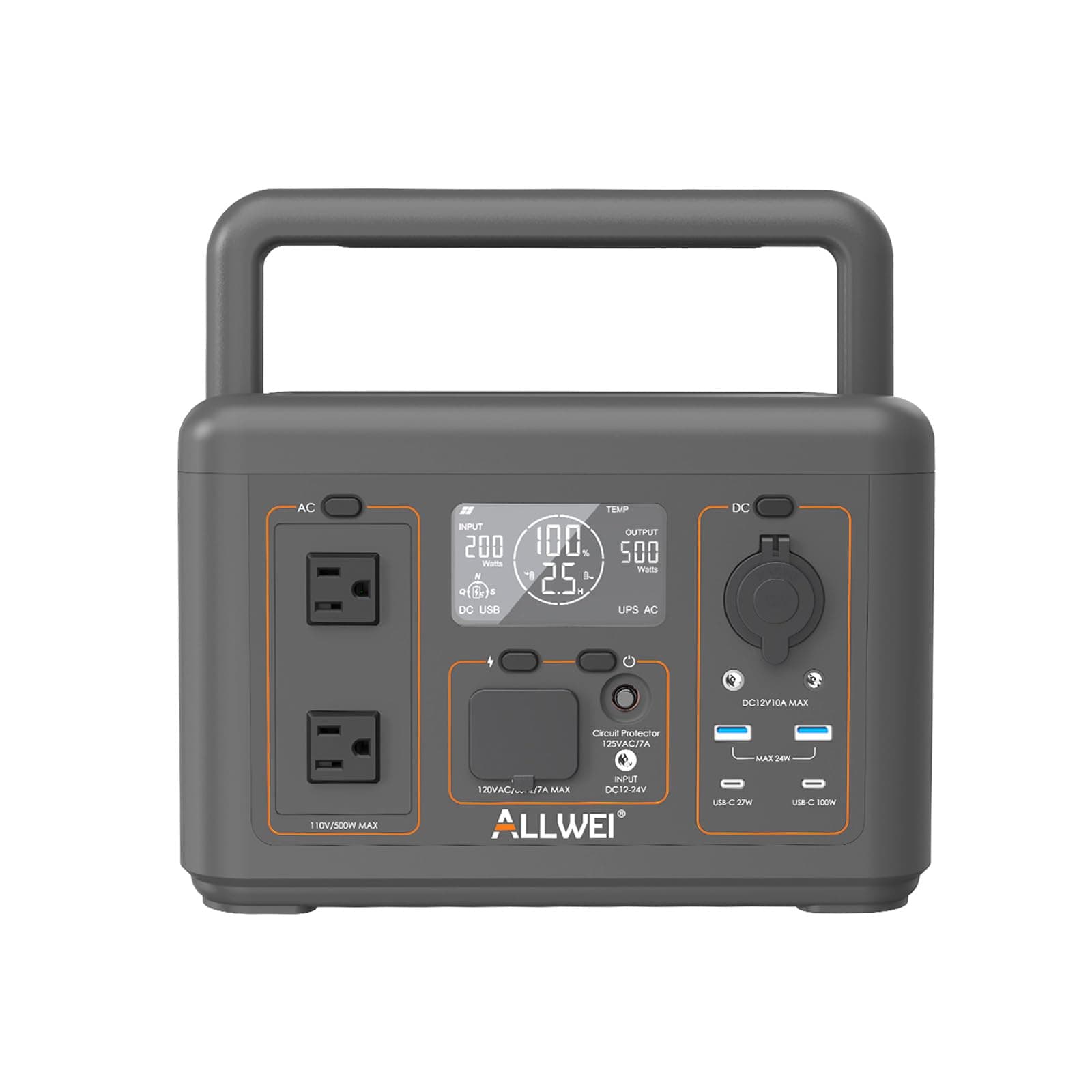
ALLWEI vs Tenergy
$269 vs $180
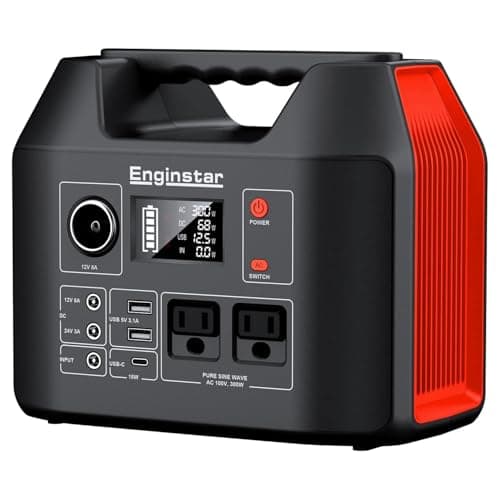
EnginStar vs Tenergy
$130 vs $180
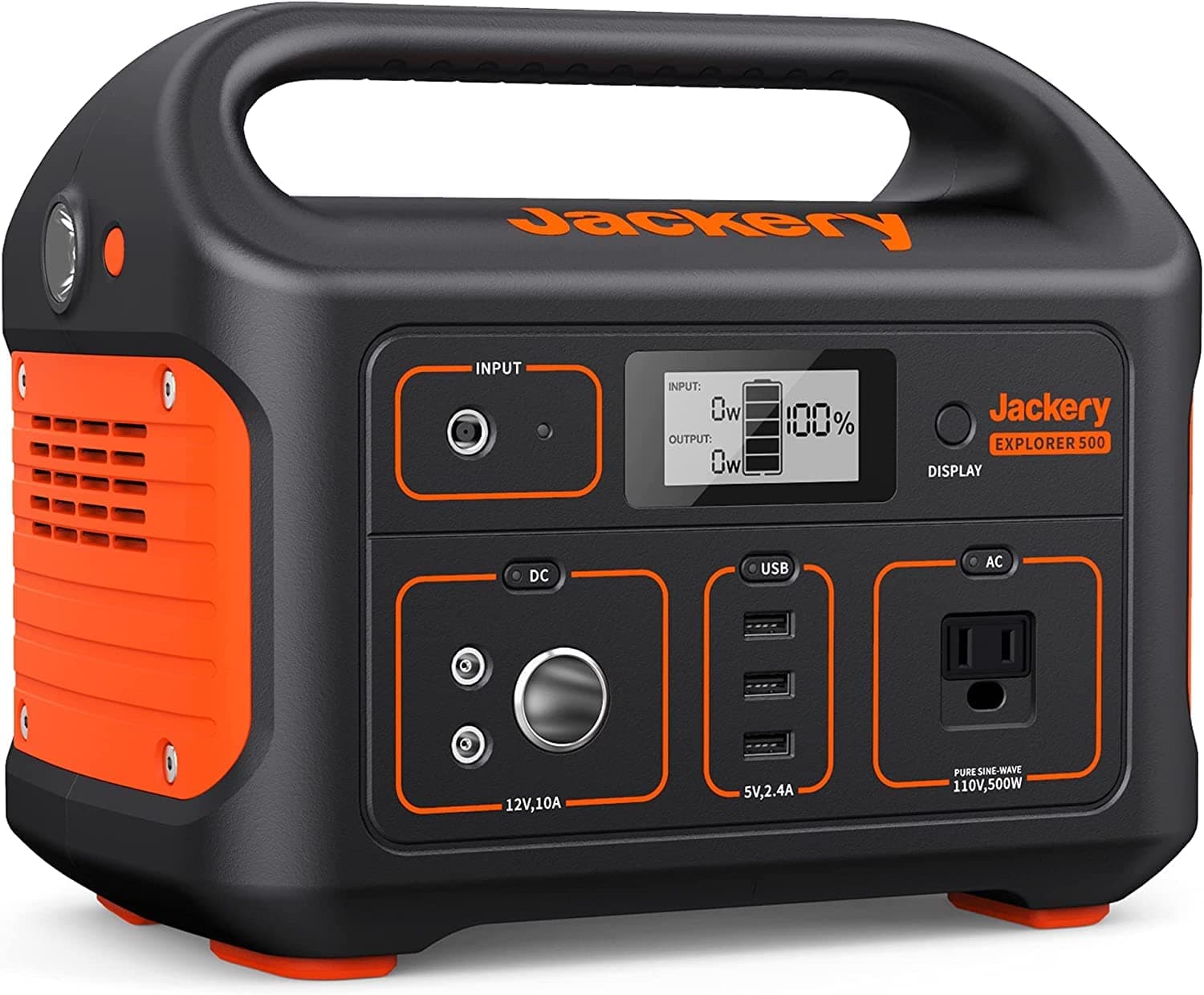
Jackery vs Tenergy
$299 vs $180
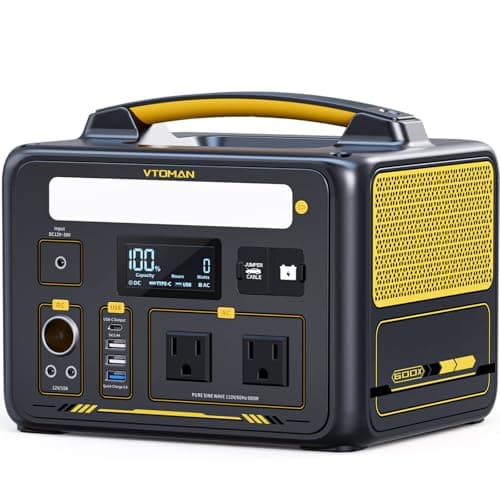
Tenergy vs VTOMAN
$180 vs $240
ALLWEI vs Tenergy
$129 vs $180
Tenergy vs VTOMAN
$180 vs $150
Apowking vs Tenergy
$100 vs $180
Anker vs Tenergy
$300 vs $180
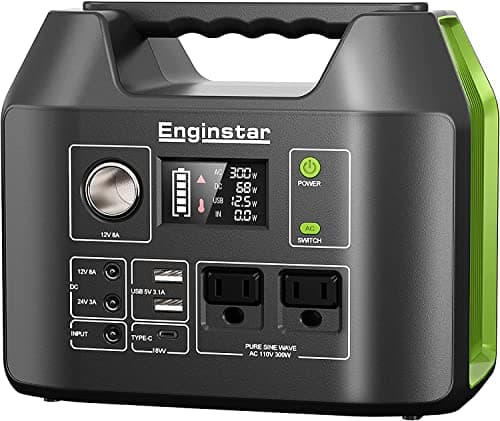
EnginStar vs Tenergy
$130 vs $180
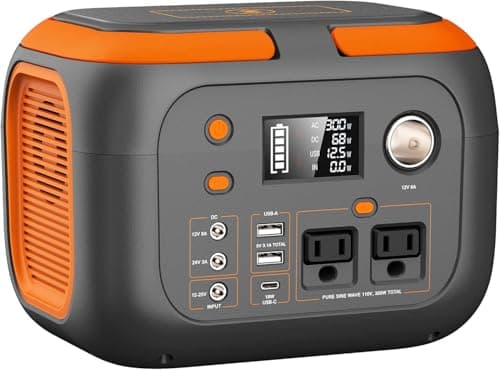
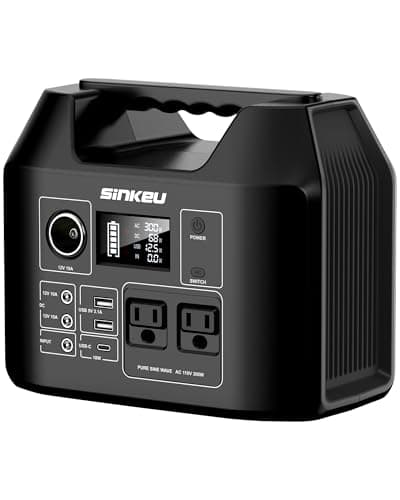
SinKeu vs SinKeu
$103 vs $130
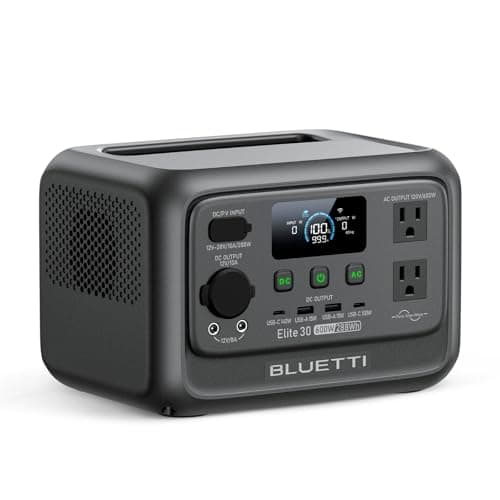
BLUETTI vs Tenergy
$219 vs $180
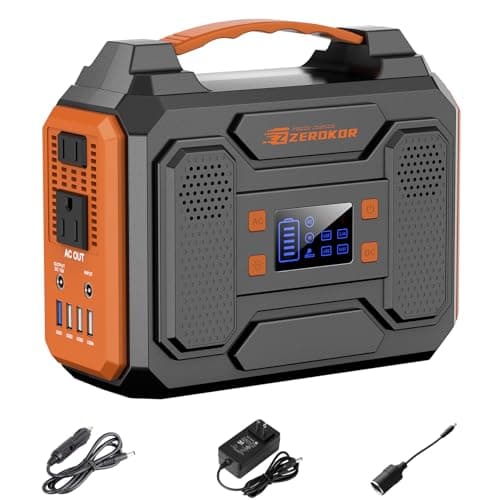
ZeroKor vs Tenergy
$130 vs $180
Explore Other Categories
Popular comparisons across the site

Ask AI
Get instant answers about specs
Get the Deets
Ask our AI assistant
Ask Deets anything!