Our Verdict
ALLWEI Wins
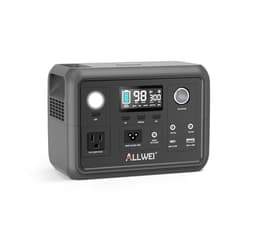
Despite a slightly lower 256Wh capacity and a $129 price tag, the ALLWEI's LiFePO4 battery chemistry offers an impressive 3000 charge cycles, ensuring significantly longer lifespan and superior long-term value compared to GRECELL's standard Li-ion battery. Both units deliver a comparable 300W AC output for general device powering needs. GRECELL is the better pick for budget-conscious users prioritizing a lower upfront cost of $115.99 and a slightly higher 288Wh capacity for occasional use, benefiting from its additional USB-A and USB-C ports.
Bottom Line: ALLWEI is the better choice. Despite a slightly lower 256Wh capacity and a $129 price tag, the ALLWEI's LiFePO4 battery chemistry offers an impressive 3000 charge cycles, ensuring significantly longer lifespan and superior long-term value compared to GRECELL's standard Li-ion battery.
In-Depth Analysis
How they compare in practice
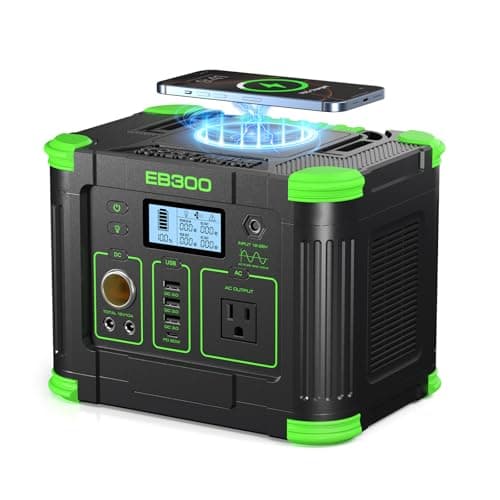
The core distinction between the ALLWEI PPS300-4 and the GRECELL EB300 lies in their battery chemistry, which profoundly impacts their long-term value and durability. The ALLWEI utilizes LiFePO4 cells, boasting an impressive 3000 charge cycles before significant degradation. In real-world terms, this means the ALLWEI can be recharged daily for over eight years, maintaining robust performance. In contrast, the GRECELL employs standard Li-ion cells, which typically offer 500-800 cycles, making its lifespan considerably shorter under similar usage patterns. While the GRECELL offers a slightly higher 288Wh capacity compared to ALLWEI's 256Wh and comes at a lower price point of $115.99 versus $129, the long-term cost-effectiveness strongly favors the ALLWEI due to its superior battery longevity.
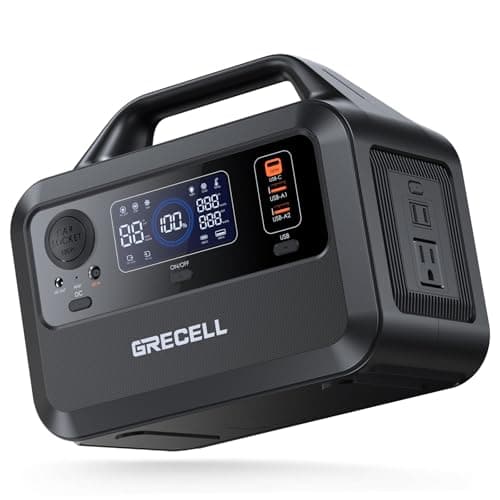
Regarding power delivery, both units provide a 300W continuous AC output with a 600W peak, making them suitable for powering small appliances like laptops, fans, or CPAP machines. The limitation for both is the single AC outlet, which restricts simultaneous powering of multiple AC devices. Where they differ in port selection is notable: the ALLWEI features three DC ports, alongside one USB-A and one USB-C (60W PD). The GRECELL, however, offers more modern device connectivity with two USB-A and two USB-C (60W PD) ports but only one DC port. For users primarily charging smartphones, tablets, or drones, GRECELL's port array is more versatile.
Recharging also presents a subtle difference; ALLWEI claims a 4-hour recharge time, or an impressive 2.5 hours via dual AC+solar input, offering faster readiness. While GRECELL's exact recharge time isn't specified, the ALLWEI's dual-input advantage for quick turnaround is a practical benefit. Ultimately, the choice boils down to priorities: the ALLWEI is an investment in longevity and robust battery tech for frequent, demanding use, justifying its slightly higher cost. The GRECELL offers a more budget-friendly entry, slightly more capacity, and better USB connectivity for those with lighter, less frequent power needs.
Key Differences
The most significant spec differences at a glance
Battery Capacity
11% lessDc Ports
200% moreUSB-A Ports
50% lessUSB-C Ports
50% lessAdvantages
Where each product wins

ALLWEI
- Dc Ports: 200% higher (3 vs 1)

GRECELL
- Battery Capacity: 11% higher (256 vs 288)
- USB-A Ports: 50% higher (1 vs 2)
- USB-C Ports: 50% higher (1 vs 2)
Which to Pick for Your Situation
Concrete scenarios with a clear recommendation
For long-term, frequent use
ALLWEIThe ALLWEI's LiFePO4 chemistry provides 3000 charge cycles, offering significantly extended battery lifespan over the GRECELL's standard Li-ion.
For the most budget-conscious buyer
GRECELLThe GRECELL is priced at $115.99, offering a slight capacity advantage at 288Wh for less than the ALLWEI's $129.
For charging multiple modern USB devices
GRECELLThe GRECELL provides two USB-A and two USB-C (60W PD) ports, offering more versatility for current devices than ALLWEI's single USB-A and single USB-C.
For basic home backup of sensitive electronics
TieBoth power stations offer 300W continuous pure sine wave AC output, suitable for safely powering sensitive devices during outages.
Who Should Buy Which?
Find the right product for your needs

Buy ALLWEI if...
ALLWEI Portable Power Station
The ALLWEI Portable Power Station 300W is ideally suited for the discerning buyer who prioritizes long-term reliability and exceptional battery longevity. This individual likely plans to use their power station frequently, whether for regular off-grid camping, as a reliable emergency backup during extended power outages, or for professional use where consistent, durable power is critical. Their priorities center around a robust, long-lasting investment, and they understand that the slightly higher $129 price tag is justified by the advanced LiFePO4 battery chemistry, which boasts an incredible 3000 charge cycles. This buyer values the peace of mind that comes with knowing their device will perform reliably for many years, significantly outlasting typical Li-ion alternatives. They may also benefit from the ALLWEI's three DC ports for specific DC-powered devices, and appreciate the faster 2.5-hour recharge time when utilizing dual AC+solar input. They are willing to forego a slightly lower initial cost or an abundance of modern USB ports in favor of unparalleled durability and enduring performance.

Buy GRECELL if...
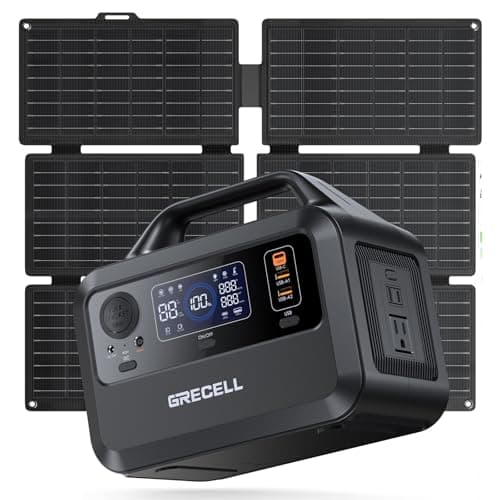
GRECELL 300W Portable Power
The GRECELL 300W Portable Power Station is the perfect choice for the pragmatic, budget-conscious consumer seeking an efficient and versatile power solution for intermittent needs. This buyer is likely planning for weekend camping trips, tailgating events, or as a reliable, affordable backup for short home blackouts. Their primary priorities are a lower upfront cost, currently $115.99, coupled with a slightly higher 288Wh capacity to power essential devices. This individual appreciates modern connectivity, making the GRECELL's two USB-A and two USB-C (60W PD) ports highly appealing for charging multiple smartphones, tablets, or laptops simultaneously. While they acknowledge the battery uses standard Li-ion cells, the expected lifespan is perfectly adequate for their occasional or less demanding usage patterns, and the cost savings are a significant factor. They don't require the extreme longevity offered by LiFePO4, preferring to optimize for immediate value and diverse port options for their array of personal electronics.
Spec Comparison
13 specs compared
| Specification |  |  |
|---|---|---|
| Price | $129 | $116 |
| Rating | 4.4(2.3k) | 4.5(215) |
| Capacity Wh | 256W | 288W |
| Chemistry | LiFePO4 | Li-ion |
| AC Output Watts | 300W | 300W |
| Dc Ports | 3 | 1 |
| AC Outlets | 1 | 1 |
| Cycle Life | 3000 | — |
| Expandable | No | — |
| USB A Ports | 1 | 2 |
| USB C Ports | 1 | 2 |
| Model Number | PPS300-4 | EB300 |
| Charge Time Hours | 4 hrs | — |
| Peak Output Watts | 600W | 600W |
| Solar Input Watts | 100W | — |
Swipe horizontally to see all columns
Pros & Cons
Quick overview of strengths and weaknesses
ALLWEI Portable Power
- 3000 LiFePO4 cycles for extended battery longevity
- 6 output ports charge multiple devices simultaneously
- 60W USB-C PD port for rapid device charging
- Pure sine wave AC output protects sensitive electronics
- 256Wh capacity is limited for long-duration use
- Single AC outlet limits appliance connectivity
- Solar panel not included, adds to total cost
- 300W AC output insufficient for high-power tools
GRECELL 300W Portable
- 300W continuous power for small electronics.
- 288Wh capacity supports essential devices.
- 60W USB-C PD and QC USB-A for rapid charging.
- Integrated MPPT controller maximizes solar input.
- Only one 110V AC outlet available.
- Solar panel not included, requires separate purchase.
- Limited 288Wh capacity for extended heavy use.
Frequently Asked Questions
Common questions about this comparison
What is the primary difference in battery lifespan between these two units?
The ALLWEI uses LiFePO4 chemistry with 3000 charge cycles, offering much longer durability compared to GRECELL's Li-ion battery, which typically provides 500-800 cycles.
Which power station is better for charging multiple USB devices?
The GRECELL EB300 is superior for USB charging, featuring two USB-A and two USB-C (60W PD) ports, whereas the ALLWEI PPS300-4 has one of each.
Can either of these power a small mini-fridge or a CPAP machine?
Yes, both units offer 300W continuous AC output, which is sufficient for most small mini-fridges and CPAP machines. Always check the appliance's wattage requirements.
What are the typical recharge times for these power stations?
The ALLWEI recharges in 4 hours, or in just 2.5 hours using a dual AC+solar input. The GRECELL's specific recharge time is not listed, but is generally competitive.
Do either of these products include a solar panel?
No, neither the ALLWEI nor the GRECELL power station includes a solar panel. They are optional accessories and must be purchased separately.
Related Comparisons
Similar products people compare
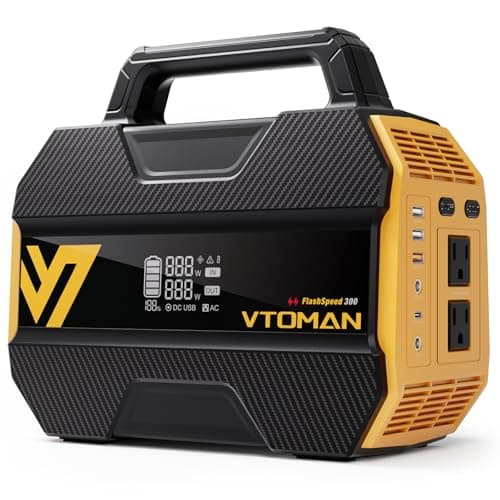
ALLWEI vs VTOMAN
$129 vs $150
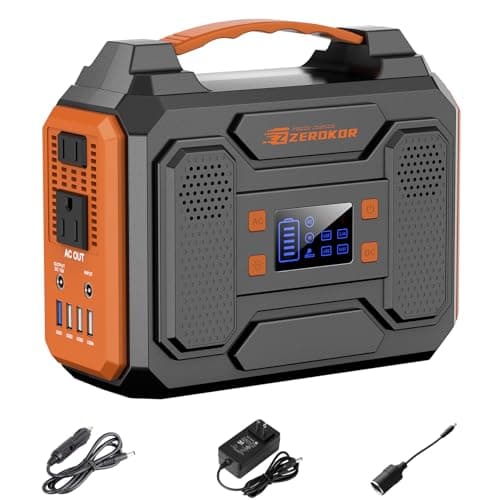
ALLWEI vs ZeroKor
$129 vs $117
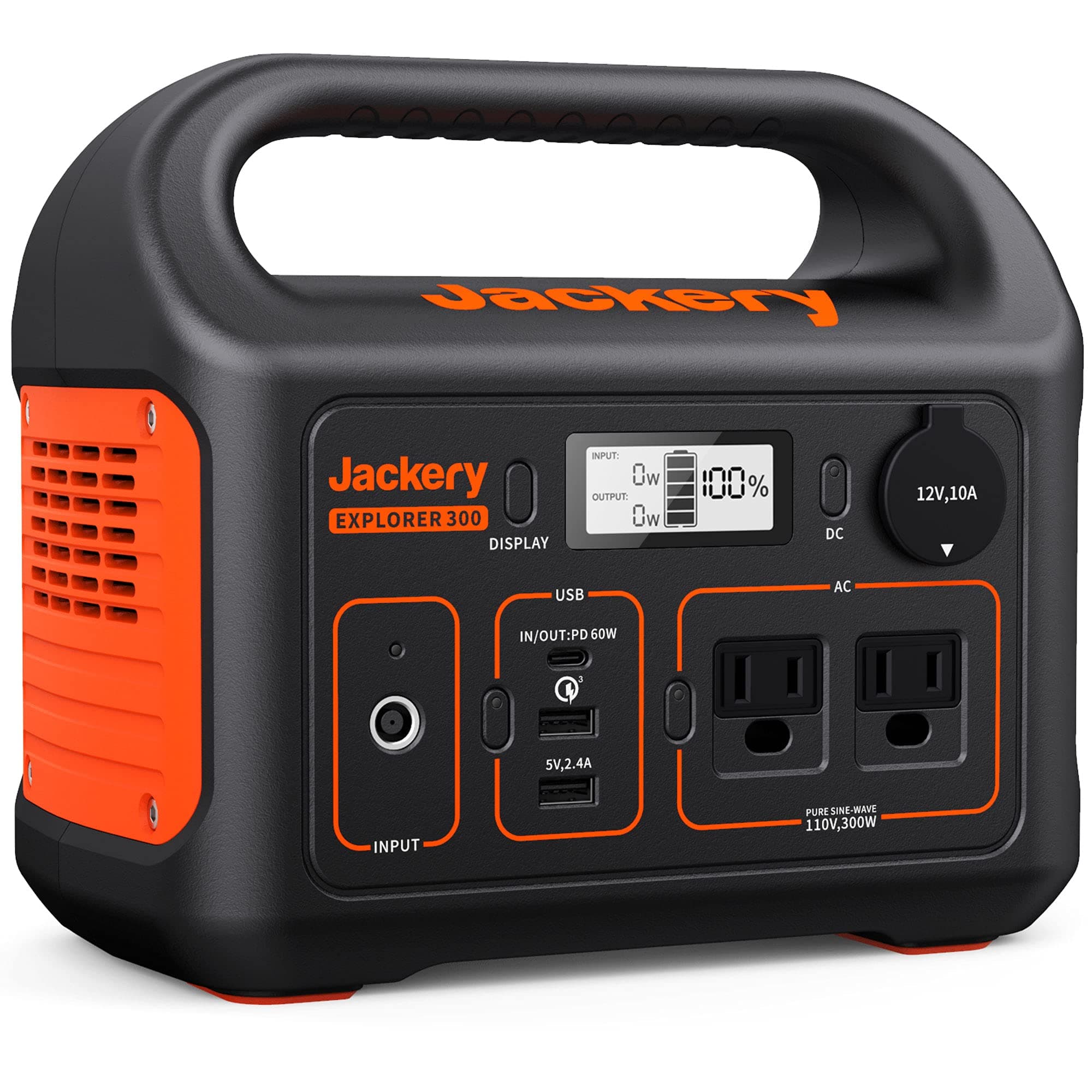
ALLWEI vs Jackery
$129 vs $229
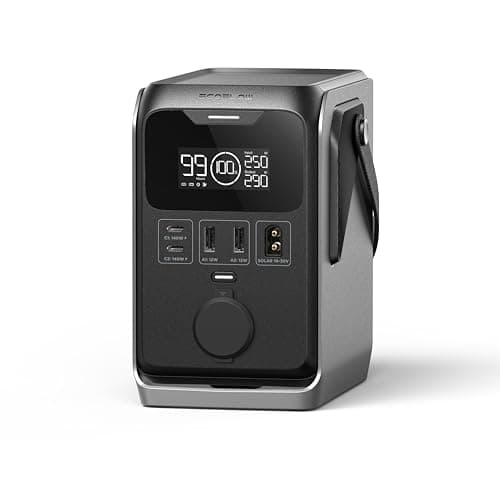
ALLWEI vs EF ECOFLOW
$129 vs $147
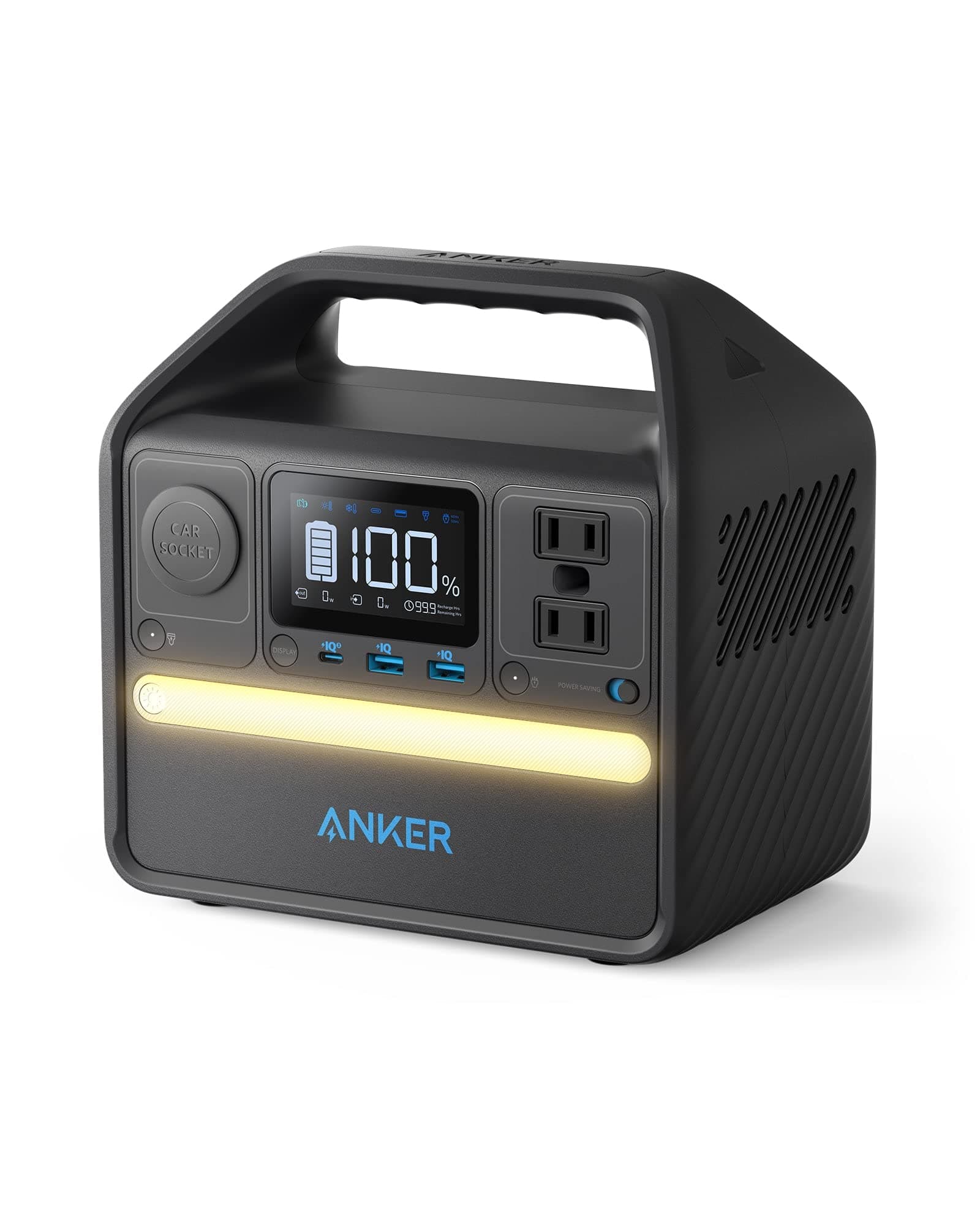
ALLWEI vs Anker
$129 vs $150
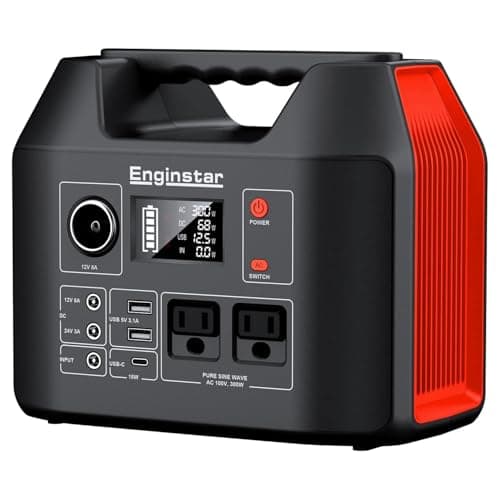
ALLWEI vs EnginStar
$129 vs $130
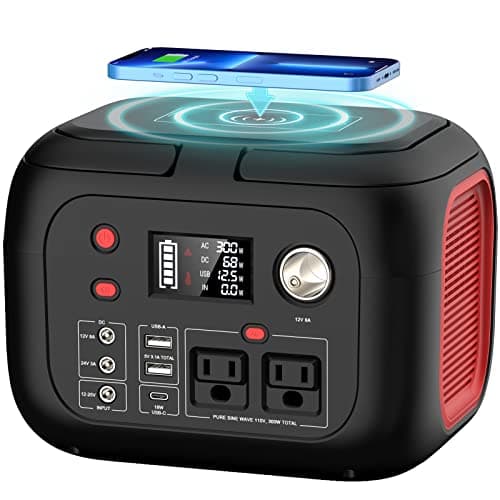
ALLWEI vs ENOFLO
$129 vs $120
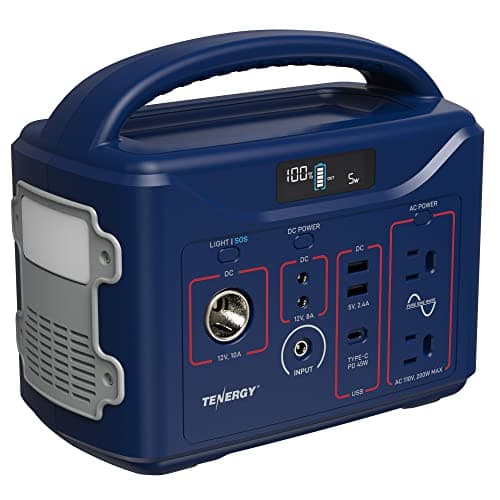
ALLWEI vs Tenergy
$129 vs $180
ALLWEI vs GRECELL
$129 vs $230
GRECELL vs ZeroKor
$116 vs $117
EnginStar vs GRECELL
$111 vs $116
EnginStar vs GRECELL
$130 vs $116
GRECELL vs GRECELL
$116 vs $120
Anker vs GRECELL
$150 vs $116
GRECELL vs VTOMAN
$116 vs $150
Explore Other Categories
Popular comparisons across the site
Ask AI
Get instant answers about specs
Get the Deets
Ask our AI assistant
Ask Deets anything!