Our Verdict
GRECELL Portable Power Station 300W (Product B) Wins
It offers a superior LiFePO4 battery chemistry for exceptional lifespan and is significantly more affordable at $99.98, while still providing 300W AC output and two AC outlets. Although its 230Wh capacity is less than Product A's 288Wh, its durability, rapid 1.5-hour charging, and value often outweigh this for budget-conscious users prioritizing longevity. When higher capacity (288Wh vs 230Wh) and an additional USB-C port with 60W PD (2 vs 1) are critical for slightly extended use or charging multiple modern devices, and the slightly higher price of $115.99 is acceptable, Product A is the better pick.
Bottom Line: GRECELL Portable Power Station 300W (Product B) is the better choice. It offers a superior LiFePO4 battery chemistry for exceptional lifespan and is significantly more affordable at $99.
In-Depth Analysis
How they compare in practice
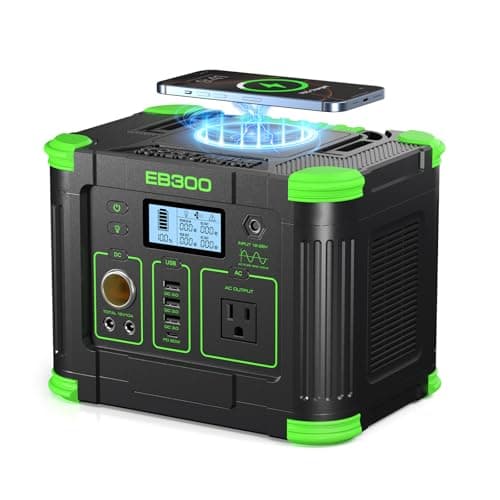
When comparing these two GRECELL portable power stations, the real-world implications of their specifications reveal distinct user benefits. Product A, the GRECELL 300W (EB300), leverages a Li-ion battery, providing a 288Wh capacity. This 25% higher capacity over Product B’s 230Wh means slightly longer runtimes for devices such as laptops or small fans. For instance, charging a typical 60Wh laptop could yield nearly 5 hours from Product A, compared to under 4 hours from Product B.
However, Product B, the GRECELL 300W with LiFePO4, truly stands out with its battery chemistry. LiFePO4 (Lithium Iron Phosphate) batteries are renowned for their safety and longevity, boasting 2500+ charge cycles compared to the Li-ion's typical 500-800 cycles in Product A. This translates to Product B retaining its usable capacity for many more years, making it a more durable, long-term investment. Additionally, Product B offers an impressive 1.5-hour rapid recharge time, a significant convenience for quick turnarounds, while Product A’s charging speed is unspecified and likely slower.
Connectivity also presents trade-offs. Product A includes two USB-C ports, one with 60W Power Delivery, which is ideal for rapidly charging modern laptops, tablets, or even drones. It provides only one AC outlet. Product B, conversely, offers two standard 110V AC outlets, granting greater flexibility for simultaneously powering two small appliances like a fan and a light, albeit with only one USB-C port. Both units provide 300W continuous AC output and 600W peak, meaning they handle similar loads like mini-fridges or CPAP machines.
From a value perspective, Product B at $99.98 offers an exceptional package for its price, particularly due to the long-lasting LiFePO4 battery and quick recharge capability. Product A, at $115.99, is a solid choice if the priority is slightly more raw capacity and robust USB-C connectivity, despite the shorter overall battery lifespan. The choice ultimately depends on whether a buyer prioritizes immediate power duration and modern USB-C charging (Product A) or long-term durability, rapid readiness, and dual AC flexibility at a lower cost (Product B).
Key Differences
The most significant spec differences at a glance
Battery Capacity
25% moreAC Outlets
50% lessDc Ports
50% lessUSB-C Ports
100% moreAdvantages
Where each product wins

GRECELL
- Battery Capacity: 25% higher (288 vs 230)
- USB-C Ports: 100% higher (2 vs 1)

GRECELL
- AC Outlets: 50% higher (1 vs 2)
- Dc Ports: 50% higher (1 vs 2)
Which to Pick for Your Situation
Concrete scenarios with a clear recommendation
For longer weekend camping trips
GRECELLProduct A's 288Wh capacity provides more total runtime for devices compared to Product B's 230Wh, allowing slightly extended use.
For reliable long-term home backup
GRECELLProduct B's LiFePO4 battery chemistry offers significantly more charge cycles (2500+) than Product A's Li-ion, ensuring greater durability over time.
When needing to power multiple AC devices simultaneously
GRECELLProduct B provides two 110V AC outlets, unlike Product A's single outlet, offering greater flexibility for running small appliances concurrently.
For rapid recharging between uses
GRECELLProduct B boasts an impressive 1.5-hour rapid recharge time, allowing it to be ready for use much quicker than Product A.
Who Should Buy Which?
Find the right product for your needs

Buy GRECELL if...
GRECELL 300W Portable Power
The GRECELL GRECELL 300W Portable Power Station 288Wh (Product A) is ideal for the user who prioritizes slightly more immediate energy capacity and advanced, flexible USB-C connectivity for modern gadgets, and is willing to invest a little more for these features. This buyer might be a tech-savvy individual, a remote worker, or a hobbyist who frequently relies on charging devices like laptops, drones, or cameras that benefit from high-speed USB-C Power Delivery. Their primary needs include powering these specific devices for a slightly longer duration, making the 288Wh capacity (vs. Product B's 230Wh) a tangible advantage for extended use away from an outlet. The two USB-C ports, especially the 60W PD, are critical for their daily workflow, allowing them to rapidly charge a laptop or tablet without needing a bulky AC adapter. This buyer might be engaged in photography shoots, outdoor projects, or simply require maximum power for a few specific devices over a short period. While they recognize Product B's superior battery longevity, they find the immediate power boost and specific port configuration of Product A more aligned with their current high-drain, USB-C centric needs, making the slightly higher price of $115.99 justifiable for the enhanced convenience and capacity.

Buy GRECELL if...
GRECELL Portable Power Station
The GRECELL Portable Power Station 300W with LiFePO4 (Product B) is perfectly suited for the pragmatic, long-term oriented user seeking exceptional value, durability, and quick readiness, especially for powering small household or camping essentials. This buyer is often budget-conscious, appreciating the $99.98 price point, but is also smart about long-term investments. Their primary needs include a reliable and safe power source for emergencies, casual outdoor adventures, or providing basic power for electronics around the home or RV. The standout feature for this user is the LiFePO4 battery chemistry, offering an impressive 2500+ charge cycles, ensuring the unit will retain its capacity and performance for many years – a crucial factor for reliable home backup or frequent use. The rapid 1.5-hour recharge time is also a significant convenience, allowing for quick top-ups between uses or during brief grid power availability. Furthermore, the two 110V AC outlets offer greater flexibility for powering multiple small appliances simultaneously, which is often more useful for general utility than an extra high-wattage USB-C port. This buyer is willing to accept a slightly lower 230Wh capacity than Product A, understanding that the superior battery longevity, rapid charging, and lower cost present a better overall long-term value for their diversified needs.
Spec Comparison
11 specs compared
| Specification | 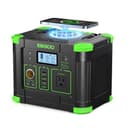 | 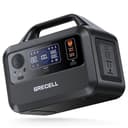 |
|---|---|---|
| Price | $116 | $120 |
| Rating | 4.5(215) | 4.6(431) |
| Capacity Wh | 288W | 230W |
| Chemistry | Li-ion | LiFePO4 |
| AC Output Watts | 300W | 300W |
| Dc Ports | 1 | 2 |
| AC Outlets | 1 | 2 |
| USB A Ports | 2 | 2 |
| USB C Ports | 2 | 1 |
| Model Number | EB300 | — |
| Peak Output Watts | 600W | 600W |
| Charge Time Hours | — | 2.5 hrs |
| Solar Input Watts | — | 60W |
Swipe horizontally to see all columns
Pros & Cons
Quick overview of strengths and weaknesses
GRECELL 300W Portable
- 300W continuous power for small electronics.
- 288Wh capacity supports essential devices.
- 60W USB-C PD and QC USB-A for rapid charging.
- Integrated MPPT controller maximizes solar input.
- Only one 110V AC outlet available.
- Solar panel not included, requires separate purchase.
- Limited 288Wh capacity for extended heavy use.
GRECELL Portable Power
- 1.5-hour rapid recharge with dual input.
- LiFePO4 battery offers extended cycle life.
- 300W AC output supports small electronics.
- Multiple ports power 7 devices simultaneously.
- 230Wh capacity limits extended runtime.
- Fast charge requires separately purchased USB-C input.
- 300W continuous output too low for power tools.
Frequently Asked Questions
Common questions about this comparison
What's the main difference in battery chemistry and lifespan?
Product B uses LiFePO4, offering 2500+ charge cycles for extended longevity. Product A uses Li-ion, typically rated for 500-800 cycles. Product B will maintain its capacity much longer over years of use.
Can either station power two AC appliances at once?
Yes, Product B has two 110V AC outlets, allowing you to power two small appliances simultaneously, provided their combined wattage is within 300W. Product A only has one AC outlet.
Which product offers faster charging to replenish its own battery?
Product B offers an impressive 1.5-hour rapid recharge time, allowing it to be ready for use much quicker than Product A, which does not specify a fast-charging feature.
Is there a significant difference in raw power capacity?
Product A has a 288Wh capacity, providing more power storage than Product B's 230Wh. This translates to roughly 25% more runtime for connected devices from Product A.
Which power station is better for modern USB-C device charging?
Product A is superior for USB-C charging, featuring two USB-C ports, one with 60W Power Delivery. Product B has only one USB-C port without explicit PD wattage mentioned, limiting fast charging options.
Related Comparisons
Similar products people compare
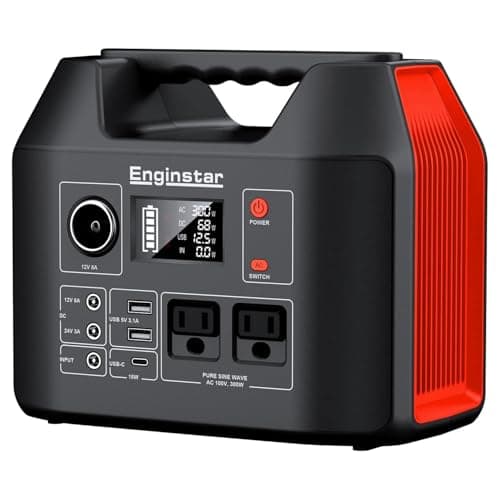
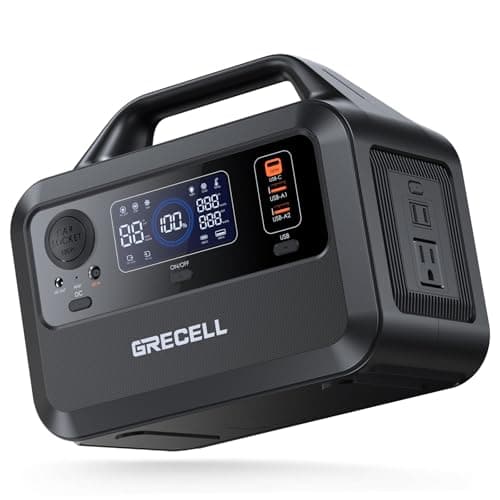
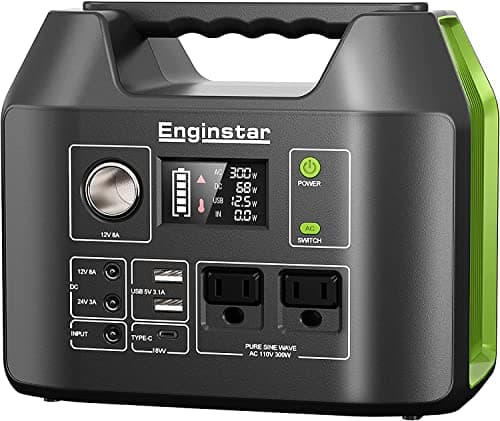
EnginStar vs GRECELL
$130 vs $120
EnginStar vs GRECELL
$130 vs $120
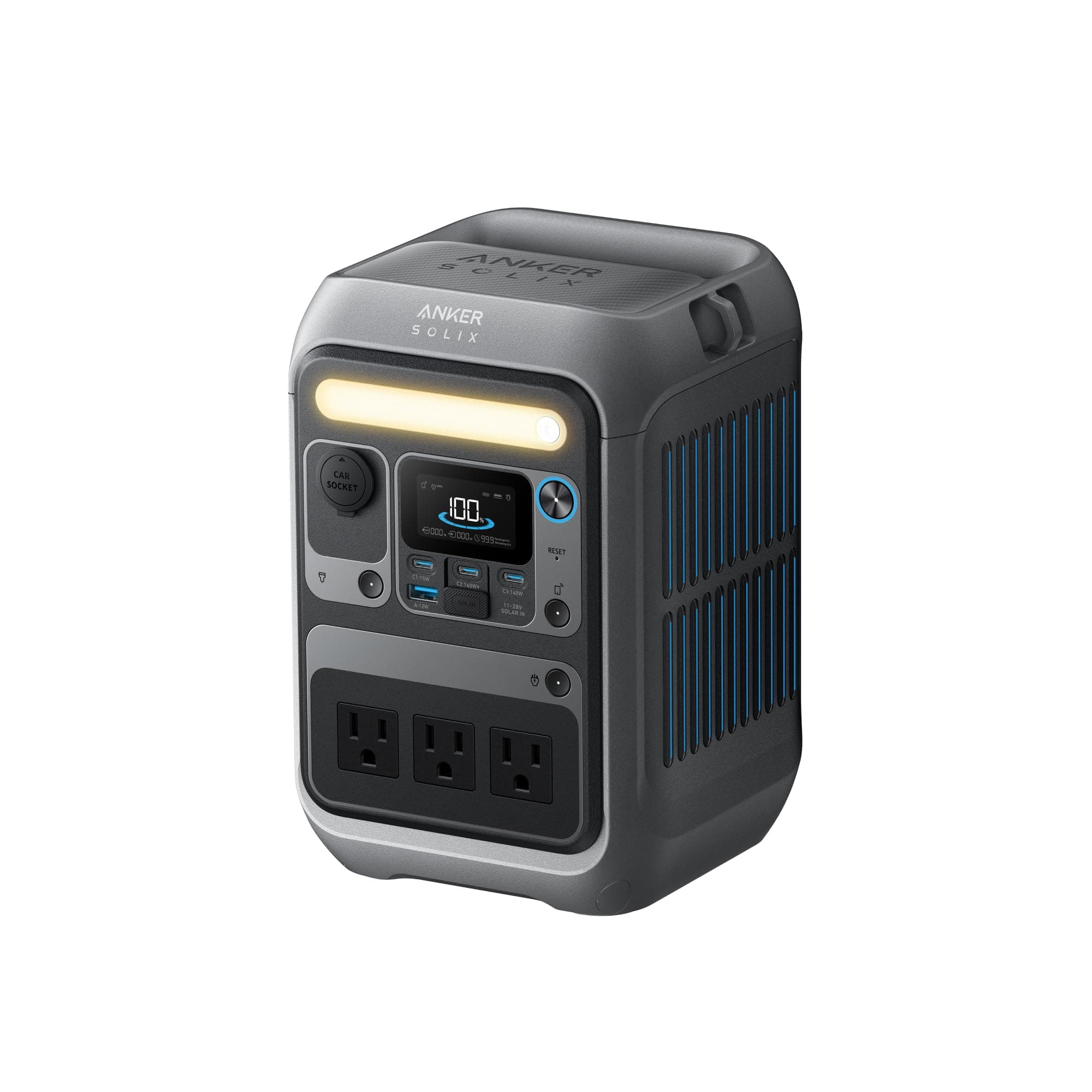
Anker vs GRECELL
$250 vs $120
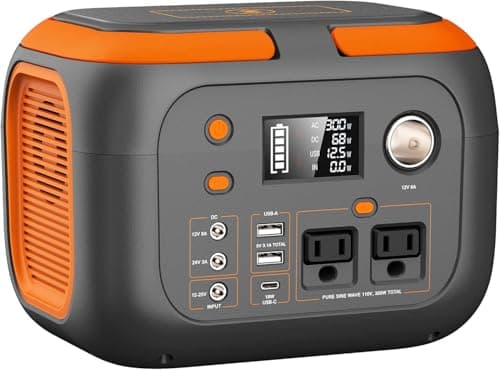
GRECELL vs SinKeu
$120 vs $103
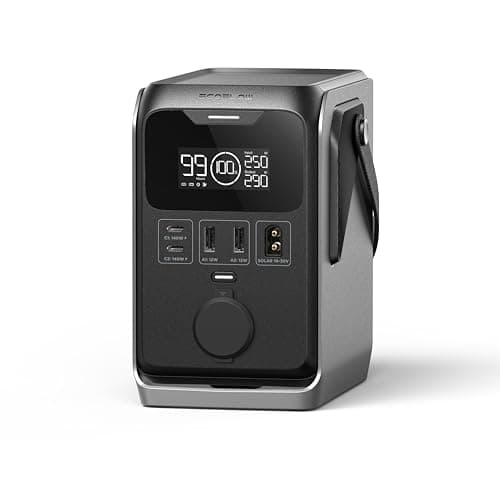
EF ECOFLOW vs GRECELL
$147 vs $120
GRECELL vs Apowking
$120 vs $95
GRECELL vs VTOMAN
$120 vs $150
ALLWEI vs GRECELL
$129 vs $116
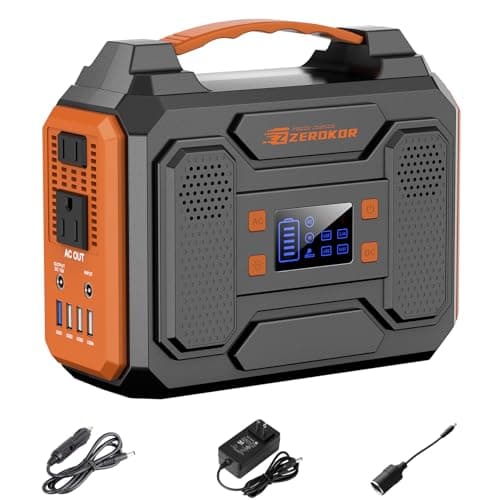
GRECELL vs ZeroKor
$116 vs $117
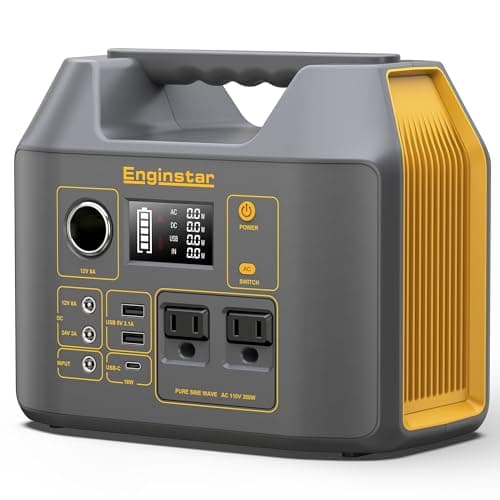
EnginStar vs GRECELL
$111 vs $116
EnginStar vs GRECELL
$130 vs $116
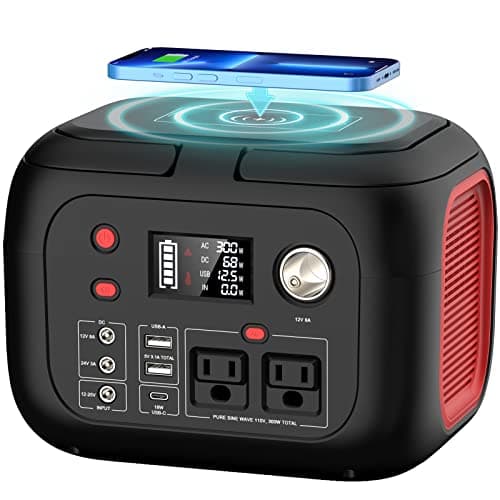
ENOFLO vs GRECELL
$120 vs $120
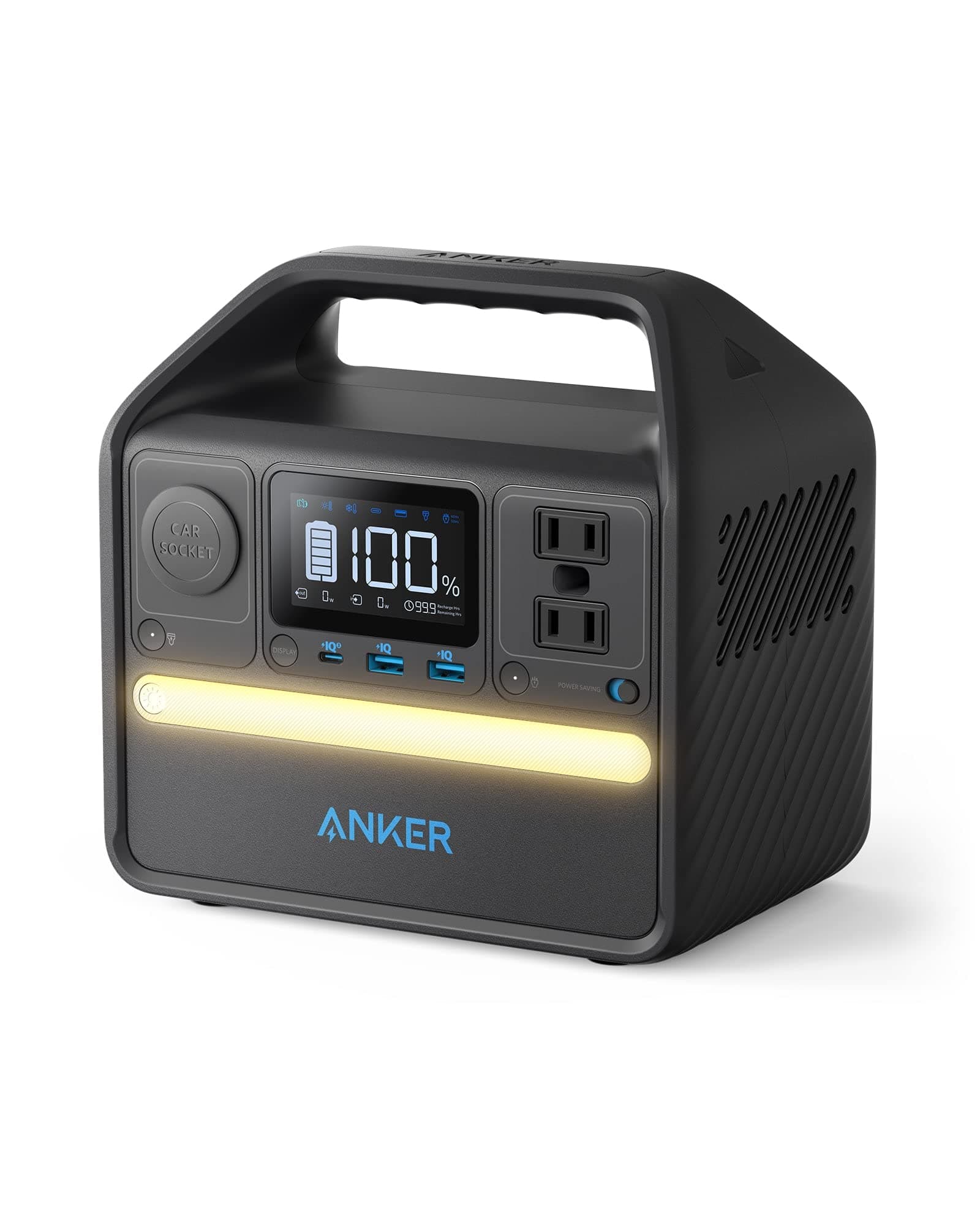
Anker vs GRECELL
$150 vs $116
GRECELL vs VTOMAN
$116 vs $150
GRECELL vs Tenergy
$120 vs $180
Explore Other Categories
Popular comparisons across the site
Ask AI
Get instant answers about specs
Get the Deets
Ask our AI assistant
Ask Deets anything!