Our Verdict
Jackery Portable Power Station Explorer 300 Wins
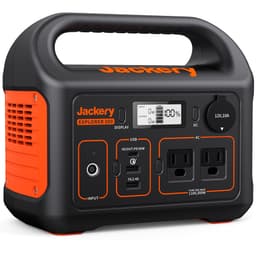
Despite its higher price of $199.0, the Jackery offers crucial versatility with its two 300W AC outlets, allowing it to power standard appliances, a feature entirely absent from the EF ECOFLOW TRAIL 300 DC. While the EcoFlow boasts a superior LiFePO4 battery chemistry for longevity and dual 140W USB-C ports for rapid charging, its complete lack of AC output significantly limits its utility as a general-purpose power station. The EF EcoFlow is the better pick for users who exclusively need robust DC and high-speed USB-C charging at a lower cost of $146.99, and do not require any AC power whatsoever for devices like laptops or mini-fridges.
Bottom Line: Jackery Portable Power Station Explorer 300 is the better choice. Despite its higher price of $199.
In-Depth Analysis
How they compare in practice
The fundamental divergence between the EF ECOFLOW TRAIL 300 DC and the Jackery Explorer 300 lies in their output capabilities, which dictate their real-world utility. The Jackery, at $199.0, distinguishes itself with two 300W pure sine wave AC outlets, making it a true portable power station capable of running small appliances, charging laptops, or powering light medical devices. In contrast, the EF EcoFlow, priced at $146.99, is strictly a DC power bank, offering zero AC output. This means while it excels at charging phones, tablets, drones, or 12V car accessories via its five DC ports and dual 140W USB-C ports, it simply cannot power anything requiring a standard wall plug, severely limiting its versatility for many users.
Beyond AC, battery chemistry presents another key difference. The EF EcoFlow utilizes LiFePO4, known for its superior cycle life (often 3-4x that of Li-ion) and enhanced safety, translating to a product that will likely last longer and degrade slower over many recharges. The Jackery, while using a reliable Li-ion battery, does not offer this longevity advantage. However, the Jackery's 293Wh capacity is marginally higher than EcoFlow's 288Wh, though this difference is negligible in practical terms. Jackery also features an integrated MPPT controller, ensuring efficient solar charging, a capability the EcoFlow also supports with its 110W input compared to Jackery's 100W.
Port selection offers a mixed bag. The EcoFlow shines for modern device charging with its two powerful 140W USB-C ports and a generous five DC ports, ideal for simultaneous charging of multiple specialized DC gadgets. The Jackery offers a more balanced array for general use: two AC outlets, two USB-A ports, and a single USB-C port, alongside one DC car port. Its 7.1 lbs weight is clearly specified, making it easy to gauge portability. While the EcoFlow is also described as compact, lacking a specified weight makes direct comparison difficult. Ultimately, the choice hinges on whether AC power is a necessity; if so, the Jackery's higher price is justified by its expanded functionality, whereas the EcoFlow is a specialized, more affordable solution for high-volume DC and USB-C needs.
Key Differences
The most significant spec differences at a glance
Battery Capacity
2% lessAC Output
100% lessAC Outlets
100% lessCharge Time
12% lessDc Ports
400% moreAdvantages
Where each product wins

EF ECOFLOW
- Charge Time: 12% lower (1.77 vs 2)
- Dc Ports: 400% higher (5 vs 1)
- Solar Input: 10% higher (110 vs 100)
- USB-C Ports: 100% higher (2 vs 1)

Jackery
- Battery Capacity: 2% higher (288 vs 293)
- AC Output: 100% higher (0 vs 300)
- AC Outlets: 100% higher (0 vs 2)
Which to Pick for Your Situation
Concrete scenarios with a clear recommendation
For powering standard household devices like laptops or a mini-fan during a blackout
JackeryThe Jackery Explorer 300 provides two 300W AC outlets, which are essential for powering typical household electronics. The EF EcoFlow lacks any AC output whatsoever.
For extended camping trips needing long-lasting battery performance
EF ECOFLOWThe EF EcoFlow TRAIL 300 DC utilizes a LiFePO4 battery chemistry, offering significantly more charge cycles and a longer overall lifespan compared to Jackery's Li-ion battery, making it more durable for frequent outdoor use.
For rapid charging multiple USB-C powered devices simultaneously
EF ECOFLOWThe EF EcoFlow offers dual 140W USB-C ports, providing superior fast-charging capabilities for multiple high-power USB-C devices compared to the Jackery's single, standard USB-C port.
For the most budget-conscious buyer prioritizing cost over AC versatility
EF ECOFLOWAt $146.99, the EF EcoFlow is significantly more affordable than the Jackery's $199.0 price, making it a better choice for those with a tight budget who can forgo AC power.
Who Should Buy Which?
Find the right product for your needs

Buy EF ECOFLOW if...
EF ECOFLOW TRAIL 300
The EF ECOFLOW TRAIL 300 DC Power Bank Station is perfectly suited for the outdoor enthusiast, drone pilot, or tech-savvy camper who primarily relies on DC and USB-C powered devices. This buyer prioritizes battery longevity and specific charging needs over general AC utility. They might be charging multiple smartphones, tablets, cameras, drones, or running a 12V portable fridge in their vehicle or tent. The 288Wh LiFePO4 battery is a significant draw, promising a longer lifespan and better safety for frequent, rugged use, meaning they won't need to replace their power bank as often. Furthermore, the dual 140W USB-C ports are a game-changer for anyone needing to rapidly charge modern electronics. This user is budget-conscious at $146.99 and understands they are sacrificing the ability to power standard household appliances, focusing instead on robust, dedicated DC power output for their specific gadget ecosystem. They don't need to plug in a laptop with a traditional brick charger or run a coffee maker.

Buy Jackery if...
Jackery Portable Power Station
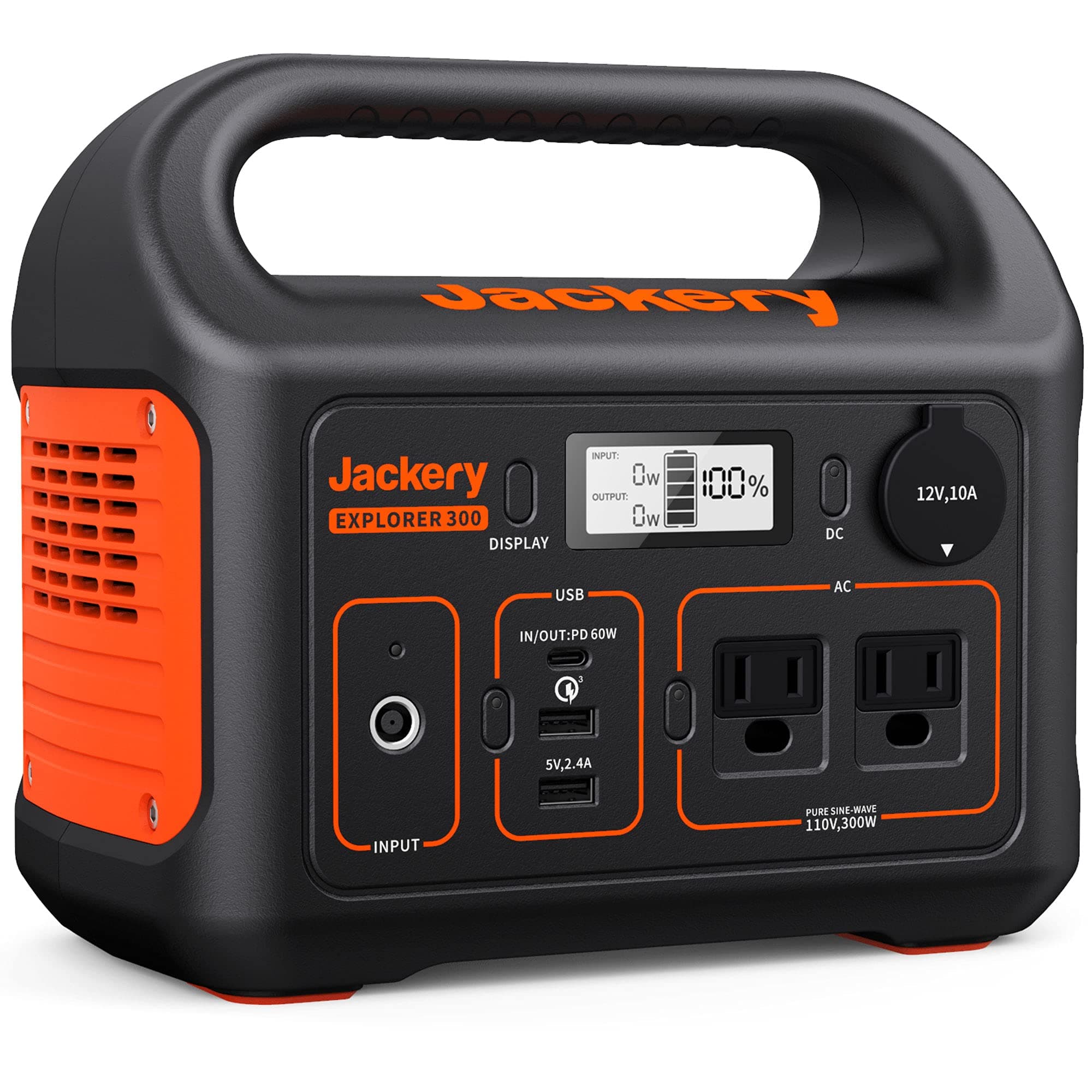
The Jackery Portable Power Station Explorer 300 is the ideal choice for the casual camper, emergency preparedness enthusiast, or digital nomad who requires a versatile power source for a broader range of devices. This buyer needs the flexibility to power not just USB devices, but also small AC appliances like laptops, mini-fridges, or even a small fan, thanks to its two 300W AC outlets. While its Li-ion battery (293Wh capacity) may not offer the extreme longevity of LiFePO4, its overall utility and 7.1 lbs portable design make it an excellent all-rounder for car camping, backyard events, or as a reliable backup during power outages. They appreciate the convenience of its various output types, including two USB-A and one USB-C, alongside AC. At $199.0, they're willing to pay a premium for the comprehensive power solution, understanding that the ability to run essential AC electronics vastly expands its usefulness compared to a purely DC-focused power bank.
Spec Comparison
12 specs compared
| Specification |  |  |
|---|---|---|
| Price | $147 | $229 |
| Rating | 4.4(158) | 4.6(10.8k) |
| Capacity Wh | 288W | 293W |
| Chemistry | LiFePO4 | Li-ion |
| AC Output Watts | 0W | 300W |
| Dc Ports | 5 | 1 |
| AC Outlets | 0 | 2 |
| USB A Ports | 2 | 2 |
| USB C Ports | 2 | 1 |
| Model Number | TRAIL DC | — |
| Charge Time Hours | 1.77 hrs | 2 hrs |
| Solar Input Watts | 110W | 100W |
| Weight | — | 7.1 lbs |
| Peak Output Watts | — | 500W |
Swipe horizontally to see all columns
Pros & Cons
Quick overview of strengths and weaknesses
EF ECOFLOW TRAIL 300
- 288Wh LiFePO4 battery for durable power output
- 300W DC output powers multiple outdoor devices
- Five DC ports charge up to five devices concurrently
- Dual 140W USB-C ports enable rapid device charging
- No AC outlets; incompatible with standard appliances
- Charging cable not included; requires separate purchase
Jackery Portable Power
- 80% recharge in 2 hours via dual input.
- 293Wh Li-ion capacity; 300W pure sine wave AC.
- Weighs 7.1 lbs for easy transport.
- Charges 6 devices; multiple output types.
- Solar panel not included with purchase.
- 300W continuous AC output limit.
- Capacity of 293Wh may be insufficient.
- Single USB-C port.
Frequently Asked Questions
Common questions about this comparison
Does the EF ECOFLOW TRAIL 300 DC Power Bank have AC outlets?
No, the EF ECOFLOW TRAIL 300 DC Power Bank has 0 AC outlets. It is designed exclusively for DC output, featuring 5 DC ports, 2 USB-A ports, and 2 USB-C ports for various devices.
Which power station offers a longer battery lifespan?
The EF ECOFLOW TRAIL 300 DC is expected to have a longer battery lifespan due to its LiFePO4 chemistry. This type of battery typically offers more charge cycles than the Li-ion battery found in the Jackery Explorer 300.
Can I charge a laptop with the EF ECOFLOW TRAIL 300 DC?
You can charge a laptop if it supports USB-C charging, utilizing its dual 140W USB-C ports. However, it cannot power laptops that require a standard AC wall adapter, as it has no AC outlets.
How quickly do these power stations recharge?
The EF ECOFLOW TRAIL 300 DC recharges in 1.77 hours. The Jackery Explorer 300 is slightly slower, recharging in approximately 2 hours. Both support solar input for charging.
What is the primary advantage of the Jackery Explorer 300 over the EF EcoFlow?
The Jackery Explorer 300's primary advantage is its two 300W AC outlets, allowing it to power a wider range of standard electronics and small appliances, which the EF EcoFlow cannot do at all.
Are solar panels included with either purchase?
No, neither the EF ECOFLOW TRAIL 300 DC nor the Jackery Explorer 300 include solar panels. They are sold separately, although both units are compatible with solar charging (110W for EcoFlow, 100W for Jackery).
Related Comparisons
Similar products people compare
Jackery vs VTOMAN
$229 vs $240
Anker vs Jackery
$150 vs $229
Anker vs Jackery
$430 vs $229
ALLWEI vs Jackery
$129 vs $229
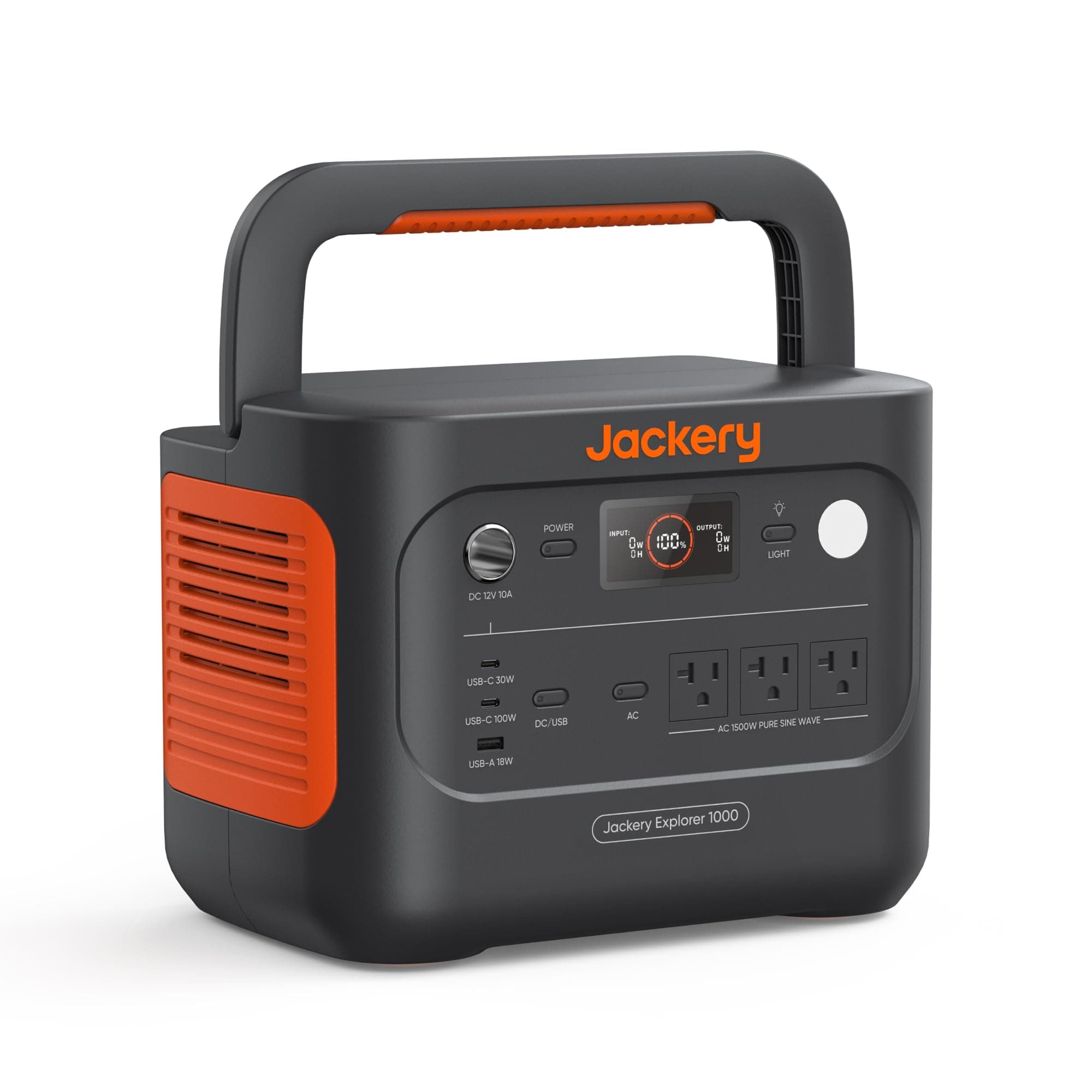
Jackery vs Jackery
$449 vs $229
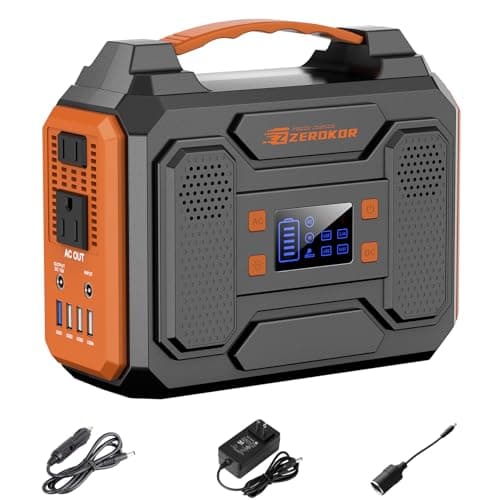
Jackery vs ZeroKor
$229 vs $130
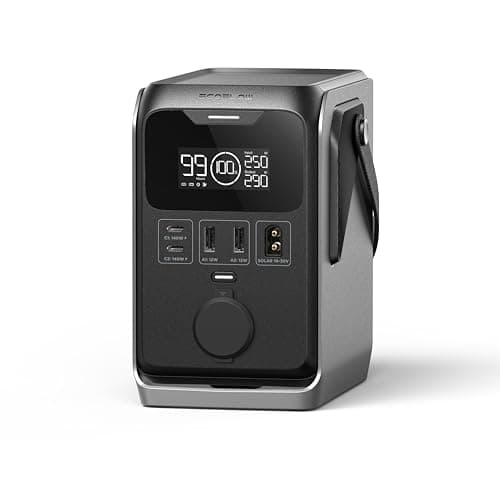
ALLWEI vs EF ECOFLOW
$129 vs $147
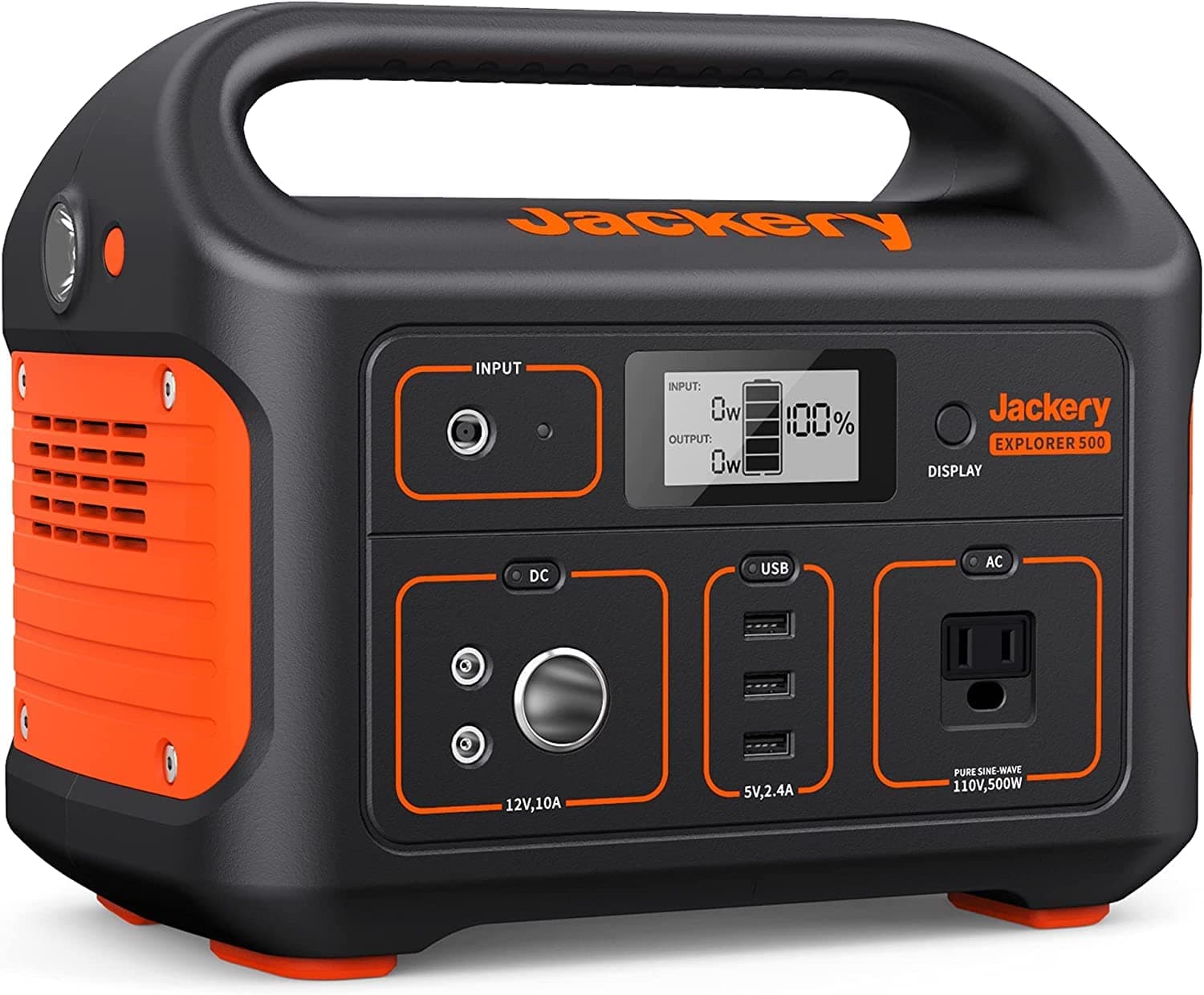
Jackery vs Jackery
$229 vs $299
ALLWEI vs Jackery
$269 vs $229
Jackery vs Tenergy
$229 vs $180
EF ECOFLOW vs EnginStar
$147 vs $111
Jackery vs VTOMAN
$229 vs $140
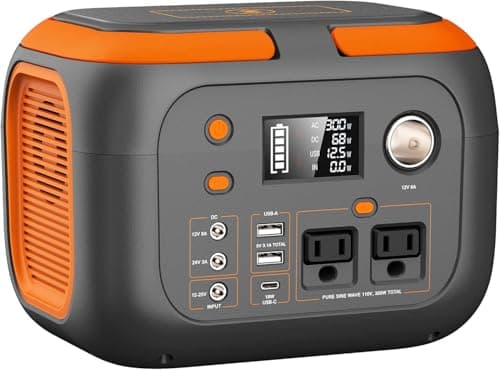
EF ECOFLOW vs SinKeu
$147 vs $103
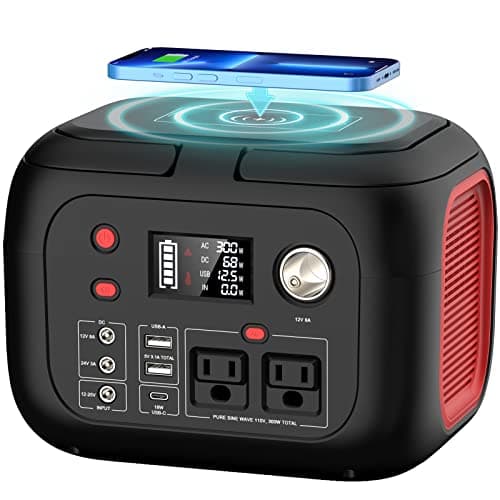
EF ECOFLOW vs ENOFLO
$147 vs $120
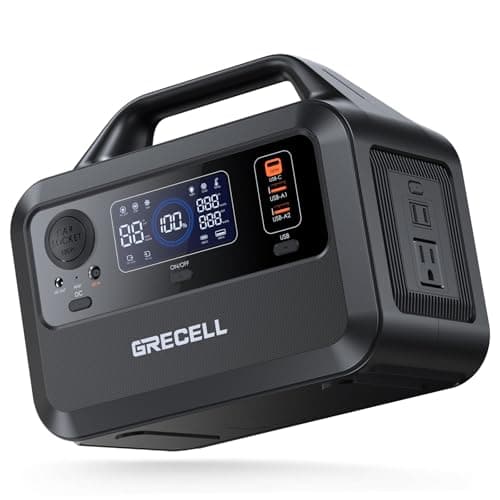
EF ECOFLOW vs GRECELL
$147 vs $100
Explore Other Categories
Popular comparisons across the site



Ask AI
Get instant answers about specs
Get the Deets
Ask our AI assistant
Ask Deets anything!