Our Verdict
ALLWEI Portable Power Station 300W Wins
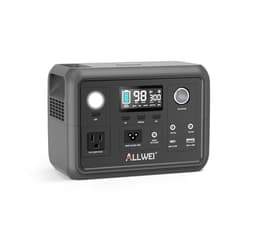
This unit offers essential 300W pure sine wave AC output, crucial for powering standard small electronics and appliances, a capability the EF ECOFLOW entirely lacks. Priced lower at $129.0 versus $146.99, ALLWEI provides superior versatility for most users, despite its slightly smaller 256Wh capacity compared to EF ECOFLOW's 288Wh. The EF ECOFLOW TRAIL DC is the better pick for users who exclusively need fast DC power for charging multiple mobile devices and have no requirement for AC outlets whatsoever, prioritizing its faster 1.77-hour recharge time.
Bottom Line: ALLWEI Portable Power Station 300W is the better choice. This unit offers essential 300W pure sine wave AC output, crucial for powering standard small electronics and appliances, a capability the EF ECOFLOW entirely lacks.
In-Depth Analysis
How they compare in practice
The core distinction between the ALLWEI PPS300-4 and the EF ECOFLOW TRAIL DC lies fundamentally in their output capabilities and intended use cases. The ALLWEI stands out by offering a critical 300W pure sine wave AC output via a single outlet. This feature makes it a far more versatile option for general use, allowing it to power small household appliances, laptops, fans, or sensitive electronics like CPAP machines that require standard wall plugs. Its 256Wh LiFePO4 battery, rated for an impressive 3000 charge cycles, ensures long-term durability, making it a reliable investment for regular use. Additionally, its 60W USB-C PD port offers decent rapid charging for compatible devices, balancing its capabilities across various power needs.
In stark contrast, the EF ECOFLOW TRAIL DC completely omits AC outlets, channeling its entire 300W output through DC ports. This design choice fundamentally narrows its application but optimizes it for a specific niche: the rapid, simultaneous charging of multiple DC-powered mobile devices. With five dedicated DC ports, two USB-A ports, and two high-power USB-C ports (potentially up to 140W combined or per port), it’s an absolute powerhouse for smartphones, tablets, and USB-C laptops. Its slightly larger 288Wh capacity and significantly faster 1.77-hour recharge time (compared to ALLWEI's 4 hours) further emphasize its role as a dedicated mobile device charger.
The trade-offs are evident. The ALLWEI, at a lower price point, offers foundational utility with its AC output, making it suitable for a broader range of scenarios including emergency home use and mixed camping needs. Users will appreciate the flexibility despite its single AC outlet and slightly slower USB-C. The EF ECOFLOW, while more expensive, is an uncompromising specialist for those living primarily in the DC/USB device ecosystem, prioritizing speed and port density above all else. Its compact form factor is a bonus for highly mobile users, but its lack of AC power means it cannot replace traditional outlets for common appliances. For most users seeking general-purpose portable power, the ALLWEI's AC capability makes it a more universally practical choice.
Key Differences
The most significant spec differences at a glance
Battery Capacity
11% lessAC Output
100% moreAC Outlets
100% moreCharge Time
126% moreDc Ports
40% lessAdvantages
Where each product wins

ALLWEI
- AC Output: 100% higher (300 vs 0)
- AC Outlets: 100% higher (1 vs 0)

EF ECOFLOW
- Battery Capacity: 11% higher (256 vs 288)
- Charge Time: 126% lower (4 vs 1.77)
- Dc Ports: 40% higher (3 vs 5)
- Solar Input: 9% higher (100 vs 110)
- USB-A Ports: 50% higher (1 vs 2)
- USB-C Ports: 50% higher (1 vs 2)
Which to Pick for Your Situation
Concrete scenarios with a clear recommendation
For a camping trip needing to power small electronics and a fan
ALLWEIThe ALLWEI provides a 300W pure sine wave AC outlet, essential for powering small fans, lights, or other AC-dependent camping gear.
For charging multiple modern smartphones and tablets quickly on the go
EF ECOFLOWThe EF ECOFLOW excels with two high-power USB-C ports and two USB-A ports, enabling rapid, simultaneous charging of several mobile devices.
As an emergency home backup for essential low-wattage appliances
ALLWEIIts 300W AC output and pure sine wave technology make the ALLWEI suitable for powering critical small home appliances or sensitive electronics during outages.
For budget-conscious travelers requiring versatile power options
ALLWEIAt $129.0, the ALLWEI offers the crucial advantage of AC output and LiFePO4 longevity, delivering more versatile value for varied power needs.
Who Should Buy Which?
Find the right product for your needs

Buy ALLWEI if...
ALLWEI Portable Power Station
The ideal buyer for the ALLWEI Portable Power Station 300W is the practical, budget-conscious individual seeking a versatile, foundational portable power solution. This user prioritizes the ability to power a mix of devices, from charging smartphones and tablets via USB to running small AC appliances like a laptop, a mini-fan, or even sensitive medical equipment like a CPAP machine during a power outage or on a camping trip. The 300W pure sine wave AC output is a non-negotiable feature for them, offering essential flexibility. They appreciate the long-term value provided by the 256Wh LiFePO4 battery, rated for an impressive 3000 charge cycles, knowing it will last for many years of frequent use. While they acknowledge its single AC outlet and potentially slower USB-C compared to a dedicated charger, the ALLWEI's $129.0 price point and broad utility make it an excellent choice for general emergency preparedness, weekend adventurers, or anyone needing reliable, mixed-output power without breaking the bank.

Buy EF ECOFLOW if...
EF ECOFLOW TRAIL 300
The EF ECOFLOW TRAIL DC is perfectly suited for the tech-forward minimalist or dedicated outdoor enthusiast who primarily relies on DC and USB-powered gadgets. This buyer carries multiple modern devices—smartphones, tablets, USB-C powered cameras, drones—and needs to charge them rapidly and simultaneously without the need for traditional AC outlets. Their lifestyle might involve extensive travel, backpacking, or off-grid adventures where every ounce and every port counts. The five DC ports, two USB-A ports, and crucially, the dual high-power USB-C ports (up to 140W total output) are major selling points, ensuring their devices are quickly topped up. They value the slightly higher 288Wh capacity and the exceptionally fast 1.77-hour recharge time, understanding that speed and compact size are paramount for their specific use cases. While it comes at a slightly higher price of $146.99 and lacks AC, this user is willing to pay for a specialized, highly efficient DC power bank that seamlessly integrates into their mobile, gadget-centric ecosystem.
Spec Comparison
13 specs compared
| Specification |  |  |
|---|---|---|
| Price | $129 | $147 |
| Rating | 4.4(2.3k) | 4.4(158) |
| Capacity Wh | 256W | 288W |
| Chemistry | LiFePO4 | LiFePO4 |
| AC Output Watts | 300W | 0W |
| Dc Ports | 3 | 5 |
| AC Outlets | 1 | 0 |
| Cycle Life | 3000 | — |
| Expandable | No | — |
| USB A Ports | 1 | 2 |
| USB C Ports | 1 | 2 |
| Model Number | PPS300-4 | TRAIL DC |
| Charge Time Hours | 4 hrs | 1.77 hrs |
| Peak Output Watts | 600W | — |
| Solar Input Watts | 100W | 110W |
Swipe horizontally to see all columns
Pros & Cons
Quick overview of strengths and weaknesses
ALLWEI Portable Power
- 3000 LiFePO4 cycles for extended battery longevity
- 6 output ports charge multiple devices simultaneously
- 60W USB-C PD port for rapid device charging
- Pure sine wave AC output protects sensitive electronics
- 256Wh capacity is limited for long-duration use
- Single AC outlet limits appliance connectivity
- Solar panel not included, adds to total cost
- 300W AC output insufficient for high-power tools
EF ECOFLOW TRAIL 300
- 288Wh LiFePO4 battery for durable power output
- 300W DC output powers multiple outdoor devices
- Five DC ports charge up to five devices concurrently
- Dual 140W USB-C ports enable rapid device charging
- No AC outlets; incompatible with standard appliances
- Charging cable not included; requires separate purchase
Frequently Asked Questions
Common questions about this comparison
Can I power a laptop with either of these portable power stations?
Yes, the ALLWEI Portable Power Station can power a small laptop via its 300W AC outlet. The EF ECOFLOW TRAIL DC lacks AC outlets, so it cannot power standard laptops directly.
Which product offers more and faster USB-C charging options?
The EF ECOFLOW TRAIL DC provides more and faster USB-C charging with its dual high-power USB-C ports (up to 140W total output) compared to ALLWEI's single 60W USB-C port.
What is the capacity difference between the two power stations?
The EF ECOFLOW TRAIL DC has a slightly higher capacity at 288Wh, while the ALLWEI Portable Power Station offers 256Wh. Both use durable LiFePO4 batteries.
How quickly do these power stations recharge?
The EF ECOFLOW TRAIL DC boasts a fast 1.77-hour recharge time. The ALLWEI Portable Power Station recharges in 4 hours (or 2.5 hours via dual AC+solar input).
Is either unit suitable for powering a medical device like a CPAP machine?
The ALLWEI Portable Power Station, with its 300W pure sine wave AC output, is generally suitable for many CPAP machines. The EF ECOFLOW lacks AC output, making it unsuitable.
Which power station is better for strictly USB-charged devices during off-grid camping?
The EF ECOFLOW TRAIL DC excels for strictly USB devices, offering 5 DC ports, 2 USB-A, and 2 high-power USB-C ports, perfect for charging multiple gadgets quickly.
Related Comparisons
Similar products people compare
ALLWEI vs VTOMAN
$129 vs $140
ALLWEI vs ZeroKor
$129 vs $130
ALLWEI vs Jackery
$129 vs $229
EF ECOFLOW vs Jackery
$147 vs $229
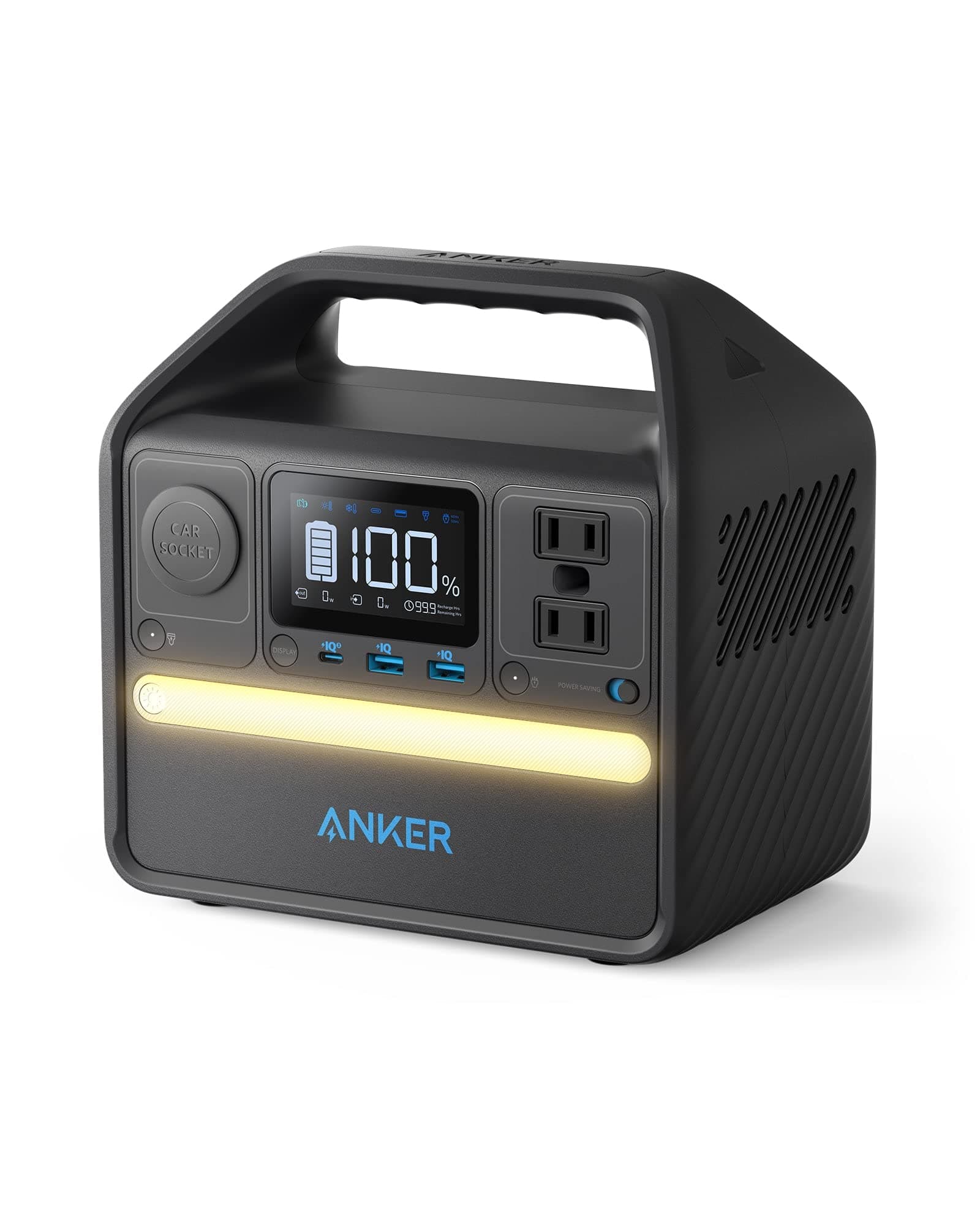
ALLWEI vs Anker
$129 vs $150
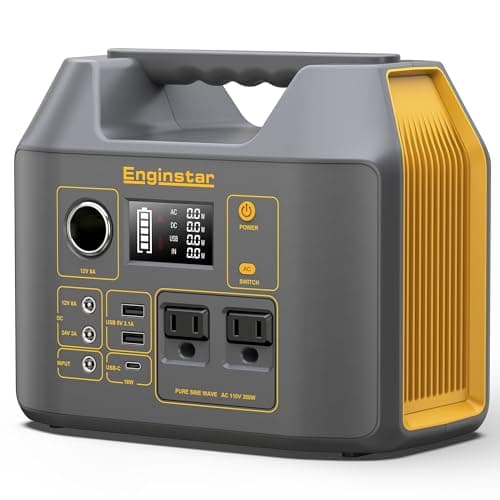
EF ECOFLOW vs EnginStar
$147 vs $111
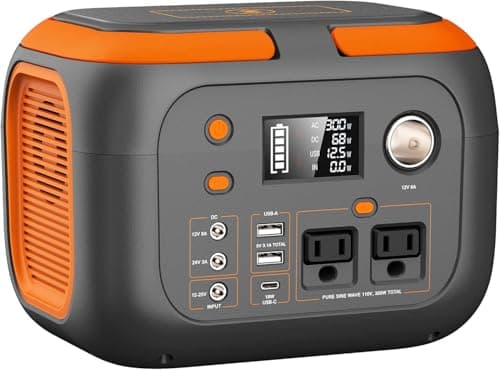
EF ECOFLOW vs SinKeu
$147 vs $103
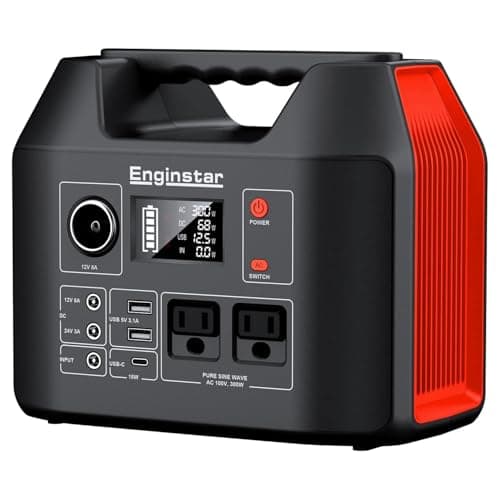
ALLWEI vs EnginStar
$129 vs $130
EF ECOFLOW vs ENOFLO
$147 vs $120
ALLWEI vs ENOFLO
$129 vs $120
EF ECOFLOW vs GRECELL
$147 vs $100
EF ECOFLOW vs VTOMAN
$147 vs $140
Anker vs EF ECOFLOW
$150 vs $147
EF ECOFLOW vs GRECELL
$147 vs $190
ALLWEI vs Tenergy
$129 vs $180
Explore Other Categories
Popular comparisons across the site

Ask AI
Get instant answers about specs
Get the Deets
Ask our AI assistant
Ask Deets anything!