Our Verdict
SinKeu 300W Portable Power Station Wins
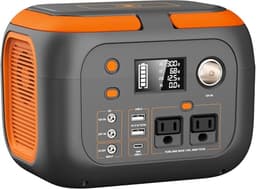
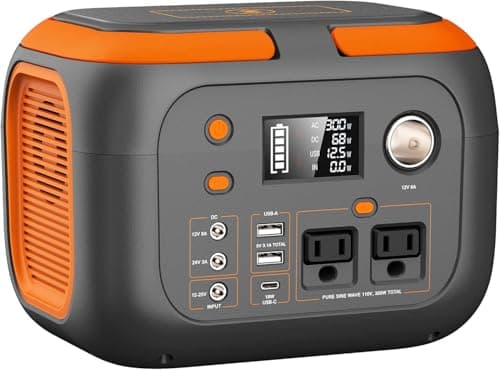
At just $102.83, it offers superior versatility with two 110V AC outlets and 300W AC output, essential for powering a wider range of devices, including laptops and small appliances. While its 260Wh Li-ion battery is slightly smaller, the added AC functionality and significantly lower price make it the better overall value. The EF ECOFLOW TRAIL 300, priced at $146.99, is the better pick for users who exclusively need DC power, value a more durable 288Wh LiFePO4 battery, and require dual 140W USB-C charging.
Bottom Line: SinKeu 300W Portable Power Station is the better choice. At just $102.
In-Depth Analysis
How they compare in practice
The fundamental difference between the EF ECOFLOW TRAIL 300 and the SinKeu 300W Portable Power Station lies in their power output capabilities and battery chemistry, leading to distinct use cases. The SinKeu G300 stands out with its inclusion of two 110V AC outlets, providing 300W of Pure Sine Wave AC output. This is a game-changer for real-world scenarios, allowing users to power common household appliances like laptops, small fans, or even CPAP machines directly. The EcoFlow TRAIL DC, by contrast, is a purely DC-focused unit, lacking any AC outlets. While it boasts 5 DC ports and dual 140W USB-C ports, making it excellent for charging multiple phones, tablets, or specific 12V devices rapidly, its utility is severely limited for standard electronics that require AC power.
In terms of battery technology, the EcoFlow leverages a more premium 288Wh LiFePO4 battery. This chemistry offers significantly more charge cycles and enhanced safety compared to the SinKeu's 260Wh Li-ion battery. The LiFePO4 battery is more durable and maintains its capacity over a longer period, making the EcoFlow a better long-term investment for frequent, demanding use within its DC-only limitations. However, the SinKeu's lower capacity and Li-ion chemistry, while less robust, contribute to its much more attractive price point of $102.83, versus the EcoFlow's $146.99.
The trade-offs are clear: the SinKeu provides broad utility at an affordable price, making it ideal for general camping, tailgating, or as an emergency backup for basic home essentials that need AC power. The EcoFlow, while more expensive and lacking AC, is superior for users who require highly efficient, long-lasting DC power for multiple modern gadgets. For instance, the EcoFlow's 1.77-hour charge time is remarkably fast, ensuring quick replenishment, and its dual high-wattage USB-C ports cater to a growing segment of power-hungry portable electronics. Ultimately, the SinKeu offers a more versatile value proposition for the average user due to its indispensable AC output.
Key Differences
The most significant spec differences at a glance
Battery Capacity
11% moreAC Output
100% lessAC Outlets
100% lessDc Ports
150% moreUSB-C Ports
100% moreAdvantages
Where each product wins

EF ECOFLOW
- Battery Capacity: 11% higher (288 vs 260)
- Dc Ports: 150% higher (5 vs 2)
- USB-C Ports: 100% higher (2 vs 1)

SinKeu
- AC Output: 100% higher (0 vs 300)
- AC Outlets: 100% higher (0 vs 2)
Which to Pick for Your Situation
Concrete scenarios with a clear recommendation
For powering a laptop and small fan during a blackout
SinKeuThe SinKeu offers two 110V AC outlets with 300W output, which are essential for standard laptop chargers and small household fans, a feature the EcoFlow completely lacks.
For extended phone/tablet charging on a multi-day hike
EF ECOFLOWThe EcoFlow's 288Wh LiFePO4 battery offers superior cycle life for frequent recharges, and its dual 140W USB-C ports ensure rapid charging of multiple mobile devices.
For the most budget-conscious buyer seeking general utility
SinKeuAt $102.83, the SinKeu provides AC outlets and a 260Wh capacity at a significantly lower price point than the EcoFlow ($146.99), offering better functional value for less.
For powering multiple 12V DC devices simultaneously
EF ECOFLOWWith five DC ports, the EcoFlow can power more 12V accessories concurrently than the SinKeu's two DC ports, making it more flexible for multi-device setups.
Who Should Buy Which?
Find the right product for your needs

Buy EF ECOFLOW if...
EF ECOFLOW TRAIL 300
The EF ECOFLOW TRAIL 300 is the ideal choice for the tech-savvy minimalist, digital nomad, or outdoor adventurer who lives primarily in the DC and USB ecosystem. This buyer prioritizes battery longevity, rapid device charging, and a compact, lightweight design for easy portability. They understand that while the $146.99 price is higher and it lacks AC outlets, the investment pays off in the long run with its superior 288Wh LiFePO4 battery chemistry, which boasts significantly more charge cycles and enhanced safety over standard Li-ion. This user will appreciate the convenience of five DC ports and, critically, the dual 140W USB-C ports that can quickly power up demanding laptops, tablets, or drones that support USB-PD. They don't need to run small appliances, focusing instead on powering and recharging a suite of modern personal electronics. They value a fast 1.77-hour charge time to get back to full power quickly, making it perfect for off-grid excursions where efficiency and durability are paramount, even if it means sacrificing broader AC compatibility.

Buy SinKeu if...
SinKeu 300W Portable Power
The SinKeu 300W Portable Power Station is tailored for the value-conscious individual seeking versatile, essential power for camping, tailgating, or reliable emergency preparedness at an accessible price point. This buyer's top priority is the ability to power a mix of both DC and, crucially, standard AC devices. The SinKeu excels here with its two 110V AC outlets, offering 300W of Pure Sine Wave output, which is indispensable for running a laptop, small fan, LED lights, or even medical equipment during a power outage. At just $102.83, it provides a much more well-rounded utility for its cost compared to the EcoFlow's purely DC approach. While its 260Wh Li-ion battery requires more mindful maintenance (monthly charging) and offers fewer cycle lifespans than LiFePO4, this buyer accepts these trade-offs for the immediate functional flexibility and significant cost savings. They are looking for a practical, all-around solution to keep their essential gadgets and small appliances running without breaking the bank, prioritizing broad compatibility over premium battery chemistry or ultra-fast USB-C speeds.
Spec Comparison
10 specs compared
| Specification | 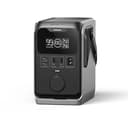 | 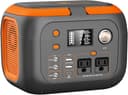 |
|---|---|---|
| Price | $147 | $103 |
| Rating | 4.4(158) | 4.3(1.5k) |
| Capacity Wh | 288W | 260W |
| Chemistry | LiFePO4 | Li-ion |
| AC Output Watts | 0W | 300W |
| Dc Ports | 5 | 2 |
| AC Outlets | 0 | 2 |
| USB A Ports | 2 | 2 |
| USB C Ports | 2 | 1 |
| Model Number | TRAIL DC | G300 |
| Charge Time Hours | 1.77 hrs | — |
| Solar Input Watts | 110W | — |
Swipe horizontally to see all columns
Pros & Cons
Quick overview of strengths and weaknesses
EF ECOFLOW TRAIL 300
- 288Wh LiFePO4 battery for durable power output
- 300W DC output powers multiple outdoor devices
- Five DC ports charge up to five devices concurrently
- Dual 140W USB-C ports enable rapid device charging
- No AC outlets; incompatible with standard appliances
- Charging cable not included; requires separate purchase
SinKeu 300W Portable
- 260Wh capacity for extended device use.
- Dual 110V AC outlets; 300W total output.
- Multiple port types: USB-A/C, DC, 12V, wireless.
- Pure Sine Wave AC output for sensitive devices.
- Maximum AC output is limited to 300W.
- Solar panel required for solar charging, sold separately.
- Needs monthly charge to maintain battery health.
Frequently Asked Questions
Common questions about this comparison
Does the EF ECOFLOW TRAIL 300 support AC appliances?
No, the EF ECOFLOW TRAIL 300 lacks AC outlets entirely. It focuses solely on DC output, including 5 DC ports, 2 USB-A ports, and 2 USB-C ports, limiting it to devices that use those specific power inputs.
What type of battery does the SinKeu 300W use, and what are its implications?
The SinKeu 300W uses a 260Wh Li-ion battery. This chemistry typically offers fewer charge cycles compared to LiFePO4, and SinKeu recommends monthly charging to maintain battery health and prolong its lifespan.
Which power station charges faster?
The EF ECOFLOW TRAIL 300 charges in a rapid 1.77 hours from a wall outlet. This is significantly faster than many Li-ion power stations of comparable capacity, making it quicker to prepare for your next adventure.
Can the SinKeu 300W power sensitive electronics?
Yes, the SinKeu 300W features Pure Sine Wave AC output from its dual 110V AC outlets. This ensures a stable and clean power supply, crucial for safely operating sensitive electronics like laptops, medical devices, or audio equipment.
How do the USB-C charging capabilities compare?
The EF ECOFLOW boasts dual 140W USB-C ports for ultra-fast charging of modern devices. The SinKeu, in contrast, includes only one standard USB-C port, making the EcoFlow superior for rapid USB-C power delivery.
What is the capacity difference between the two units?
The EF ECOFLOW TRAIL 300 has a capacity of 288Wh. The SinKeu 300W offers a slightly lower capacity of 260Wh. The EcoFlow thus provides a bit more total energy storage for connected devices.
Related Comparisons
Similar products people compare
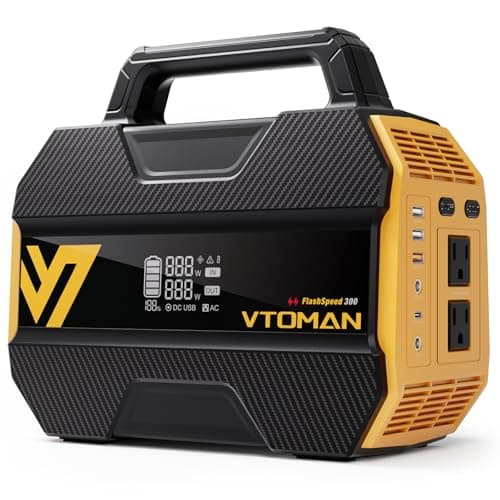
SinKeu vs VTOMAN
$103 vs $140
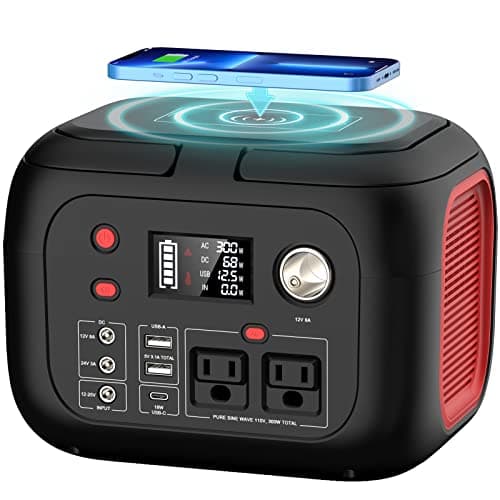
ENOFLO vs SinKeu
$120 vs $103
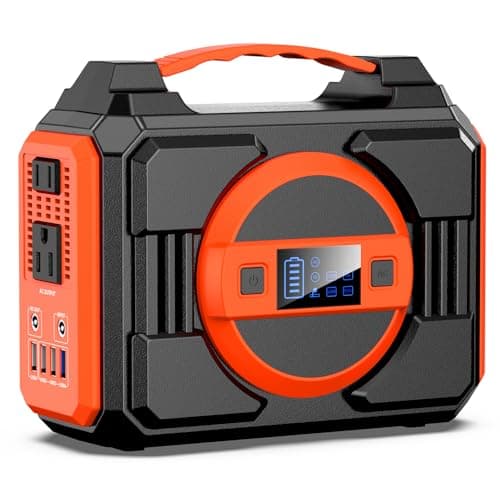
Apowking vs SinKeu
$100 vs $103
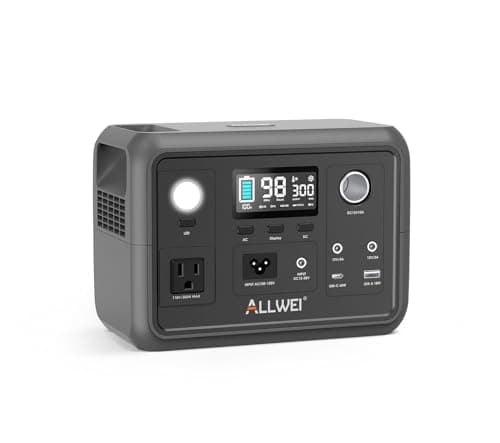
ALLWEI vs EF ECOFLOW
$129 vs $147
EF ECOFLOW vs Jackery
$147 vs $229
EF ECOFLOW vs EnginStar
$147 vs $111
EF ECOFLOW vs ENOFLO
$147 vs $120
GRECELL vs SinKeu
$100 vs $103
EF ECOFLOW vs GRECELL
$147 vs $100
EF ECOFLOW vs VTOMAN
$147 vs $140
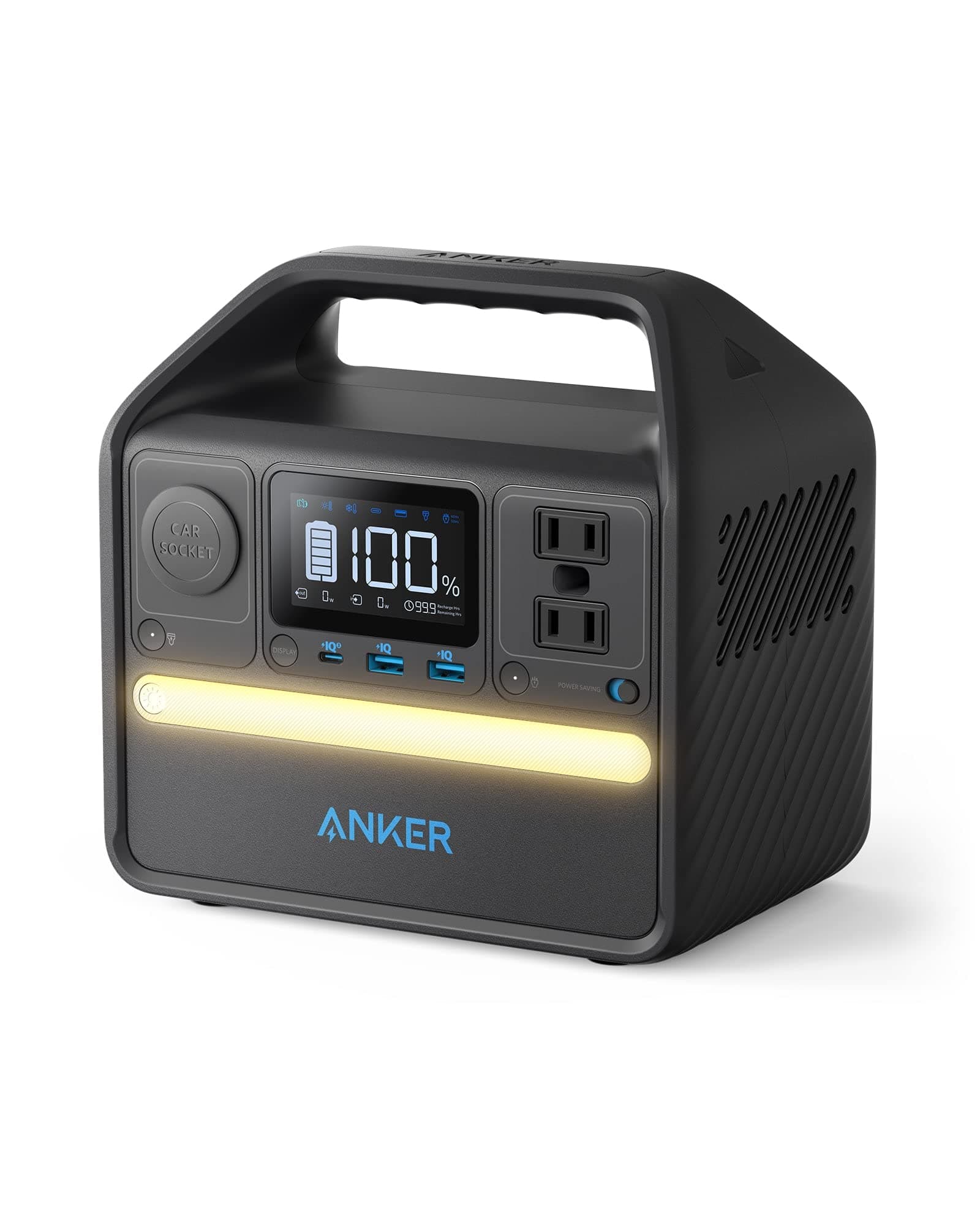
Anker vs EF ECOFLOW
$150 vs $147
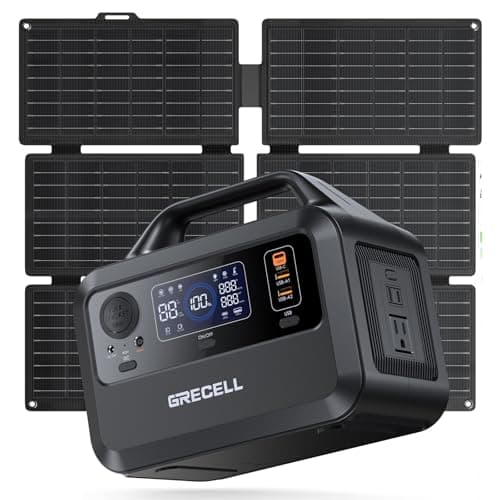
EF ECOFLOW vs GRECELL
$147 vs $190
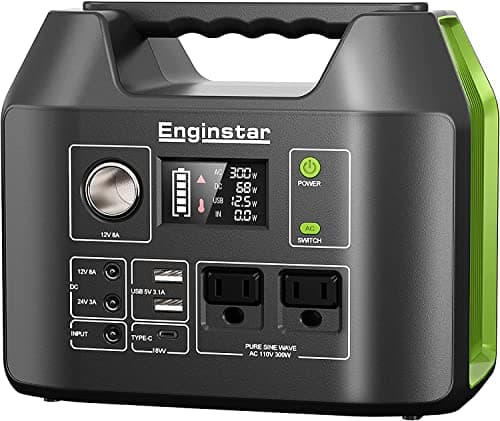
EF ECOFLOW vs EnginStar
$147 vs $130
Anker vs SinKeu
$150 vs $103
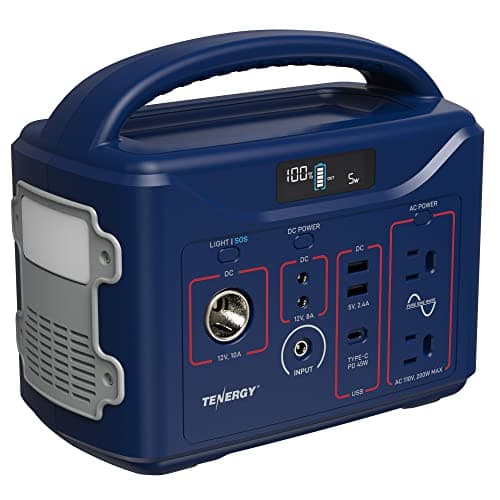
EF ECOFLOW vs Tenergy
$147 vs $180
Explore Other Categories
Popular comparisons across the site
Ask AI
Get instant answers about specs
Get the Deets
Ask our AI assistant
Ask Deets anything!