Our Verdict
EnginStar EnginStar Portable Power Station Wins
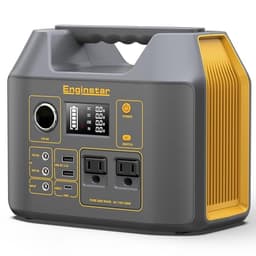
While slightly heavier, it offers a superior 296Wh capacity compared to the VTOMAN's 230Wh, providing longer device runtimes for outdoor adventures, all at a more accessible price of $111.1 versus $139.99. The EnginStar also offers three DC ports compared to VTOMAN's single one. The VTOMAN is the better pick for users prioritizing significantly longer battery lifespan due to its LiFePO4 chemistry with 3000 cycles, much faster 2.5-hour recharge time, and its powerful 100W USB-C PD output.
Bottom Line: EnginStar EnginStar Portable Power Station is the better choice. While slightly heavier, it offers a superior 296Wh capacity compared to the VTOMAN's 230Wh, providing longer device runtimes for outdoor adventures, all at a more accessible price of $111.
In-Depth Analysis
How they compare in practice
The EnginStar R300 and VTOMAN FlashSpeed 300 both aim to provide portable power, but they cater to slightly different priorities despite their identical 300W AC output. The most immediate difference a user will notice is the EnginStar's larger 296Wh battery capacity, offering about 28% more stored energy than the VTOMAN's 230Wh. In real-world terms, this means the EnginStar can power small electronics like drones, laptops, or mini-fridges for longer durations, making it more suitable for extended off-grid use or multi-day camping trips where recharging opportunities are scarce.
However, the VTOMAN counteracts its lower capacity with a significantly superior LiFePO4 battery chemistry, boasting 3000 charge cycles compared to the EnginStar's 1000. This translates to a battery pack that will last three times longer in terms of overall lifespan, a massive advantage for users planning very frequent or long-term ownership. Furthermore, the VTOMAN excels in rapid charging, reaching full capacity in just 2.5 hours, a stark contrast to the EnginStar's lengthy 7-hour AC recharge time. This makes the VTOMAN far more practical for last-minute trips or situations where quick turnaround between uses is essential.
While the EnginStar is marginally lighter at 6.5 lbs compared to the VTOMAN's 7.4 lbs, this difference is minor in typical portable use. A key feature distinguishing the VTOMAN is its 100W USB-C PD port, allowing for fast charging of compatible laptops or smartphones directly without needing an AC adapter, a capability the EnginStar's standard USB-C port lacks. The EnginStar does offer more DC ports (3 vs. 1), which might appeal to users with multiple 12V accessories. Ultimately, the EnginStar delivers more immediate runtime and a lower price point, while the VTOMAN provides superior longevity, faster recharging, and advanced USB-C functionality at a higher initial investment.
Key Differences
The most significant spec differences at a glance
Battery Capacity
29% moreCharge Time
180% moreCycle Life
67% lessDc Ports
200% moreUSB-A Ports
33% lessAdvantages
Where each product wins

EnginStar
- Battery Capacity: 29% higher (296 vs 230.0)
- Dc Ports: 200% higher (3 vs 1)
- Weight: 12% lower (6.5 vs 7.4)

VTOMAN
- Charge Time: 180% lower (7 vs 2.5)
- Cycle Life: 67% higher (1000 vs 3000)
- USB-A Ports: 33% higher (2 vs 3)
Which to Pick for Your Situation
Concrete scenarios with a clear recommendation
For extended off-grid camping trips
EnginStarThe EnginStar R300 offers a higher 296Wh capacity, providing longer power delivery for devices during multi-day excursions away from power sources.
For everyday use with frequent recharging
VTOMANThe VTOMAN FlashSpeed 300 boasts a rapid 2.5-hour recharge time, making it much more convenient for quick turnarounds between uses.
For users prioritizing long-term battery health
VTOMANWith its LiFePO4 chemistry, the VTOMAN offers an impressive 3000 charge cycles, ensuring a significantly longer product lifespan than the EnginStar's 1000 cycles.
For budget-conscious buyers
EnginStarPriced at $111.1, the EnginStar R300 provides a competitive 296Wh capacity at a lower cost than the VTOMAN's $139.99.
Who Should Buy Which?
Find the right product for your needs

Buy EnginStar if...
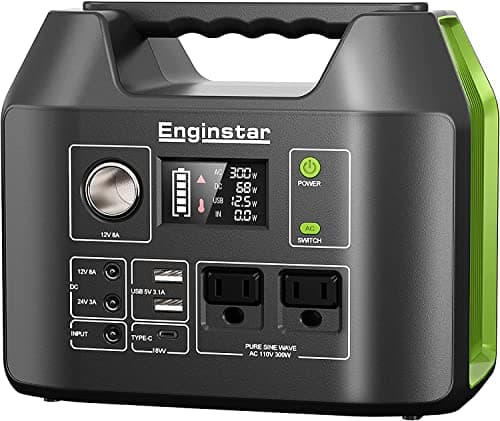
EnginStar Portable Power Station,300W
The ideal buyer for the EnginStar R300 is an outdoor enthusiast or a casual user seeking a reliable, budget-friendly power source for shorter trips and emergencies. They prioritize immediate capacity and value, wanting to maximize power delivery per dollar spent. This user might enjoy weekend camping trips, fishing excursions, or needs a backup for small home electronics during power outages. They appreciate the 296Wh capacity for running devices like phones, tablets, mini-fans, or even a small CPAP machine for a night or two, understanding that 300W AC output is sufficient for their needs. They are less concerned with ultra-fast recharging or the absolute longest battery lifespan, as their usage might be intermittent, allowing for the 7-hour recharge time. The EnginStar's lighter 6.5 lbs weight is also a distinct advantage for easy transport on hikes or when space is at a premium. They might already own a solar panel compatible with its 300W input, or plan to buy one separately, appreciating the overall lower investment compared to other options. This buyer is making a smart choice for dependable, higher capacity portable power without a premium price tag, willing to trade off some advanced features for affordability and decent runtime.

Buy VTOMAN if...
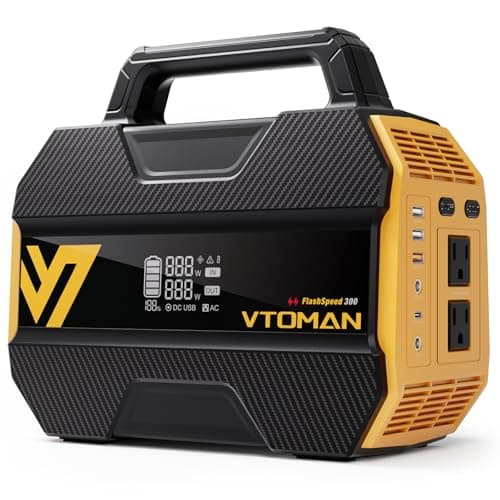
VTOMAN FlashSpeed 300 Portable
The ideal buyer for the VTOMAN FlashSpeed 300 is someone who values long-term durability, rapid recovery, and advanced charging capabilities, even if it comes with a slightly higher upfront cost. This user plans on frequent, possibly heavy, daily use of their power station and needs it to withstand years of cycling. They understand the superior value of LiFePO4 chemistry, appreciating its 3000-cycle life for extended longevity and enhanced safety. For them, waiting 7 hours to recharge is not feasible; they need the unit ready quickly, making the 2.5-hour charge time a critical advantage for spontaneous trips or back-to-back use cases. This buyer is likely a professional on the go, a frequent traveler, or someone relying on portable power as a primary backup. The 100W USB-C PD port is also a significant draw, allowing them to rapidly charge power-hungry devices like laptops or modern smartphones directly, reducing the need for cumbersome AC adapters. While the 230Wh capacity is less than its competitor, the quick recharge and robust battery life compensate, especially if they have access to a power outlet frequently. They prioritize efficiency, speed, and lifespan over raw capacity and initial price.
Spec Comparison
12 specs compared
| Specification |  |  |
|---|---|---|
| Price | $111 | $140 |
| Rating | 4.3(1.6k) | 4.4(816) |
| Capacity Wh | 296W | 230W |
| Chemistry | Li-ion | LiFePO4 |
| AC Output Watts | 300W | 300W |
| Dc Ports | 3 | 1 |
| AC Outlets | 2 | 2 |
| Cycle Life | 1000 | 3000 |
| Weight | 6.5 lbs | 7.4 lbs |
| USB A Ports | 2 | 3 |
| USB C Ports | 1 | 1 |
| Model Number | R300 | PB-82 |
| Charge Time Hours | 7 hrs | 2.5 hrs |
| Solar Input Watts | 300W | — |
Swipe horizontally to see all columns
Pros & Cons
Quick overview of strengths and weaknesses
EnginStar Portable Power
- Two pure sine wave AC outlets for stable power.
- Weighs 6.5 lbs, compact for easy transport.
- 296Wh capacity powers small electronics.
- Charges via AC, car, or solar panel input.
- Max 300W output limits larger appliances.
- AC recharge time is 7 hours.
- Solar input requires separate panel purchase.
- 296Wh capacity may be insufficient for long trips.
VTOMAN FlashSpeed 300
- LiFePO4 battery offers 3000 charge cycles
- 7.4 lbs unit weight ensures easy transport
- 100W USB-C PD input/output supports laptops
- 7 simultaneous outputs for multiple devices
- 300W AC output limits power for heavier loads
- 230Wh capacity offers limited runtime
- Only one 100W USB-C port
Frequently Asked Questions
Common questions about this comparison
Which power station offers a longer overall lifespan?
The VTOMAN FlashSpeed 300 with its LiFePO4 battery chemistry is rated for 3000 charge cycles, significantly outlasting the EnginStar R300's 1000 Li-ion cycles.
How quickly can each power station be recharged?
The VTOMAN FlashSpeed 300 recharges fully in just 2.5 hours, while the EnginStar R300 requires approximately 7 hours for a full AC charge.
Which unit has a higher battery capacity for powering devices longer?
The EnginStar R300 offers a larger 296Wh capacity, providing more stored energy and longer runtime compared to the VTOMAN's 230Wh.
Can I charge a laptop quickly with either of these?
The VTOMAN FlashSpeed 300 features a 100W USB-C PD port ideal for fast-charging compatible laptops. The EnginStar has a standard USB-C port.
What is the price difference between these two power stations?
The EnginStar R300 is priced at $111.1, making it more affordable than the VTOMAN FlashSpeed 300, which costs $139.99.
Related Comparisons
Similar products people compare
SinKeu vs VTOMAN
$103 vs $140
ALLWEI vs VTOMAN
$129 vs $140
Anker vs VTOMAN
$250 vs $140
ENOFLO vs VTOMAN
$120 vs $140
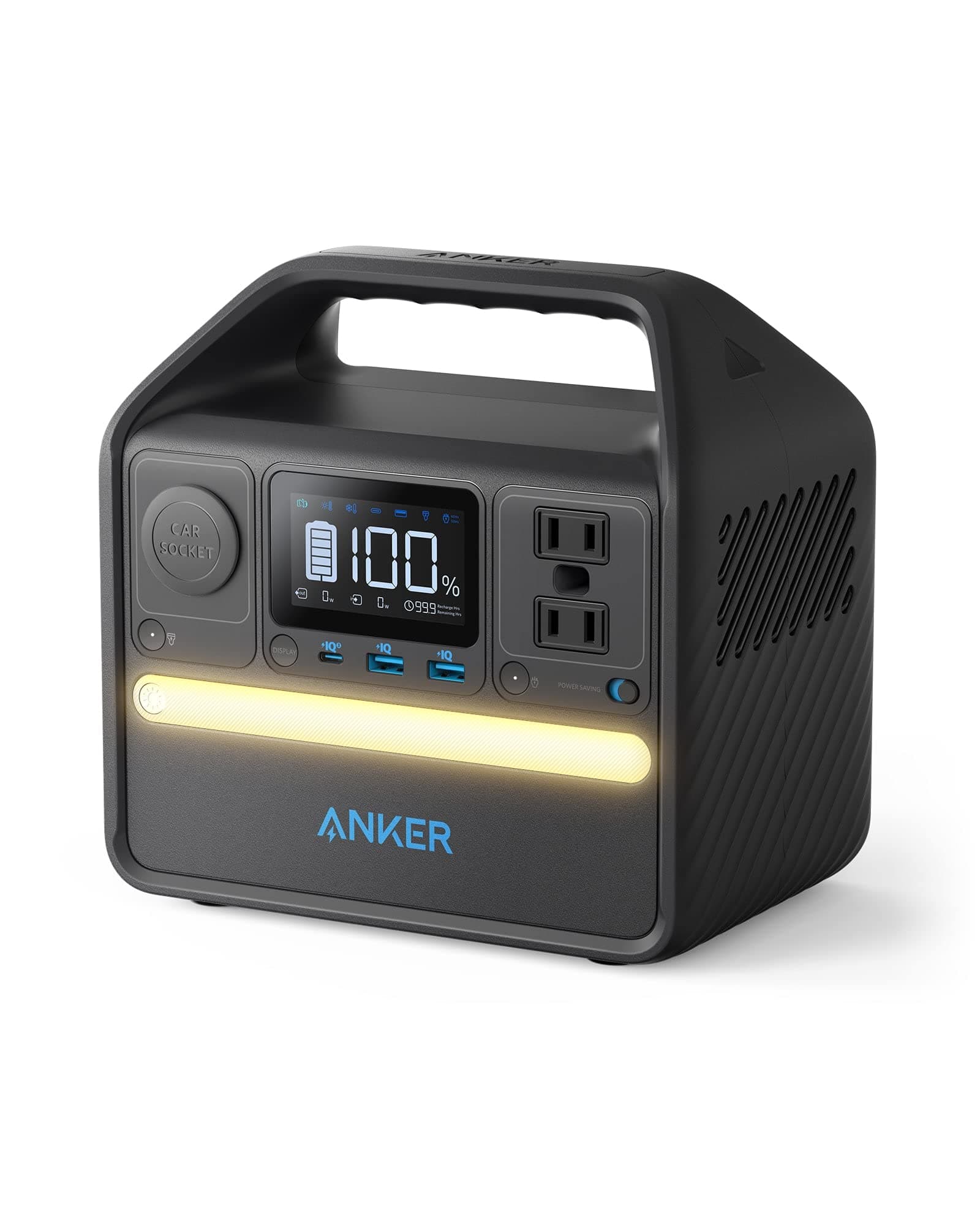
Anker vs VTOMAN
$150 vs $140
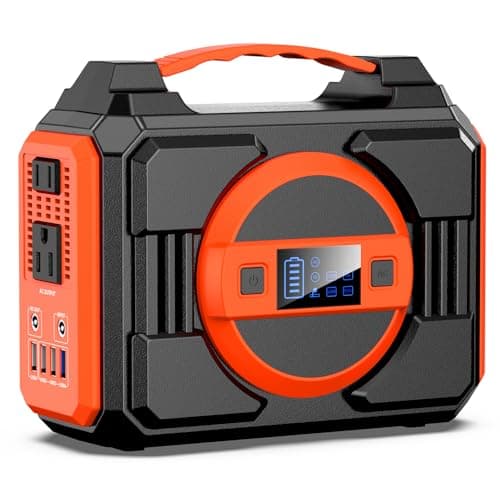
Apowking vs VTOMAN
$100 vs $140
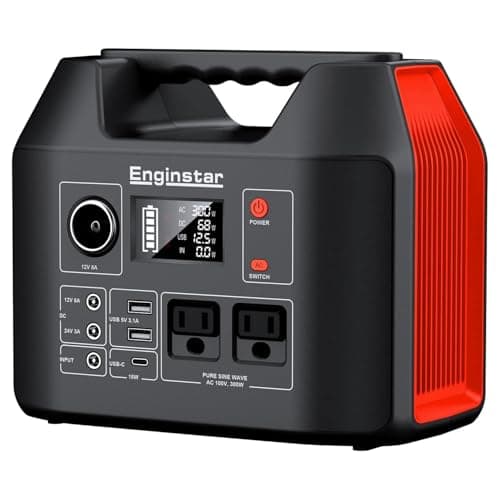
EnginStar vs VTOMAN
$130 vs $140
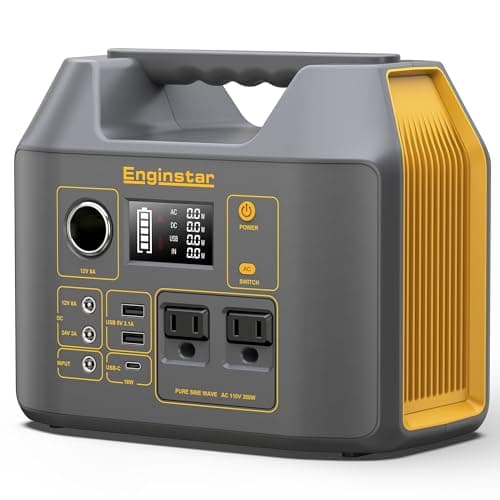
EnginStar vs EnginStar
$130 vs $111
EnginStar vs EnginStar
$111 vs $130
EF ECOFLOW vs EnginStar
$147 vs $111
Jackery vs VTOMAN
$229 vs $140
EF ECOFLOW vs VTOMAN
$147 vs $140
EnginStar vs ZeroKor
$111 vs $130
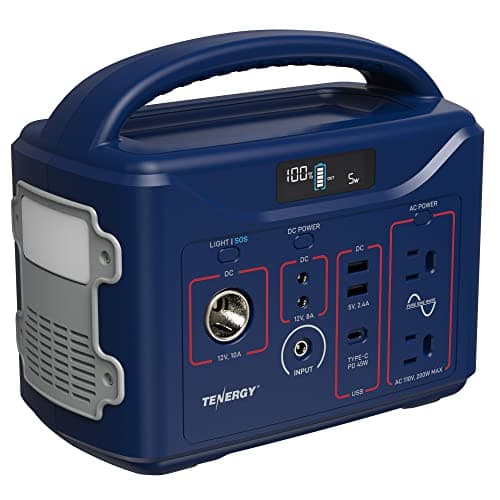
Tenergy vs VTOMAN
$180 vs $140
EnginStar vs Apowking
$111 vs $100
Explore Other Categories
Popular comparisons across the site


Ask AI
Get instant answers about specs
Get the Deets
Ask our AI assistant
Ask Deets anything!