Our Verdict
Apowking Portable Power Station 300W Wins
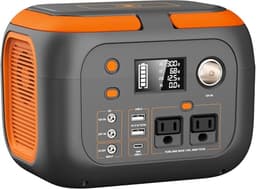
Apowking offers a slightly lower price point of $99.99 compared to SinKeu's $102.83, while providing an impressive 1000 cycle life, ensuring greater long-term durability for its Li-ion chemistry. Both deliver a 300W AC output, making Apowking a better value for essential power needs and longevity. The SinKeu 300W Portable Power Station is the better pick for users who prioritize slightly higher 260Wh capacity, a modern USB-C port, and an additional DC port, and are willing to pay a small premium for these features.
Bottom Line: Apowking Portable Power Station 300W is the better choice. Apowking offers a slightly lower price point of $99.
In-Depth Analysis
How they compare in practice
When comparing the Apowking HP200L and the SinKeu G300, both 300W portable power stations offer reliable power in a compact form, but subtle differences cater to distinct user needs. The Apowking, priced at $99.99, holds a slight edge in value, especially when considering its specified 1000-cycle life for its Li-ion battery. This impressive durability metric means the Apowking is designed to retain its capacity over many more recharges than most competitors, making it a sound long-term investment for emergency preparedness or consistent off-grid use. It also boasts a lighter 5.0 lbs weight, enhancing its portability. Its port array includes four USB-A ports, ideal for users with multiple standard USB devices, alongside two AC outlets and one DC port. However, it lacks a USB-C port, which is becoming increasingly common for modern electronics. While its 220Wh capacity is respectable, it's slightly less than the SinKeu.The SinKeu G300, at $102.83, counters with a slightly larger 260Wh capacity, providing a bit more juice for extended use, albeit for a marginal price increase. It modernizes its port selection by including a USB-C port, along with two USB-A ports, two DC ports, and two AC outlets, offering more versatility for newer gadgets and 12V accessories. While SinKeu does not specify its cycle life, the inclusion of USB-C and an extra DC port appeals to users seeking broader connectivity options. Both units deliver a consistent 300W AC output, perfectly suited for laptops, small electronics, and lights, but neither is designed for high-wattage appliances like coffee makers or hair dryers. The choice between them ultimately hinges on whether long-term durability and more USB-A ports (Apowking) or a modern USB-C port and slightly higher capacity (SinKeu) are more critical for the user's specific applications.
Key Differences
The most significant spec differences at a glance
Battery Capacity
15% lessDc Ports
50% lessUSB-A Ports
100% moreAdvantages
Where each product wins

Apowking
- USB-A Ports: 100% higher (4 vs 2)

SinKeu
- Battery Capacity: 15% higher (220.0 vs 260)
- Dc Ports: 50% higher (1 vs 2)
Which to Pick for Your Situation
Concrete scenarios with a clear recommendation
For extended camping or RV trips
SinKeuThe SinKeu's 260Wh capacity provides a bit more power reserve compared to Apowking's 220Wh, allowing for longer use of devices off-grid. Its two DC ports also offer more flexibility for 12V accessories.
For a lightweight, durable emergency kit
ApowkingThe Apowking is lighter at 5.0 lbs and offers a superior 1000 cycle life, ensuring it remains reliable and efficient for many years of intermittent emergency use.
For charging modern laptops and phones
SinKeuThe SinKeu includes a crucial USB-C port, which is essential for rapidly charging many contemporary laptops, smartphones, and other devices, a feature absent on the Apowking.
For users needing many USB-A ports
ApowkingThe Apowking provides four USB-A ports, enabling simultaneous charging of multiple older devices like older phones, tablets, or small USB-powered gadgets.
Who Should Buy Which?
Find the right product for your needs

Buy Apowking if...
Portable Power Station 300W,
The Apowking Portable Power Station 300W is the ideal choice for individuals prioritizing portability, long-term durability, and cost-effectiveness for essential power needs. If you're an occasional camper, an avid traveler who needs a lightweight power source, or someone building a reliable emergency kit for home use, its 5.0 lbs weight makes it exceptionally easy to carry. Its standout feature is the 1000 cycle life, ensuring that your investment provides dependable power for many years during outages or outdoor excursions without significant capacity degradation. With four USB-A ports, it's perfect for users with multiple older smartphones, tablets, or other USB-A powered gadgets, while still providing two 110V AC outlets for a laptop or small appliance. This buyer values a sub-$100 price point and doesn't require modern USB-C connectivity or the slight capacity bump offered by competitors, instead focusing on a robust, lightweight, and durable core power solution.

Buy SinKeu if...
SinKeu 300W Portable Power
The SinKeu 300W Portable Power Station is best suited for the tech-savvy user who needs a bit more capacity and modern connectivity without significantly increasing their budget. This buyer might be a digital nomad, a frequent camper with a mix of new and old gadgets, or someone needing a versatile backup for devices that utilize the latest charging standards. Its 260Wh capacity offers slightly extended runtimes compared to the Apowking's 220Wh, which can be crucial for longer off-grid periods. The inclusion of a USB-C port is a significant advantage, enabling faster charging for modern laptops, phones, and power banks. Additionally, having two DC ports provides more flexibility for 12V accessories like car vacuums or portable refrigerators. While it doesn't explicitly state its cycle life, the SinKeu justifies its slightly higher $102.83 price by offering enhanced port versatility and a marginal boost in battery size, making it a compelling option for those who prioritize adaptability and contemporary charging options.
Spec Comparison
11 specs compared
| Specification |  |  |
|---|---|---|
| Price | $100 | $103 |
| Rating | 4.1(590) | 4.3(1.5k) |
| Capacity Wh | 220W | 260W |
| Chemistry | Li-ion | Li-ion |
| AC Output Watts | 300W | 300W |
| Dc Ports | 1 | 2 |
| AC Outlets | 2 | 2 |
| Cycle Life | 1000 | — |
| Weight | 5 lbs | — |
| USB A Ports | 4 | 2 |
| Model Number | HP200L | G300 |
| Peak Output Watts | 600W | — |
| USB C Ports | — | 1 |
Swipe horizontally to see all columns
Pros & Cons
Quick overview of strengths and weaknesses
Apowking Portable Power
- 5 lbs weight for easy transport
- 220Wh capacity powers essential devices
- 7 output ports for simultaneous charging
- Pure Sine Wave AC output protects sensitive electronics
- 300W AC output limits high-power appliance use
- 220Wh capacity may be low for extended backup
- AC output verification displays momentary warning
SinKeu 300W Portable
- 260Wh capacity for extended device use.
- Dual 110V AC outlets; 300W total output.
- Multiple port types: USB-A/C, DC, 12V, wireless.
- Pure Sine Wave AC output for sensitive devices.
- Maximum AC output is limited to 300W.
- Solar panel required for solar charging, sold separately.
- Needs monthly charge to maintain battery health.
Frequently Asked Questions
Common questions about this comparison
Which power station has a higher battery capacity?
The SinKeu G300 offers a capacity of 260Wh, slightly more than the Apowking HP200L, which has 220Wh. This means SinKeu can power devices for a slightly longer duration.
Can these power stations charge a laptop?
Yes, both the Apowking and SinKeu stations offer a 300W AC output, sufficient to power and charge most standard laptops and other small electronics requiring 110V AC.
Which product is lighter and more portable?
The Apowking HP200L is specified at 5.0 lbs, making it the lighter option. The SinKeu G300's weight is not listed, but the Apowking is highlighted for its ease of transport.
Do both models support solar charging?
Yes, both the Apowking and SinKeu power stations are designed to be recharged via solar panels, offering versatile off-grid charging capabilities. Panels are sold separately.
What is the primary difference in their USB ports?
The Apowking features four USB-A ports for standard device charging. The SinKeu, however, provides two USB-A ports and one USB-C port, offering faster and more modern connectivity.
Which power station offers better long-term durability?
The Apowking HP200L explicitly states a 1000 cycle life for its Li-ion battery, indicating superior long-term durability and reliable performance over many charge and discharge cycles.
Related Comparisons
Similar products people compare
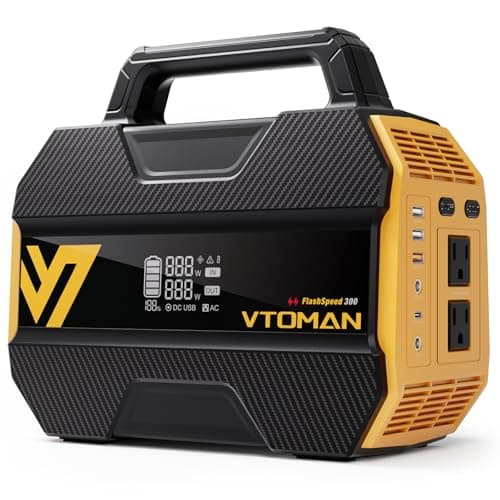
SinKeu vs VTOMAN
$103 vs $140
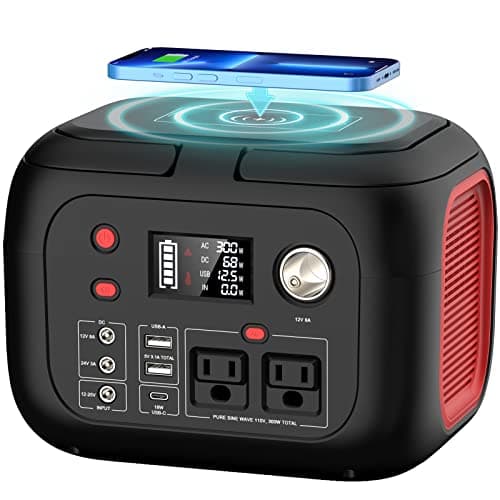
ENOFLO vs SinKeu
$120 vs $103
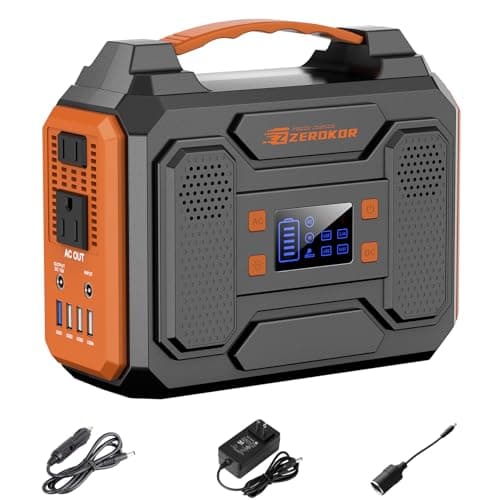
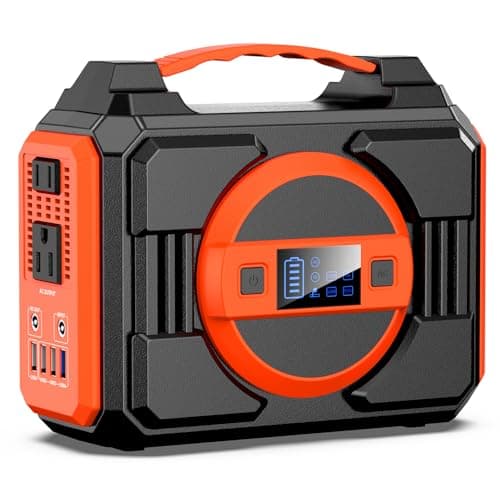
ZeroKor vs Apowking
$130 vs $100
Apowking vs VTOMAN
$100 vs $140
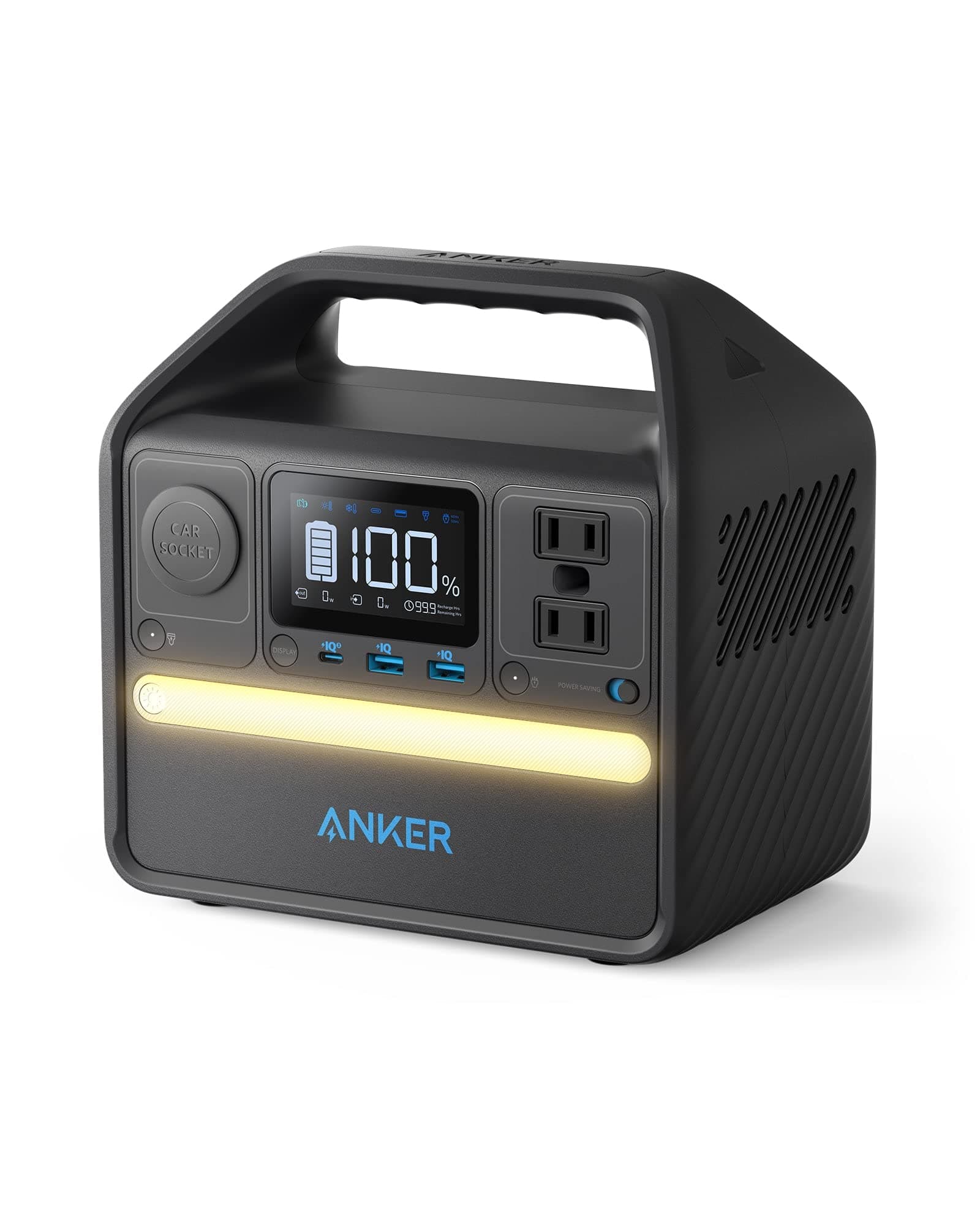
Anker vs Apowking
$150 vs $100
EF ECOFLOW vs SinKeu
$147 vs $103
GRECELL vs SinKeu
$100 vs $103
GRECELL vs Apowking
$100 vs $100
EnginStar vs Apowking
$111 vs $100
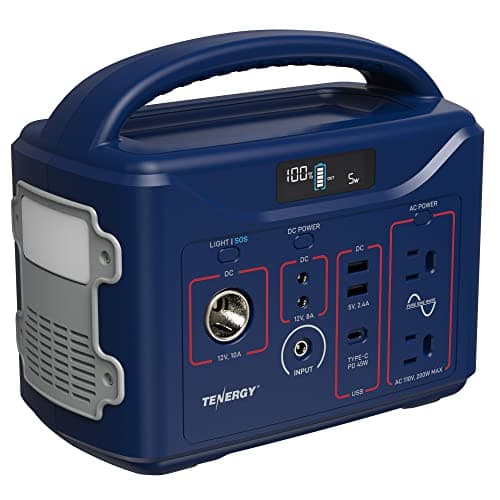
Apowking vs Tenergy
$100 vs $180
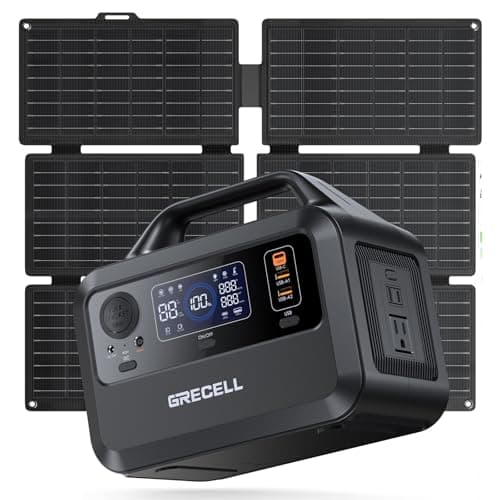
GRECELL vs Apowking
$190 vs $100
Anker vs SinKeu
$150 vs $103
ENOFLO vs Apowking
$120 vs $100
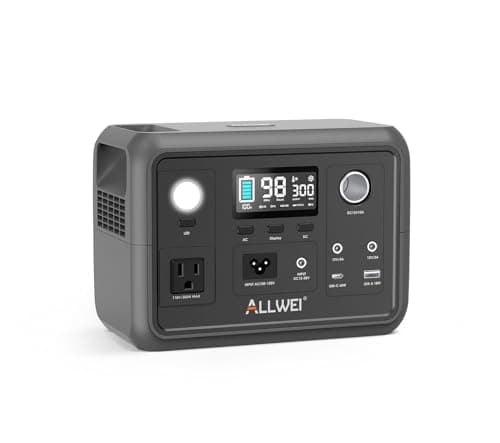
ALLWEI vs Apowking
$129 vs $100
EnginStar vs SinKeu
$111 vs $103
Explore Other Categories
Popular comparisons across the site
Ask AI
Get instant answers about specs
Get the Deets
Ask our AI assistant
Ask Deets anything!