Our Verdict
Anker Anker 521 Portable Power Station Wins
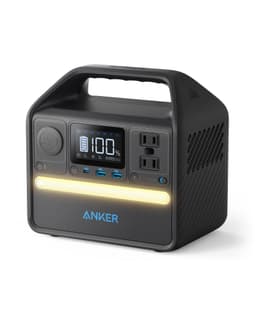
While the EnginStar offers a slightly higher 296Wh capacity for $20 less at $129.99, the Anker 521's LiFePO4 battery provides a superior 10-year lifespan and its 600W peak output can handle temporary power surges that the EnginStar cannot match. This makes the Anker a more durable and versatile investment for the long term. The EnginStar is the better pick for budget-conscious users prioritizing initial cost and a marginal capacity boost over battery longevity and surge capability.
Bottom Line: Anker Anker 521 Portable Power Station is the better choice. While the EnginStar offers a slightly higher 296Wh capacity for $20 less at $129.
In-Depth Analysis
How they compare in practice
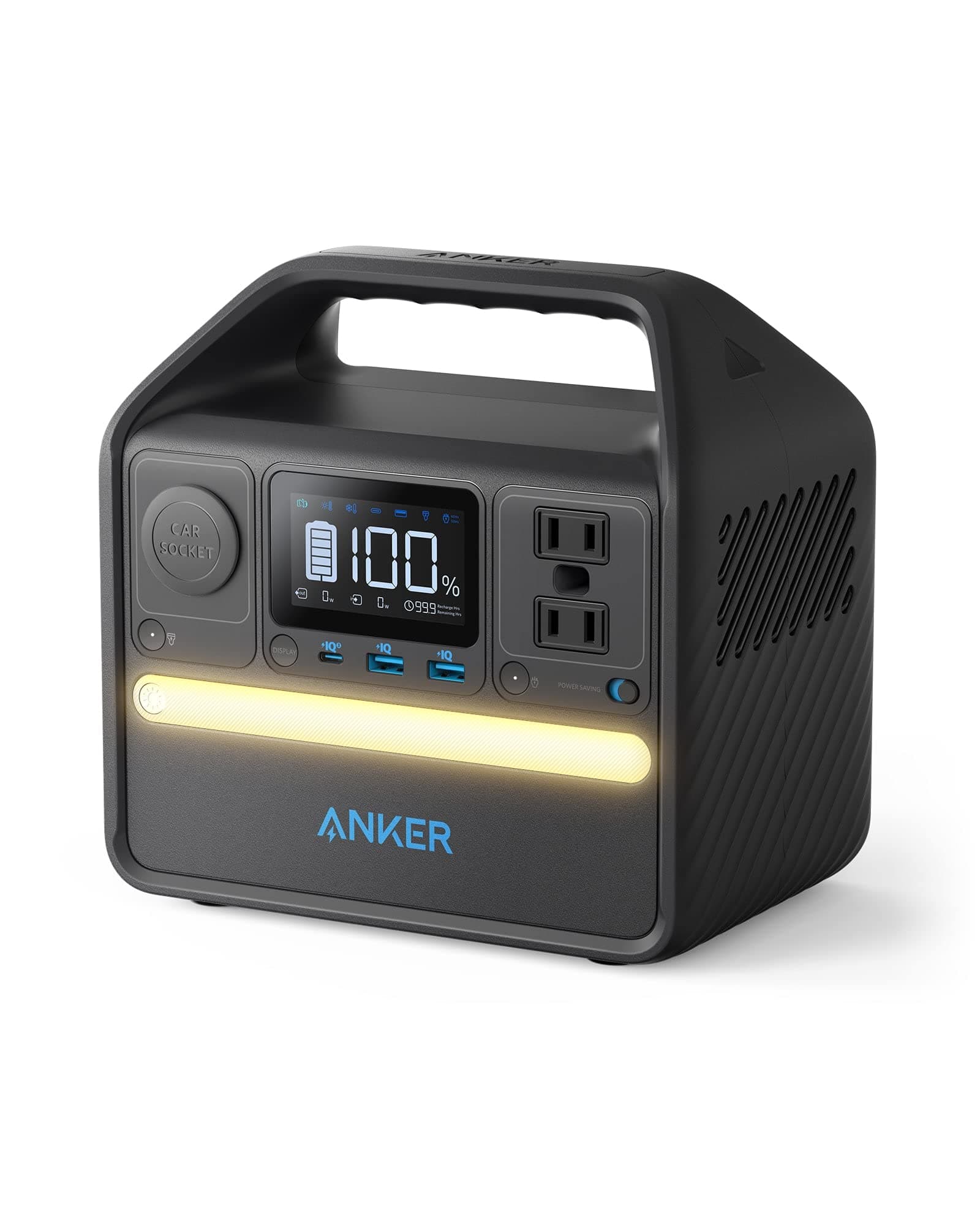
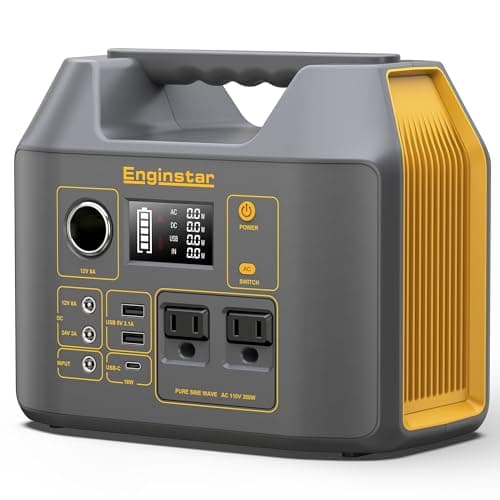
The Anker 521 and EnginStar Solar Generator R300 both target the portable power station market, but they cater to slightly different user priorities through their core design choices. The most significant differentiator lies in their battery chemistry: the Anker 521 utilizes a LiFePO4 battery, boasting an impressive 10-year lifespan, translating to thousands more charge cycles than typical lithium-ion. In contrast, the EnginStar employs a standard Lithium battery rated for 1000 cycles. This means the Anker, despite its $149.99 price tag being $20 higher, presents a far greater long-term value and durability, making it ideal for frequent, demanding use over many years.
Regarding power output, both units provide a continuous 300W AC output, suitable for most small appliances and electronics. However, the Anker 521 excels with a crucial 600W peak output, allowing it to handle sudden power draws or startup surges from devices like mini-fridges or power tools, a capability not explicitly matched by the EnginStar. While the EnginStar offers a slightly larger 296Wh capacity compared to the Anker's 256Wh, this 40Wh difference is often less impactful in real-world scenarios than the Anker's superior battery longevity and surge protection.
Port configuration also shows minor distinctions. The Anker 521 features a powerful 60W USB-C PD port, making it highly efficient for rapidly charging modern laptops and demanding USB-C devices. The EnginStar, while also having a USB-C port, does not specify PD wattage, and it offers more DC ports (3 vs 1). This makes the EnginStar potentially better for users with multiple 12V DC accessories. Ultimately, the choice hinges on whether a user prioritizes the long-term reliability and surge capability of LiFePO4 and 60W USB-C PD (Anker) or a slightly higher initial capacity and more DC outputs at a lower cost (EnginStar).
Key Differences
The most significant spec differences at a glance
Battery Capacity
14% lessDc Ports
67% lessAdvantages
Where each product wins

EnginStar
- Battery Capacity: 14% higher (256.0 vs 296)
- Dc Ports: 67% higher (1 vs 3)
Which to Pick for Your Situation
Concrete scenarios with a clear recommendation
For long-term reliability and investment
AnkerThe Anker 521 features a LiFePO4 battery, offering a superior 10-year lifespan compared to EnginStar's 1000-cycle Lithium battery.
For budget-conscious buyers needing general power
EnginStarThe EnginStar is priced at $129.99 and provides 296Wh capacity, offering good value for $20 less than the Anker.
For powering devices with high startup draw
AnkerAnker 521 boasts a 600W peak output, crucial for handling sudden power surges from appliances like mini-fridges or power tools.
For charging modern laptops quickly
AnkerThe Anker 521 includes a powerful 60W USB-C PD port, enabling rapid recharging for compatible laptops and devices.
Who Should Buy Which?
Find the right product for your needs
Buy Anker if...
Anker 521 Portable Power
The Anker Anker 521 Portable Power Station is ideal for users who prioritize long-term durability, advanced battery technology, and robust performance for a wide range of devices. This buyer values a sound investment that will last for years, making the LiFePO4 battery's 10-year lifespan a critical factor. They often need to power items with momentary high startup wattage, such as small power tools or a mini-fridge, where the 600W peak output of the Anker 521 provides crucial surge protection. Additionally, professionals or tech-savvy individuals who rely on quick charging for their laptops and modern gadgets will appreciate the dedicated 60W USB-C PD port. While the $149.99 price is slightly higher than the EnginStar, this buyer sees the extra cost as justified for superior longevity and enhanced power delivery capabilities. They are willing to forgo a marginal increase in capacity (296Wh vs 256Wh) and a couple of extra DC ports for the peace of mind that Anker’s advanced battery chemistry and surge handling provide.

Buy EnginStar if...
EnginStar Solar Generator, 300W
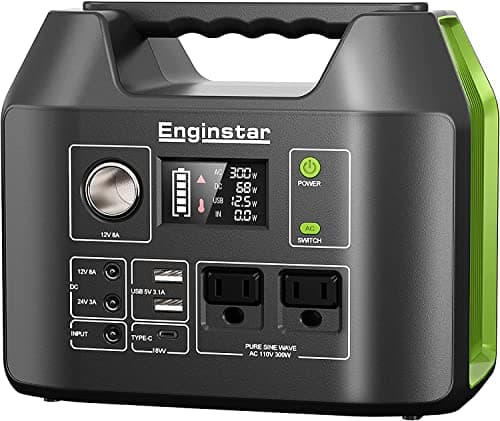
The EnginStar EnginStar Solar Generator, 300W Portable Power Station, is best suited for budget-conscious individuals seeking a reliable, versatile power source for general use without requiring the absolute longest lifespan or highest surge capability. This buyer typically needs to power standard electronics like phones, tablets, cameras, and lights, and occasionally small 300W AC appliances during camping trips, tailgating, or minor power outages. Their priority is getting good value for money, and the $129.99 price point makes it an attractive option. The EnginStar's 296Wh capacity provides ample runtime for their needs, and the eight output ports, including three DC ports, offer excellent versatility for a variety of accessories. They might not have devices with significant startup surges, so the lack of an explicit high peak wattage is not a dealbreaker. While they might miss out on the extended 10-year lifespan of a LiFePO4 battery, the 1000-cycle rating is sufficient for their less demanding usage patterns, making the EnginStar a practical and economical choice for accessible portable power.
Spec Comparison
12 specs compared
| Specification |  | 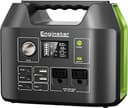 |
|---|---|---|
| Price | $150 | $130 |
| Rating | 4.4(3.0k) | 4.3(1.4k) |
| Capacity Wh | 256W | 296W |
| Chemistry | LiFePO4 | Lithium |
| AC Output Watts | 300W | 300W |
| Dc Ports | 1 | 3 |
| AC Outlets | 2 | 2 |
| Weight | 8.16 lbs | — |
| USB A Ports | 2 | 2 |
| USB C Ports | 1 | 1 |
| Peak Output Watts | 600W | — |
| Cycle Life | — | 1000 |
| Model Number | — | R300 |
| Charge Time Hours | — | 7 hrs |
Swipe horizontally to see all columns
Pros & Cons
Quick overview of strengths and weaknesses
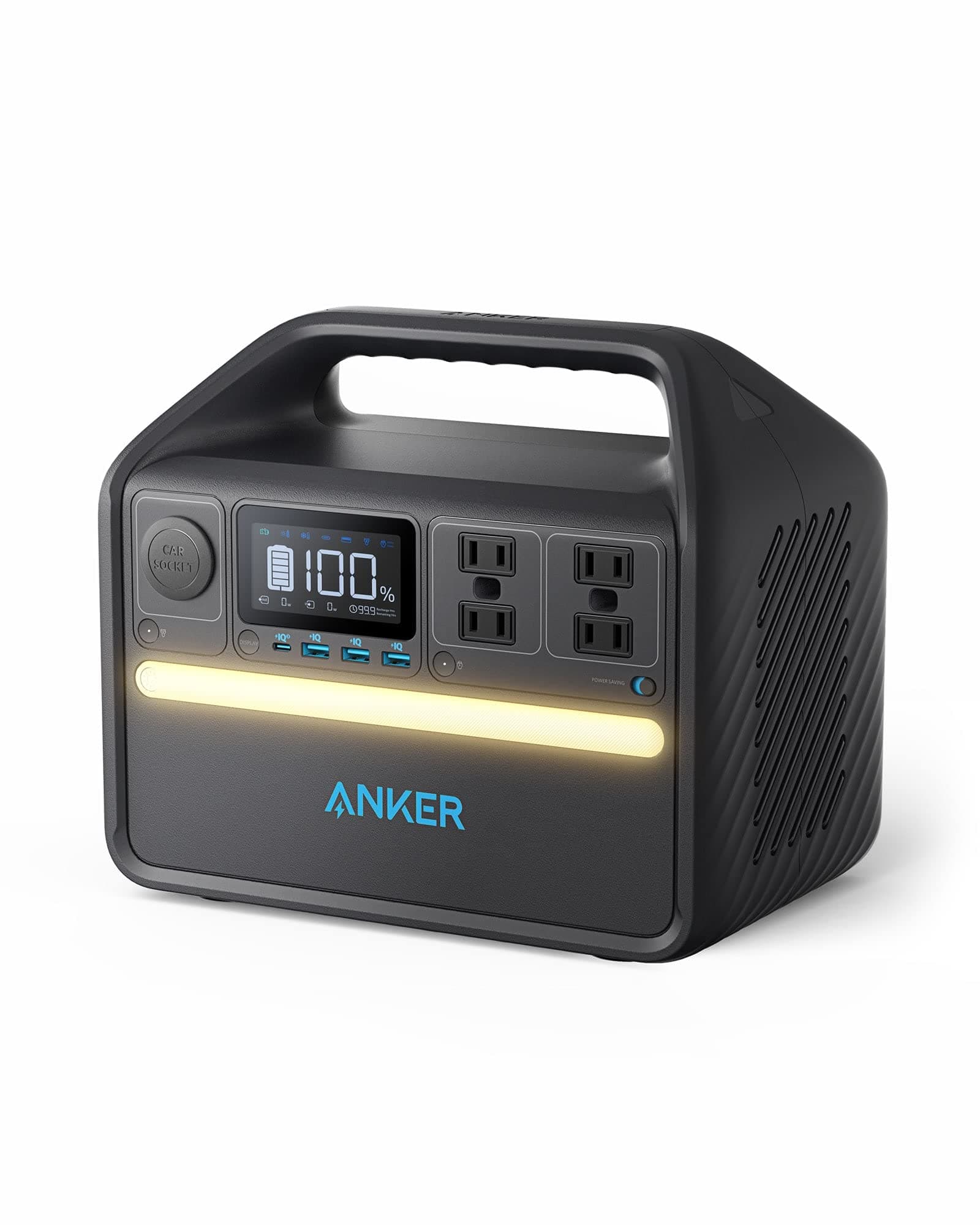
Anker Anker 521
- LiFePO4 battery provides 10-year lifespan
- Peak 600W output handles high-draw appliances
- 60W USB-C PD port recharges laptops quickly
- Six outputs: 2 AC, 1 USB-C PD, 2 USB-A, 1 DC
- 8.16 lbs unit weight impacts portability
- 256Wh capacity limits high-draw use cases
- Solar charging requires separate panel purchase
EnginStar Solar Generator,
- Delivers 300W AC power with 296Wh battery capacity.
- Two 110V pure sine wave AC outlets.
- Recharges via AC, car, or 12-25V solar input.
- Rated for 1000 charge cycles.
- Limited to devices under 300W total output.
- 7-hour recharge time using AC wall adapter.
- Solar panel requires separate purchase.
Frequently Asked Questions
Common questions about this comparison
What is the key difference in battery chemistry?
The Anker 521 uses a LiFePO4 battery, known for its long 10-year lifespan, while the EnginStar R300 uses a standard Lithium battery with a rated cycle life of 1000 cycles.
Which power station offers more energy capacity?
The EnginStar R300 has a slightly higher capacity at 296Wh, compared to the Anker 521's 256Wh. This provides a minor edge in runtime for low-power devices.
Can either unit handle appliances with high startup power?
The Anker 521 is better equipped for this with its 600W peak output. While both offer 300W continuous AC, the Anker's peak helps manage momentary surges from motors.
What is the price difference between the two portable power stations?
The Anker 521 is priced at $149.99, making it $20 more expensive than the EnginStar R300, which retails for $129.99.
Which unit is more suitable for charging laptops via USB-C?
The Anker 521 is explicitly upgraded with a 60W USB-C PD output, making it highly efficient for fast-charging most modern laptops and power-hungry USB-C devices.
Related Comparisons
Similar products people compare
Anker vs Jackery
$150 vs $229
EnginStar vs ZeroKor
$130 vs $130
Anker vs VTOMAN
$150 vs $140
Anker vs Apowking
$150 vs $100
Anker vs EnginStar
$300 vs $130
ALLWEI vs Anker
$129 vs $150
EnginStar vs GRECELL
$130 vs $100
EnginStar vs EnginStar
$111 vs $130
Anker vs VTOMAN
$150 vs $240
Anker vs EF ECOFLOW
$150 vs $147
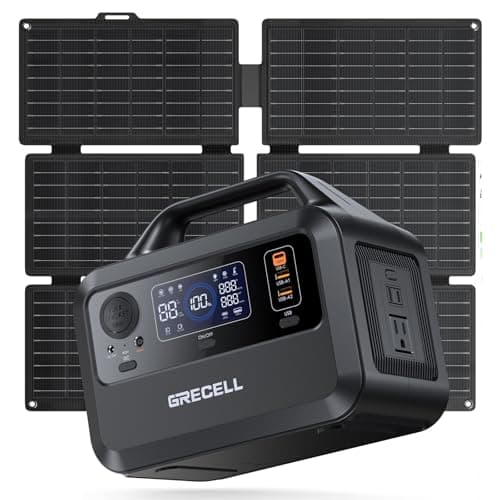
Anker vs GRECELL
$150 vs $190
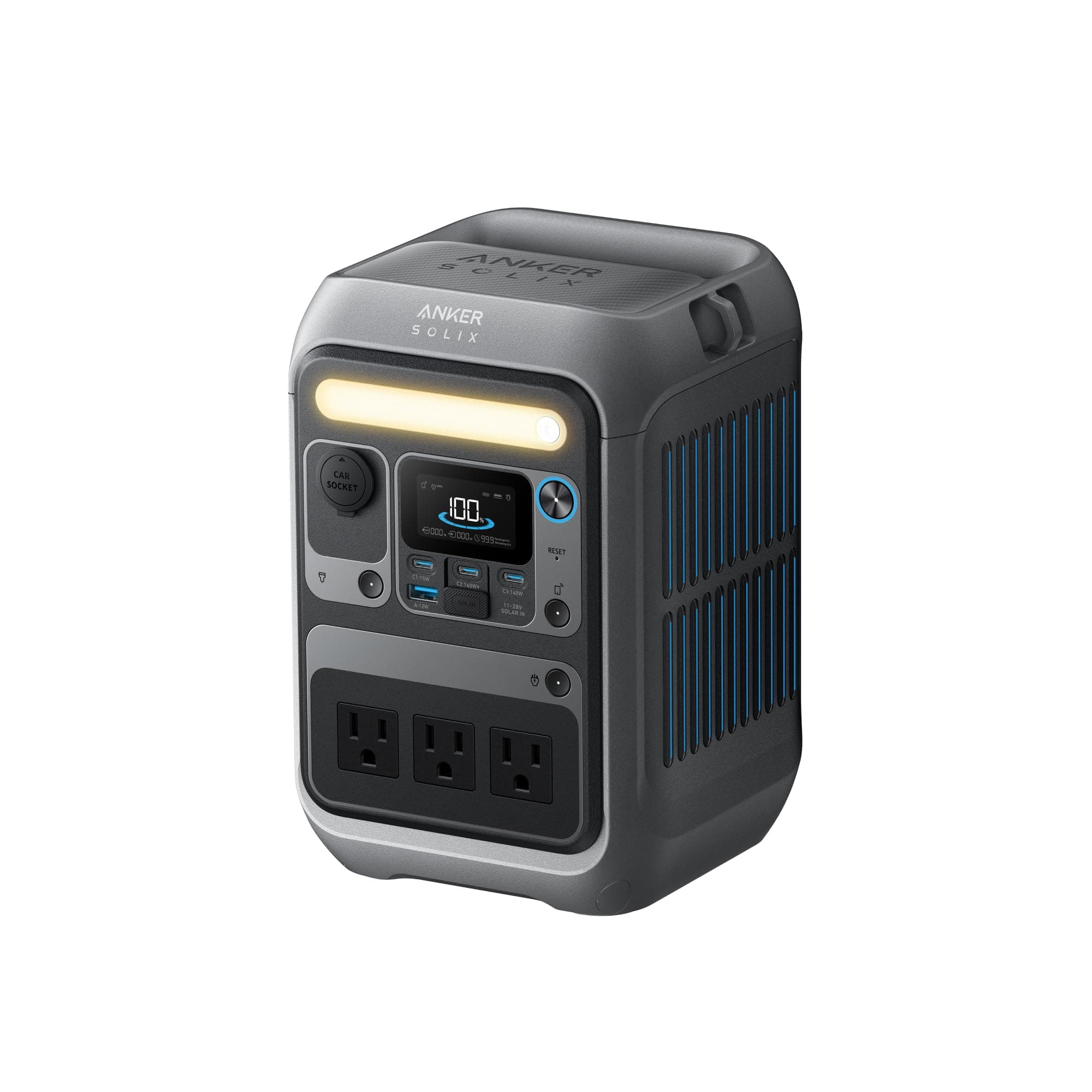
Anker vs EnginStar
$250 vs $130
EnginStar vs VTOMAN
$130 vs $140
Anker vs ZeroKor
$150 vs $130
EnginStar vs Jackery
$130 vs $229
Explore Other Categories
Popular comparisons across the site



Ask AI
Get instant answers about specs
Get the Deets
Ask our AI assistant
Ask Deets anything!