Our Verdict
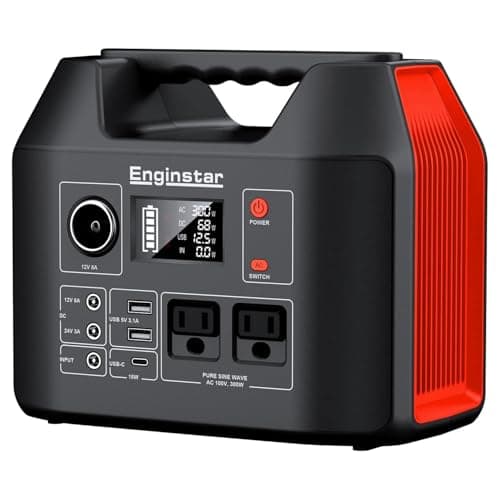
EnginStar EnginStar Solar Generator R300 Wins
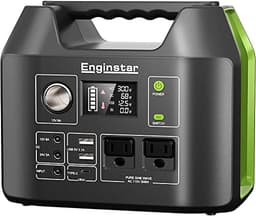
It offers a significantly higher continuous AC output of 300W compared to Tenergy's 200W, a crucial spec for running most AC appliances, and does so at a much more accessible price of $129.99 versus $179.99. Both have similar Wh capacity (296Wh vs 300Wh), making the R300 a better value for power output. When Tenergy T320 is the better pick: The Tenergy T320 is superior for users prioritizing long-term durability with its 2000+ charge cycle life, double that of the EnginStar, and for those needing 45W USB-C PD output.
Bottom Line: EnginStar EnginStar Solar Generator R300 is the better choice. It offers a significantly higher continuous AC output of 300W compared to Tenergy's 200W, a crucial spec for running most AC appliances, and does so at a much more accessible price of $129.
In-Depth Analysis
How they compare in practice
The EnginStar R300 and Tenergy T320 represent two distinct value propositions in the portable power station market, despite their similar 300Wh capacities. In real-world use, the primary differentiator is continuous AC output. The EnginStar R300 boasts a robust 300W continuous AC output, allowing it to power a wider range of small appliances and tools, from mini-fridges to certain soldering irons, without hitting its limit. This makes it more versatile for tasks requiring consistent power. In contrast, the Tenergy T320 offers 200W continuous AC, with a 400W surge capability. While the surge can briefly handle higher loads, its lower continuous output means users might encounter limitations with devices above 200W, making it less suitable for some common camping or emergency needs compared to the EnginStar.
However, the Tenergy T320 shines in its longevity and specific charging capabilities. With a rated cycle life of 2000+, it promises twice the lifespan of the EnginStar R300's 1000 cycles. For users planning frequent, long-term use, the Tenergy's higher upfront cost of $179.99 compared to the EnginStar's $129.99 might be justified by its durability. Furthermore, the Tenergy T320 includes a dedicated 45W USB-C Power Delivery (PD) port, a significant advantage for rapidly charging modern laptops, tablets, and smartphones, a feature not explicitly detailed for the EnginStar's USB-C output.
The trade-offs are clear: the EnginStar R300 offers superior continuous power output at a more attractive price, making it an excellent choice for budget-conscious users who need dependable AC power for immediate applications. Its 7-hour AC recharge time is standard. The Tenergy T320, while having a lower continuous AC output, compensates with double the battery cycle life and a powerful USB-C PD port, catering to users prioritizing long-term investment and efficient device charging. Both units provide pure sine wave output, ensuring sensitive electronics are safely powered. The decision largely hinges on whether immediate AC power versatility or long-term battery health and advanced USB-C charging are the higher priority.
Key Differences
The most significant spec differences at a glance
Battery Capacity
1% lessAC Output
50% moreCycle Life
50% lessAdvantages
Where each product wins

EnginStar
- AC Output: 50% higher (300 vs 200)

Tenergy
- Battery Capacity: 1% higher (296 vs 300)
- Cycle Life: 50% higher (1000 vs 2000)
Which to Pick for Your Situation
Concrete scenarios with a clear recommendation
Powering essential tools or small appliances for off-grid work/camping
EnginStarThe EnginStar R300 provides 300W continuous AC output, crucial for running tools that exceed the Tenergy T320's 200W limit.
Long-term emergency backup for occasional use over many years
TenergyThe Tenergy T320 boasts a 2000+ cycle life, offering double the longevity compared to the EnginStar R300's 1000 cycles, ideal for infrequent but reliable backup.
Charging modern laptops and smartphones rapidly
TenergyThe Tenergy T320 features a dedicated USB-C PD 45W output, providing faster and more efficient charging for compatible devices than the standard USB-C on the EnginStar.
Most budget-friendly option for general power needs
EnginStarAt $129.99, the EnginStar R300 offers substantial 300W AC power and 296Wh capacity for significantly less than the Tenergy T320's $179.99 price point.
Who Should Buy Which?
Find the right product for your needs

Buy EnginStar if...
EnginStar Solar Generator, 300W
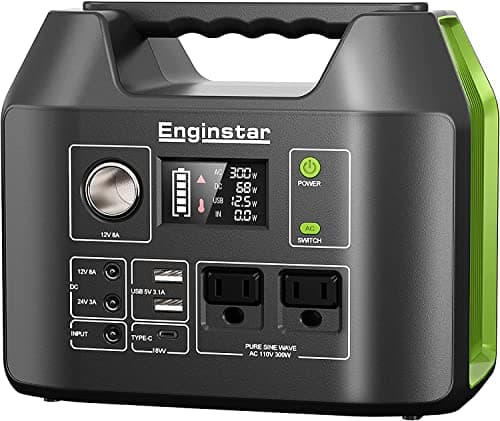
Ideal buyers for the EnginStar R300 are budget-conscious individuals or families seeking a capable and versatile portable power station without breaking the bank. This product caters to campers, road trippers, or those preparing for occasional power outages who prioritize a higher continuous AC output for their devices. If your primary need is to power small appliances like a mini-fan, an electric blanket, a CPAP machine, or basic power tools up to 300W, the EnginStar R300 is a perfect fit. Its $129.99 price point makes it an incredibly attractive option, offering excellent power-per-dollar value. The 296Wh capacity ensures sufficient power for several hours or days of light use, while the two 110V pure sine wave AC outlets safeguard sensitive electronics. Buyers of the EnginStar R300 are willing to accept a 1000-cycle battery life and standard USB-C output, as their usage patterns are less frequent or demanding on battery longevity, focusing instead on immediate, reliable AC power access. They might already own a separate fast charger for their USB-C devices or don't require the most rapid charging speeds directly from the power station.

Buy Tenergy if...
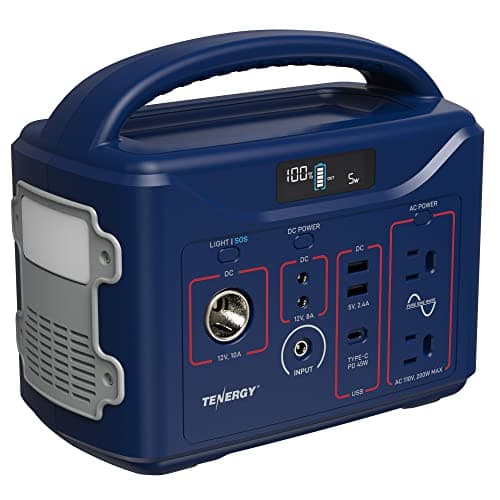
Tenergy T320 Portable Power
The Tenergy T320 is designed for users who view their portable power station as a long-term investment and prioritize durability, specific fast-charging capabilities, and robust construction, even if it means a higher initial cost. This power station is ideal for frequent outdoor enthusiasts, RV dwellers, or those who need a reliable emergency backup system that can endure years of use. Its standout feature is the 2000+ charge cycle life, which provides double the longevity of many competitors, making the $179.99 price a worthy expenditure for extended peace of mind. Moreover, the Tenergy T320’s 45W USB-C Power Delivery (PD) port is a game-changer for individuals who regularly need to quickly charge modern laptops, tablets, or high-end smartphones, offering efficiency that standard USB-C ports cannot match. While its continuous AC output is limited to 200W, users who mostly power smaller AC devices like LED lights, camera batteries, or smaller medical equipment will find this sufficient. They are prepared to manage loads carefully or use adapters for higher-wattage devices, valuing the extended lifespan and advanced USB charging over raw continuous AC power output.
Spec Comparison
12 specs compared
| Specification |  | 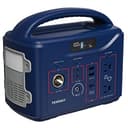 |
|---|---|---|
| Price | $130 | $180 |
| Rating | 4.3(1.4k) | 4.3(217) |
| Capacity Wh | 296W | 300W |
| Chemistry | Lithium | — |
| AC Output Watts | 300W | 200W |
| Dc Ports | 3 | 3 |
| AC Outlets | 2 | 2 |
| Cycle Life | 1000 | 2000 |
| USB A Ports | 2 | 2 |
| USB C Ports | 1 | 1 |
| Model Number | R300 | T320 |
| Charge Time Hours | 7 hrs | — |
| Weight | — | 8.4 lbs |
| Peak Output Watts | — | 400W |
Swipe horizontally to see all columns
Pros & Cons
Quick overview of strengths and weaknesses
EnginStar Solar Generator,
- Delivers 300W AC power with 296Wh battery capacity.
- Two 110V pure sine wave AC outlets.
- Recharges via AC, car, or 12-25V solar input.
- Rated for 1000 charge cycles.
- Limited to devices under 300W total output.
- 7-hour recharge time using AC wall adapter.
- Solar panel requires separate purchase.
Tenergy T320 Portable
- Provides 300Wh power for extended use.
- 2 AC outlets deliver 200W continuous, 400W surge.
- Pure Sine Wave AC output protects sensitive electronics.
- Multiple DC outputs: USB-C PD 45W, 2 USB-A, 12V car.
- 200W continuous AC output limits appliance compatibility.
- Combined AC/DC output limited to 398W total.
- Solar panel not included for solar recharging option.
Frequently Asked Questions
Common questions about this comparison
What is the main difference in AC power output between the EnginStar R300 and Tenergy T320?
The EnginStar R300 provides 300W of continuous AC power, while the Tenergy T320 offers 200W continuous AC output, though it can handle a 400W surge.
Which power station offers better long-term durability?
The Tenergy T320 is rated for 2000+ charge cycles, which is double the 1000-cycle life of the EnginStar R300, indicating superior long-term durability.
Can either power station charge a laptop quickly via USB-C?
Yes, the Tenergy T320 features a USB-C PD 45W port designed for rapid charging of modern laptops and other compatible devices. EnginStar's USB-C specs are not detailed for PD.
How do their capacities compare?
Their capacities are very similar: the EnginStar R300 has 296Wh, and the Tenergy T320 has 300Wh, offering comparable runtimes for most devices.
What charging options are available for the EnginStar R300?
The EnginStar R300 can be recharged via AC wall adapter, car charger, or a 12-25V solar input (solar panel sold separately), with a 7-hour AC charge time.
Is a solar panel included with either product?
No, for both the EnginStar R300 and Tenergy T320, the solar panel for recharging must be purchased separately.
Related Comparisons
Similar products people compare
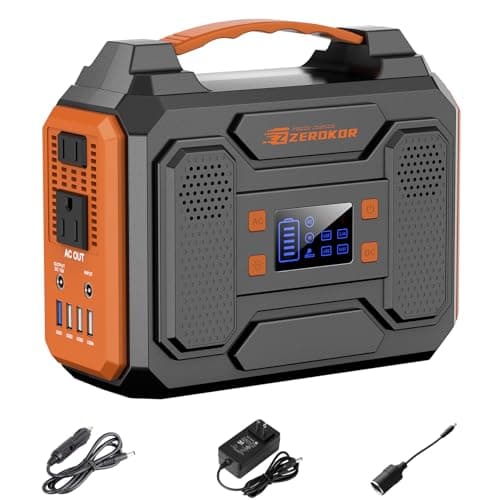
EnginStar vs ZeroKor
$130 vs $130
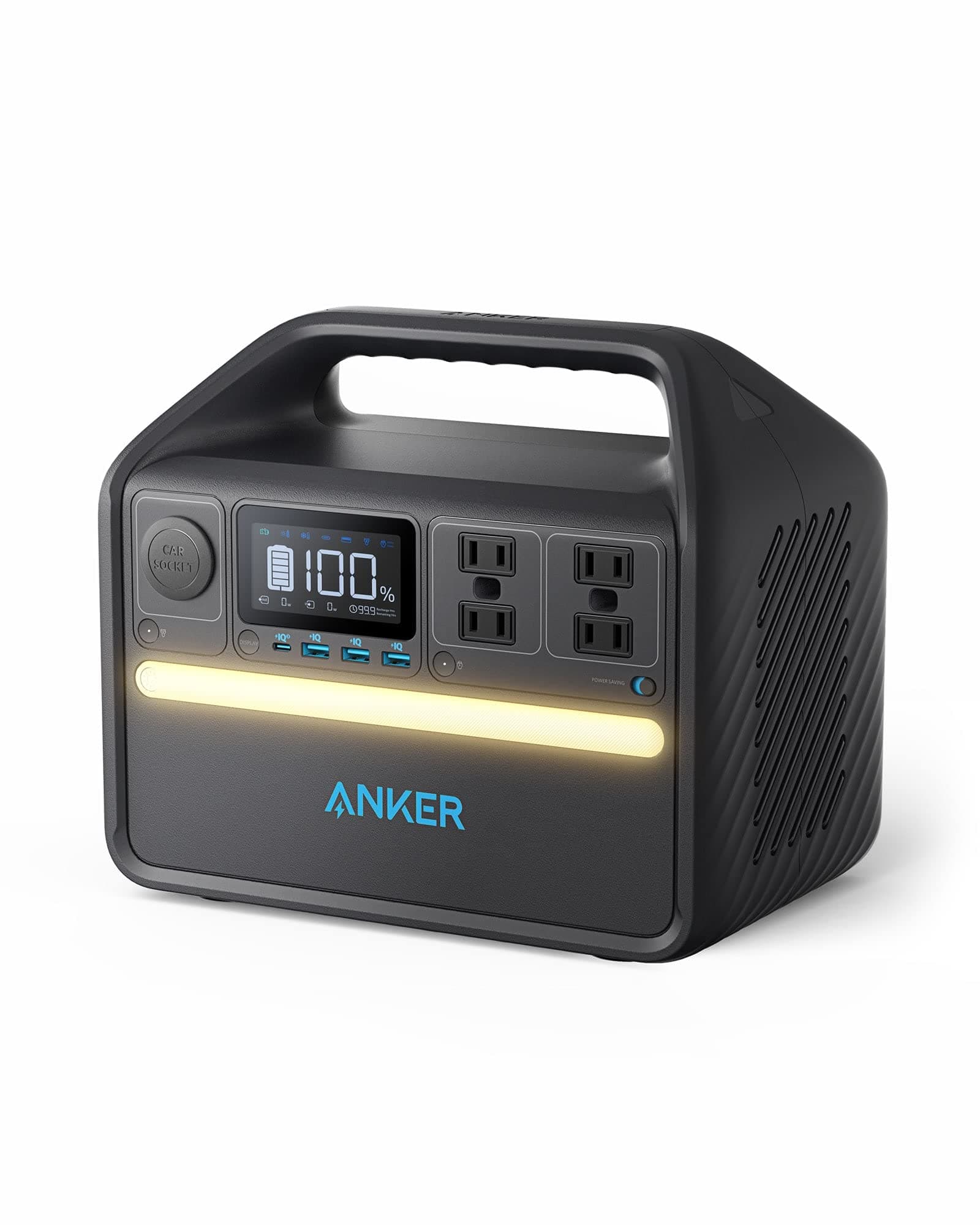
Anker vs EnginStar
$300 vs $130
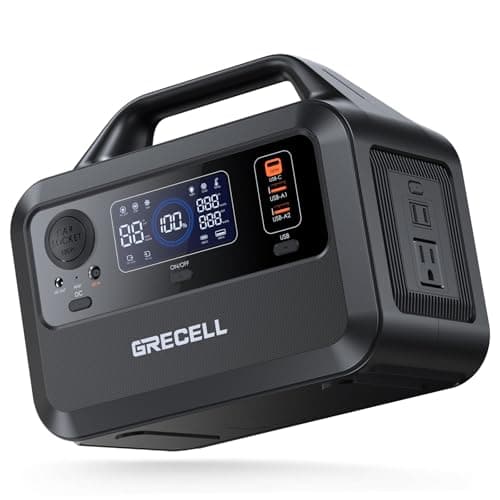
EnginStar vs GRECELL
$130 vs $100
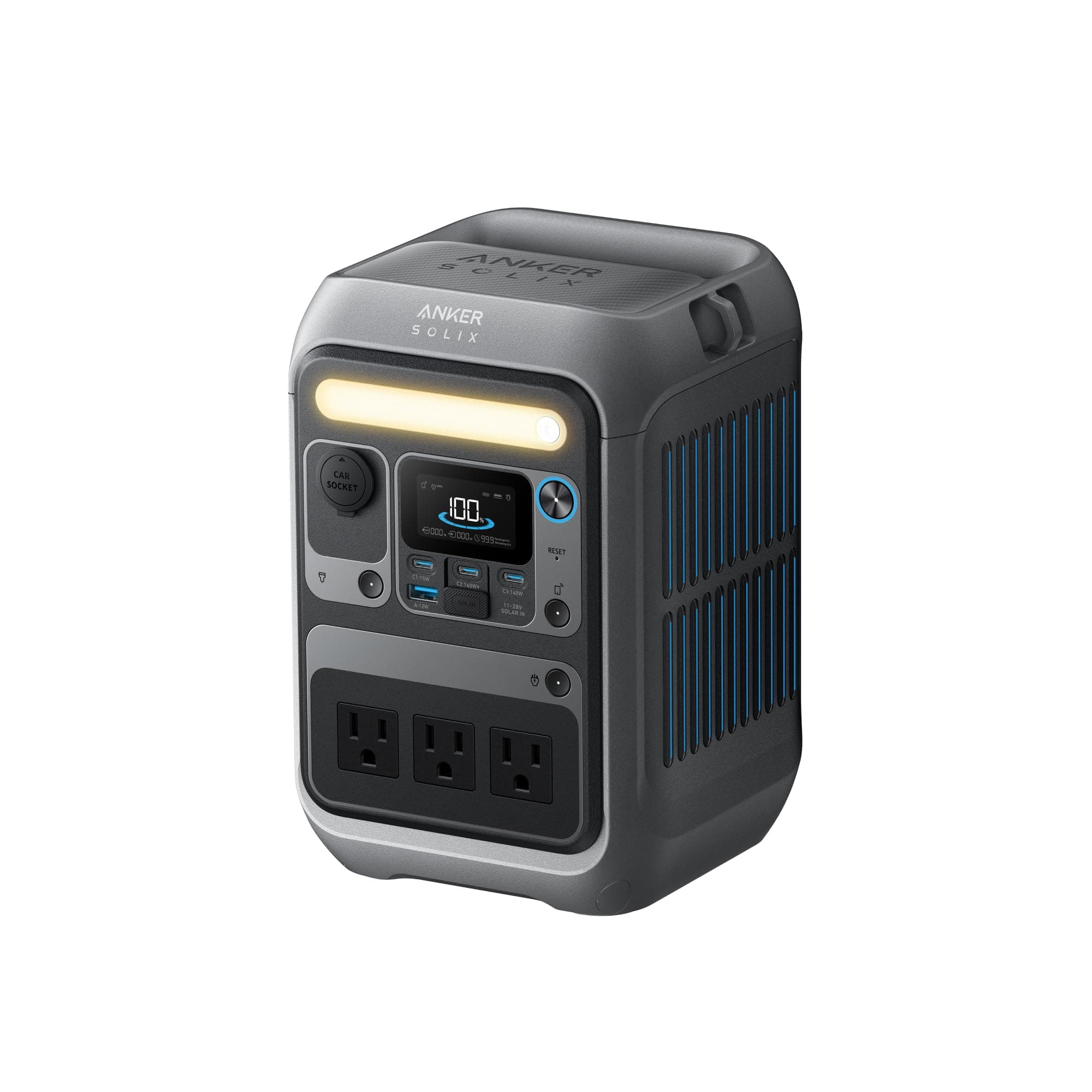
Anker vs Tenergy
$250 vs $180
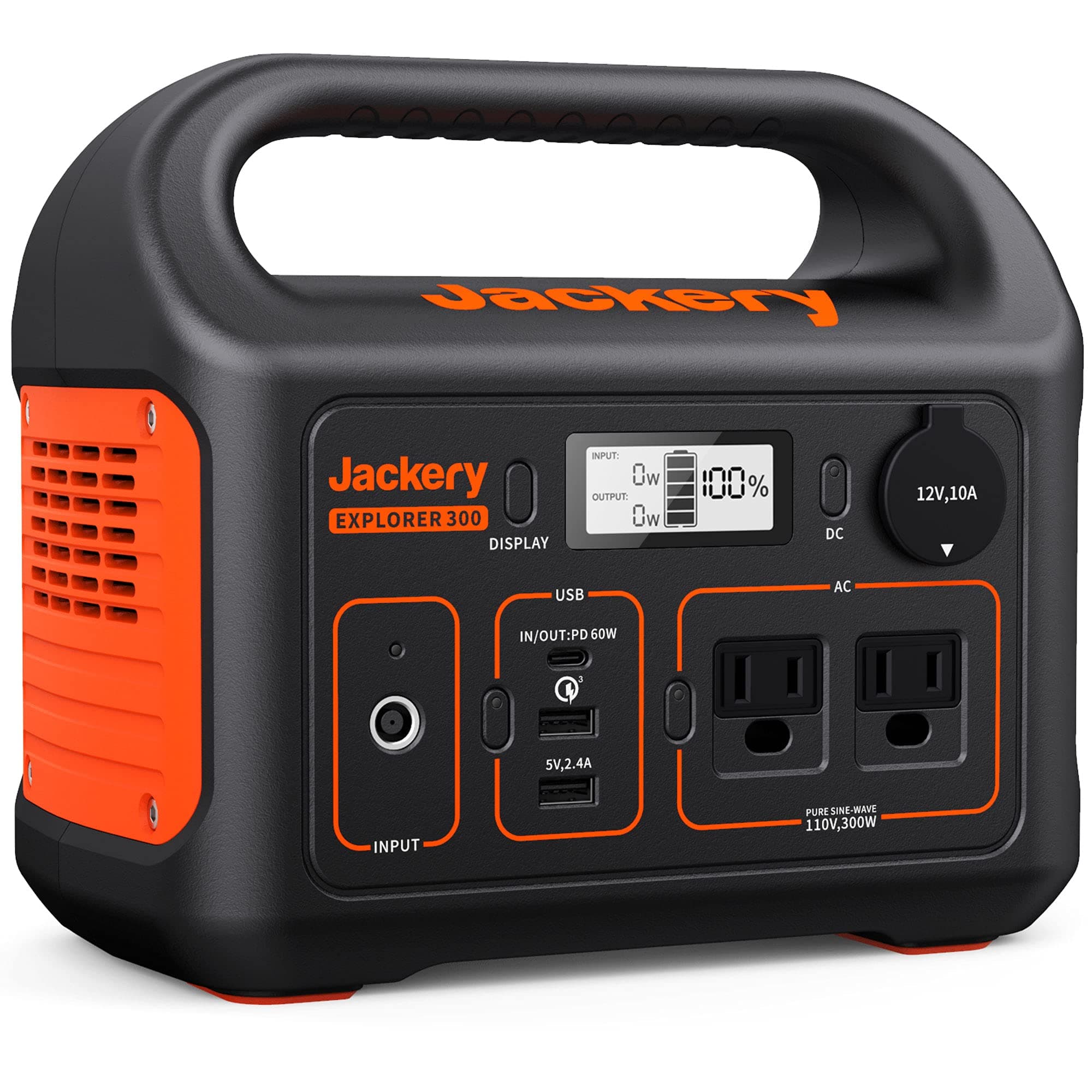
Jackery vs Tenergy
$229 vs $180
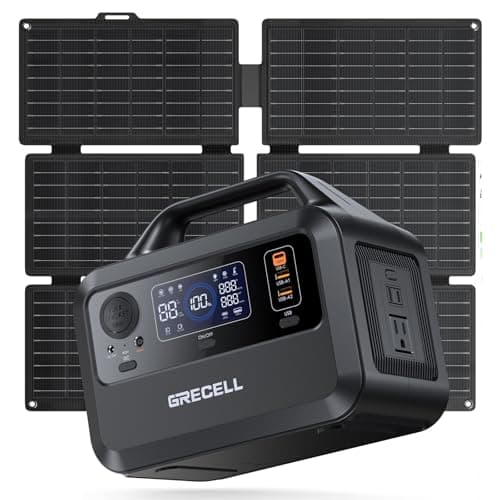
GRECELL vs Tenergy
$190 vs $180
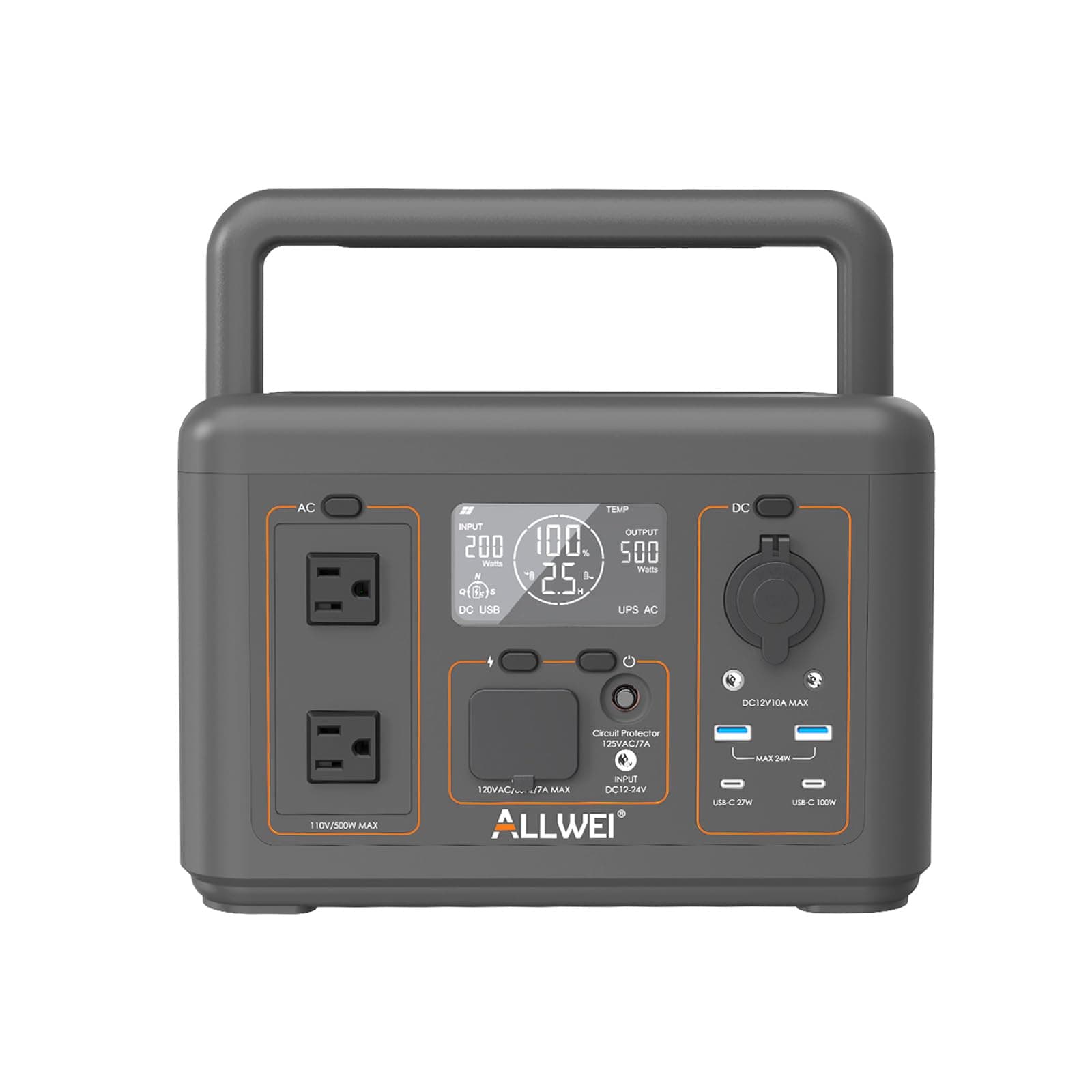
ALLWEI vs Tenergy
$269 vs $180
EnginStar vs Tenergy
$130 vs $180
Jackery vs Tenergy
$299 vs $180
EnginStar vs EnginStar
$111 vs $130
Tenergy vs VTOMAN
$180 vs $240
Anker vs EnginStar
$250 vs $130
ALLWEI vs Tenergy
$129 vs $180
Tenergy vs VTOMAN
$180 vs $140
Apowking vs Tenergy
$100 vs $180
Explore Other Categories
Popular comparisons across the site




Ask AI
Get instant answers about specs
Get the Deets
Ask our AI assistant
Ask Deets anything!