Our Verdict
EnginStar Portable Power Station 300W (Product A) Wins
While both units share identical core specifications like a 296Wh capacity, 300W pure sine wave AC output, and 1000 charge cycle life, Product A offers superior value at $111.1, nearly $19 less than Product B. It also boasts a lighter 6.5 lbs weight and a potentially faster recharge speed due to its stated 65W input capability compared to Product B's 7-hour AC charge time. Product B is the better pick if you specifically need an additional DC port and another USB-A port and are willing to pay a premium.
Bottom Line: EnginStar Portable Power Station 300W (Product A) is the better choice. While both units share identical core specifications like a 296Wh capacity, 300W pure sine wave AC output, and 1000 charge cycle life, Product A offers superior value at $111.
In-Depth Analysis
How they compare in practice
The EnginStar Portable Power Stations A and B, despite bearing the same R300 model number, present a nuanced comparison for prospective buyers. Both units deliver a respectable 296Wh capacity and 300W of pure sine wave AC output, making them ideal for powering small electronics, charging laptops, or running a CPAP machine during outages or camping trips. The 1000-cycle life for both ensures long-term reliability, a critical factor for any portable power investment.The most significant distinction lies in their port configuration and pricing. Product A, priced at $111.1, offers 2 DC ports, 1 USB-A, and 1 USB-C. It also proudly lists a lightweight design at 6.5 lbs. In contrast, Product B, at $129.99, provides an additional DC port (totaling 3) and an extra USB-A port (totaling 2), catering to users who might need to power more legacy or DC-specific devices simultaneously. However, Product B also lists a 7-hour AC recharge time, which, when compared to Product A's "Max 65W input speed" (implying a theoretical 4.5-hour recharge for 296Wh), suggests Product A could potentially replenish faster from a wall outlet. This difference in recharge speed can be crucial when time is limited.In real-world use, Product A’s lighter 6.5 lbs might make a noticeable difference for hikers or those constantly on the move, where every ounce counts. Its lower price point makes it an incredibly attractive entry-level option for reliable portable power. Product B's additional ports offer slightly more versatility, but at a higher cost and potentially heavier, though its weight is not explicitly stated. Both units share robust safety features through their pure sine wave output, protecting sensitive electronics, and offer flexible recharging options via wall, car, or solar (though solar panels are separate purchases for both). Ultimately, the choice hinges on budget sensitivity and the specific demand for simultaneous port usage versus overall portability and recharge speed.
Key Differences
The most significant spec differences at a glance
Dc Ports
33% lessUSB-A Ports
50% lessAdvantages
Where each product wins

EnginStar
- Dc Ports: 33% higher (2 vs 3)
- USB-A Ports: 50% higher (1 vs 2)
Which to Pick for Your Situation
Concrete scenarios with a clear recommendation
For the budget-conscious camper
EnginStarProduct A offers identical core power specs (296Wh, 300W AC) for $111.1, making it a more economical choice without sacrificing performance.
For users needing to power multiple DC accessories
EnginStarProduct B features 3 DC ports compared to Product A's 2, providing greater versatility for concurrent DC device usage.
For maximum portability and frequent movement
EnginStarProduct A is explicitly listed at a lightweight 6.5 lbs, making it easier to carry on extended trips or for mobile use.
For quick power replenishment between uses
EnginStarProduct A states a "Max 65W input speed," which theoretically allows for a faster AC recharge (approx. 4.5 hours) than Product B's explicit 7-hour AC charge time.
Who Should Buy Which?
Find the right product for your needs

Buy EnginStar if...
EnginStar Portable Power Station
The EnginStar Portable Power Station 300W (Product A) is the ideal choice for the practical, budget-conscious individual who prioritizes core functionality and portability without compromising on essential power capabilities. This buyer might be an occasional camper, a remote worker needing reliable laptop power, or someone seeking an emergency backup for crucial devices like a CPAP machine. Their primary need is dependable power for small to medium electronics, and they appreciate getting excellent value for their money. With its $111.1 price point, Product A delivers a robust 296Wh capacity and a 300W pure sine wave AC output, ensuring sensitive gadgets are protected. The lightweight 6.5 lbs design is a significant advantage for those who frequently move their power source, whether between campsites, work locations, or simply around the house during an outage. They might not need to power a vast array of devices simultaneously, as its 2 DC and 1 USB-A ports are sufficient for their typical load. What they're giving up are the extra DC and USB-A ports found on Product B, but for their specific needs, the cost savings and reduced weight far outweigh the marginal benefit of additional connectivity. Furthermore, the potentially faster recharge time from its 65W input speed means less waiting and more ready power.

Buy EnginStar if...
EnginStar Solar Generator, 300W
The EnginStar Solar Generator 300W (Product B) caters to users who need slightly more connection versatility for their portable power needs and are willing to invest a little extra for that flexibility. This buyer often finds themselves juggling multiple devices that require DC or USB-A connections, such as various camping lights, small fans, or older gadgets. While it shares the fundamental 296Wh capacity and 300W pure sine wave AC output with Product A, Product B distinguishes itself with an additional DC port (totaling 3) and an extra USB-A port (totaling 2). This expanded port selection is crucial for someone running a diverse set of accessories concurrently, especially in off-grid situations or during prolonged power outages where every output option counts. Although priced at $129.99, slightly higher than Product A, the investment is justified for those who recognize the value of this increased connectivity. They might also be less concerned with the absolute lightest weight, or perhaps the 7-hour AC recharge time isn't a critical deterrent if they plan their charging cycles effectively, possibly utilizing solar input more frequently. What this buyer is foregoing is the lighter chassis and potentially faster AC charging of Product A, but they gain the peace of mind knowing they have all the necessary ports for their specific array of devices, making it a comprehensive power hub for their adventures or emergency preparedness.
Spec Comparison
11 specs compared
| Specification | 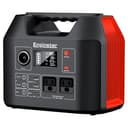 | 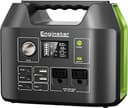 |
|---|---|---|
| Price | $130 | $130 |
| Rating | 4.3(1.4k) | 4.3(1.4k) |
| Capacity Wh | 296W | 296W |
| Chemistry | Li-ion | Lithium |
| AC Output Watts | 300W | 300W |
| Dc Ports | 2 | 3 |
| AC Outlets | 2 | 2 |
| Cycle Life | 1000 | 1000 |
| Weight | 6.5 lbs | — |
| USB A Ports | 1 | 2 |
| USB C Ports | 1 | 1 |
| Model Number | R300 | R300 |
| Charge Time Hours | — | 7 hrs |
Swipe horizontally to see all columns
Pros & Cons
Quick overview of strengths and weaknesses
EnginStar Portable Power
- Lightweight 6.5 lbs for easy portability
- 300W pure sine wave AC output protects devices
- 8 output ports charge multiple items concurrently
- Three recharge methods: wall, car, solar panel
- Solar panel not included; separate purchase required
- Max 65W input speed; slower full recharge
- Requires charging every 2-3 months for upkeep
EnginStar Solar Generator,
- Delivers 300W AC power with 296Wh battery capacity.
- Two 110V pure sine wave AC outlets.
- Recharges via AC, car, or 12-25V solar input.
- Rated for 1000 charge cycles.
- Limited to devices under 300W total output.
- 7-hour recharge time using AC wall adapter.
- Solar panel requires separate purchase.
Frequently Asked Questions
Common questions about this comparison
What's the battery capacity and output power of these units?
Both power stations offer a 296Wh lithium-ion battery capacity and deliver a stable 300W pure sine wave AC output, suitable for various small appliances and devices.
How long do these power stations last?
Both models are rated for 1000+ charge cycles, ensuring a long operational lifespan. They require charging every 2-3 months for optimal upkeep.
Can I charge my laptop or a CPAP machine with these?
Yes, both units provide a 300W pure sine wave AC outlet, making them suitable and safe for charging laptops, CPAP machines, and other sensitive electronics.
What are the main differences in connectivity?
Product B offers slightly more ports with 3 DC ports and 2 USB-A ports, while Product A has 2 DC and 1 USB-A, both include 1 USB-C and 2 AC outlets.
How quickly do these power stations recharge?
Product A specifies a 65W max input speed, suggesting a faster AC recharge time of around 4.5 hours. Product B lists a 7-hour recharge time using its AC wall adapter.
Related Comparisons
Similar products people compare
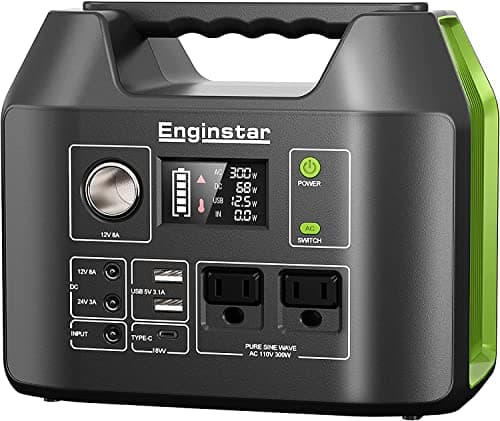
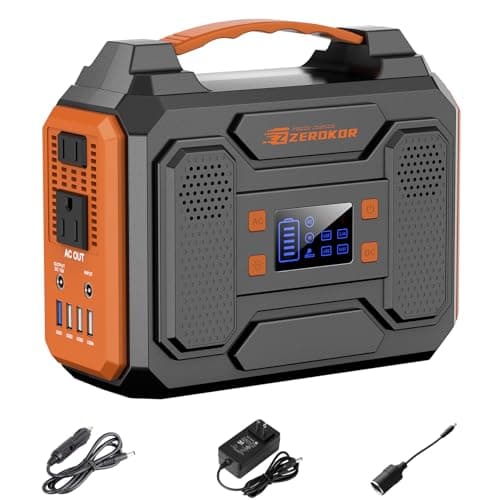
EnginStar vs ZeroKor
$130 vs $130
EnginStar vs GRECELL
$130 vs $100
Anker vs EnginStar
$300 vs $130
EnginStar vs ZeroKor
$130 vs $130
EnginStar vs GRECELL
$130 vs $100
Anker vs EnginStar
$300 vs $130
EnginStar vs Tenergy
$130 vs $180
EnginStar vs VTOMAN
$130 vs $140
EnginStar vs EnginStar
$130 vs $111
EnginStar vs EnginStar
$111 vs $130
EnginStar vs VTOMAN
$130 vs $240
ALLWEI vs EnginStar
$129 vs $130
Anker vs EnginStar
$250 vs $130
ALLWEI vs EnginStar
$269 vs $130
EnginStar vs VTOMAN
$130 vs $140
Explore Other Categories
Popular comparisons across the site

Ask AI
Get instant answers about specs
Get the Deets
Ask our AI assistant
Ask Deets anything!