Our Verdict
Anker 521 Wins
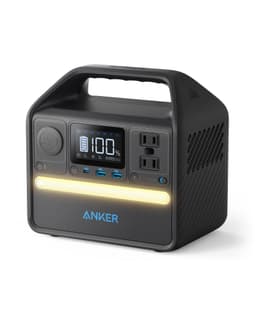
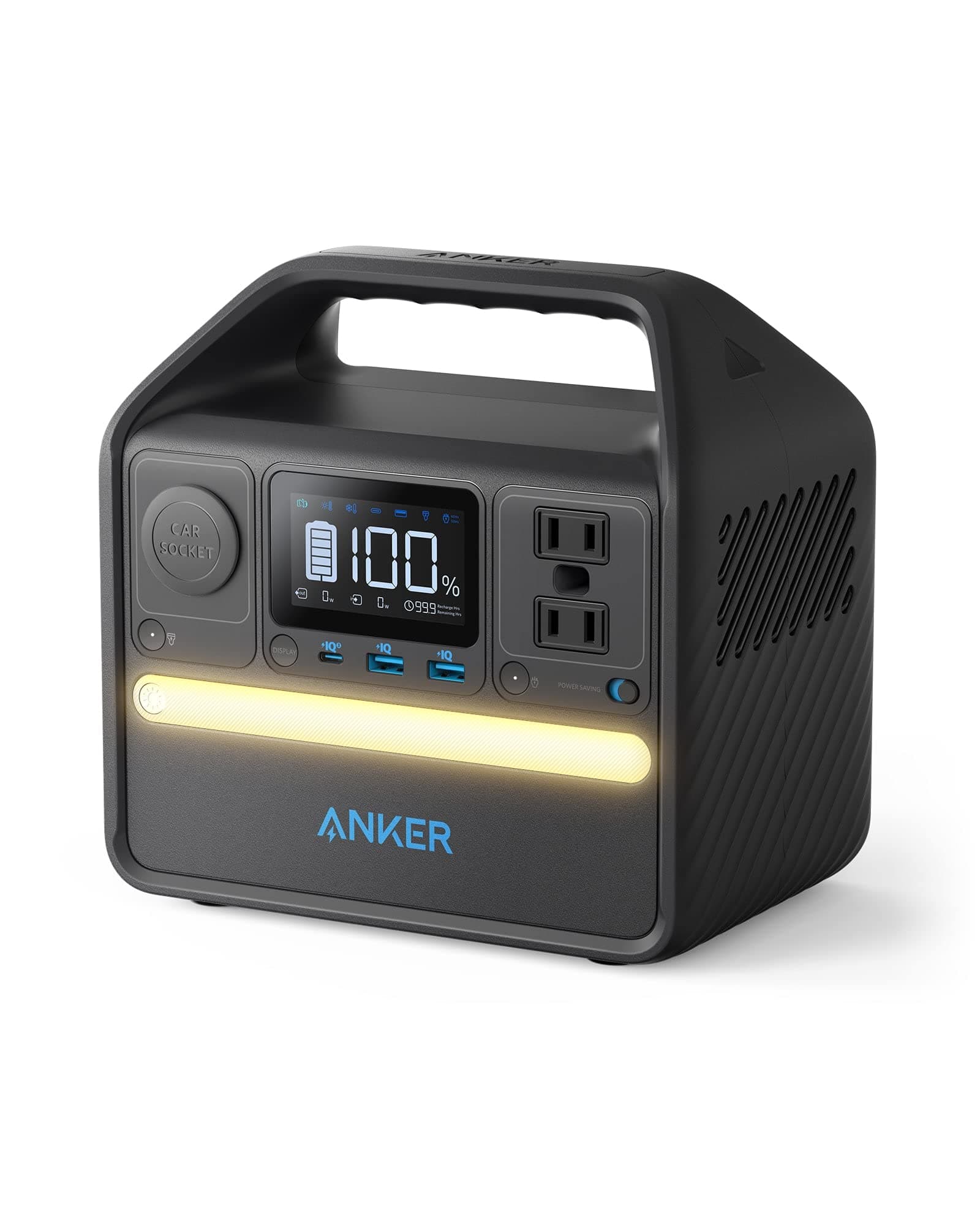
Its superior LiFePO4 battery chemistry offers a 10-year lifespan, significantly outlasting typical lithium-ion batteries, combined with a slightly higher 256Wh capacity. The 60W USB-C PD output provides essential fast charging for modern laptops, a feature missing in the ENOFLO. The ENOFLO is the better pick for budget-conscious users prioritizing a lower upfront cost of $119.99 and more DC ports, accepting a shorter overall product lifespan.
Bottom Line: Anker 521 is the better choice. Its superior LiFePO4 battery chemistry offers a 10-year lifespan, significantly outlasting typical lithium-ion batteries, combined with a slightly higher 256Wh capacity.
In-Depth Analysis
How they compare in practice
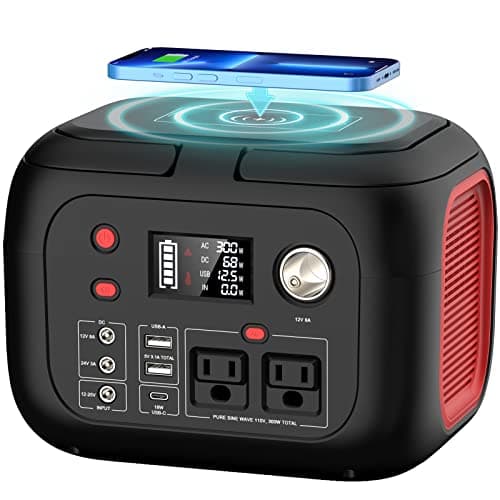
The Anker 521 and ENOFLO 300W both target the entry-level portable power station market, offering similar AC output capabilities, but diverge significantly in their underlying technology and real-world utility. The Anker 521 sets itself apart with its advanced LiFePO4 battery chemistry, promising a 10-year lifespan due to 3,000 charge cycles to 80% capacity, a substantial upgrade over the standard lithium-ion cells likely used in the ENOFLO. This means the Anker unit will remain a reliable power source for far longer, justifying its slightly higher $149.99 price point compared to the ENOFLO's $119.99. In terms of raw capacity, the Anker edges out with 256Wh versus the ENOFLO's 228Wh. While this 28Wh difference might seem minor, it translates to additional runtime for small appliances or another full charge for a smartphone, which can be crucial during extended outages or camping trips. Both units deliver a continuous 300W AC output with a 600W peak, making them suitable for powering small electronics, lights, and CPAP machines. However, the Anker's 60W USB-C Power Delivery (PD) output is a game-changer for laptop users, allowing efficient recharging of most modern notebooks, whereas the ENOFLO's USB-C output is significantly lower, limiting its usefulness for such devices. The ENOFLO, despite its budget-friendly price, offers a few practical advantages, particularly its three DC ports compared to Anker's single DC port, providing more flexibility for low-power DC devices. It also integrates an MPPT controller for optimized solar charging, a feature typically found in higher-end units, although both require a separate solar panel. The choice between them boils down to longevity and modern device compatibility (Anker) versus initial cost savings and more legacy DC port options (ENOFLO). The Anker's long-term value from the LiFePO4 battery and superior USB-C PD output makes it a more future-proof investment for many users.
Key Differences
The most significant spec differences at a glance
Battery Capacity
12% moreDc Ports
67% lessAdvantages
Where each product wins

Anker
- Battery Capacity: 12% higher (256.0 vs 228)

ENOFLO
- Dc Ports: 67% higher (1 vs 3)
Which to Pick for Your Situation
Concrete scenarios with a clear recommendation
For long-term emergency preparedness
AnkerThe Anker 521's LiFePO4 battery chemistry offers a 10-year lifespan, ensuring reliability and readiness over many years.
For budget-conscious occasional camping trips
ENOFLOThe ENOFLO is more affordable at $119.99 and provides sufficient 228Wh capacity and 300W AC output for basic outdoor needs.
For remote work requiring laptop charging
AnkerThe Anker 521 features a robust 60W USB-C PD output, essential for rapidly recharging most modern laptops on the go.
Powering multiple low-draw 12V DC devices simultaneously
ENOFLOThe ENOFLO offers three DC ports, providing greater flexibility for connecting multiple DC appliances compared to the Anker's single DC port.
Who Should Buy Which?
Find the right product for your needs
Buy Anker if...
Anker 521 Portable Power
The Anker 521 is ideal for the discerning buyer who prioritizes long-term reliability and modern device compatibility over the lowest upfront cost. This individual might be an occasional camper, a remote worker, or someone building a resilient emergency kit, valuing durability and future-proofing. They understand that the $149.99 investment in the Anker 521 is justified by its superior LiFePO4 battery chemistry, which boasts an impressive 10-year lifespan and 3,000 charge cycles, ensuring the unit remains a dependable power source for a decade. This buyer needs to power their laptop efficiently on the go; thus, the 60W USB-C PD output is a critical feature, allowing fast charging for notebooks and high-power tablets that the competition cannot match. With a 256Wh capacity, they get slightly more juice for their devices, making a measurable difference in uptime. They might be willing to compromise on having fewer DC ports, as their primary need revolves around AC and high-speed USB-C charging. What they're giving up is the immediate cost savings of a cheaper unit and potentially more legacy DC connections, in exchange for unparalleled longevity and better performance for their most vital modern electronics.

Buy ENOFLO if...
ENOFLO Portable Power Station
The ENOFLO 300W is perfectly suited for the budget-conscious consumer who needs a reliable, entry-level portable power station for casual use without breaking the bank. This buyer might be a weekend camper, an RV enthusiast needing auxiliary power, or someone looking for a basic emergency backup at home. Their primary priority is affordability, and at $119.99, the ENOFLO provides excellent value for its core function. They appreciate the flexibility of its three DC ports, which allow them to power multiple 12V devices simultaneously, a significant advantage over units with fewer DC options. While its 228Wh capacity is slightly less than competitors, it's perfectly adequate for powering lights, charging phones, or running a CPAP machine for several hours. The integrated MPPT controller for solar charging is a bonus for those who envision eventually adding a solar panel, optimizing energy harvesting. This user doesn't necessarily need the advanced longevity of LiFePO4 or high-wattage USB-C PD for laptops, as their primary devices might be older or simply require standard USB-A. They are willing to forgo a longer battery lifespan and powerful USB-C in exchange for a lower initial investment and greater versatility for traditional DC devices.
Spec Comparison
12 specs compared
| Specification |  | 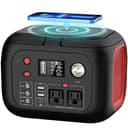 |
|---|---|---|
| Price | $150 | $120 |
| Rating | 4.4(3.0k) | 4.2(1.4k) |
| Capacity Wh | 256W | 228W |
| Chemistry | LiFePO4 | — |
| AC Output Watts | 300W | 300W |
| Dc Ports | 1 | 3 |
| AC Outlets | 2 | 2 |
| Weight | 8.16 lbs | — |
| USB A Ports | 2 | 2 |
| USB C Ports | 1 | 1 |
| Peak Output Watts | 600W | 600W |
| Model Number | — | G300 |
| Charge Time Hours | — | 6 hrs |
| Solar Input Watts | — | 60W |
Swipe horizontally to see all columns
Pros & Cons
Quick overview of strengths and weaknesses
Anker Anker 521
- LiFePO4 battery provides 10-year lifespan
- Peak 600W output handles high-draw appliances
- 60W USB-C PD port recharges laptops quickly
- Six outputs: 2 AC, 1 USB-C PD, 2 USB-A, 1 DC
- 8.16 lbs unit weight impacts portability
- 256Wh capacity limits high-draw use cases
- Solar charging requires separate panel purchase
ENOFLO Portable Power
- 300W pure sine wave AC for sensitive devices.
- Charges 9 devices simultaneously via diverse ports.
- Built-in MPPT controller optimizes solar charging.
- Multiple recharge methods: AC, car, and solar.
- 228Wh capacity limits runtime for high-draw items.
- 300W continuous output insufficient for large loads.
- USB-C port output is too low for most laptops.
Frequently Asked Questions
Common questions about this comparison
What is the main battery difference between these two power stations?
The Anker 521 uses a LiFePO4 battery, offering a 10-year lifespan and 3,000 charge cycles. The ENOFLO uses a standard lithium-ion battery, which typically has a shorter cycle life, though the specific chemistry is not listed.
Can these power stations run a CPAP machine overnight?
Yes, both units have a 256Wh (Anker) and 228Wh (ENOFLO) capacity and 300W AC output, making them suitable for running most CPAP machines for several hours, depending on the CPAP settings.
Which power station is better for charging modern laptops?
The Anker 521 is significantly better for modern laptops due to its dedicated 60W USB-C PD port. The ENOFLO's USB-C output is lower, making it less effective for rapid laptop charging.
How do their capacities compare?
The Anker 521 offers a slightly higher capacity of 256Wh, while the ENOFLO 300W provides 228Wh. This means the Anker can power devices for a marginally longer duration.
Is either unit suitable for power-hungry appliances like a microwave or electric kettle?
No, both have a continuous AC output of 300W (600W peak), which is insufficient for high-wattage appliances like microwaves or electric kettles, which typically require 1000W+.
Does either product come with a solar panel?
No, both the Anker 521 and ENOFLO 300W require a separate solar panel purchase for solar charging capabilities. The ENOFLO does have a built-in MPPT controller.
Related Comparisons
Similar products people compare
Anker vs Jackery
$150 vs $229
ENOFLO vs SinKeu
$120 vs $103
ENOFLO vs VTOMAN
$120 vs $140
Anker vs VTOMAN
$150 vs $140
Anker vs Apowking
$150 vs $100
ALLWEI vs Anker
$129 vs $150
Anker vs VTOMAN
$150 vs $240
EF ECOFLOW vs ENOFLO
$147 vs $120
ENOFLO vs ZeroKor
$120 vs $130
ALLWEI vs ENOFLO
$129 vs $120
Anker vs EF ECOFLOW
$150 vs $147
Anker vs GRECELL
$150 vs $190
Anker vs ZeroKor
$150 vs $130
Anker vs EnginStar
$150 vs $130
Anker vs EnginStar
$150 vs $130
Explore Other Categories
Popular comparisons across the site
Ask AI
Get instant answers about specs
Get the Deets
Ask our AI assistant
Ask Deets anything!