Our Verdict
ALLWEI Portable Power Station 500W Wins
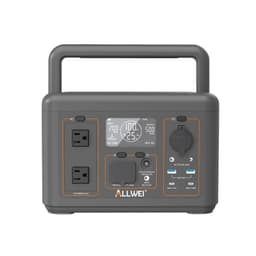
It delivers significantly greater power capabilities with 512Wh capacity and 500W continuous AC output, compared to Anker's 256Wh and 300W output, making it ideal for more demanding applications and longer runtimes, despite its higher price point. The ALLWEI also boasts a rapid 2.5-hour AC charge time and a crucial UPS function for seamless power transitions. The Anker 521 is the better pick for budget-conscious users prioritizing maximum portability for lighter power needs, or when a smaller footprint is essential.
Bottom Line: ALLWEI Portable Power Station 500W is the better choice. It delivers significantly greater power capabilities with 512Wh capacity and 500W continuous AC output, compared to Anker's 256Wh and 300W output, making it ideal for more demanding applications and longer runtimes, despite its higher price point.
In-Depth Analysis
How they compare in practice
The ALLWEI Portable Power Station 500W and the Anker 521 Portable Power Station both utilize durable LiFePO4 battery chemistry, promising excellent longevity with ALLWEI specifying 3000 charge cycles and Anker touting a 10-year lifespan. However, their practical applications diverge significantly based on their core specifications and price points. The ALLWEI, priced at $269.0, offers a substantial 512Wh capacity, which is exactly double the Anker's 256Wh. This larger reserve allows the ALLWEI to power devices for much longer durations or handle higher wattage loads with less strain. Its 500W continuous AC output, capable of surging to 1000W, easily surpasses Anker's 300W continuous and 600W peak output, giving ALLWEI the edge in running more robust appliances like mini-fridges, power tools, or multiple smaller devices simultaneously. The ALLWEI also features a rapid 2.5-hour AC charge time, significantly reducing downtime compared to the Anker, whose AC charge time is not specified but is typically longer for its class. Furthermore, the ALLWEI's integrated UPS (Uninterruptible Power Supply) function is a critical differentiator. This allows it to act as a pass-through power source for sensitive electronics, automatically switching to battery power in milliseconds during an outage, a feature the Anker lacks. While the ALLWEI is heavier at 13.0 lbs compared to the Anker's 8.16 lbs, this added weight is a direct trade-off for its superior capacity and power delivery. The Anker, at $149.99, focuses on affordability and ultra-portability, making it an excellent choice for casual users who need to charge phones, tablets, or power a small fan. Its 60W USB-C PD port is convenient for laptop charging, a feature also present on the ALLWEI with similar wattage. Ultimately, the ALLWEI provides a more comprehensive, powerful, and versatile portable power solution, while the Anker serves as a more accessible, lighter-duty option for essential mobile power.
Key Differences
The most significant spec differences at a glance
Battery Capacity
100% moreAC Output
67% moreDc Ports
100% morePeak Output
67% moreUSB-C Ports
100% moreAdvantages
Where each product wins

ALLWEI
- Battery Capacity: 100% higher (512.0 vs 256.0)
- AC Output: 67% higher (500.0 vs 300.0)
- Dc Ports: 100% higher (2 vs 1)
- Peak Output: 67% higher (1000.0 vs 600.0)
- USB-C Ports: 100% higher (2 vs 1)

Anker
- Weight: 59% lower (13.0 vs 8.16)
Which to Pick for Your Situation
Concrete scenarios with a clear recommendation
For extended camping or RV trips
ALLWEIThe ALLWEI's 512Wh capacity and 500W AC output provide significantly more power and runtime for multiple devices, including a CPAP machine for multiple nights, compared to the Anker.
For basic emergency home backup for essential electronics
ALLWEIThe ALLWEI offers a higher 512Wh capacity and includes a UPS function, ensuring seamless power for critical devices like modems or computers during an outage.
For a tight budget and maximum portability
AnkerThe Anker is nearly half the price at $149.99 and significantly lighter at 8.16 lbs, making it more manageable for on-the-go power for smaller devices.
For quick laptop charging and day trips
AnkerThe Anker's 60W USB-C PD port can quickly recharge most laptops, and its lighter 8.16 lbs weight makes it highly portable for short excursions.
Who Should Buy Which?
Find the right product for your needs

Buy ALLWEI if...
ALLWEI Portable Power Station
The ALLWEI Portable Power Station 500W is the ideal choice for individuals or families who require a more robust and versatile power solution. This includes avid campers, RV enthusiasts, or those preparing for extended home power outages. Their priorities are higher power output, longer runtimes, and the ability to seamlessly transition power for critical electronics. They value the ALLWEI's substantial 512Wh capacity, which can comfortably power small appliances, laptops, and CPAP machines for prolonged periods. The 500W continuous AC output (1000W peak) means they aren't limited to just charging small devices but can run a wider array of equipment. Furthermore, the 2.5-hour fast charging is crucial for quick re-deployment, and the UPS function provides essential peace of mind for sensitive electronics like home office setups or medical devices during unexpected blackouts. They are willing to invest more for these enhanced capabilities and accept the slightly higher weight of 13.0 lbs as a trade-off for superior performance and reliability.
Buy Anker if...
Anker 521 Portable Power
The Anker 521 Portable Power Station is perfectly suited for the budget-conscious consumer or anyone prioritizing extreme portability for lighter power needs. This buyer might be a casual day-tripper, a student needing power for their laptop and phone between classes, or someone looking for a compact personal power hub for outdoor events like picnics or beach outings. Their key priorities are affordability, ease of transport, and sufficient power for essential personal devices rather than heavy-duty appliances. They will appreciate the Anker's significantly lower price point of $149.99 and its remarkably light weight of just 8.16 lbs, making it effortless to carry. The 256Wh capacity is ample for charging smartphones multiple times, powering a tablet, or providing a few hours of laptop use via its 60W USB-C PD port. While its 300W AC output is lower than the ALLWEI, it's perfectly adequate for small fans, lights, or charging camera batteries. This buyer doesn't require the advanced UPS function or the extensive power reserve of larger stations, instead valuing the Anker's compact design and economic efficiency for their everyday mobile power requirements.
Spec Comparison
12 specs compared
| Specification |  |  |
|---|---|---|
| Price | $269 | $150 |
| Rating | 4.4(2.3k) | 4.4(3.0k) |
| Capacity Wh | 512W | 256W |
| Chemistry | LiFePO4 | LiFePO4 |
| AC Output Watts | 500W | 300W |
| Dc Ports | 2 | 1 |
| AC Outlets | 2 | 2 |
| Cycle Life | 3000 | — |
| Weight | 13 lbs | 8.16 lbs |
| USB A Ports | 2 | 2 |
| USB C Ports | 2 | 1 |
| Charge Time Hours | 2.5 hrs | — |
| Peak Output Watts | 1000W | 600W |
| Solar Input Watts | 100W | — |
Swipe horizontally to see all columns
Pros & Cons
Quick overview of strengths and weaknesses
ALLWEI Portable Power
- Charges fully via AC in 2.5 hours.
- LiFePO4 battery offers 3000 charge cycles.
- Provides instant UPS backup power.
- Multiple outputs: 2 AC, 2 USB-C, 2 USB-A, 3 DC.
- Solar panel requires separate purchase.
- 500W continuous AC output limits larger appliances.
- UPS function only for 500W max devices.
Anker Anker 521
- LiFePO4 battery provides 10-year lifespan
- Peak 600W output handles high-draw appliances
- 60W USB-C PD port recharges laptops quickly
- Six outputs: 2 AC, 1 USB-C PD, 2 USB-A, 1 DC
- 8.16 lbs unit weight impacts portability
- 256Wh capacity limits high-draw use cases
- Solar charging requires separate panel purchase
Frequently Asked Questions
Common questions about this comparison
Which power station offers a longer battery lifespan?
Both units use LiFePO4 batteries, known for longevity. The ALLWEI offers 3000 charge cycles, while Anker claims a 10-year lifespan, suggesting comparable durability for sustained use.
Can these power stations run a CPAP machine?
Yes, both can. The ALLWEI, with 512Wh, will power a CPAP for a longer duration than the Anker's 256Wh capacity, making it better for multiple nights of use.
What is the fastest way to recharge each unit?
The ALLWEI boasts an impressive 2.5-hour full recharge via AC. While Anker's AC recharge time isn't specified, the ALLWEI's speed is a significant advantage for quick turnarounds.
Is either unit suitable for backing up sensitive home electronics?
The ALLWEI is ideal due to its UPS (Uninterruptible Power Supply) function, providing seamless power transfer during outages. The Anker lacks this feature, requiring manual switching.
How much does each portable power station weigh?
The ALLWEI weighs 13.0 lbs, making it more substantial. The Anker 521 is significantly lighter at 8.16 lbs, enhancing its portability for lighter tasks and travel.
Do these power stations come with solar panels included?
No, neither the ALLWEI nor the Anker includes a solar panel. For solar charging, a compatible solar panel must be purchased separately for both units.
Related Comparisons
Similar products people compare
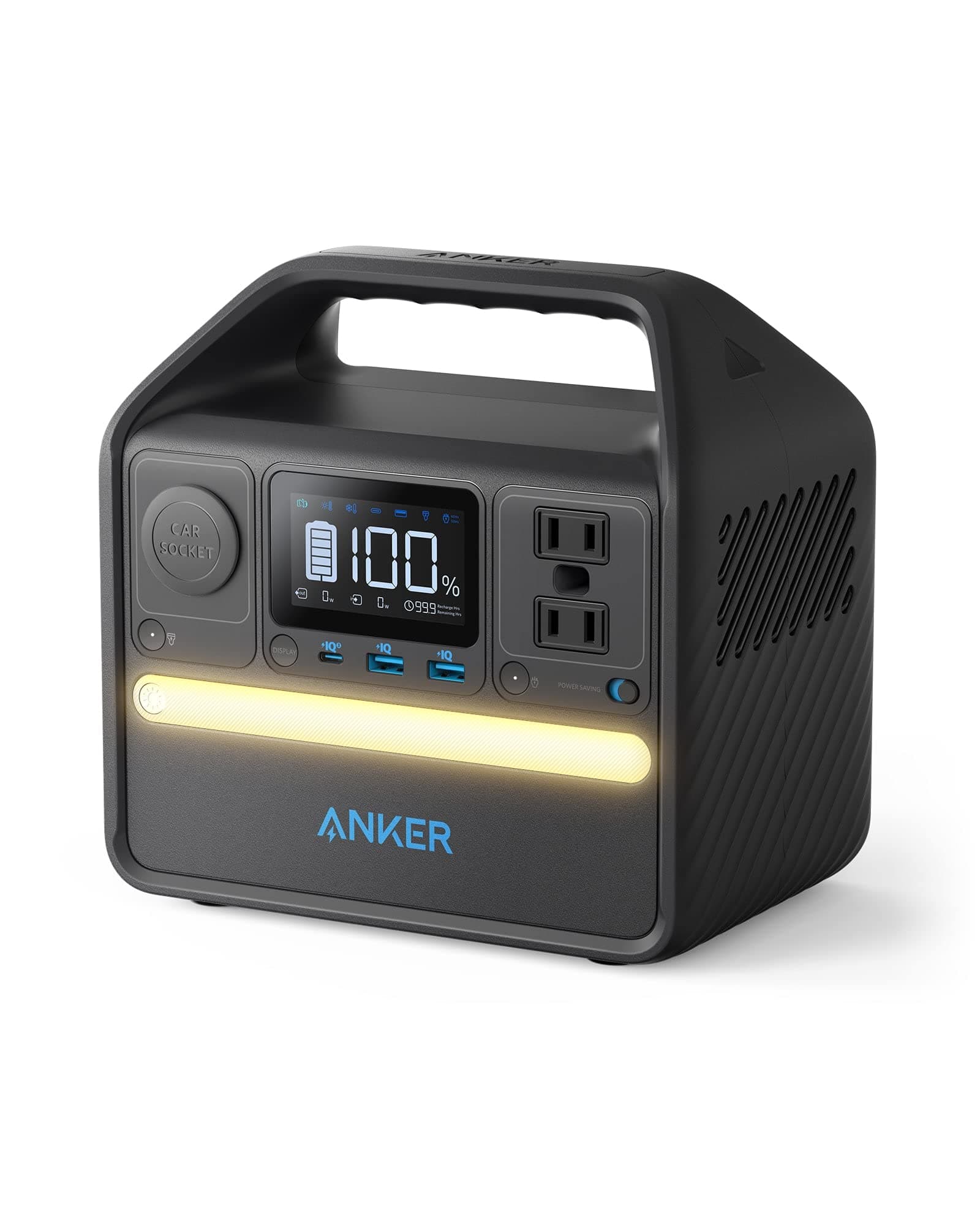
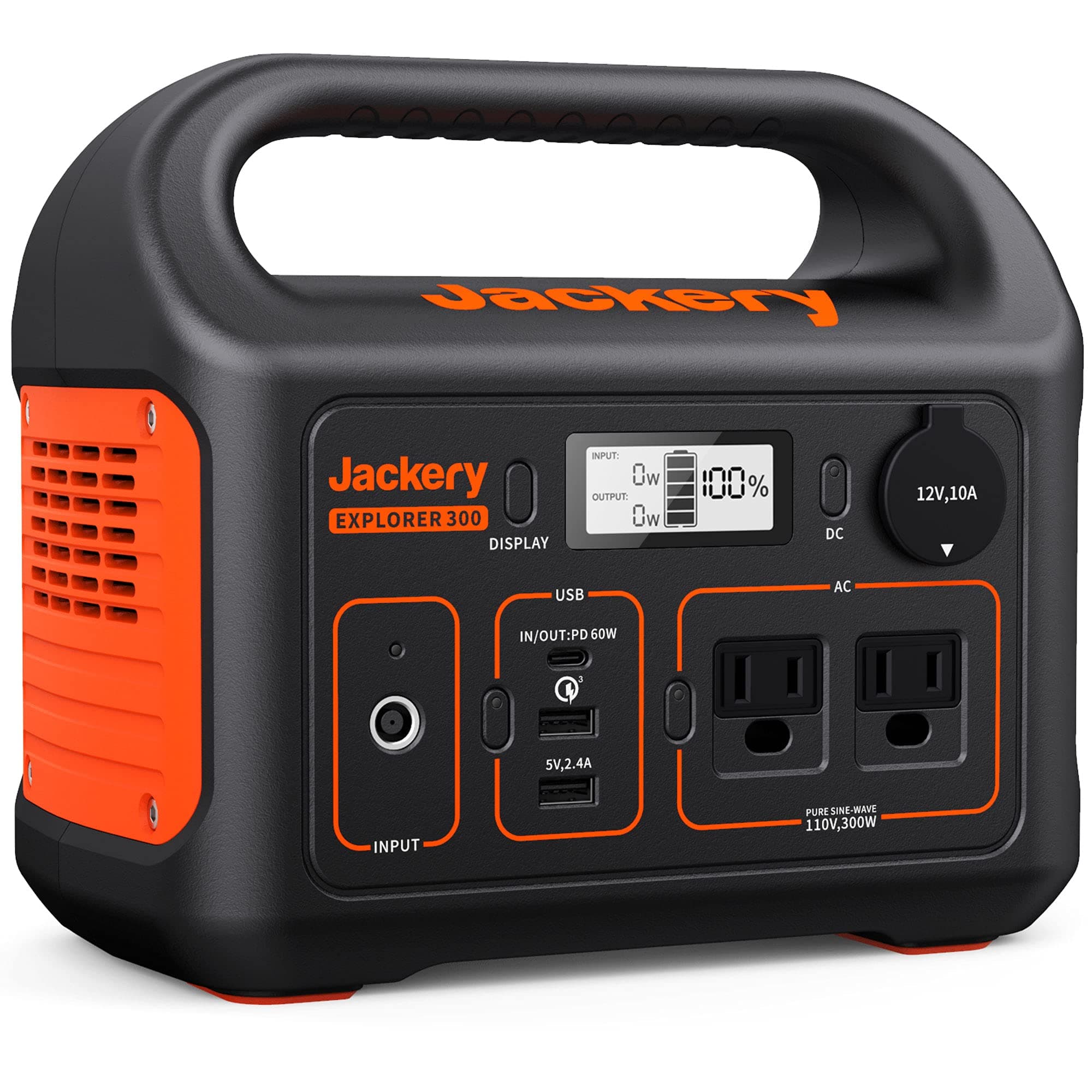
Anker vs Jackery
$150 vs $229
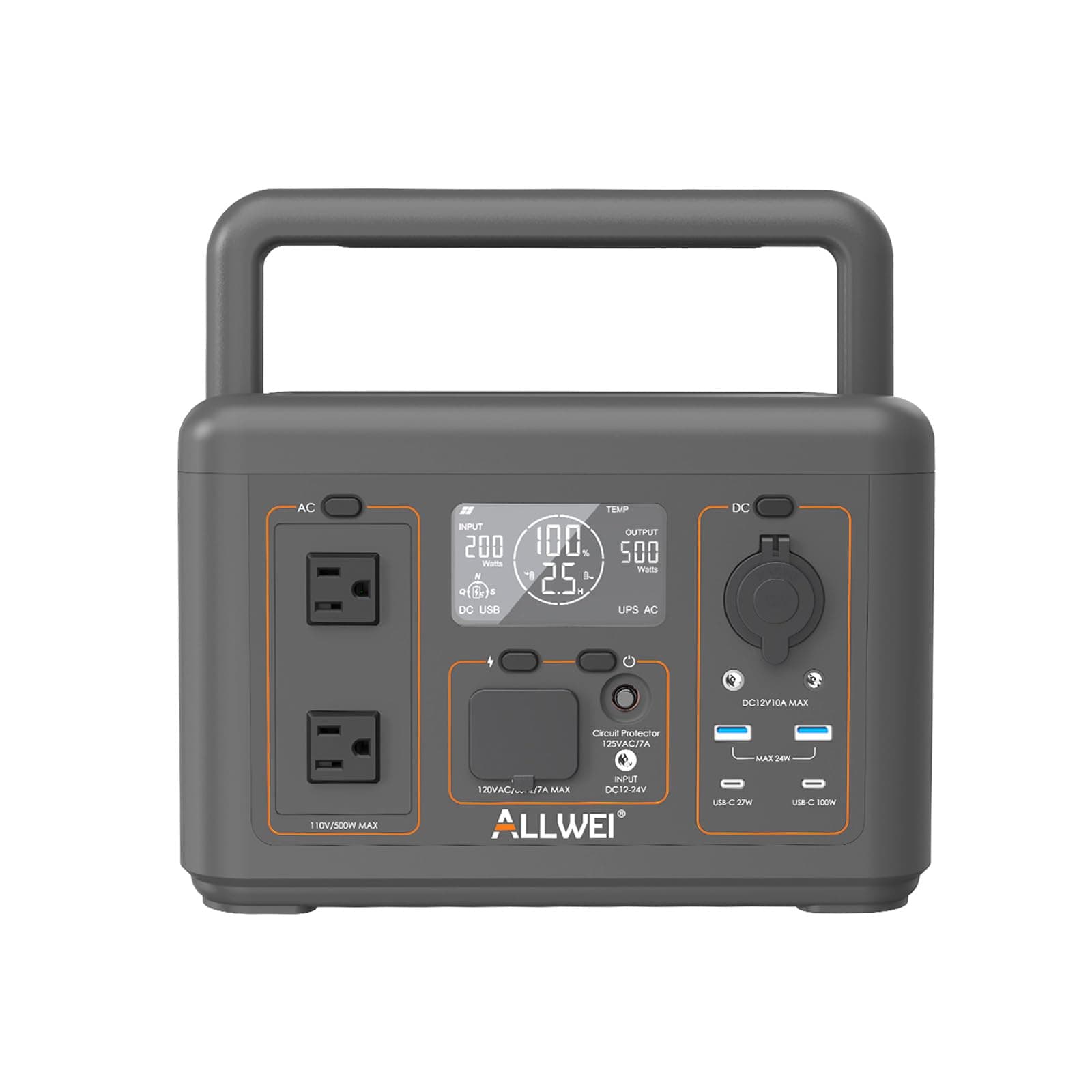
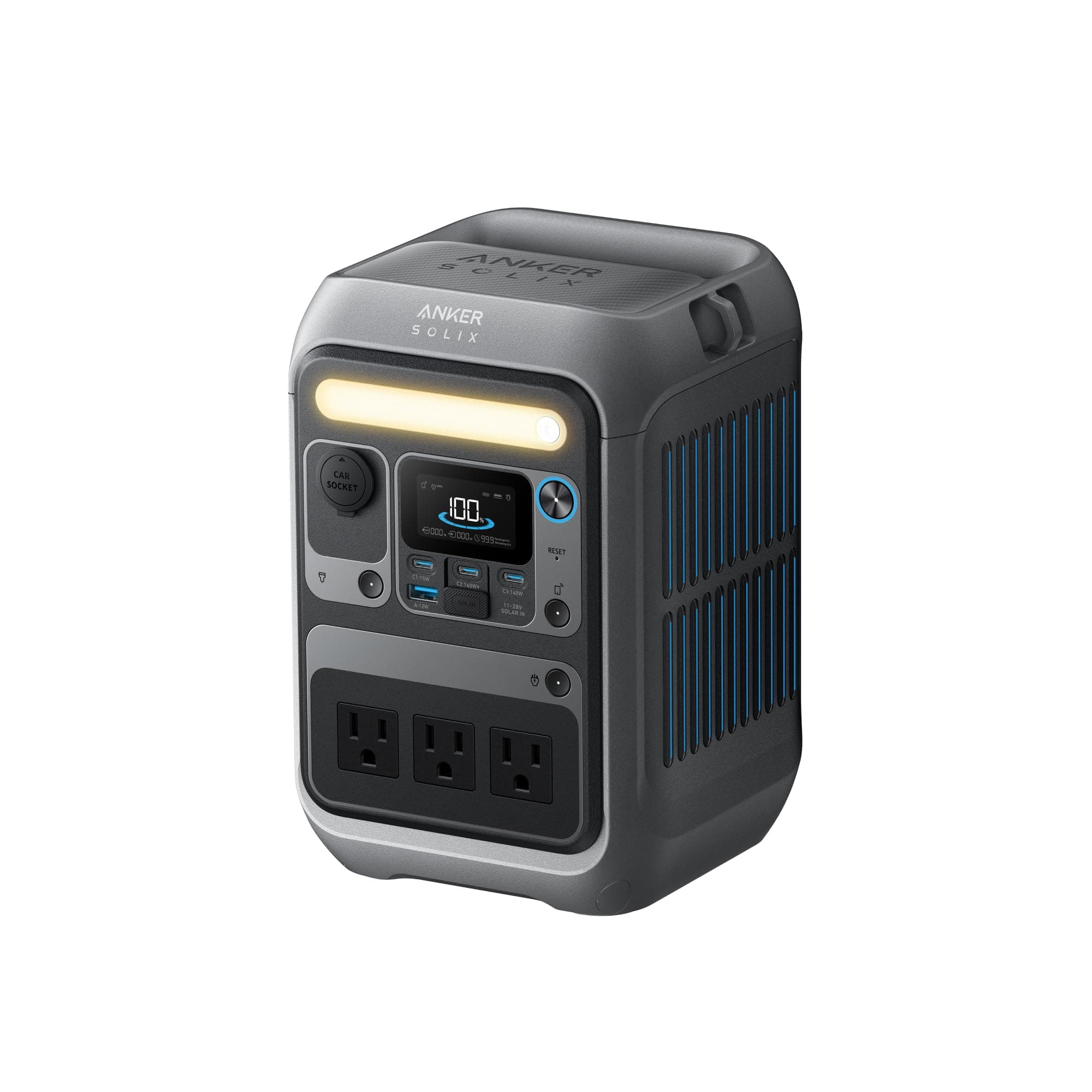
ALLWEI vs Anker
$269 vs $250
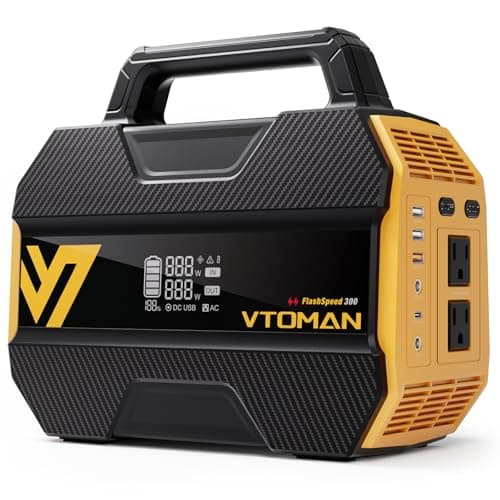
Anker vs VTOMAN
$150 vs $140
ALLWEI vs Jackery
$269 vs $229
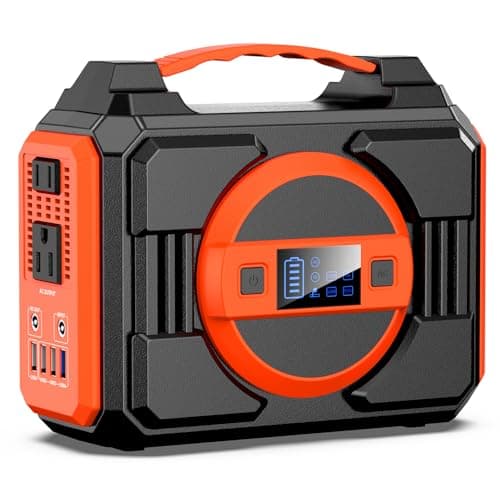
Anker vs Apowking
$150 vs $100
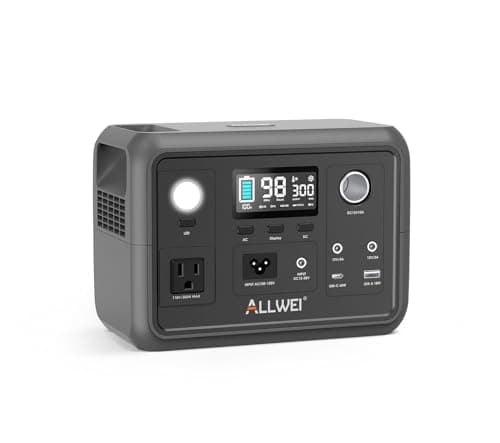
ALLWEI vs Anker
$129 vs $150
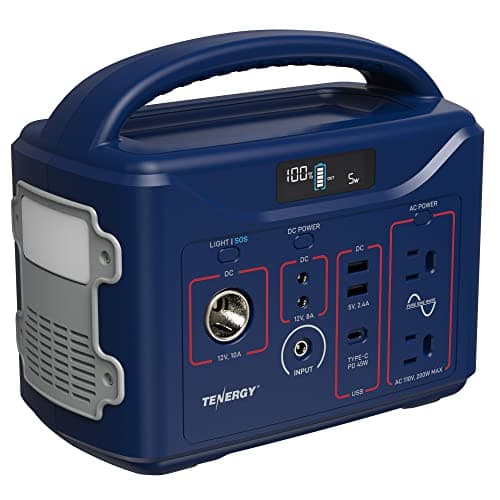
ALLWEI vs Tenergy
$269 vs $180
ALLWEI vs Jackery
$269 vs $299
ALLWEI vs Jackery
$269 vs $449
Anker vs VTOMAN
$150 vs $240
ALLWEI vs EF ECOFLOW
$269 vs $449
Anker vs EF ECOFLOW
$150 vs $147
Anker vs GRECELL
$150 vs $190
ALLWEI vs EnginStar
$269 vs $130
Anker vs ZeroKor
$150 vs $130
Explore Other Categories
Popular comparisons across the site

Ask AI
Get instant answers about specs
Get the Deets
Ask our AI assistant
Ask Deets anything!