Our Verdict
EF ECOFLOW DELTA 2 Wins
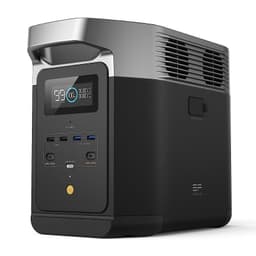
It offers significantly more power with an 1800W AC output and double the base capacity at 1024Wh, making it far more versatile for demanding appliances and longer use, justifying its higher $449 price. The ALLWEI Portable Power Station 500W is the better pick for those on a tighter $269 budget prioritizing extreme portability at 13 lbs and basic power needs for small devices.
Bottom Line: EF ECOFLOW DELTA 2 is the better choice. It offers significantly more power with an 1800W AC output and double the base capacity at 1024Wh, making it far more versatile for demanding appliances and longer use, justifying its higher $449 price.
In-Depth Analysis
How they compare in practice
The ALLWEI Portable Power Station 500W and EF ECOFLOW DELTA 2 represent distinct tiers in the portable power station market, primarily differentiated by their power output, capacity, and consequently, their intended use cases. The most significant delta lies in AC output; the Delta 2 boasts a robust 1800W, capable of powering nearly any standard home appliance, from microwaves to power tools. In stark contrast, the ALLWEI's 500W continuous output limits it to smaller electronics, lights, CPAP machines, and basic camping gear. This difference fundamentally changes what users can expect to run during outages or off-grid. For real-world use, this means the Delta 2 offers true home backup potential, whereas the ALLWEI serves more as a personal power bank for essentials.
Capacity further separates these two units. The EF ECOFLOW DELTA 2 comes with a substantial 1024Wh LiFePO4 battery, expandable up to 3000Wh with additional units, providing immense flexibility for extended use. The ALLWEI, at 512Wh, while sufficient for a weekend camping trip or short-term emergencies, doesn't offer the same longevity or scalability. Both utilize durable LiFePO4 chemistry with 3000+ cycle life, ensuring long-term reliability. However, the Delta 2’s superior 500W solar input crushes the ALLWEI’s 100W input, allowing for much faster and more efficient solar recharging, a critical advantage for off-grid scenarios.
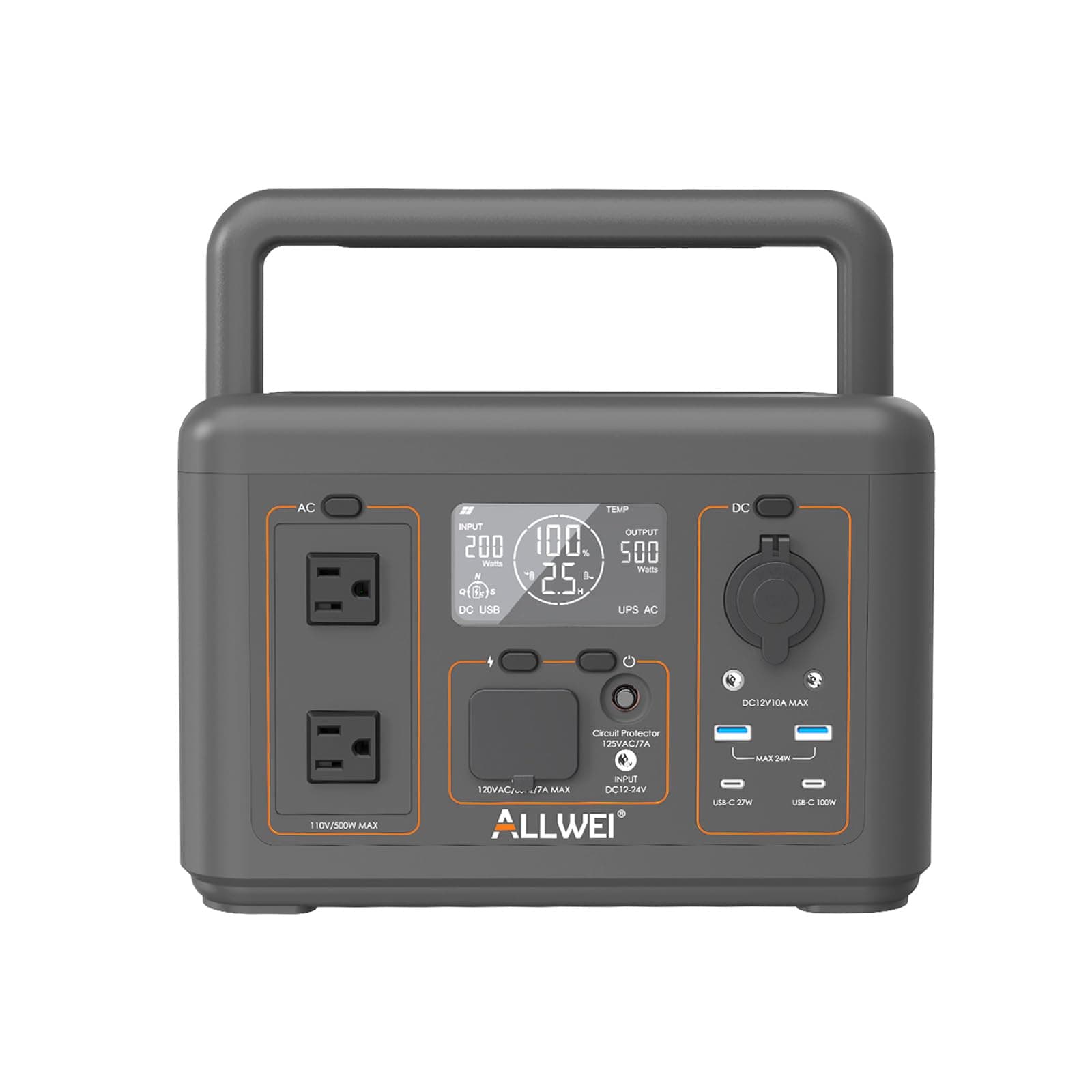
From a practical perspective, the ALLWEI shines in portability, weighing just 13 lbs. This makes it genuinely easy to grab and go for impromptu trips or to move around the house. The Delta 2, at 27 lbs, is more of a stationary power hub, less suited for frequent carrying over long distances. This weight difference is a direct trade-off for its increased power and capacity. The ALLWEI also includes a UPS function for seamless power transition under 500W, a convenient feature for protecting sensitive electronics during grid fluctuations, though the Delta 2’s overall power makes it more broadly useful for home backup, even without an integrated UPS listed in its specs. Ultimately, the Delta 2 offers a significantly higher value proposition for power-hungry users and those seeking expandability, while the ALLWEI serves as an excellent budget-friendly, highly portable option for basic power needs.
Key Differences
The most significant spec differences at a glance
Battery Capacity
50% lessAC Output
72% lessCharge Time
88% moreSolar Input
80% lessWeight
52% lessAdvantages
Where each product wins

ALLWEI
- Weight: 52% lower (13.0 vs 27.0)

EF ECOFLOW
- Battery Capacity: 50% higher (512.0 vs 1024.0)
- AC Output: 72% higher (500.0 vs 1800.0)
- Charge Time: 88% lower (2.5 vs 1.333)
- Solar Input: 80% higher (100.0 vs 500.0)
Which to Pick for Your Situation
Concrete scenarios with a clear recommendation
For weekend camping or day trips
ALLWEIThe ALLWEI's 13 lbs weight makes it much more portable than the Delta 2's 27 lbs, and its 512Wh capacity is ample for charging phones, lights, and small devices.
For home backup during power outages
EF ECOFLOWThe EF ECOFLOW DELTA 2's 1800W AC output can power most essential home appliances, unlike the ALLWEI's limited 500W output, and its 1024Wh capacity offers longer runtimes.
For tight budgets requiring basic power
ALLWEIAt $269, the ALLWEI offers a cost-effective solution for basic power needs, significantly undercutting the Delta 2's $449 price.
For extended RV or off-grid living
EF ECOFLOWThe EF ECOFLOW DELTA 2's expandable 1024Wh capacity up to 3000Wh and high 500W solar input make it superior for sustained off-grid use compared to ALLWEI.
Who Should Buy Which?
Find the right product for your needs

Buy ALLWEI if...
ALLWEI Portable Power Station
The ALLWEI ALLWEI Portable Power Station 500W is the ideal choice for individuals who prioritize portability, affordability, and need reliable power for essential, smaller devices. This buyer might be a casual camper, a day-tripper, or someone seeking a basic emergency power source for their home or vehicle. Their needs revolve around charging smartphones, laptops, running LED lights, or powering a CPAP machine overnight. With a budget around $269, they appreciate the cost-effectiveness without sacrificing quality, given its LiFePO4 battery chemistry and 3000-cycle life. The unit's lightweight 13 lbs design makes it incredibly easy to carry for short distances or toss into a car trunk. They might also value the built-in UPS function for protecting sensitive home office equipment under 500W during brief power flickers. They are not looking to power heavy-duty appliances and are content with the 500W AC output and 512Wh capacity, understanding these trade-offs enable its compact size and attractive price point.

Buy EF ECOFLOW if...
EF ECOFLOW Portable Power
The EF ECOFLOW DELTA 2 is tailor-made for users demanding robust, versatile, and expandable power for more significant needs. This buyer could be an RV enthusiast, someone living off-grid, a homeowner preparing for extended power outages, or a professional needing reliable power for tools on job sites. Their priorities include high AC output, substantial capacity, and rapid charging capabilities. With an 1800W AC output and 1024Wh capacity (expandable up to 3000Wh), the Delta 2 can comfortably run most household appliances, power tools, or an entire RV setup. They are willing to invest around $449 for these capabilities and don't mind the 27 lbs weight, seeing it as a necessary trade-off for superior performance and longevity. The impressive 500W solar input and 0-80% charge in 50 minutes are critical features for minimizing downtime, allowing them to quickly replenish power and stay operational, even far from a grid connection. This user needs power that can scale with their demands and sustain critical operations.
Spec Comparison
13 specs compared
| Specification |  |  |
|---|---|---|
| Price | $269 | $449 |
| Rating | 4.4(2.3k) | 4.7(7.7k) |
| Capacity Wh | 512W | 1024W |
| Chemistry | LiFePO4 | LiFePO4 |
| AC Output Watts | 500W | 1800W |
| Dc Ports | 2 | — |
| AC Outlets | 2 | — |
| Cycle Life | 3000 | 3000 |
| Weight | 13 lbs | 27 lbs |
| USB A Ports | 2 | — |
| USB C Ports | 2 | — |
| Charge Time Hours | 2.5 hrs | 1.33 hrs |
| Peak Output Watts | 1000W | — |
| Solar Input Watts | 100W | 500W |
| Expandable | — | Yes |
Swipe horizontally to see all columns
Pros & Cons
Quick overview of strengths and weaknesses
ALLWEI Portable Power
- Charges fully via AC in 2.5 hours.
- LiFePO4 battery offers 3000 charge cycles.
- Provides instant UPS backup power.
- Multiple outputs: 2 AC, 2 USB-C, 2 USB-A, 3 DC.
- Solar panel requires separate purchase.
- 500W continuous AC output limits larger appliances.
- UPS function only for 500W max devices.
EF ECOFLOW Portable Power
- Charges 0-80% in 50 mins via AC outlet.
- 1800W AC output powers most home appliances.
- Capacity expands from 1024Wh up to 3000Wh.
- 3000+ LiFePO4 battery cycles for long lifespan.
- Unit weighs 27 lbs.
- Solar panels purchased separately.
- Max capacity requires additional battery units.
Frequently Asked Questions
Common questions about this comparison
Which power station can run a standard hairdryer or microwave?
The EF ECOFLOW DELTA 2, with its 1800W AC output, is capable of powering high-wattage appliances like hairdryers or microwaves. The ALLWEI is limited to 500W AC output.
How long does it take to fully charge each power station?
The ALLWEI fully charges via AC in 2.5 hours. The EF ECOFLOW DELTA 2 charges from 0-80% in just 50 minutes, making it significantly faster.
Are the batteries durable and long-lasting?
Yes, both power stations feature LiFePO4 batteries, offering an excellent cycle life of 3000+ charges before capacity begins to degrade significantly.
Can I expand the storage capacity of these units?
Only the EF ECOFLOW DELTA 2 offers expandable capacity, allowing you to increase its 1024Wh up to 3000Wh with additional battery units. The ALLWEI is not expandable.
Which unit is better for charging with solar panels?
The EF ECOFLOW DELTA 2 is superior for solar charging, supporting up to 500W solar input. The ALLWEI has a more modest 100W solar input capacity.
Is one unit more portable than the other?
Yes, the ALLWEI is significantly more portable at 13 lbs. The EF ECOFLOW DELTA 2 weighs 27 lbs, making it less convenient for frequent transport.
Related Comparisons
Similar products people compare
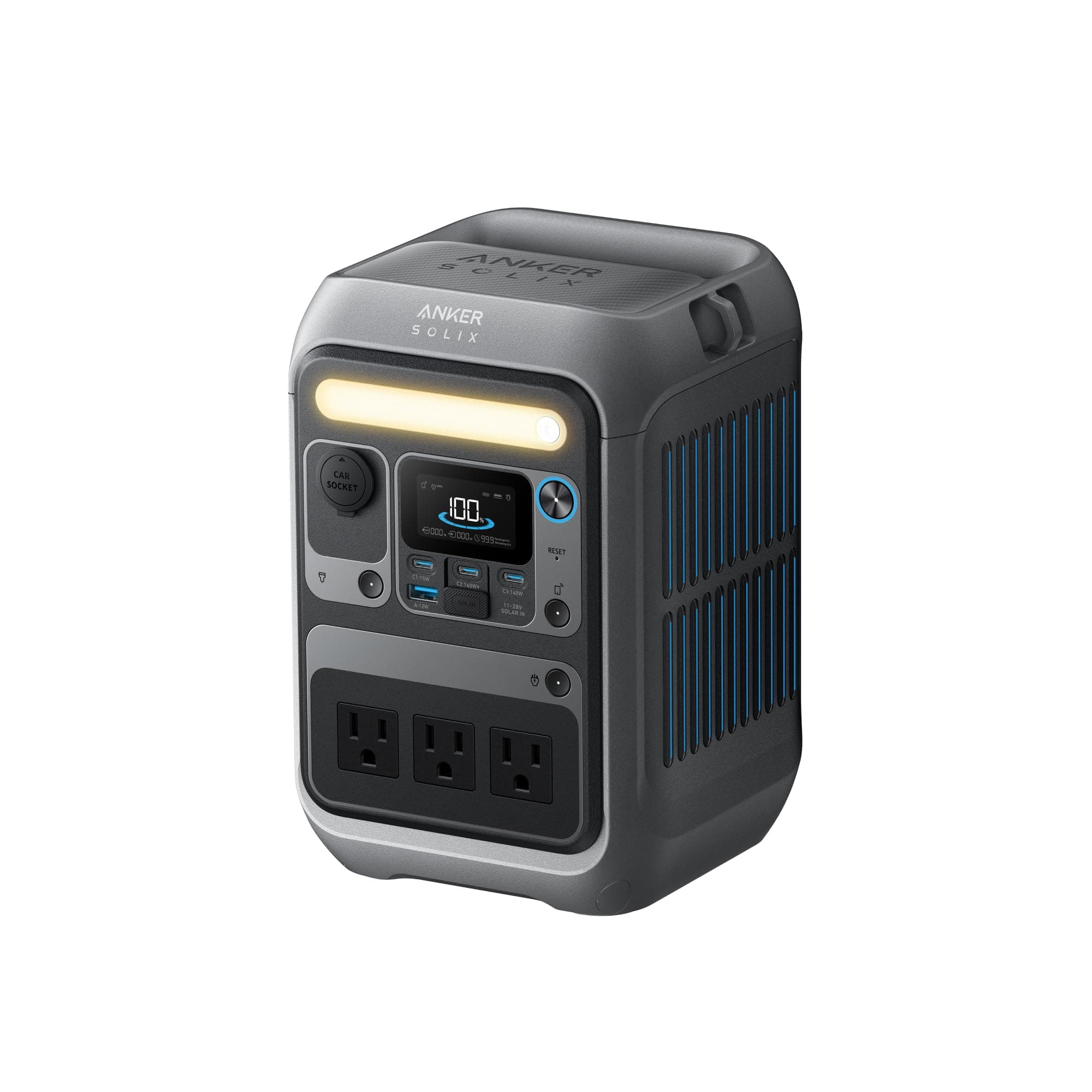
ALLWEI vs Anker
$269 vs $250
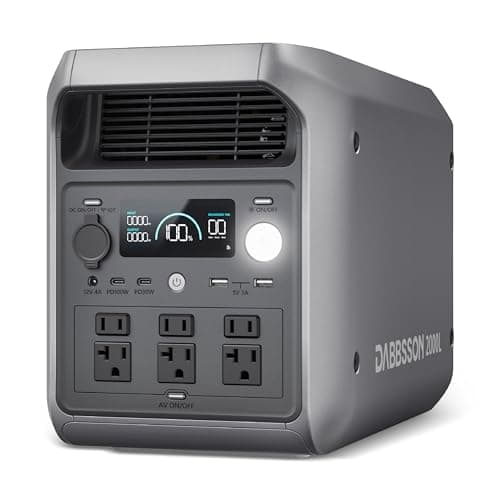
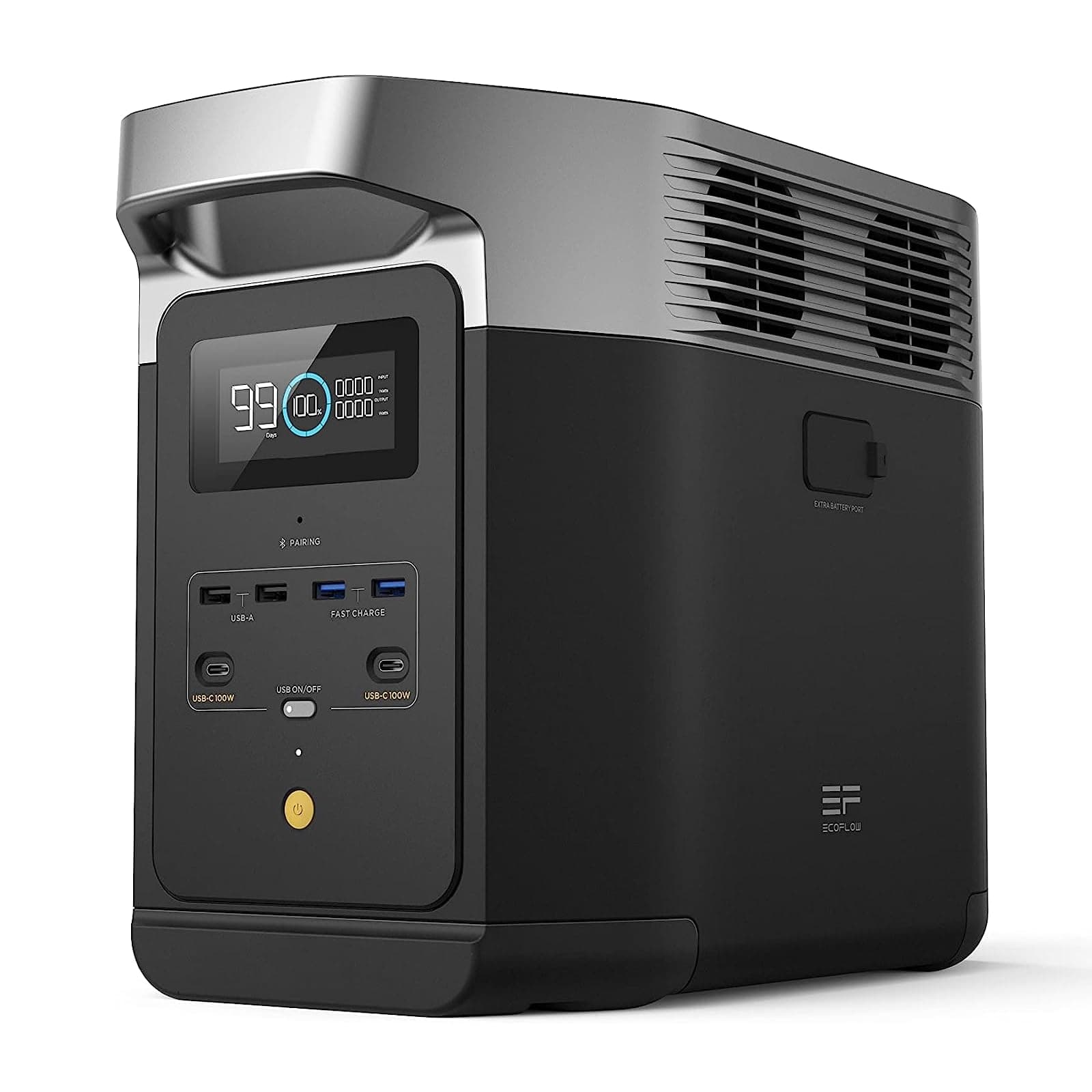
Dabbsson vs EF ECOFLOW
$649 vs $449
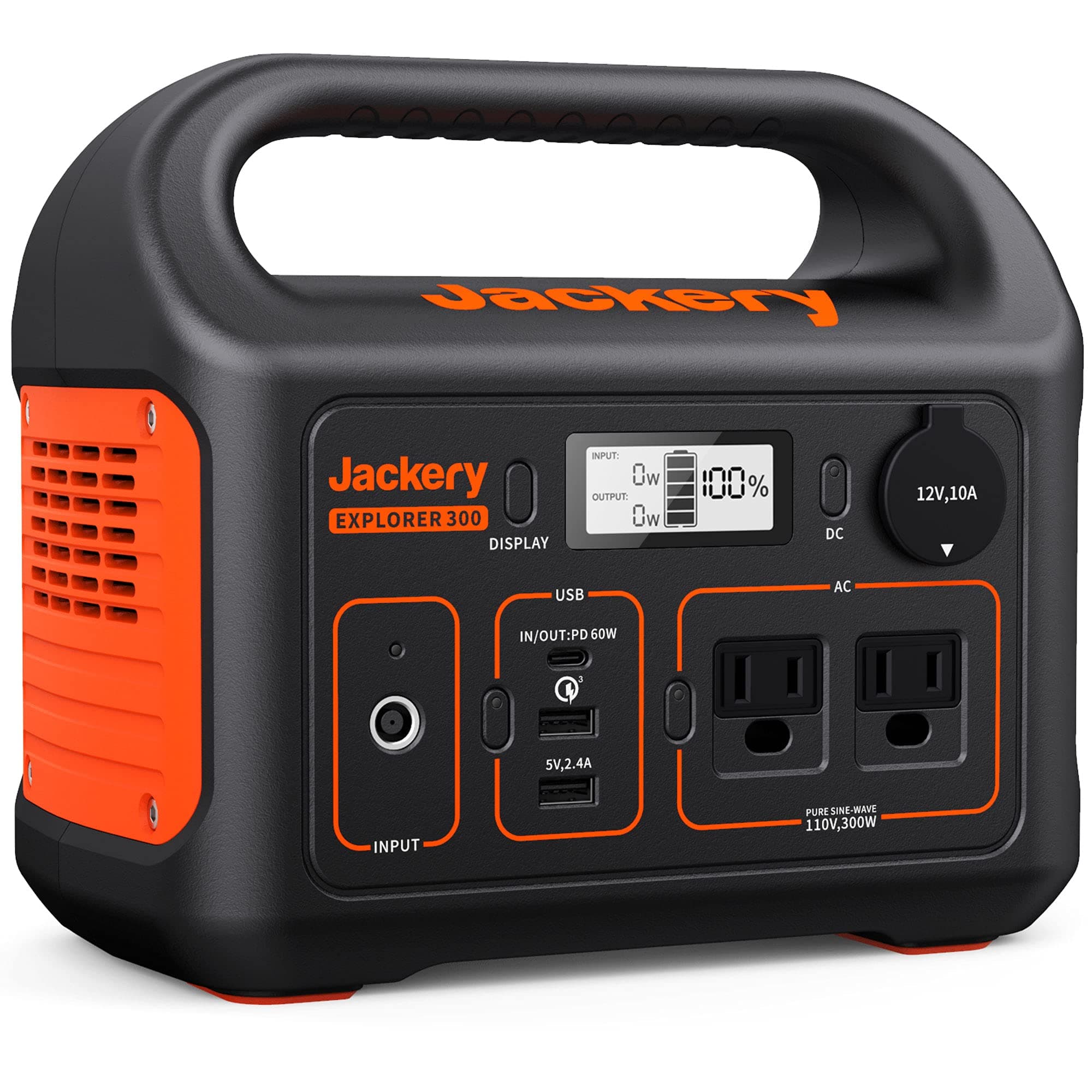
ALLWEI vs Jackery
$269 vs $229
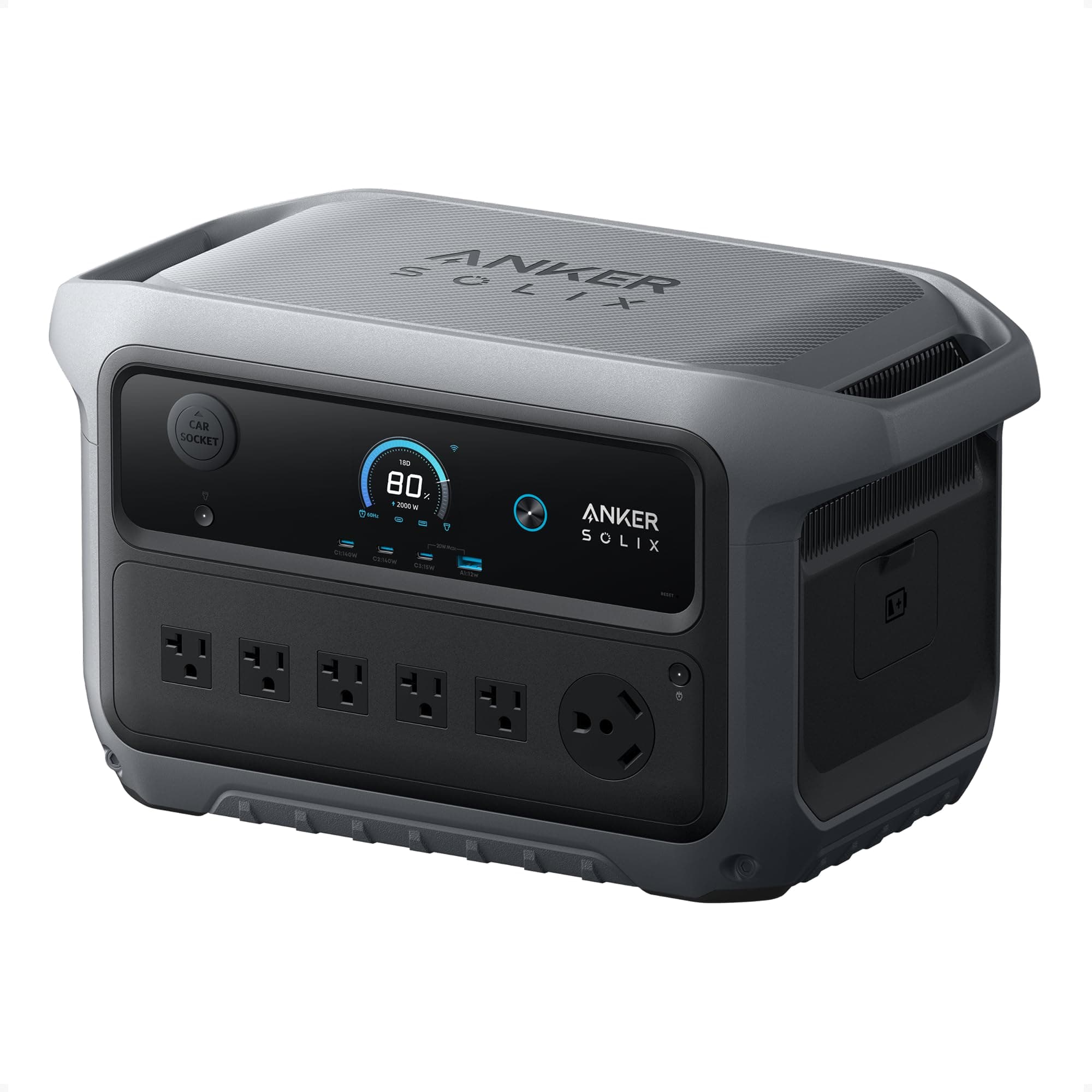
Anker vs EF ECOFLOW
$779 vs $449
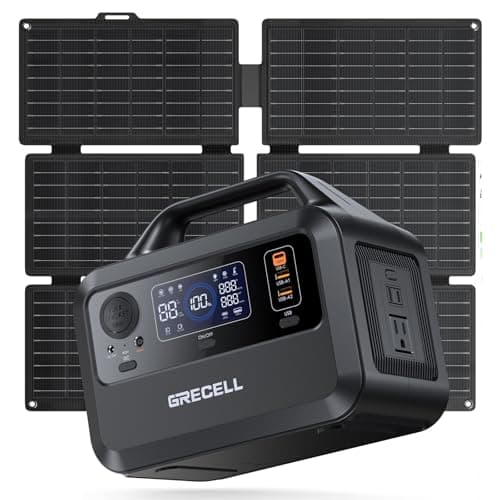
EF ECOFLOW vs GRECELL
$449 vs $190
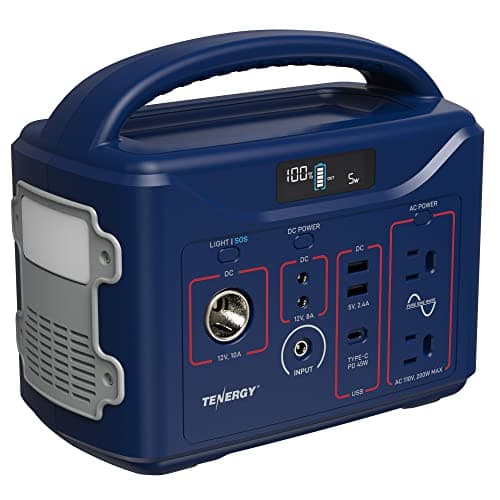
ALLWEI vs Tenergy
$269 vs $180
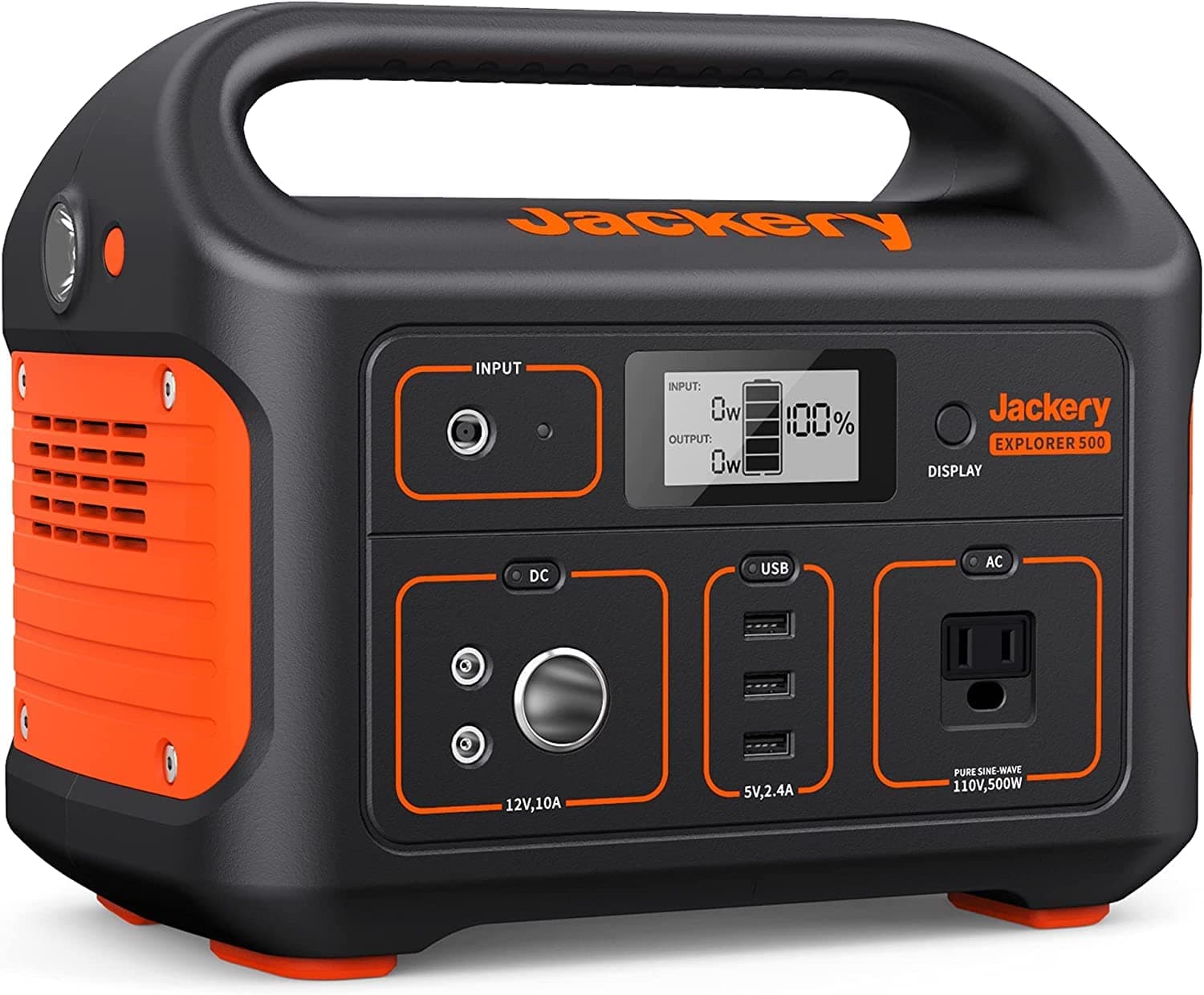
ALLWEI vs Jackery
$269 vs $299
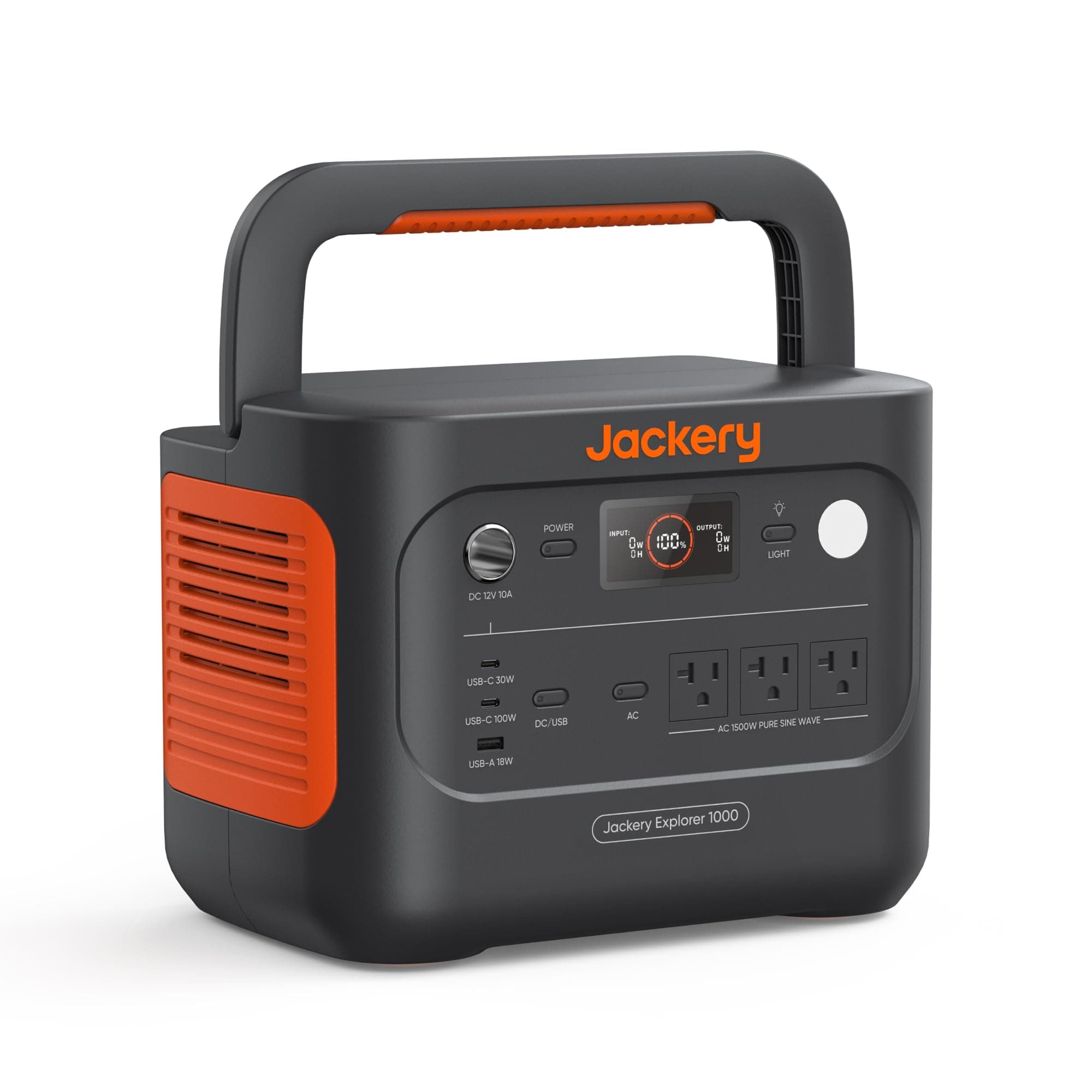
ALLWEI vs Jackery
$269 vs $449
EF ECOFLOW vs Jackery
$449 vs $299
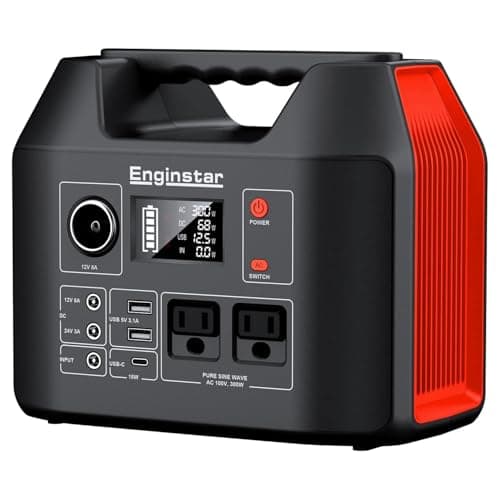
ALLWEI vs EnginStar
$269 vs $130
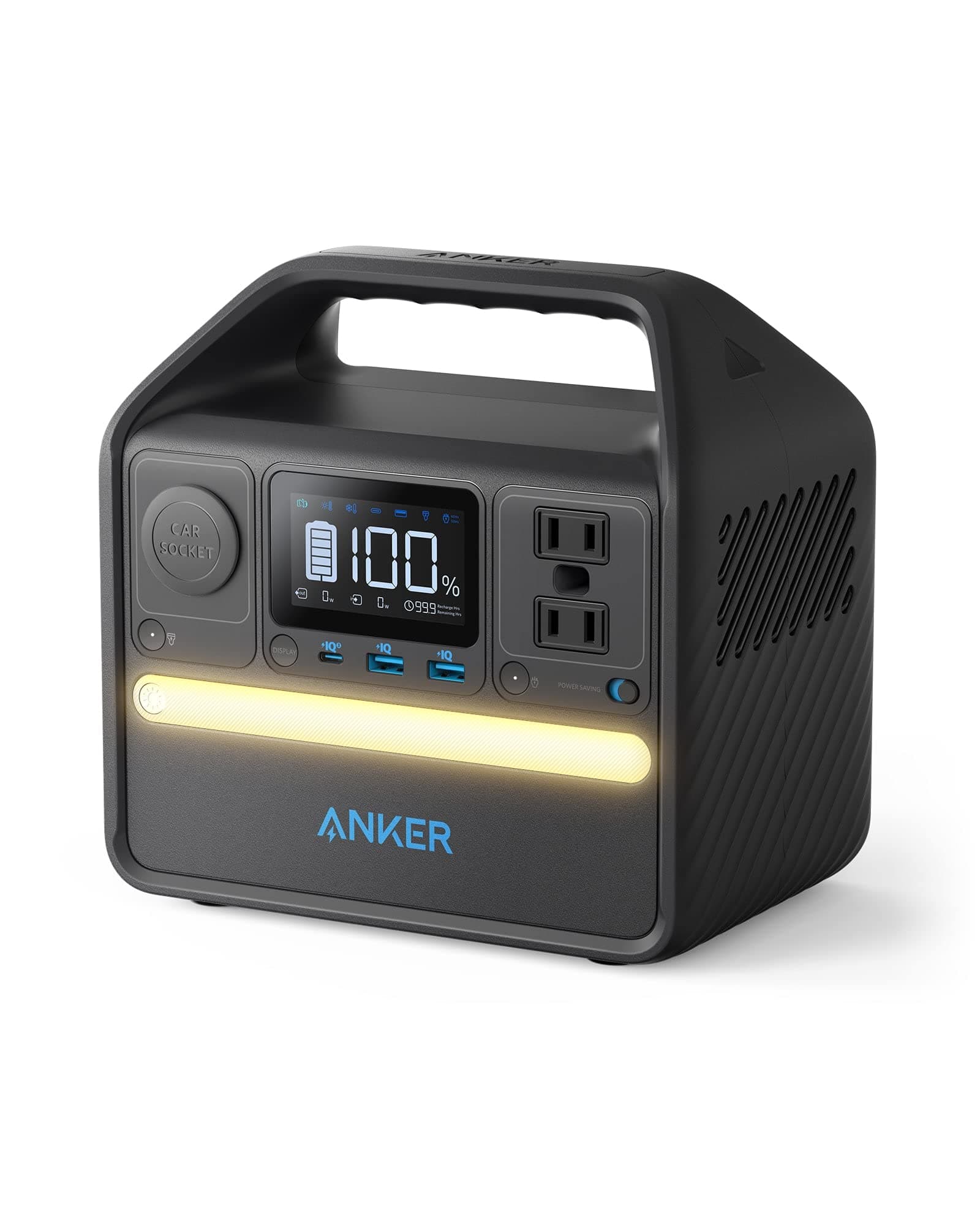
ALLWEI vs Anker
$269 vs $150
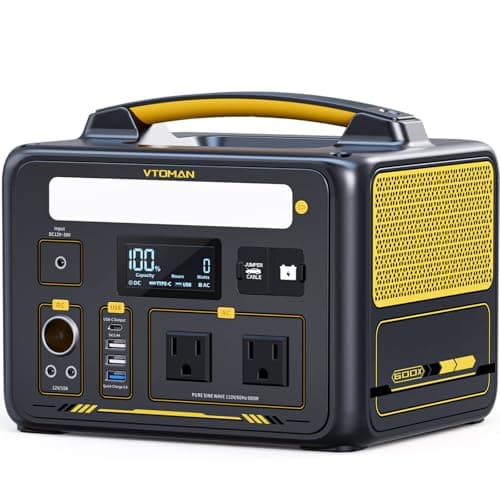
ALLWEI vs VTOMAN
$269 vs $240
Anker vs EF ECOFLOW
$300 vs $449
ALLWEI vs GRECELL
$269 vs $100
ALLWEI vs GRECELL
$269 vs $190
Explore Other Categories
Popular comparisons across the site
Ask AI
Get instant answers about specs
Get the Deets
Ask our AI assistant
Ask Deets anything!