Our Verdict
ALLWEI Portable Power Station 500W Wins
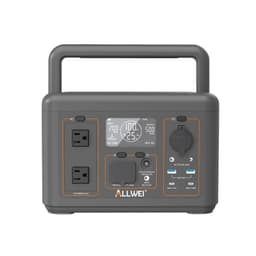
It delivers significantly greater raw power with 512Wh capacity and 500W continuous AC output (1000W surge) compared to Anker's 288Wh and 300W output, for only a marginal price difference. This makes it more versatile for a wider range of devices and longer usage periods. The Anker SOLIX C300 is the better pick for users who prioritize extreme portability, faster charging times (fully charged in under an hour), and a lower upfront cost for lighter power needs.
Bottom Line: ALLWEI Portable Power Station 500W is the better choice. It delivers significantly greater raw power with 512Wh capacity and 500W continuous AC output (1000W surge) compared to Anker's 288Wh and 300W output, for only a marginal price difference.
In-Depth Analysis
How they compare in practice
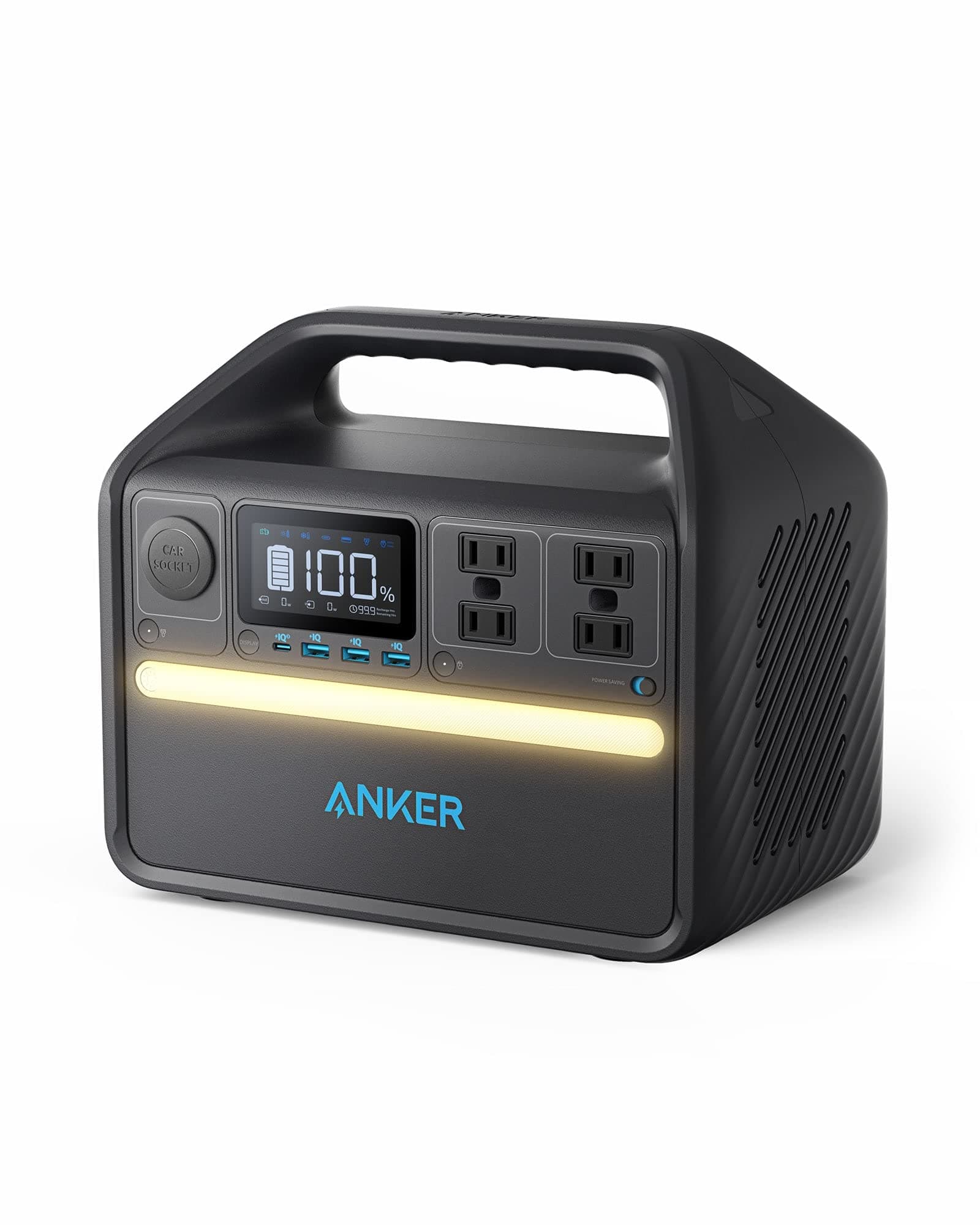
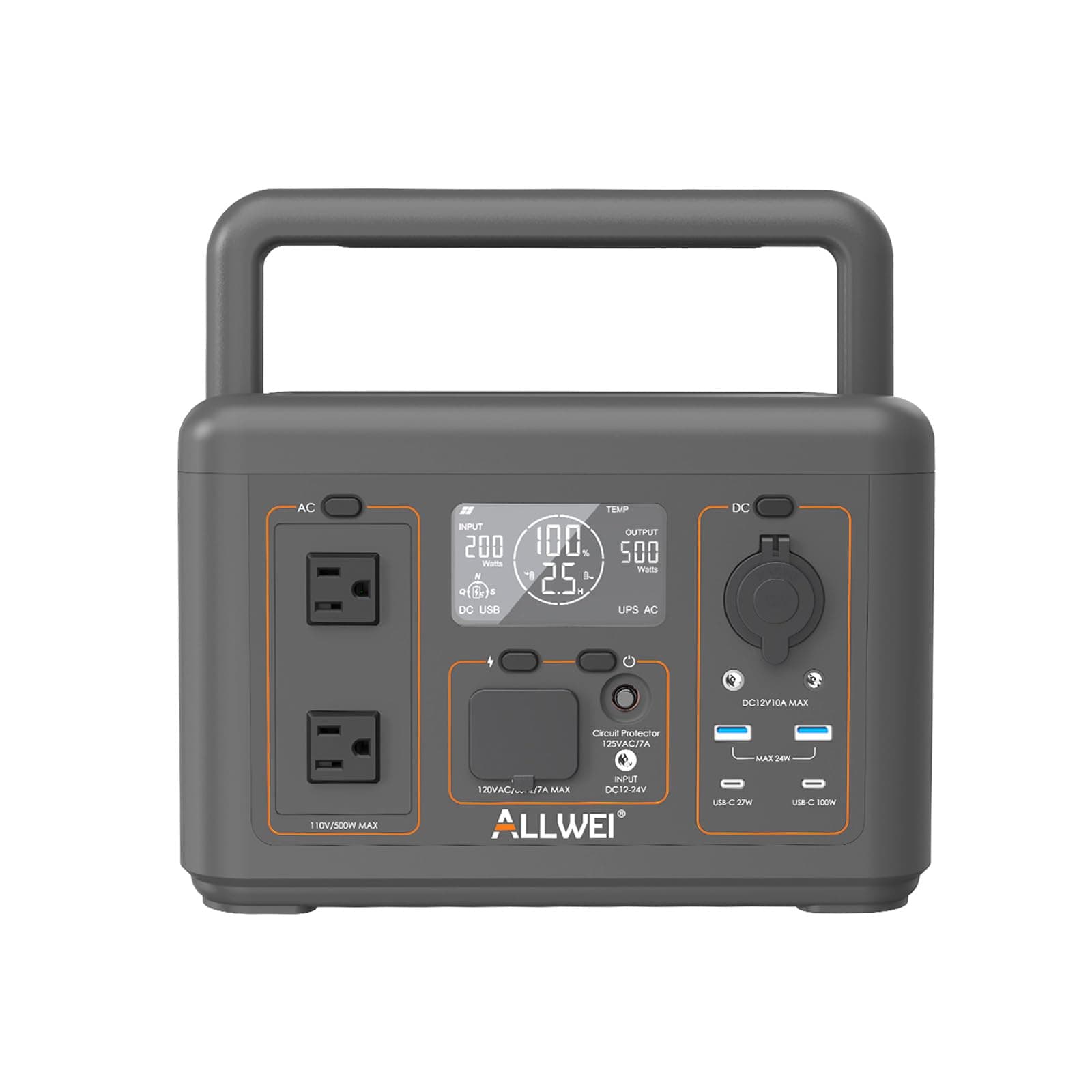
The ALLWEI Portable Power Station 500W and Anker SOLIX C300 both leverage durable LiFePO4 battery chemistry, promising an identical 3000 charge cycles for exceptional longevity. However, their core capabilities and intended users diverge significantly. The most striking difference lies in capacity and AC output: the ALLWEI boasts 512Wh and a robust 500W continuous AC output (with a 1000W surge), allowing it to power more demanding appliances for extended durations. In real-world terms, this means the ALLWEI can comfortably run a CPAP machine for multiple nights or sustain small power tools or kitchen gadgets that the Anker, with its 288Wh capacity and 300W AC output (600W surge), simply cannot. This higher output makes the ALLWEI a more capable companion for RVs, prolonged camping, or essential home emergency backup.
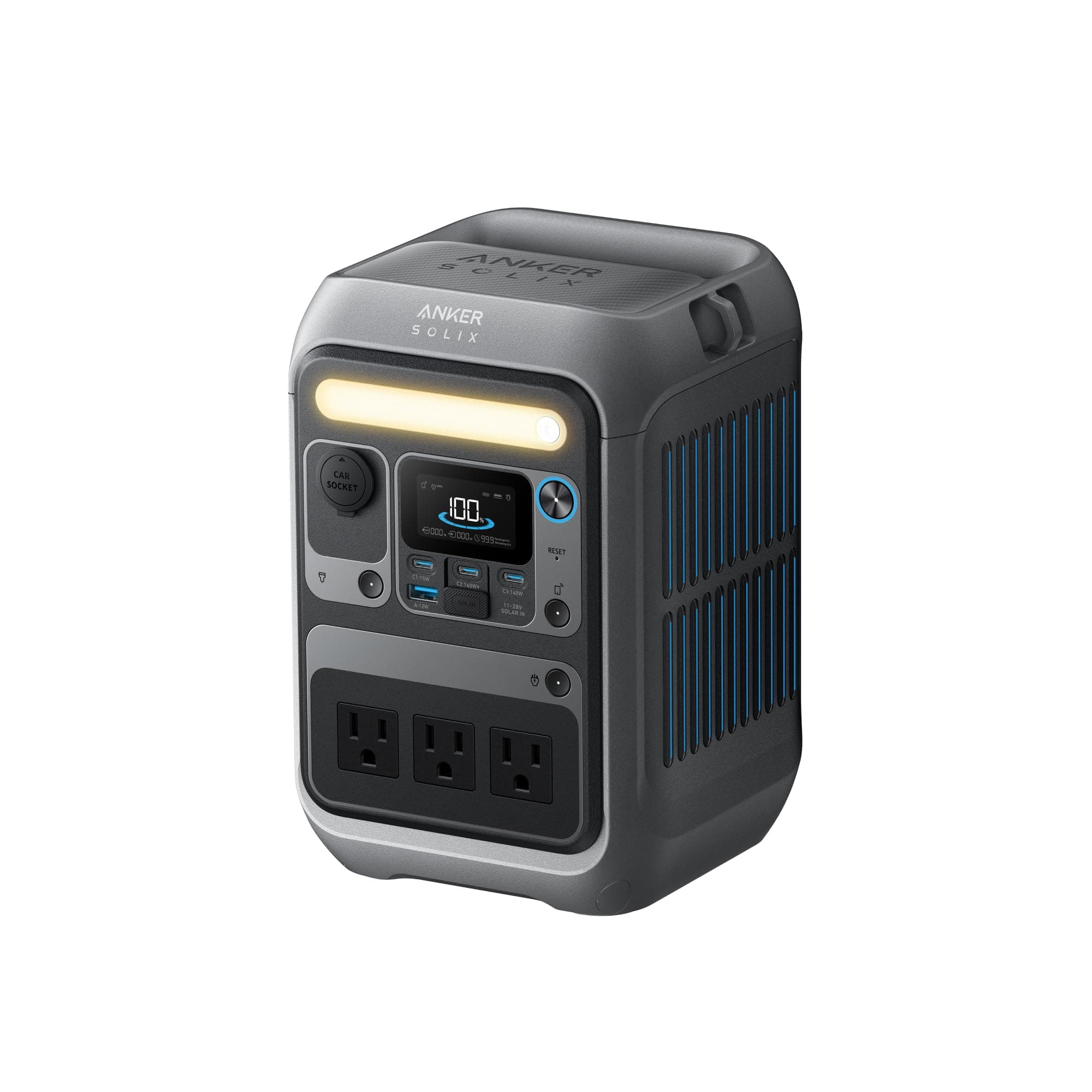
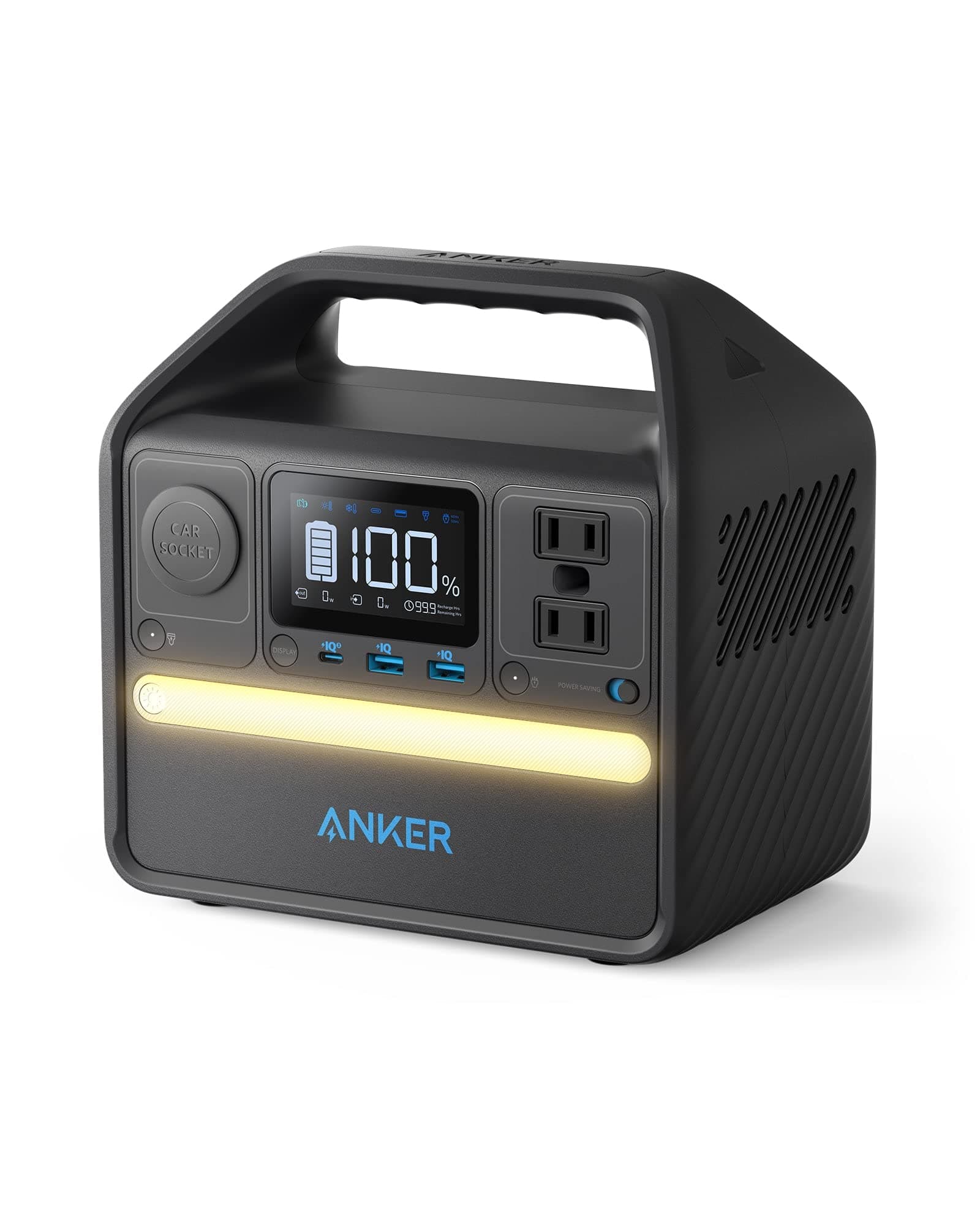
Conversely, the Anker SOLIX C300 excels in speed and portability. Weighing a mere 9.02 lbs compared to ALLWEI's 13 lbs, the Anker is noticeably easier to carry on hikes or short trips. Its charging speed is also unparalleled, reaching 80% in 50 minutes and a full charge in just 0.83 hours, thanks to its 140W two-way fast charging USB-C port. This feature makes it ideal for users who need to quickly top up their devices and the power station itself, such as photographers on location or remote workers. While the ALLWEI offers a respectable 2.5-hour fast charge, it's for nearly double the capacity, making Anker's raw speed more impactful for smaller bursts of power.
Another differentiator is ALLWEI's integrated UPS function, which provides seamless pass-through power and instant switchover during outages for devices up to 500W. This adds a layer of convenience and safety for sensitive electronics in a home office or for critical medical devices like CPAPs. Anker, despite having an extra AC outlet (3 vs. ALLWEI's 2) and a powerful 140W USB-C port (compared to ALLWEI's two 60W USB-C ports), lacks this UPS capability. Therefore, the choice boils down to a clear trade-off: superior sustained power and emergency preparedness with ALLWEI, or unmatched speed and portability with Anker.
Key Differences
The most significant spec differences at a glance
Battery Capacity
78% moreAC Output
67% moreAC Outlets
33% lessCharge Time
200% moreDc Ports
100% moreAdvantages
Where each product wins

ALLWEI
- Battery Capacity: 78% higher (512.0 vs 288)
- AC Output: 67% higher (500.0 vs 300)
- Dc Ports: 100% higher (2 vs 1)
- Peak Output: 67% higher (1000.0 vs 600)
- USB-A Ports: 100% higher (2 vs 1)

Anker
- AC Outlets: 33% higher (2 vs 3)
- Charge Time: 200% lower (2.5 vs 0.8333)
- USB-C Ports: 33% higher (2 vs 3)
- Weight: 44% lower (13.0 vs 9.02)
Which to Pick for Your Situation
Concrete scenarios with a clear recommendation
For multi-day camping or RV trips
ALLWEIThe ALLWEI offers nearly double the capacity at 512Wh and a higher 500W AC output, providing longer runtimes for various devices and small appliances.
For rapid charging of laptops and smartphones on the go
AnkerThe Anker recharges 80% in just 50 minutes and features a powerful 140W two-way USB-C port for extremely fast device charging.
For home office backup during power outages
ALLWEIALLWEI's 500W continuous output and UPS function ensure critical devices like computers and monitors remain powered without interruption.
For maximum portability during day hikes or excursions
AnkerWeighing only 9.02 lbs, the Anker SOLIX C300 is significantly lighter and easier to transport than the ALLWEI's 13 lbs.
Who Should Buy Which?
Find the right product for your needs

Buy ALLWEI if...
ALLWEI Portable Power Station
The ALLWEI Portable Power Station 500W is the ideal choice for individuals or families who require a more substantial and versatile power backup solution. This buyer prioritizes extended device runtimes and the ability to power a wider array of appliances, making the 512Wh capacity and 500W AC output crucial for their needs. They might be frequent campers, RV enthusiasts, or those preparing for home power outages, especially if they need to run a CPAP machine for multiple nights or keep essential home electronics operational. The integrated UPS function is a significant draw for anyone needing seamless power for a home office setup or medical devices during unexpected blackouts. While they appreciate a good value, they are willing to pay slightly more ($269) for the significant jump in power and capacity over budget-tier options. They don't mind the 13 lbs weight or the 2.5-hour charge time, understanding these are reasonable trade-offs for the enhanced capability and reliability provided by the ALLWEI.

Buy Anker if...
Anker Portable Power Station
The Anker SOLIX C300 is perfectly suited for the agile user who prioritizes speed, portability, and efficient charging for personal electronics. This buyer is often on the move – a digital nomad, a casual day-tripper, or someone who needs quick power top-ups for devices like laptops, drones, or smartphones. Their primary concern isn't powering large appliances but ensuring their gadgets are charged rapidly and they can recharge the power station itself in a flash. The Anker's 0.83-hour full charge time and its powerful 140W two-way USB-C port are standout features for this user. At just 9.02 lbs, it’s remarkably lightweight, making it effortlessly portable for hiking, beach outings, or stashing in a backpack. While its 288Wh capacity and 300W AC output are less than ALLWEI's, they are sufficient for their smaller, more frequent power demands. The Anker's lower price point of $249.99 also appeals to budget-conscious individuals who value speed and compact design over raw, sustained power for heavy-duty applications they don't typically encounter.
Spec Comparison
12 specs compared
| Specification |  |  |
|---|---|---|
| Price | $269 | $250 |
| Rating | 4.4(2.3k) | 4.6(1.7k) |
| Capacity Wh | 512W | 288W |
| Chemistry | LiFePO4 | LiFePO4 |
| AC Output Watts | 500W | 300W |
| Dc Ports | 2 | 1 |
| AC Outlets | 2 | 3 |
| Cycle Life | 3000 | 3000 |
| Weight | 13 lbs | 9.02 lbs |
| USB A Ports | 2 | 1 |
| USB C Ports | 2 | 3 |
| Charge Time Hours | 2.5 hrs | 0.83 hrs |
| Peak Output Watts | 1000W | 600W |
| Solar Input Watts | 100W | 100W |
Swipe horizontally to see all columns
Pros & Cons
Quick overview of strengths and weaknesses
ALLWEI Portable Power
- Charges fully via AC in 2.5 hours.
- LiFePO4 battery offers 3000 charge cycles.
- Provides instant UPS backup power.
- Multiple outputs: 2 AC, 2 USB-C, 2 USB-A, 3 DC.
- Solar panel requires separate purchase.
- 500W continuous AC output limits larger appliances.
- UPS function only for 500W max devices.
Anker Portable Power
- 288Wh capacity, 300W AC output (600W surge).
- 140W two-way USB-C port enables rapid charging.
- 8 output ports: 3 AC, 3 USB-C, 1 USB-A, 1 car.
- LiFePO4 battery rated for 3,000 charge cycles.
- Solar panel for recharging is not included.
- Not compatible with all Anker solar panel models.
- Only one of three USB-C ports offers 140W output.
Frequently Asked Questions
Common questions about this comparison
Which power station offers more capacity?
The ALLWEI Portable Power Station 500W has a higher capacity of 512Wh, significantly more than the Anker SOLIX C300's 288Wh, allowing for longer usage.
How quickly can each power station recharge?
The Anker SOLIX C300 charges much faster, reaching 80% capacity in 50 minutes. The ALLWEI Portable Power Station 500W charges fully in 2.5 hours.
Can these power stations run a CPAP machine?
Yes, both can. The ALLWEI, with its 500W AC output and 512Wh capacity, will run a CPAP machine for a longer duration than the Anker's 300W AC output and 288Wh capacity.
What type of battery do these power stations use?
Both the ALLWEI 500W and Anker SOLIX C300 utilize advanced LiFePO4 batteries, offering an impressive 3000 charge cycles for extended lifespan and safety.
Which product is lighter and more portable?
The Anker SOLIX C300 is considerably lighter at 9.02 lbs, making it more portable compared to the ALLWEI Portable Power Station 500W, which weighs 13 lbs.
Related Comparisons
Similar products people compare
Anker vs VTOMAN
$250 vs $140
Anker vs Anker
$300 vs $250
ALLWEI vs Jackery
$269 vs $229
Anker vs Tenergy
$250 vs $180
Anker vs Jackery
$250 vs $299
ALLWEI vs Tenergy
$269 vs $180
ALLWEI vs Jackery
$269 vs $299
Anker vs GRECELL
$250 vs $100
ALLWEI vs Jackery
$269 vs $449
ALLWEI vs EF ECOFLOW
$269 vs $449
Anker vs EnginStar
$250 vs $130
ALLWEI vs EnginStar
$269 vs $130
ALLWEI vs Anker
$269 vs $150
ALLWEI vs VTOMAN
$269 vs $240
Anker vs VTOMAN
$250 vs $240
Explore Other Categories
Popular comparisons across the site
Ask AI
Get instant answers about specs
Get the Deets
Ask our AI assistant
Ask Deets anything!