Our Verdict
Epson Home Cinema 1100 Wins
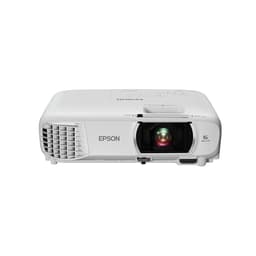
It offers superior overall value with 3400 lumens brightness and a 16000:1 contrast ratio at a more affordable price point of $829.99, making it excellent for general home viewing in varied lighting. The BenQ TH671ST is the better pick for dedicated gamers who prioritize its intense low input lag and short throw capability, projecting a 100-inch image from just 5 feet, despite its higher price of $949.0.
Bottom Line: Epson Home Cinema 1100 is the better choice. It offers superior overall value with 3400 lumens brightness and a 16000:1 contrast ratio at a more affordable price point of $829.
In-Depth Analysis
How they compare in practice
When comparing the BenQ TH671ST and the Epson Home Cinema 1100, distinct use cases emerge, primarily centered around gaming and general home entertainment. The Epson Home Cinema 1100, priced at $829.99, immediately presents a strong value proposition. Its higher brightness of 3400 ANSI lumens, compared to the BenQ's 3000 lumens, translates to a noticeably clearer and more vibrant image, even in rooms with some ambient light. Coupled with a robust 16000:1 contrast ratio, the Epson projector delivers deeper blacks and richer colors, enhancing movie watching and general media consumption.
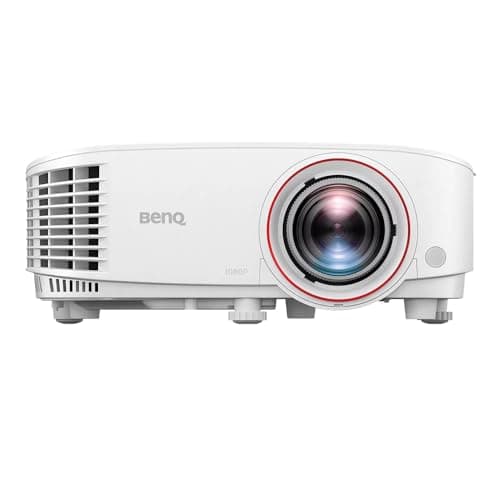
On the other hand, the BenQ TH671ST, at $949.0, carves out its niche as a dedicated gaming projector. Its standout feature is the promise of 'intense low input lag action' via its Gaming Mode, a critical factor for competitive gamers where milliseconds matter. The BenQ also boasts a significant practical advantage with its short throw ratio of 0.6883, allowing it to project a large 100-inch image from a mere 5 feet away. This is invaluable for users in smaller spaces or those who want to avoid long cable runs and foot traffic interfering with the projection path. The Epson lacks specific short-throw capabilities, making room placement more restrictive.
Image fidelity also sees a divergence. The Epson's 3LCD technology inherently prevents the 'rainbow effect' sometimes visible with single-chip DLP projectors (which the BenQ likely is), ensuring color accuracy and comfort for all viewers. While both offer native 1080p resolution, the Epson's superior contrast ratio will generally yield a more dynamic and engaging picture for cinematic content. Furthermore, the Epson includes wireless streaming via Apple AirPlay and Miracast, providing convenient content access that the BenQ does not explicitly offer.
Ultimately, the trade-off is clear: the Epson Home Cinema 1100 offers a better all-around home cinema experience with superior brightness, contrast, and wireless features at a lower price. The BenQ TH671ST justifies its higher cost with its specialized short-throw capability and crucial low input lag, making it a tailored choice for gamers and those with specific spatial constraints, accepting a slight compromise on overall picture dynamics and general versatility.
Key Differences
The most significant spec differences at a glance
Brightness Ansi Lumens
12% lessAdvantages
Where each product wins

Epson
- Brightness Ansi Lumens: 12% higher (3000 vs 3400)
Which to Pick for Your Situation
Concrete scenarios with a clear recommendation
For competitive console gaming
BenQThe BenQ TH671ST explicitly features 'Gaming Mode for Intense Low Input Lag Action,' crucial for responsive gameplay.
For a living room with some ambient light
EpsonThe Epson Home Cinema 1100 offers 3400 lumens, higher than BenQ's 3000 lumens, for better performance in brighter conditions.
For a small apartment or tight space
BenQThe BenQ TH671ST has a short throw ratio of 0.6883, projecting a 100-inch image from just 5 feet.
For budget-conscious home cinema viewing
EpsonThe Epson Home Cinema 1100 is priced at $829.99 and offers 3400 lumens and 16000:1 contrast, providing excellent value.
Who Should Buy Which?
Find the right product for your needs

Buy BenQ if...
BenQ TH671ST | 1080p
The BenQ TH671ST is the quintessential choice for the dedicated gamer who prioritizes an uncompromised, responsive gaming experience above all else. This buyer is acutely aware of the impact of input lag and seeks a projector that specifically minimizes it, leveraging features like its 'Gaming Mode.' They likely have a dedicated gaming space, perhaps a bedroom or a small den, where its short throw ratio of 0.6883 is a significant advantage, allowing them to project a massive 100-inch image from a mere 5 feet away without needing extensive room for setup. While they appreciate the Native 1080p resolution for clear visuals, they might be willing to overlook a slightly lower brightness (3000 lumens) or unspecified contrast ratio, as the primary goal is a fluid, large-screen gaming session. Their budget is flexible enough to accommodate its $949.0 price, recognizing the premium for specialized gaming performance and installation flexibility, accepting that general movie-watching might not be its absolute strongest suit compared to home cinema-focused alternatives.

Buy Epson if...
Epson Home Cinema 1100
The Epson Home Cinema 1100 is ideal for the value-conscious home entertainment enthusiast who desires a versatile projector for a mix of movies, TV shows, and casual gaming in a typical living room or media space. This buyer prioritizes a bright, vivid picture even when there's some ambient light, making its 3400 lumens a significant draw. They appreciate the deep blacks and rich colors afforded by its 16000:1 contrast ratio and the color accuracy delivered by its 3LCD technology, which also prevents the 'rainbow effect.' The convenience of wireless streaming via Apple AirPlay and Miracast is a major plus for them, simplifying content sharing from their devices. While they might engage in casual gaming, ultra-low input lag isn't their top priority. Their budget of $829.99 is well met by the Epson's robust feature set and superior all-around image quality for general viewing, willingly foregoing specialized short-throw capabilities or dedicated competitive gaming features for a more versatile, brighter, and higher-contrast cinematic experience at home.
Spec Comparison
6 specs compared
| Specification |  |  |
|---|---|---|
| Price | $949 | $830 |
| Rating | 4.4(843) | 4.5(443) |
| Brightness Ansi Lumens | 3000 | 3400 |
| Native Resolution | 1080p | 1080p |
| Throw Ratio | 0.69 | — |
| Keystone Correction | Vertical | — |
| Hdmi Ports | — | 2 |
| Contrast Ratio | — | 16000:1 |
Swipe horizontally to see all columns
Pros & Cons
Quick overview of strengths and weaknesses
BenQ TH671ST |
- Native 1080p resolution for clear images.
- 3000 lumens provides bright picture.
- Low input lag for responsive gaming.
- Projects 100-inch image from 5 feet.
- Lacks horizontal keystone adjustment.
- Integrated speaker typically offers low fidelity.
Epson Home Cinema
- Native 1080p resolution provides sharp images.
- 3400 lumens brightness performs in varied lighting.
- 3LCD tech prevents rainbow effect; accurate color.
- 16000:1 contrast ratio delivers deep blacks.
- Lacks native 4K resolution support.
- Built-in speaker offers limited audio performance.
- No specific information on lens shift or zoom.
Frequently Asked Questions
Common questions about this comparison
Which projector is better for a truly immersive gaming experience?
The BenQ TH671ST is designed for gamers, featuring a 'Gaming Mode for Intense Low Input Lag Action' that ensures highly responsive gameplay, which is critical for competitive titles.
How do these projectors handle rooms with ambient light?
The Epson Home Cinema 1100 is better with its 3400 ANSI lumens, outshining the BenQ's 3000 lumens. This higher brightness helps maintain image clarity in less-than-dark environments.
Can either projector project a large image from a short distance?
Yes, the BenQ TH671ST is a short-throw projector with a 0.6883 throw ratio, capable of producing a 100-inch image from just 5 feet away, ideal for smaller rooms.
Which projector offers better contrast for movies?
The Epson Home Cinema 1100 boasts a 16000:1 contrast ratio, providing deeper blacks and more vibrant colors than the BenQ, which does not specify its contrast.
Do these projectors support wireless streaming?
The Epson Home Cinema 1100 supports wireless streaming via Apple AirPlay and Miracast, offering convenient direct content sharing. The BenQ TH671ST does not list this feature.
Related Comparisons
Similar products people compare
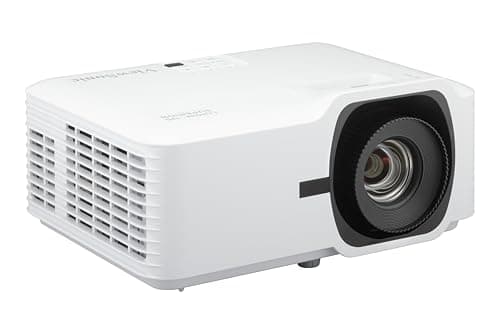
BenQ vs ViewSonic
$949 vs $1350
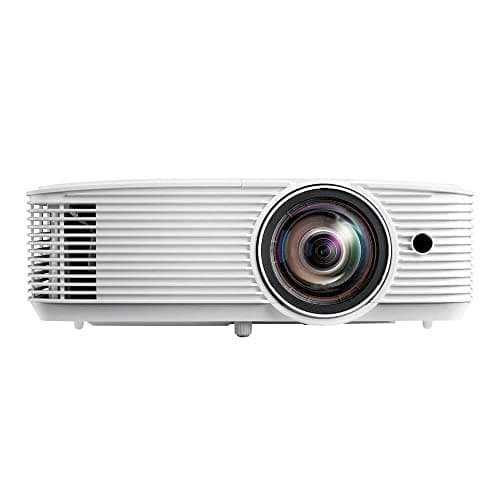
BenQ vs Optoma
$949 vs $970
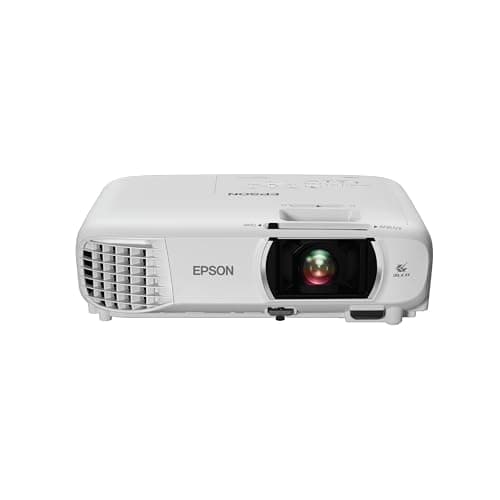
Epson vs Optoma
$830 vs $970
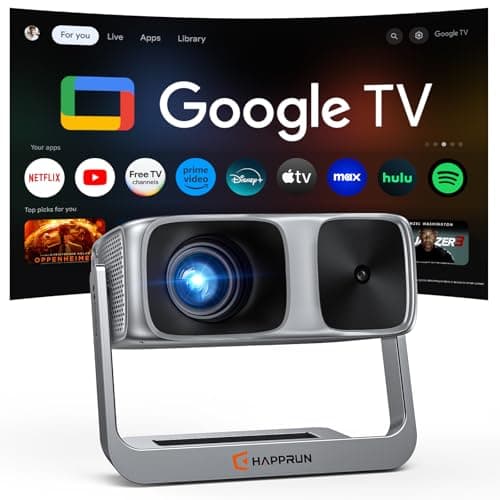
HAPPRUN vs BenQ
$380 vs $949
Epson vs Optoma
$830 vs $999
Epson vs VOPLLS
$830 vs $600
Epson vs Optoma
$830 vs $899
BenQ vs Optoma
$949 vs $999
HAPPRUN vs Epson
$380 vs $830
BenQ vs Yaber PROJECTOR
$949 vs $727
BenQ vs Optoma
$949 vs $899
Epson vs Yaber PROJECTOR
$830 vs $727
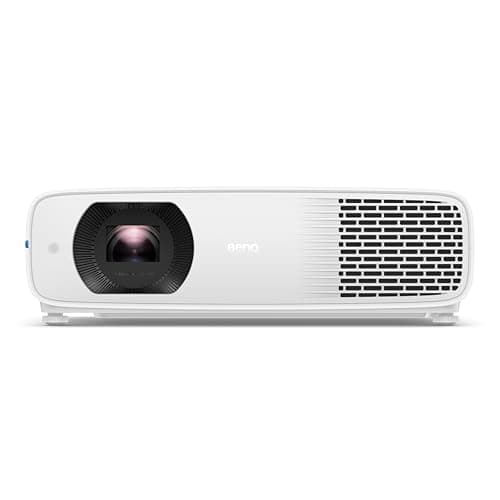
BenQ vs Epson
$1599 vs $830
Explore Other Categories
Popular comparisons across the site



Ask AI
Get instant answers about specs
Get the Deets
Ask our AI assistant
Ask Deets anything!