Our Verdict
BenQ LH750 Wins
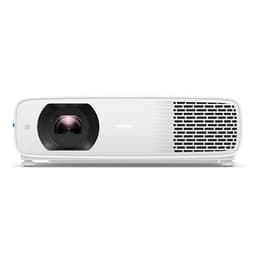
It boasts a significantly higher brightness of 5000 ANSI lumens compared to the Epson's 3400 lumens, ensuring superior visibility in ambient light, coupled with a 30,000-hour laser light source for extended, maintenance-free operation. Its lens shift and 1.6x zoom also offer greater installation flexibility for diverse setups. The Epson Home Cinema 1100 is the better pick for budget-conscious users prioritizing accurate color via 3LCD technology and wireless streaming features at nearly half the price.
Bottom Line: BenQ LH750 is the better choice. It boasts a significantly higher brightness of 5000 ANSI lumens compared to the Epson's 3400 lumens, ensuring superior visibility in ambient light, coupled with a 30,000-hour laser light source for extended, maintenance-free operation.
In-Depth Analysis
How they compare in practice
The BenQ LH750 and Epson Home Cinema 1100 both deliver native 1080p resolution, but their real-world performance and value propositions diverge considerably. The most striking difference lies in brightness: the BenQ LH750's 5000 ANSI lumens profoundly impacts usability in environments with ambient light, such as business meeting rooms or living spaces with open curtains. In contrast, the Epson Home Cinema 1100, at 3400 lumens, is well-suited for darker home cinema settings or controlled lighting. This 1600-lumen delta means the BenQ can project a clear, vibrant image where the Epson might appear washed out.
Beyond brightness, the BenQ LH750 leverages a long-lasting laser light source rated for 30,000 hours, drastically reducing maintenance and replacement costs associated with traditional lamps. This translates to years of consistent performance without degradation or the need for frequent bulb changes, a major advantage for commercial or heavy-use scenarios. The Epson, while not explicitly detailing its light source life, likely uses a lamp that requires periodic replacement, incurring additional costs and downtime.
Installation flexibility is another key differentiator. The BenQ LH750 includes lens shift and a 1.6x zoom, features absent or not specified for the Epson. Lens shift allows for physical image adjustment without moving the projector or introducing keystone distortion, simplifying setup in challenging spaces. The 1.6x zoom provides more versatility in projection distance, accommodating various room sizes. While the Epson offers conveniences like Apple AirPlay and Miracast for wireless content sharing and a decent 16000:1 contrast ratio for deeper blacks in a dark room, it lacks the BenQ's robust installation and brightness capabilities. The Epson's 3LCD technology does ensure "rainbow effect"-free viewing, a potential concern for some with single-chip DLP projectors like the BenQ, though not all users are sensitive to it. Ultimately, the BenQ targets professional installations and bright environments, while the Epson is tailored for cost-effective home entertainment where lighting can be controlled.
Key Differences
The most significant spec differences at a glance
Brightness Ansi Lumens
47% moreAdvantages
Where each product wins

BenQ
- Brightness Ansi Lumens: 47% higher (5000 vs 3400)
Which to Pick for Your Situation
Concrete scenarios with a clear recommendation
For bright office presentations
BenQIts 5000 ANSI lumens ensures clear visibility even in well-lit meeting rooms, outperforming the Epson's 3400 lumens.
For a dedicated home theater
EpsonThe 16000:1 contrast ratio delivers deep blacks for an immersive cinematic experience, especially with controlled lighting, which is a key advantage for the Epson.
For flexible room placement
BenQThe BenQ LH750's lens shift and 1.6x zoom provide superior adjustability for diverse setup scenarios without image distortion, unlike the Epson which lacks these features.
For a budget-conscious buyer
EpsonAt $829.99, the Epson Home Cinema 1100 offers excellent 1080p performance and wireless streaming features for nearly half the price of the BenQ.
Who Should Buy Which?
Find the right product for your needs

Buy BenQ if...
BenQ LH750 1080P 5000
The BenQ LH750 is the ideal choice for business professionals, educators, or anyone needing a high-performance projector for environments with significant ambient light. Picture a corporate boardroom, a large classroom, or a well-lit living room where curtains aren't always drawn. This buyer prioritizes uncompromising brightness and long-term reliability. The BenQ's standout 5000 ANSI lumens ensures presentations and media remain vivid and impactful, even with lights on. Furthermore, the 30,000-hour laser light source caters to users who demand minimal maintenance and consistent performance over many years, avoiding the hassle and cost of frequent lamp replacements. The added flexibility of lens shift and a 1.6x zoom is crucial for installations where exact projector placement is challenging, allowing for precise image alignment without distortion. They are willing to invest $1599 for professional-grade performance and durability, understanding that the higher upfront cost translates into a superior viewing experience in diverse settings and lower ownership costs over time. They might sacrifice native 4K, as 1080p is sufficient for their bright-room applications.

Buy Epson if...
Epson Home Cinema 1100
The Epson Home Cinema 1100 is perfectly suited for the home entertainment enthusiast or the budget-conscious consumer looking to establish a quality cinematic experience without breaking the bank. This buyer's priorities are excellent 1080p picture quality, solid brightness for a dark or moderately lit room, and convenient streaming options, all at an accessible price point. With its 3400 lumens, the Epson delivers a bright enough image for dedicated media rooms or evening movie nights, while its 16000:1 contrast ratio ensures deep blacks and vibrant colors that make films pop. The 3LCD technology is a significant draw, eliminating the "rainbow effect" sometimes seen with DLP projectors, providing a comfortable viewing experience for all family members. The inclusion of Apple AirPlay and Miracast simplifies content sharing from mobile devices, making it a user-friendly hub for streaming. Priced at $829.99, it offers exceptional value for money, sacrificing the extreme brightness, laser light source longevity, and advanced installation features like lens shift found in more expensive models, which this buyer likely doesn't need for their home setup.
Spec Comparison
9 specs compared
| Specification |  |  |
|---|---|---|
| Price | $1599 | $830 |
| Rating | 4.4(481) | 4.5(443) |
| Brightness Ansi Lumens | 5000 | 3400 |
| Native Resolution | 1080p | 1080p |
| Hdmi Ports | 2 | 2 |
| Lens Shift | Yes | — |
| Hdr Support | Yes | — |
| Light Source | Laser | — |
| Lamp Life Hours | 30000 hrs | — |
| Keystone Correction | Full (H+V) | — |
| Contrast Ratio | — | 16000:1 |
Swipe horizontally to see all columns
Pros & Cons
Quick overview of strengths and weaknesses
BenQ LH750 1080P
- 5000 lumens for clear visibility in lit rooms.
- 1080p resolution provides sharp image detail.
- 30,000-hour laser light source reduces maintenance.
- 1.6x zoom and lens shift simplify setup.
- Not native 4K resolution; 4K compatibility only.
- Fixed lens, not interchangeable for specific throws.
Epson Home Cinema
- Native 1080p resolution provides sharp images.
- 3400 lumens brightness performs in varied lighting.
- 3LCD tech prevents rainbow effect; accurate color.
- 16000:1 contrast ratio delivers deep blacks.
- Lacks native 4K resolution support.
- Built-in speaker offers limited audio performance.
- No specific information on lens shift or zoom.
Frequently Asked Questions
Common questions about this comparison
What is the primary difference in image quality between the BenQ LH750 and Epson Home Cinema 1100?
Both offer native 1080p. The BenQ is significantly brighter at 5000 lumens, while the Epson offers a higher 16000:1 contrast ratio, excelling in different lighting conditions and ensuring richer blacks.
Which projector is better for long-term ownership regarding maintenance?
The BenQ LH750 is superior with its 30,000-hour laser light source, significantly reducing maintenance and eliminating lamp replacement costs compared to traditional lamp-based projectors like the Epson.
Does either projector support 4K resolution natively?
No, both projectors have a native 1080p resolution. However, the BenQ LH750 is listed as 4K HDR compatible, meaning it can accept and downscale 4K input signals.
What installation advantages does the BenQ LH750 offer?
The BenQ LH750 features lens shift and a 1.6x zoom, providing greater flexibility in projector placement and image alignment without physically moving the unit or distorting the picture.
Can I stream content wirelessly to these projectors?
Yes, the BenQ LH750 supports Wi-Fi and screen casting, while the Epson Home Cinema 1100 features Apple AirPlay and Miracast for convenient wireless content streaming from devices.
Is the Epson's lower price justified by its features?
Absolutely. At $829.99, the Epson offers strong 1080p visuals, 3400 lumens, 16000:1 contrast, and wireless streaming, making it a great value for home entertainment without premium business features.
Related Comparisons
Similar products people compare
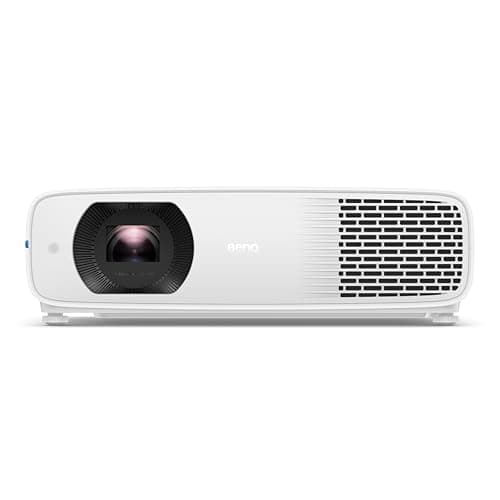
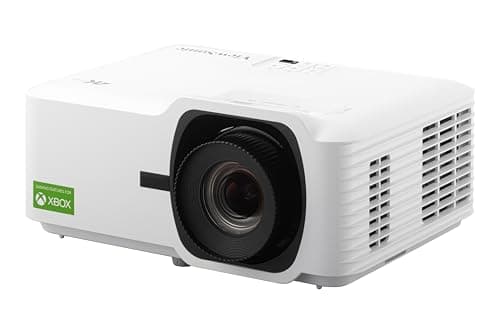
BenQ vs ViewSonic
$1599 vs $1623
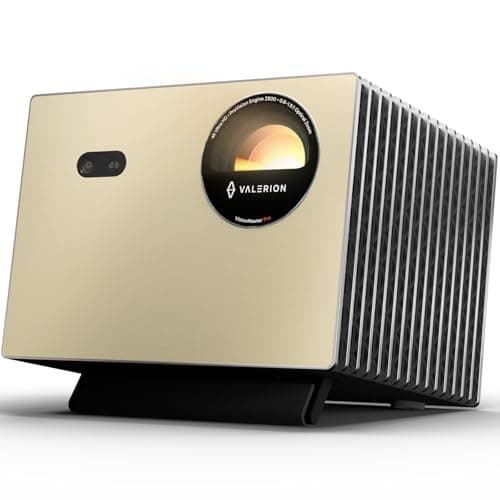
BenQ vs Valerion
$1599 vs $1999
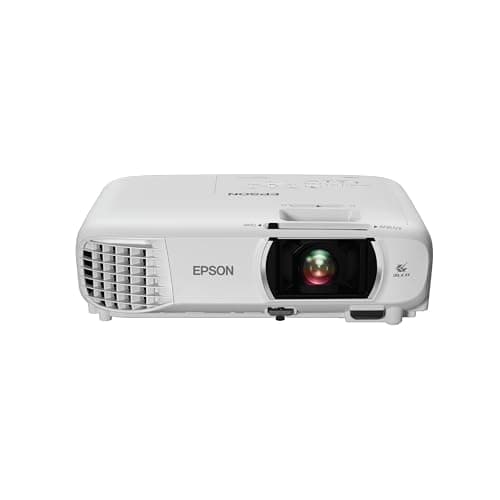
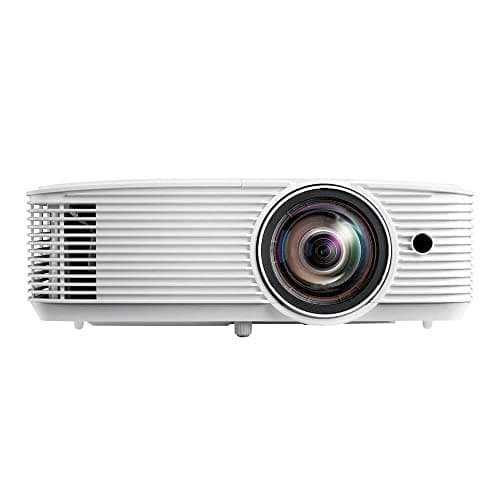
Epson vs Optoma
$830 vs $970
BenQ vs BenQ
$1599 vs $1998
BenQ vs ViewSonic
$1599 vs $1350
Epson vs Optoma
$830 vs $999
Epson vs VOPLLS
$830 vs $600
BenQ vs Valerion
$1599 vs $1499
Epson vs Optoma
$830 vs $899
BenQ vs Epson
$949 vs $830
BenQ vs Optoma
$1599 vs $999
BenQ vs BenQ
$1599 vs $1399
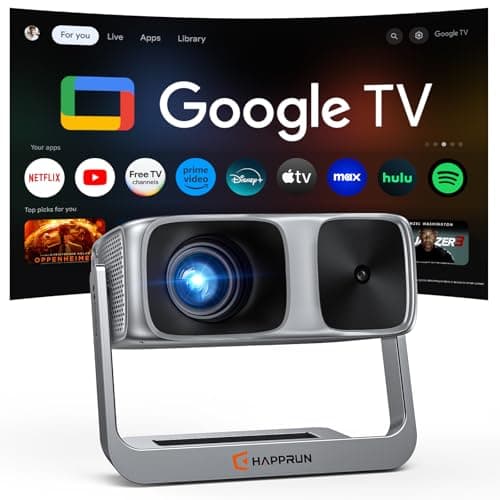
HAPPRUN vs Epson
$380 vs $830
Epson vs Yaber PROJECTOR
$830 vs $727
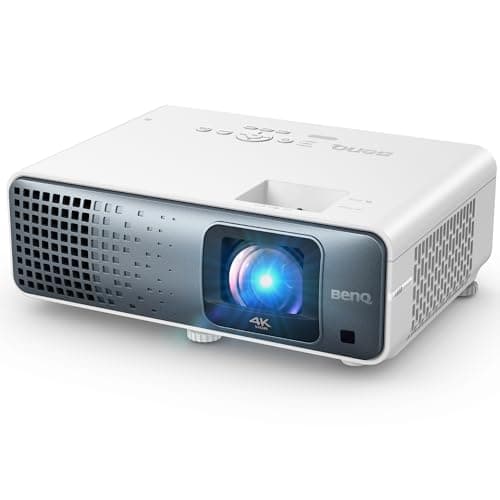
BenQ vs BenQ
$1599 vs $2199
Explore Other Categories
Popular comparisons across the site


Ask AI
Get instant answers about specs
Get the Deets
Ask our AI assistant
Ask Deets anything!