Our Verdict
BenQ TH671ST Wins
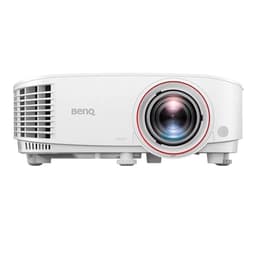
It offers a clear advantage for gamers with its dedicated low input lag action, crucial for responsive gameplay, at a slightly lower price of $949. While both deliver 1080p resolution, the BenQ's gaming focus is a decisive factor for its intended audience. The Optoma GT2000HDR is the better pick for general home theater use, offering higher 3500 lumens brightness and HDR support for a more vibrant viewing experience, plus a long-lasting laser light source for only $25 more.
Bottom Line: BenQ TH671ST is the better choice. It offers a clear advantage for gamers with its dedicated low input lag action, crucial for responsive gameplay, at a slightly lower price of $949.
In-Depth Analysis
How they compare in practice
The BenQ TH671ST and Optoma GT2000HDR both offer 1080p short-throw projection, ideal for creating large images in confined spaces, but their primary strengths diverge significantly based on intended use. The BenQ, priced at $949, champions responsive gaming with its "Gaming Mode for Intense Low Input Lag Action." For competitive gamers, this translates directly into a more fluid and less frustrating experience, where milliseconds can determine victory. It projects a bright 3000 lumens picture, sufficient for many indoor environments, and boasts an auto vertical keystone for quick setup, projecting a 100-inch image from just 5 feet away. Its native 1080p resolution ensures crisp images.
Conversely, the Optoma GT2000HDR, at $974, leans into a premium home theater experience. Its standout feature is the laser light source, offering extended lifespan and instant on/off capabilities, unlike traditional lamps that require warm-up and cool-down. This significantly reduces maintenance and provides immediate enjoyment. With a higher 3500 ANSI lumens, the Optoma delivers a noticeably brighter picture, making it more resilient to ambient light and suitable for varied viewing conditions. Furthermore, its HDR compatibility enhances contrast and color depth, rendering movies and TV shows with greater visual fidelity and a more immersive feel, all at 1080p resolution.
The trade-off manifests in their design and features. While the BenQ prioritizes gaming, it lacks HDR support and its integrated speaker is noted for low fidelity, suggesting external audio is a must. Its keystone is vertical-only. The Optoma provides a superior visual foundation for entertainment with HDR and higher brightness, but doesn't specifically cater to the low input lag demands of hardcore gamers. Its external power supply also adds a minor inconvenience in terms of cable management. Ultimately, the BenQ offers pure gaming performance at a slightly lower price, while the Optoma provides a more robust, long-term, and visually rich entertainment hub for a small premium.
Key Differences
The most significant spec differences at a glance
Brightness Ansi Lumens
14% lessAdvantages
Where each product wins

Optoma
- Brightness Ansi Lumens: 14% higher (3000 vs 3500)
Which to Pick for Your Situation
Concrete scenarios with a clear recommendation
For a dedicated gaming room
BenQThe BenQ TH671ST is purpose-built for gaming, featuring specific low input lag action that is critical for competitive play and a more responsive experience.
For a bright living room entertainment
OptomaThe Optoma GT2000HDR's 3500 ANSI lumens brightness, which is 500 lumens higher than the BenQ, combined with HDR support, makes it superior for overcoming ambient light and delivering vibrant visuals for movies and TV.
For low maintenance home theater
OptomaThe Optoma GT2000HDR features a long-lasting laser light source, significantly reducing the need for lamp replacements and offering instant on/off convenience compared to traditional lamp projectors.
For budget-conscious buyers
BenQAt $949, the BenQ TH671ST is slightly more affordable than the Optoma GT2000HDR at $974, offering strong 1080p performance for its price point.
Who Should Buy Which?
Find the right product for your needs

Buy BenQ if...
BenQ TH671ST | 1080p
The ideal buyer for the BenQ TH671ST is a dedicated gamer who prioritizes a highly responsive and immersive gaming experience. This individual likely has a specific setup, whether it's a gaming den or a living room where gaming is a central activity, and they understand that input lag can significantly impact performance and enjoyment in fast-paced titles. The BenQ's "Gaming Mode for Intense Low Input Lag Action" is a crucial selling point for them, ensuring every button press translates instantly onscreen. They also appreciate the clear, detailed visuals offered by its native 1080p resolution, which makes competitive games and expansive open worlds look sharp. Operating on a budget around $950, they seek maximum gaming performance for their money. While they might forgo premium features like HDR support or a maintenance-free laser light source found in the Optoma, they are satisfied with the 3000 ANSI lumens brightness for vibrant projection in controlled lighting. They are also prepared to use external audio systems, recognizing the limitations of the built-in speaker. Their core need is a projector that elevates their gaming sessions without breaking the bank, prioritizing speed and clarity over general home theater enhancements.

Buy Optoma if...
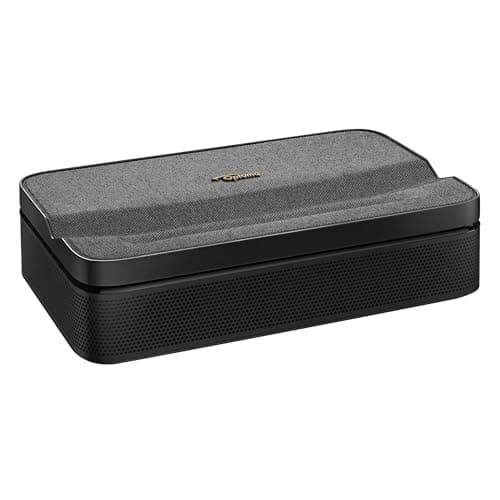
Optoma GT2000HDR Ultra-Compact Short
The ideal buyer for the Optoma GT2000HDR is someone primarily looking for a versatile and high-quality home entertainment projector with minimal long-term fuss. They might envision a multi-purpose living space where movies, TV shows, and casual gaming are enjoyed, rather than a dedicated competitive gaming setup. This buyer values a bright, vibrant picture, making the Optoma's 3500 ANSI lumens and HDR compatibility highly appealing for superior contrast and color depth, especially in rooms with some ambient light. The long-lasting laser light source is a significant draw for them, promising years of maintenance-free operation and the convenience of instant on/off without waiting for warm-up or cool-down cycles. With a budget just under $1000, around $974, they are willing to pay a small premium for these advanced features that enhance the overall viewing experience and offer better longevity. They aren't primarily concerned with micro-second input lag for competitive gaming, recognizing that the Optoma focuses more on cinematic quality. While they accept the external power supply and fixed throw limitations, their priority lies in a robust, visually impressive, and enduring projection solution for general home enjoyment.
Spec Comparison
6 specs compared
| Specification | 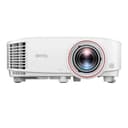 | 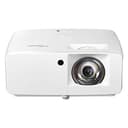 |
|---|---|---|
| Price | $949 | $999 |
| Rating | 4.4(843) | 4.1(165) |
| Brightness Ansi Lumens | 3000 | 3500 |
| Native Resolution | 1080p | 1080p |
| Throw Ratio | 0.69 | — |
| Keystone Correction | Vertical | — |
| Hdr Support | — | Yes |
| Light Source | — | Laser |
Swipe horizontally to see all columns
Pros & Cons
Quick overview of strengths and weaknesses
BenQ TH671ST |
- Native 1080p resolution for clear images.
- 3000 lumens provides bright picture.
- Low input lag for responsive gaming.
- Projects 100-inch image from 5 feet.
- Lacks horizontal keystone adjustment.
- Integrated speaker typically offers low fidelity.
Optoma GT2000HDR Ultra-Compact
- 3500 lumens delivers bright images in various lighting.
- Laser light source provides long life, instant on/off.
- Full HD 1080p resolution ensures crisp visual detail.
- HDR compatibility enhances contrast and color depth.
- External power supply adds extra bulk and cable mess.
- Fixed short throw may limit adaptable projector setup.
- 1080p resolution is not the latest 4K visual standard.
Frequently Asked Questions
Common questions about this comparison
Which projector is brighter for daytime viewing?
The Optoma GT2000HDR is brighter with 3500 ANSI lumens, compared to the BenQ TH671ST's 3000 ANSI lumens. This 500-lumen difference makes the Optoma better equipped for rooms with some ambient light.
Is either projector better for serious gaming?
Yes, the BenQ TH671ST is designed for gaming, offering a "Gaming Mode for Intense Low Input Lag Action." This ensures highly responsive gameplay, a critical advantage over the Optoma GT2000HDR for competitive gamers.
Do both projectors offer the same resolution?
Yes, both the BenQ TH671ST and the Optoma GT2000HDR feature native 1080p (Full HD) resolution, ensuring crisp and detailed images for all content.
What's the main benefit of the Optoma GT2000HDR's laser light source?
The laser light source in the Optoma GT2000HDR provides a significantly longer lifespan than traditional lamps and offers instant on/off functionality. This means less maintenance and quicker usability.
Which projector is more portable or easier to set up in various locations?
Both are short-throw, but the BenQ TH671ST includes auto vertical keystone for simpler image alignment. The Optoma GT2000HDR uses an external power supply, adding minor bulk.
Related Comparisons
Similar products people compare
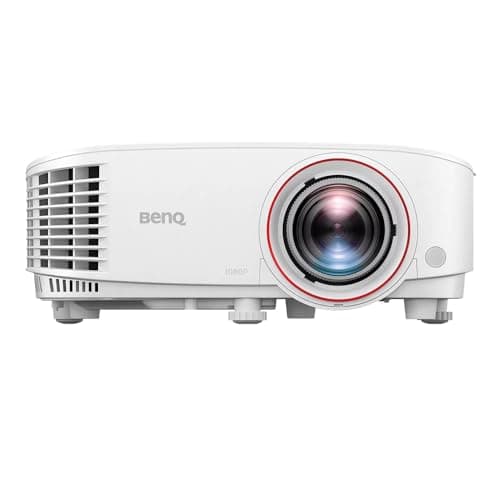
BenQ vs ViewSonic
$949 vs $1350
BenQ vs Optoma
$949 vs $970
Optoma vs ViewSonic
$999 vs $1350
Optoma vs Optoma
$970 vs $999
HAPPRUN vs BenQ
$380 vs $949
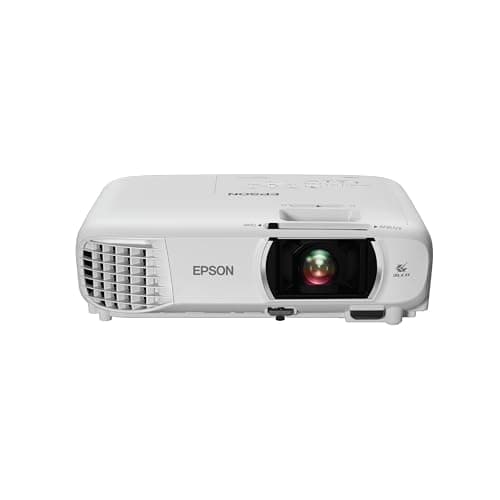
Epson vs Optoma
$830 vs $999
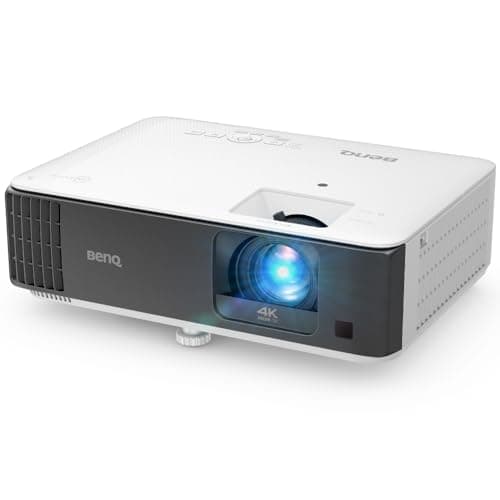
BenQ vs Optoma
$1399 vs $999
BenQ vs Epson
$949 vs $830
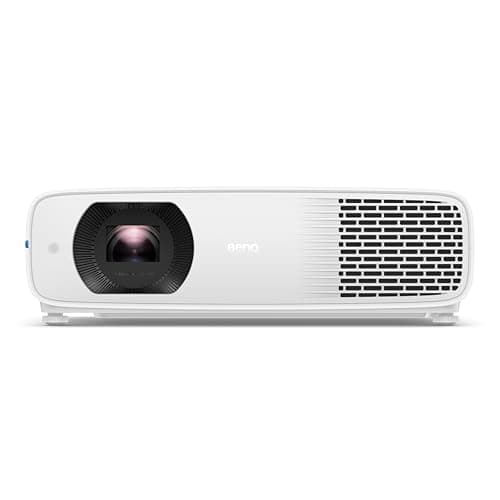
BenQ vs Optoma
$1599 vs $999
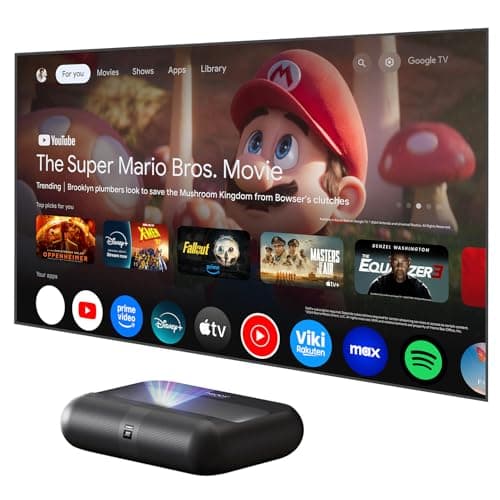
BenQ vs Yaber PROJECTOR
$949 vs $727
BenQ vs Optoma
$949 vs $899
Optoma vs Yaber PROJECTOR
$999 vs $727
Optoma vs Optoma
$999 vs $899
Explore Other Categories
Popular comparisons across the site



Ask AI
Get instant answers about specs
Get the Deets
Ask our AI assistant
Ask Deets anything!