Our Verdict
Optoma GT1080HDRx Wins
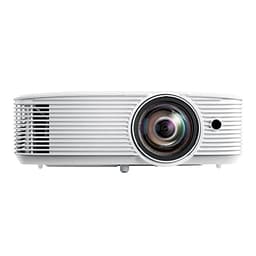
It boasts a higher 3,800 lumens brightness and an exceptional 8.4ms input lag, making it superior for gaming and well-lit environments, despite its higher $970 price. Both offer 1080p native resolution. The Epson Home Cinema 1100 is a better pick for those prioritizing accurate color reproduction from its 3LCD technology and integrated wireless streaming at a more budget-friendly $829.99.
Bottom Line: Optoma GT1080HDRx is the better choice. It boasts a higher 3,800 lumens brightness and an exceptional 8.
In-Depth Analysis
How they compare in practice
The Epson Home Cinema 1100 and Optoma GT1080HDRx both offer 1080p native resolution, but their approaches to home entertainment diverge significantly in performance and intended use. The Epson utilizes 3LCD technology, renowned for delivering consistent color brightness and eliminating the 'rainbow effect' sometimes visible with single-chip DLP projectors. This makes the Epson an excellent choice for movie watchers and casual viewers who prioritize natural, accurate color reproduction and a comfortable viewing experience over raw brightness or ultimate contrast.
Conversely, the Optoma GT1080HDRx, a DLP projector, excels in brightness with 3,800 ANSI lumens compared to Epson's 3,400 lumens, allowing it to perform better in rooms with higher ambient light. Where the Optoma truly shines is in its gaming prowess and contrast. It features an incredibly low 8.4ms input lag for 1080p 120Hz gameplay, a critical specification for competitive gamers seeking an ultra-responsive experience. Its 50000:1 contrast ratio dramatically surpasses Epson's 16000:1, yielding much deeper blacks and more impactful visuals, especially when combined with HDR support for 4K UHD input.
In real-world use, the Epson offers convenient wireless streaming via Apple AirPlay and Miracast, making content sharing effortless for family gatherings or casual viewing. The Optoma, however, offers a short-throw lens, a significant advantage for those with limited space, allowing a large image to be projected from just a few feet away. The trade-offs are clear: Epson offers balanced colors, wireless convenience, and a lower price point for general home cinema. Optoma provides superior brightness, class-leading gaming performance, exceptional contrast with HDR, and flexible short-throw placement, justifying its higher price for specific, demanding users, though its lamp life (15,000 hours) ensures long-term usage before lamp replacement. The choice hinges on whether color accuracy and wireless features or gaming responsiveness and raw visual impact are the higher priority.
Key Differences
The most significant spec differences at a glance
Brightness Ansi Lumens
11% lessAdvantages
Where each product wins

Optoma
- Brightness Ansi Lumens: 11% higher (3400 vs 3800)
Which to Pick for Your Situation
Concrete scenarios with a clear recommendation
For serious, competitive gamers
OptomaThe Optoma GT1080HDRx offers an extremely low 8.4ms input lag at 120Hz, which is crucial for responsive gaming performance.
For a multi-purpose living room with ambient light
OptomaThe Optoma's 3,800 lumens brightness performs better in brighter environments than the Epson's 3,400 lumens.
For movie enthusiasts prioritizing color accuracy
EpsonEpson's 3LCD technology provides superior color brightness and accuracy, free from the 'rainbow effect' sometimes seen on DLP projectors.
For small apartments or limited throw distance
OptomaThe Optoma GT1080HDRx features a short-throw lens, allowing for a large image from just a few feet away.
Who Should Buy Which?
Find the right product for your needs

Buy Epson if...
Epson Home Cinema 1100
The Epson Home Cinema 1100 is ideal for families or individuals seeking a versatile home entertainment projector that prioritizes vibrant, accurate colors and straightforward setup. This buyer enjoys movies, TV shows, and casual gaming, valuing a picture that feels natural and immersive without needing to chase the absolute lowest input lag. With 3,400 lumens of brightness, it performs admirably in living rooms with some ambient light, making it suitable for daytime viewing or rooms not perfectly light-controlled. Its 3LCD technology ensures consistent color brightness and eliminates the 'rainbow effect' often associated with single-chip DLP projectors, providing a comfortable viewing experience for all. The inclusion of wireless streaming via Apple AirPlay and Miracast is a significant convenience, allowing effortless content sharing from various devices, perfect for impromptu movie nights or sharing photos. They appreciate the 16000:1 contrast ratio for good depth and are content with 1080p native resolution, focusing on overall picture quality and ease of use rather than cutting-edge gaming performance or 4K native support. For $829.99, it offers excellent value for a comprehensive home cinema experience, accepting that it may not match the Optoma's ultra-low input lag or extreme contrast ratios, which are not their primary concerns.

Buy Optoma if...
Optoma GT1080HDRx Short Throw
The Optoma GT1080HDRx is engineered for the serious gamer and home theater enthusiast who demands peak performance and responsiveness. This buyer values every millisecond in competitive gaming and seeks a projector that can keep up with fast-paced action, making its 8.4ms input lag at 120Hz 1080p gameplay an absolute priority. They want to experience movies and games with stunning contrast and dynamic range, leveraging its HDR support with 4K UHD input and an impressive 50000:1 contrast ratio for deep blacks and vibrant highlights. The GT1080HDRx's short-throw lens is a game-changer for those with limited space, enabling a large image from just a few feet away, perfect for smaller gaming rooms or living areas where projector placement is restricted. With 3,800 lumens, it cuts through ambient light effectively, ensuring a bright, clear picture even in less-than-ideal lighting conditions. Priced at $970, this projector represents an investment in a specialized, high-performance experience. While its 1080p native resolution is a trade-off for true 4K, its exceptional gaming features, brightness, and contrast make it the go-to choice for those who prioritize immersive and responsive entertainment over native 4K pixel count or 3LCD color accuracy.
Spec Comparison
8 specs compared
| Specification |  |  |
|---|---|---|
| Price | $830 | $970 |
| Rating | 4.5(443) | 4.2(862) |
| Brightness Ansi Lumens | 3400 | 3800 |
| Native Resolution | 1080p | 1080p |
| Gaming Input Lag Ms | — | 8.4 |
| Hdmi Ports | 2 | 2 |
| Contrast Ratio | 16000:1 | 50000:1 |
| Hdr Support | — | Yes |
| Light Source | — | Bulb (lamp) |
| Lamp Life Hours | — | 15000 hrs |
Swipe horizontally to see all columns
Pros & Cons
Quick overview of strengths and weaknesses
Epson Home Cinema
- Native 1080p resolution provides sharp images.
- 3400 lumens brightness performs in varied lighting.
- 3LCD tech prevents rainbow effect; accurate color.
- 16000:1 contrast ratio delivers deep blacks.
- Lacks native 4K resolution support.
- Built-in speaker offers limited audio performance.
- No specific information on lens shift or zoom.
Optoma GT1080HDRx Short
- Low input lag 8.4ms for 120Hz gaming
- Short throw projects large image from 4ft
- 3800 lumens for bright images
- 15,000 hours lamp life
- Lamp light source requires eventual replacement
- Native resolution is 1080p, not 4K
- Only two HDMI ports
Frequently Asked Questions
Common questions about this comparison
Which projector is better for gaming?
The Optoma GT1080HDRx is significantly better for gaming due to its ultra-low 8.4ms input lag at 1080p 120Hz, ensuring highly responsive gameplay. The Epson does not specify its input lag but isn't marketed for competitive gaming.
Do either of these projectors support 4K resolution?
Both projectors have a native resolution of 1080p. However, the Optoma GT1080HDRx supports 4K UHD input, meaning it can accept 4K signals and downscale them to 1080p, offering HDR benefits.
Which projector offers better contrast for deeper blacks?
The Optoma GT1080HDRx boasts a superior 50000:1 contrast ratio, which provides much deeper blacks and more dynamic images compared to the Epson's 16000:1 contrast.
What is the benefit of Epson's 3LCD technology?
Epson's 3LCD technology ensures equal white and color brightness, leading to more accurate and vibrant colors without the 'rainbow effect' that can sometimes occur with single-chip DLP projectors.
How do their brightness levels compare?
The Optoma GT1080HDRx is brighter with 3,800 ANSI lumens, making it more suitable for rooms with more ambient light. The Epson Home Cinema 1100 offers 3,400 lumens, which is still very bright for most home environments.
What is the expected lamp life?
The Optoma GT1080HDRx specifies an impressive lamp life of up to 15,000 hours in Eco mode. The Epson Home Cinema 1100's lamp life is not specified, but typically lamps last 4,000-10,000 hours.
Related Comparisons
Similar products people compare
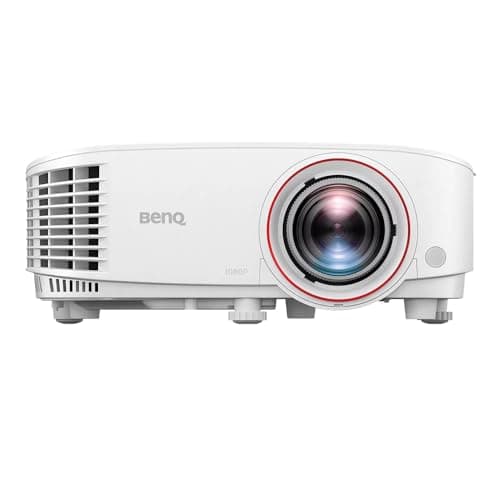
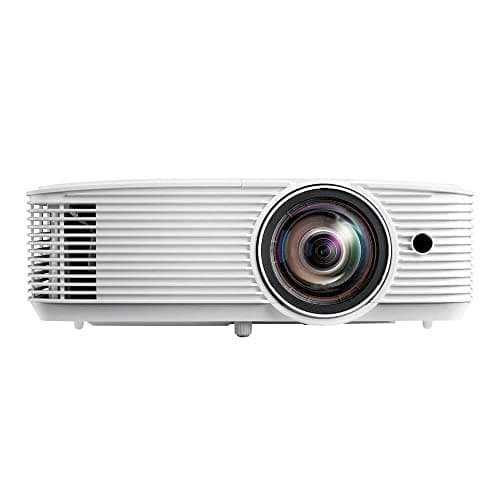
BenQ vs Optoma
$949 vs $970
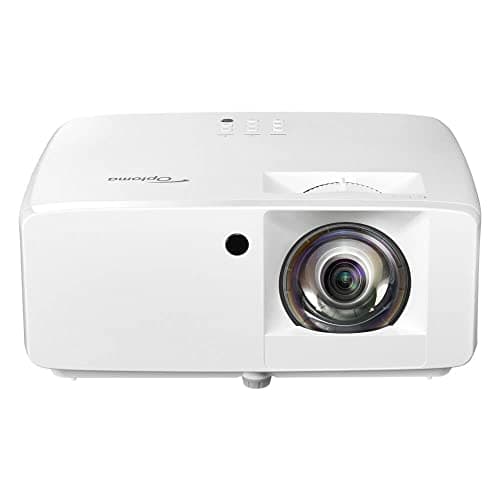
Optoma vs Optoma
$970 vs $999
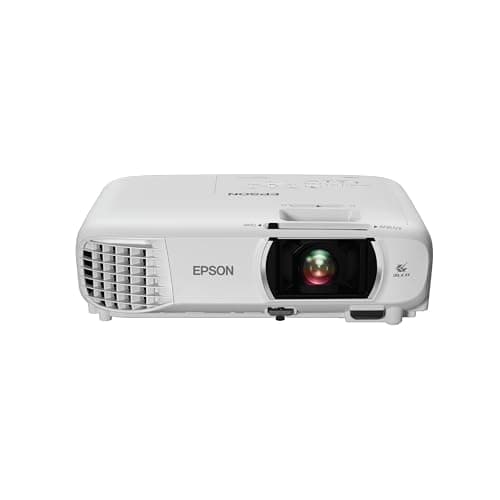
Epson vs Optoma
$830 vs $999
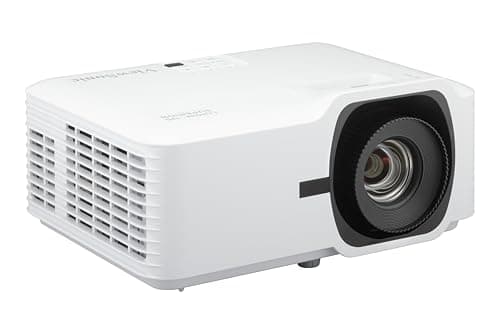
Optoma vs ViewSonic
$970 vs $1350
Epson vs VOPLLS
$830 vs $600
Epson vs Optoma
$830 vs $899
BenQ vs Epson
$949 vs $830
HAPPRUN vs Epson
$380 vs $830
Optoma vs Yaber PROJECTOR
$970 vs $727
Epson vs Yaber PROJECTOR
$830 vs $727
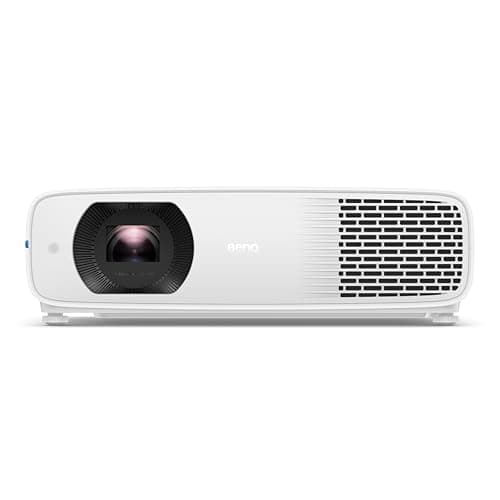
BenQ vs Optoma
$1599 vs $970
BenQ vs Epson
$1599 vs $830
Explore Other Categories
Popular comparisons across the site




Ask AI
Get instant answers about specs
Get the Deets
Ask our AI assistant
Ask Deets anything!