Our Verdict
Epson Home Cinema 1100 Wins
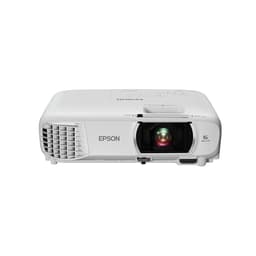
It offers a strong 16000:1 contrast ratio and excellent color accuracy via 3LCD technology at a significantly lower price point ($829.99 vs $974.0). Its 3400 lumens brightness is nearly identical to Optoma's 3500 lumens, providing robust performance in varied lighting for less cost. The Optoma GT2000HDR is the better pick for those needing a short-throw projector for smaller spaces and who value the instant on/off and longevity of a laser light source, along with HDR support, despite its higher price.
Bottom Line: Epson Home Cinema 1100 is the better choice. It offers a strong 16000:1 contrast ratio and excellent color accuracy via 3LCD technology at a significantly lower price point ($829.
In-Depth Analysis
How they compare in practice
Both the Epson Home Cinema 1100 and Optoma GT2000HDR deliver sharp native 1080p resolution, ensuring crisp Full HD visuals. Their brightness levels are remarkably similar, with the Epson at 3400 lumens and the Optoma slightly brighter at 3500 lumens. This minor difference in ANSI lumens means both projectors are highly capable of producing vibrant, visible images even in rooms with some ambient light, making them versatile for various home viewing environments, from dedicated media rooms to living spaces.
A significant technological divergence lies in their light sources and display technologies. The Epson 1100 utilizes a traditional lamp with 3LCD technology, which is lauded for producing accurate, vibrant colors and completely eliminating the 'rainbow effect' sometimes visible to sensitive viewers on single-chip DLP projectors. Its 16000:1 contrast ratio promises deep blacks and strong image depth. Conversely, the Optoma GT2000HDR employs a laser light source, offering considerable advantages like instant on/off functionality and an exceptionally long operational lifespan (often 20,000+ hours), virtually eliminating lamp replacement concerns. While a specific contrast ratio isn't listed, its HDR compatibility significantly enhances dynamic range, delivering more vibrant colors and nuanced shadow detail.
Installation and placement present another key difference. The Optoma GT2000HDR features a short-throw lens, enabling it to project a very large image from a minimal distance to the screen. This is a game-changer for smaller rooms, apartments, or situations where ceiling mounting or long-distance placement is impractical. The Epson 1100 is a standard-throw projector, requiring more distance for larger screen sizes, though it compensates with wireless streaming capabilities via Apple AirPlay and Miracast for added content delivery convenience. However, the Optoma's external power supply can add a bit of cable clutter, whereas the Epson's integrated design is sleeker.
From a value perspective, the Epson Home Cinema 1100, at $829.99, offers exceptional image quality, high contrast, and 3LCD color accuracy at a more accessible price. The Optoma GT2000HDR, priced at $974.0, justifies its premium with its advanced laser technology, HDR support, and the crucial flexibility of its short-throw lens. The choice ultimately hinges on whether the buyer prioritizes the long-term, low-maintenance benefits and spatial adaptability of a laser short-throw projector with HDR, or a more budget-friendly, high-contrast, color-accurate lamp-based projector with wireless streaming.
Key Differences
The most significant spec differences at a glance
Brightness Ansi Lumens
3% lessAdvantages
Where each product wins

Optoma
- Brightness Ansi Lumens: 3% higher (3400 vs 3500)
Which to Pick for Your Situation
Concrete scenarios with a clear recommendation
For a small apartment or bedroom
OptomaThe Optoma GT2000HDR's short-throw lens allows it to project a large image from a very close distance to the wall, optimizing space.
For dedicated home theater image quality
EpsonThe Epson Home Cinema 1100's 16000:1 contrast ratio and 3LCD technology deliver deep blacks and accurate, vibrant colors.
For low maintenance and long-term use
OptomaThe Optoma GT2000HDR features a laser light source offering instant on/off and a significantly longer lifespan, reducing maintenance.
For a tight budget seeking great value
EpsonAt $829.99, the Epson Home Cinema 1100 provides comparable brightness and excellent picture quality at a lower cost.
Who Should Buy Which?
Find the right product for your needs

Buy Epson if...
Epson Home Cinema 1100
The ideal buyer for the Epson Home Cinema 1100 is someone seeking an excellent balance of image quality and value for a dedicated home theater or media room setup. They prioritize vibrant, color-accurate images without the "rainbow effect" often associated with some DLP projectors, which the Epson's 3LCD technology inherently avoids. With a strong 16000:1 contrast ratio and 3400 lumens of brightness, this projector is perfect for environments where some ambient light might be present but truly shines in darker, controlled viewing spaces, delivering deep blacks and vivid colors. This buyer appreciates native 1080p resolution for crisp, detailed Full HD content and values the convenience of built-in wireless streaming via AirPlay and Miracast for easy content sharing from their devices. Their budget is around $800-$900, and they're comfortable with a lamp-based light source, understanding it offers a fantastic viewing experience for its price. They might not require a short-throw lens or the instant on/off of a laser light source, focusing more on overall picture fidelity, a higher contrast ratio, and versatile connectivity for less investment. They understand that while it doesn't offer 4K or laser longevity, its performance for its price is unmatched for traditional home cinema setups.

Buy Optoma if...
Optoma GT2000HDR Ultra-Compact Short
The Optoma GT2000HDR is perfectly suited for a buyer who values cutting-edge light source technology, installation flexibility in smaller spaces, and enhanced dynamic range in their projected content, especially for gaming and movies. This individual likely lives in an apartment, a small living room, or a bedroom where projecting a large image from a short distance is crucial, making the short-throw lens a non-negotiable feature. They appreciate the longevity and maintenance-free nature of a laser light source, which offers instant on/off capabilities and consistent brightness of 3500 lumens over thousands of hours, eliminating concerns about lamp replacements and saving on long-term running costs. HDR compatibility is a significant draw for this buyer, as they seek more vibrant colors and deeper contrast in their 1080p content, particularly for movies and games that support HDR. While they accept the slightly higher price point of $974.0 and the inconvenience of an external power supply, they prioritize the modern conveniences of laser technology, HDR visuals, and the unique spatial advantages of a short-throw projector for their dynamic lifestyle. They are willing to forgo the higher explicit contrast ratio of the Epson and its 3LCD color accuracy for these specific, practical benefits and advanced features.
Spec Comparison
6 specs compared
| Specification |  | 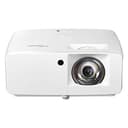 |
|---|---|---|
| Price | $830 | $999 |
| Rating | 4.5(443) | 4.1(165) |
| Brightness Ansi Lumens | 3400 | 3500 |
| Native Resolution | 1080p | 1080p |
| Hdmi Ports | 2 | — |
| Contrast Ratio | 16000:1 | — |
| Hdr Support | — | Yes |
| Light Source | — | Laser |
Swipe horizontally to see all columns
Pros & Cons
Quick overview of strengths and weaknesses
Epson Home Cinema
- Native 1080p resolution provides sharp images.
- 3400 lumens brightness performs in varied lighting.
- 3LCD tech prevents rainbow effect; accurate color.
- 16000:1 contrast ratio delivers deep blacks.
- Lacks native 4K resolution support.
- Built-in speaker offers limited audio performance.
- No specific information on lens shift or zoom.
Optoma GT2000HDR Ultra-Compact
- 3500 lumens delivers bright images in various lighting.
- Laser light source provides long life, instant on/off.
- Full HD 1080p resolution ensures crisp visual detail.
- HDR compatibility enhances contrast and color depth.
- External power supply adds extra bulk and cable mess.
- Fixed short throw may limit adaptable projector setup.
- 1080p resolution is not the latest 4K visual standard.
Frequently Asked Questions
Common questions about this comparison
What is the main difference in light source technology between these two projectors?
The Epson 1100 uses a traditional lamp, requiring eventual replacement. The Optoma GT2000HDR features a laser light source, providing longer lifespan (20,000+ hours), instant on/off, and consistent brightness over time.
Which projector is better for a room with some ambient light?
Both perform well. The Optoma GT2000HDR has 3500 lumens and the Epson Home Cinema 1100 has 3400 lumens. This minor difference means both can handle some ambient light effectively, projecting bright images.
Does either projector support 4K content?
No, both projectors have a native 1080p resolution. While they can likely accept 4K input and downscale it, neither projects true native 4K resolution.
Which projector offers better contrast?
The Epson Home Cinema 1100 explicitly states a 16000:1 contrast ratio, ensuring deep blacks. The Optoma GT2000HDR has HDR support, enhancing dynamic range, but a specific static contrast ratio isn't listed.
Is wireless streaming available on both models?
Only the Epson Home Cinema 1100 explicitly lists wireless streaming via Apple AirPlay and Miracast as a feature, allowing for easy content sharing from compatible devices.
What does the 'short throw' feature on the Optoma mean?
Short throw means the Optoma GT2000HDR can project a large image from a very close distance to the screen or wall, making it ideal for smaller rooms or situations where space is limited.
Related Comparisons
Similar products people compare
Epson vs Optoma
$830 vs $970
Optoma vs ViewSonic
$999 vs $1350
Optoma vs Optoma
$970 vs $999
BenQ vs Optoma
$1399 vs $999
Epson vs VOPLLS
$830 vs $600
Epson vs Optoma
$830 vs $899
BenQ vs Optoma
$949 vs $999
BenQ vs Epson
$949 vs $830
BenQ vs Optoma
$1599 vs $999
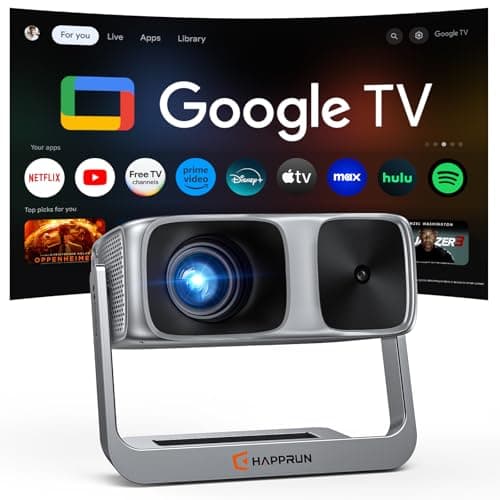
HAPPRUN vs Epson
$380 vs $830
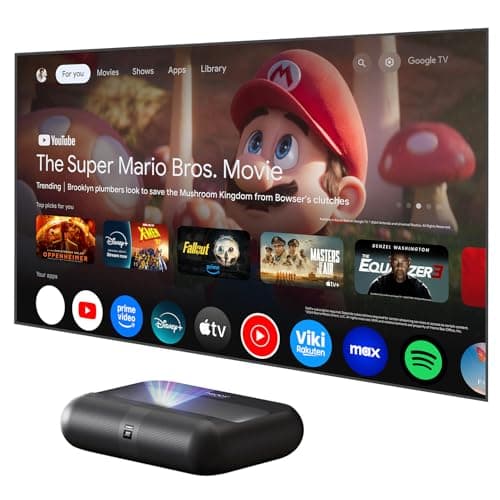
Epson vs Yaber PROJECTOR
$830 vs $727
Optoma vs Yaber PROJECTOR
$999 vs $727
BenQ vs Epson
$1599 vs $830
Optoma vs Optoma
$999 vs $899
Explore Other Categories
Popular comparisons across the site


Ask AI
Get instant answers about specs
Get the Deets
Ask our AI assistant
Ask Deets anything!