Our Verdict
Epson Home Cinema 1100 Wins
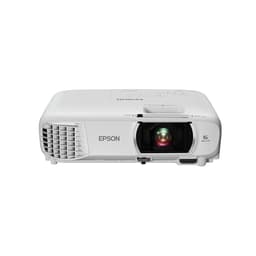
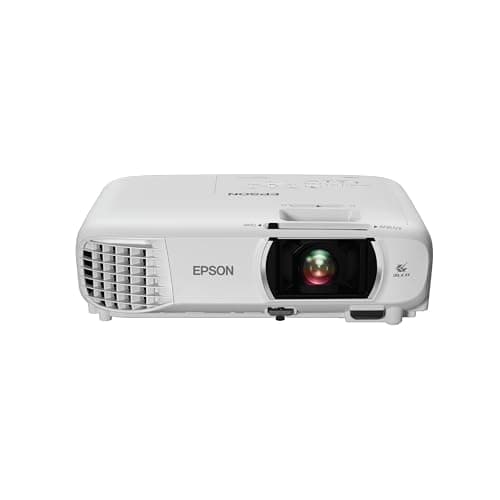
Priced at $829.99, it delivers a superior visual experience for dedicated setups with its powerful 3400 lumens brightness and excellent 16000:1 contrast ratio, ensuring sharp and vibrant 1080p images in various lighting conditions. While both offer 1080p native resolution, the Epson clearly outshines in raw projection power. The Optoma ML1080UST is the better pick for users prioritizing portability, space-saving ultra-short throw capabilities, and integrated smart streaming with its built-in Google TV and battery, despite its higher $899.0 price and likely lower brightness output.
Bottom Line: Epson Home Cinema 1100 is the better choice. Priced at $829.
In-Depth Analysis
How they compare in practice
Comparing the Epson Home Cinema 1100 and the Optoma ML1080UST reveals two distinct philosophies in projector design, each catering to different user needs. The Epson, at $829.99, positions itself as a robust option for traditional home theater or media room setups, boasting a formidable 3400 ANSI lumens brightness and a 16000:1 contrast ratio. This combination means it excels in delivering bright, crisp 1080p images even in rooms with some ambient light, making it highly versatile for watching sports, movies, or gaming. Its 3LCD technology also ensures accurate color reproduction without the 'rainbow effect' sometimes associated with single-chip DLP projectors.
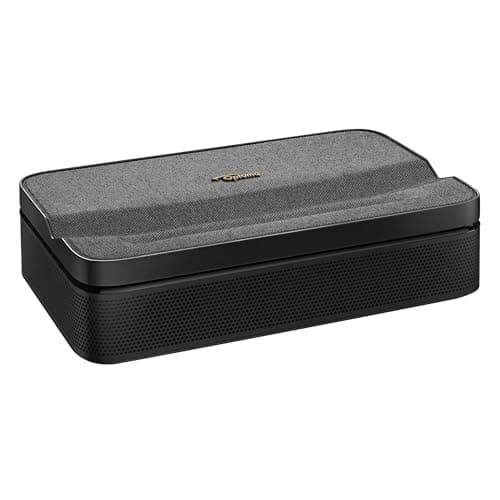
In contrast, the Optoma ML1080UST, priced at $899.0, prioritizes extreme portability and convenience. While its specific ANSI lumens brightness isn't provided, its ultra-short throw capability, triple laser (RGB) light source, and integrated battery suggest a design focused on vibrant color and flexibility in smaller, darker environments, rather than sheer brightness. The laser light source also translates to a longer lifespan and virtually no maintenance compared to Epson's lamp-based system. The most significant real-world difference is the throw distance: the Optoma can project a large image from just inches away from the wall, a godsend for tight spaces or temporary setups, whereas the Epson requires more distance.
Furthermore, the Optoma differentiates itself with integrated Google TV, offering certified access to streaming apps like Netflix and Disney+ directly, along with Wi-Fi and Bluetooth. Epson provides wireless streaming via Apple AirPlay and Miracast but relies more on external streaming devices for app access. For audio, the Optoma includes a 20W speaker, likely offering a more substantial sound than the unspecified built-in speaker of the Epson. The trade-off is clear: the Epson offers more raw projector performance and image quality metrics for a dedicated space, while the Optoma provides unparalleled ease of use, smart features, and portability for dynamic, adaptable viewing scenarios. Buyers must weigh brightness and contrast against ultimate flexibility and integrated intelligence.
Key Differences
The most significant spec differences at a glance
Brightness Ansi Lumens
100% moreAdvantages
Where each product wins

Epson
- Brightness Ansi Lumens: 100% higher (3400 vs 0)
Which to Pick for Your Situation
Concrete scenarios with a clear recommendation
For a dedicated home theater room
EpsonThe Epson Home Cinema 1100's 3400 lumens brightness and 16000:1 contrast ratio provide a superior, cinematic 1080p experience in a controlled lighting environment.
For small apartments or bedrooms
OptomaThe Optoma ML1080UST's ultra-short throw projects a large 100" image from under a foot away, eliminating the need for extensive room and complex setup.
For outdoor movie nights or impromptu viewing
OptomaThe Optoma ML1080UST features a built-in battery for 1.5 hours of runtime and integrated Google TV, offering ultimate portability and streaming without external power or devices.
For budget-conscious buyers prioritizing brightness
EpsonAt $829.99, the Epson Home Cinema 1100 offers significantly higher specified brightness at 3400 lumens compared to the higher-priced Optoma ($899.0) with unspecified lumens.
Who Should Buy Which?
Find the right product for your needs

Buy Epson if...
Epson Home Cinema 1100
The Epson Home Cinema 1100 is the perfect choice for users looking to establish a dedicated home theater or media room where image quality and brightness are paramount. This buyer values a clear, vibrant 1080p picture with excellent contrast for movies, sports, and gaming, and has the space for a traditional projection setup. They prioritize a bright 3400 lumens output and a strong 16000:1 contrast ratio to handle various lighting conditions, even if some ambient light is present. With 2 HDMI ports, they can easily connect multiple external devices like gaming consoles, Blu-ray players, and streaming sticks. While they might give up the extreme portability and integrated smart TV features of the Optoma, they gain superior raw projection performance for a permanent installation at a competitive price of $829.99, ensuring a robust and immersive viewing experience in their chosen space.

Buy Optoma if...
Optoma ML1080UST PHOTON GO
The Optoma ML1080UST PHOTON GO is ideal for individuals or families who prioritize flexibility, portability, and integrated smart features above all else. This buyer lives in a smaller space, perhaps an apartment, or wants a projector they can easily move between rooms, take outdoors, or even travel with. Their needs include projecting a large image in tight spaces, which the ultra-short throw lens perfectly addresses by creating a 100" picture from under a foot away. They appreciate the convenience of the integrated Google TV with certified streaming apps, eliminating the need for external devices. The triple laser light source offers vibrant, accurate colors and eliminates lamp replacement, appealing to those seeking low maintenance. The built-in battery, providing 1.5 hours of runtime, is a significant draw for impromptu viewing parties or outdoor movie nights. While they accept a higher $899.0 price and potentially lower peak brightness than a traditional projector, they gain unparalleled versatility and a truly 'grab-and-go' entertainment solution.
Spec Comparison
7 specs compared
| Specification |  |  |
|---|---|---|
| Price | $830 | $899 |
| Rating | 4.5(443) | 4.0(32) |
| Brightness Ansi Lumens | 3400 | 0 |
| Native Resolution | 1080p | 1080p |
| Hdmi Ports | 2 | — |
| Contrast Ratio | 16000:1 | — |
| Hdr Support | — | Yes |
| Light Source | — | Laser |
| Speaker Watts | — | 20W |
Swipe horizontally to see all columns
Pros & Cons
Quick overview of strengths and weaknesses
Epson Home Cinema
- Native 1080p resolution provides sharp images.
- 3400 lumens brightness performs in varied lighting.
- 3LCD tech prevents rainbow effect; accurate color.
- 16000:1 contrast ratio delivers deep blacks.
- Lacks native 4K resolution support.
- Built-in speaker offers limited audio performance.
- No specific information on lens shift or zoom.
Optoma ML1080UST PHOTON
- Ultra-short throw projects 100" from under a foot.
- Integrated Google TV for certified streaming apps.
- Triple RGB laser for accurate 1080p color.
- Laser light source eliminates lamp replacements.
- Battery life limited to 1.5 hours.
- Requires perfectly flat projection surface.
Frequently Asked Questions
Common questions about this comparison
Which projector is brighter?
The Epson Home Cinema 1100 boasts 3400 ANSI lumens of brightness. The Optoma ML1080UST does not specify its ANSI lumens, but its laser light source typically prioritizes color vibrancy over raw brightness, often performing best in darker environments.
Do these projectors support 4K content?
Both projectors have a native resolution of 1080p. Neither offers native 4K resolution support, though they can often accept 4K input and downscale it to 1080p for display.
What are the streaming options?
The Epson supports wireless streaming via Apple AirPlay and Miracast. The Optoma features integrated Google TV with certified apps like Netflix and Disney+, plus Wi-Fi and Bluetooth.
Can I use either projector without plugging it in?
Only the Optoma ML1080UST includes a built-in battery, offering approximately 1.5 hours of runtime for portable use. The Epson Home Cinema 1100 requires continuous power via an outlet.
How do their contrast ratios compare?
The Epson Home Cinema 1100 has a specified contrast ratio of 16000:1, delivering deep blacks and sharp detail. The Optoma ML1080UST does not explicitly state its contrast ratio.
Related Comparisons
Similar products people compare
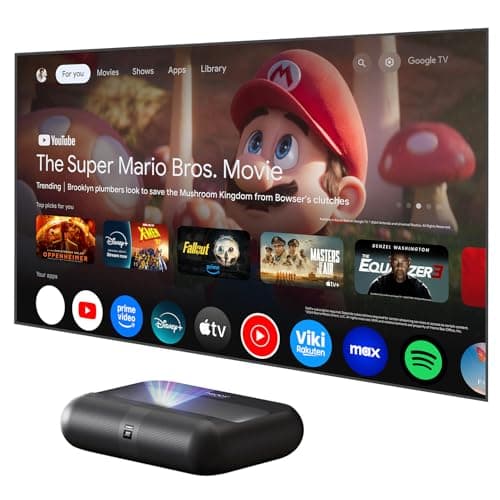
Optoma vs Yaber PROJECTOR
$899 vs $727
Epson vs Optoma
$830 vs $970
Epson vs Optoma
$830 vs $999
Epson vs VOPLLS
$830 vs $600
BenQ vs Epson
$949 vs $830
HAPPRUN vs Epson
$380 vs $830
HAPPRUN vs Optoma
$380 vs $899
BenQ vs Optoma
$949 vs $899
Epson vs Yaber PROJECTOR
$830 vs $727
Optoma vs VOPLLS
$899 vs $600
BenQ vs Epson
$1599 vs $830
Optoma vs Optoma
$999 vs $899
Explore Other Categories
Popular comparisons across the site


Ask AI
Get instant answers about specs
Get the Deets
Ask our AI assistant
Ask Deets anything!