Our Verdict
ZealSound Gaming Microphone Wins
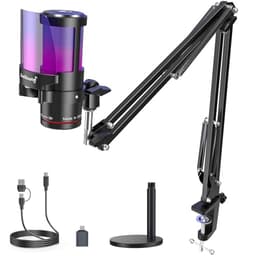
At $32.99, it offers superior audio fidelity with a 192kHz/24-bit sample rate and bit depth, significantly outperforming the TONOR's 48kHz. This provides a clearer, more detailed sound profile crucial for professional streaming and recording, all while being slightly more affordable. The TONOR TD510 Air S H+ is the better pick for users who specifically require the flexibility of both USB and XLR connection types, particularly if they already own an audio interface or plan to expand their audio setup in the future.
Bottom Line: ZealSound Gaming Microphone is the better choice. At $32.
In-Depth Analysis
How they compare in practice
The primary distinction between the TONOR TD510 Air S H+ and the ZealSound Gaming Microphone lies in their audio capture capabilities and connectivity options. The ZealSound clearly takes the lead in audio fidelity, boasting an impressive 192kHz sample rate and 24-bit depth. This high-resolution audio translates directly into a more detailed, richer sound for listeners, making voices and sound effects crisper and more accurate. For streamers, podcasters, or content creators where audio quality is paramount, the ZealSound offers a noticeable upgrade over the TONOR's still respectable but lower 48kHz sample rate. In real-world use, this means ZealSound recordings will sound less compressed and closer to the original source, providing a more professional output.Conversely, the TONOR TD510 Air S H+ shines with its dual USB/XLR connection type. While the ZealSound is strictly USB, limiting it to direct computer or mobile device connections, the TONOR provides the flexibility to connect via USB for plug-and-play convenience or via XLR to an audio interface or mixer. This makes the TONOR a more future-proof option for users who might eventually upgrade their audio setup, offering greater compatibility with professional-grade equipment. However, for most casual gamers or entry-level streamers, USB is often sufficient and simpler to manage.Both microphones include essential features like a tap-to-mute button, gain control, 3.5mm headphone jack for zero-latency monitoring, and noise reduction. The TONOR specifies "AI Noise Cancellation," which theoretically could offer a more intelligent and effective reduction of background sounds compared to ZealSound's "Active Noise Reduction." While both aim to achieve similar results, TONOR's AI claim suggests a potentially more sophisticated approach to filtering unwanted ambient noise, which can be critical in busy home environments.In terms of value, the ZealSound slightly undercuts the TONOR at $32.99 compared to $34.99, while delivering superior core audio specifications. Both come with boom arms and RGB lighting, which, as noted, serves no functional utility beyond aesthetics. Ultimately, the choice hinges on whether top-tier audio resolution (ZealSound) or versatile connection options and potentially advanced noise cancellation (TONOR) align better with the user's specific needs and existing or planned setup.
Key Differences
The most significant spec differences at a glance
Sample Rate
75% lessAdvantages
Where each product wins

ZealSound
- Sample Rate: 75% higher (48.0 vs 192.0)
Which to Pick for Your Situation
Concrete scenarios with a clear recommendation
For aspiring podcasters or serious streamers where audio quality is paramount
ZealSoundThe ZealSound offers a 192kHz/24-bit sample rate, providing significantly higher fidelity and detail compared to TONOR's 48kHz, crucial for professional-sounding content.
For users needing flexible connectivity with an existing audio interface or future-proofing
TONORThe TONOR TD510 Air S H+ features dual USB/XLR connection types, allowing for versatile integration into various setups beyond simple USB plug-and-play.
For a gamer looking for the best audio within a strict budget
ZealSoundAt $32.99, the ZealSound provides superior 192kHz/24-bit audio capture for a slightly lower price than the TONOR, offering better value for audio quality.
For a user in a noisy environment needing effective background sound suppression
TONORThe TONOR TD510 Air S H+ features "AI Noise Cancellation," which may offer a more intelligent and effective method of reducing ambient noise compared to standard noise reduction.
Who Should Buy Which?
Find the right product for your needs

Buy TONOR if...
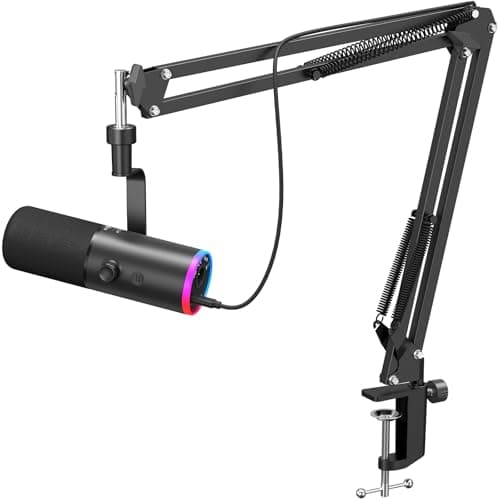
TONOR Dynamic Gaming Microphone,
The ideal buyer for the TONOR TD510 Air S H+ is someone who values connectivity flexibility and potentially sophisticated noise reduction as core elements of their setup. This user might be a budding content creator, a gamer, or a podcaster who currently relies on a simple USB connection for plug-and-play convenience but anticipates expanding their audio ecosystem down the line. The TONOR's standout dual USB/XLR connection type (a crucial spec) provides this valuable adaptability, making it a forward-thinking choice that can integrate seamlessly with a dedicated audio interface or mixer when their ambitions grow beyond basic computer-only setups. Furthermore, this buyer may frequently operate in less-than-ideal acoustic environments, where the "AI Noise Cancellation" feature becomes a significant advantage, ensuring their voice remains clear and prominent over background distractions. They prioritize consistent, clean voice capture in potentially noisy settings and appreciate the security of a versatile microphone. While they might not require the absolute highest audio resolution for detailed music production, the TONOR's robust 48kHz sample rate is more than sufficient for high-quality spoken word. They understand they are paying a slightly higher price point for this unique combination of connectivity and noise suppression, willingly trading the ZealSound's higher bit depth for robust adaptability.

Buy ZealSound if...
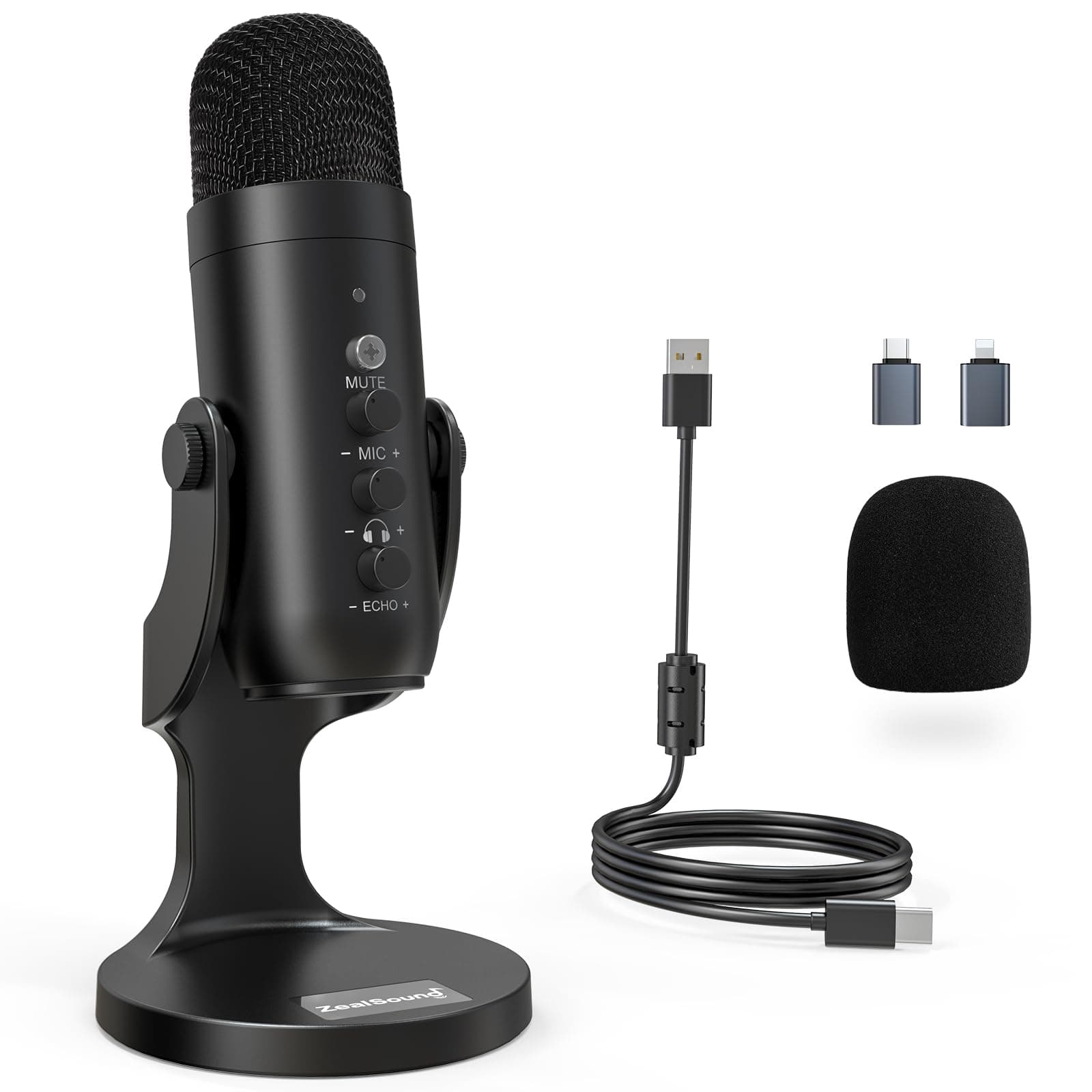
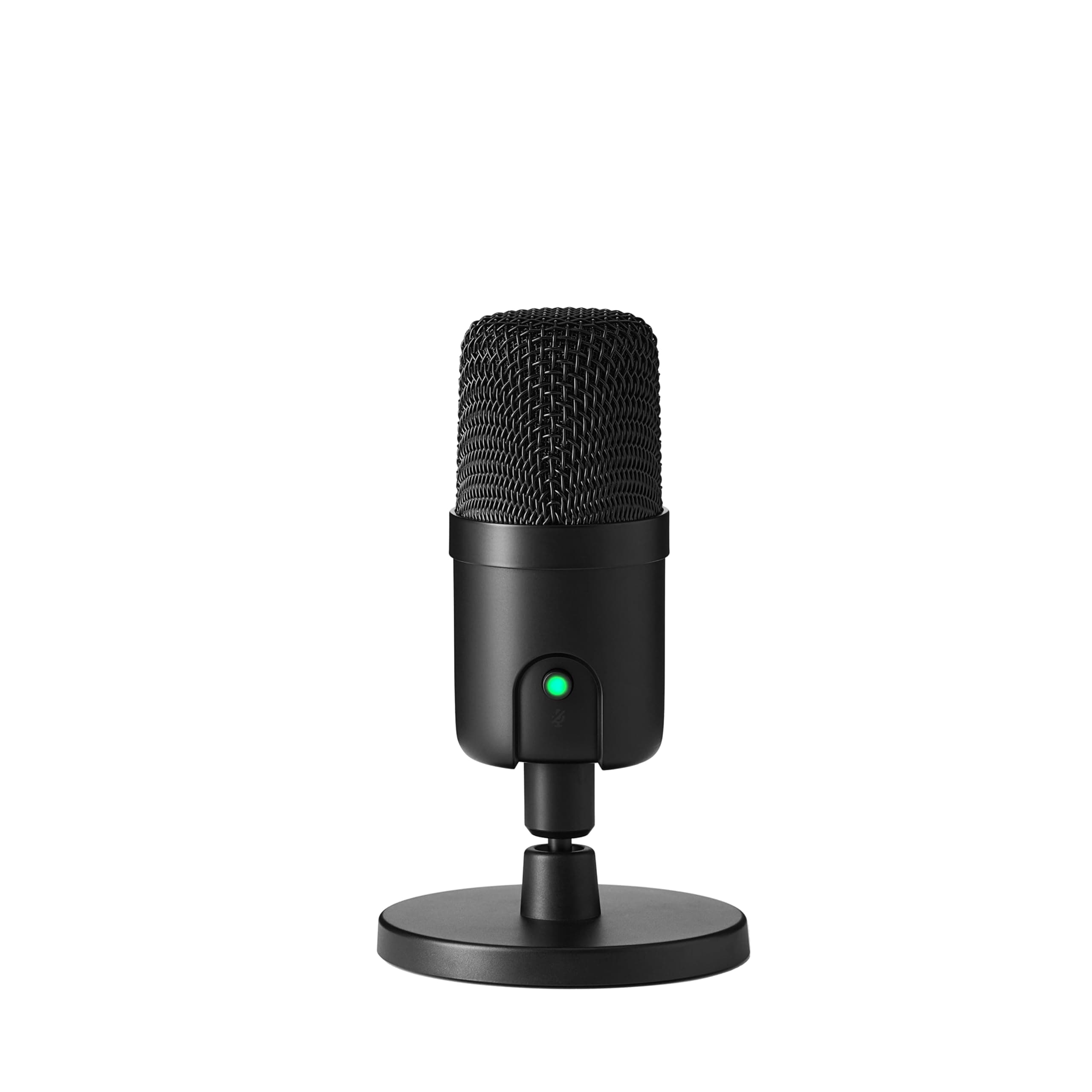
ZealSound Gaming Microphone for
The ideal buyer for the ZealSound Gaming Microphone is the audiophile-conscious streamer, podcaster, or gamer who prioritizes uncompromised sound quality and exceptional value. This individual wants their voice to sound as crisp, clear, and detailed as possible, understanding that higher fidelity directly translates to a more engaging listening experience for their audience. The ZealSound's superior 192kHz sample rate and 24-bit depth (key specs) are precisely what appeals to them, offering a level of audio resolution that surpasses many competitors in its price bracket. They are likely using a PC or Mac and appreciate the straightforward USB connection, as they don't have an existing XLR setup or immediate plans for one. This buyer is budget-conscious, recognizing that at $32.99, the ZealSound delivers professional-grade audio capabilities for an incredibly accessible price point, making it a standout choice for maximizing performance per dollar. They value the included accessories like the boom arm, which makes setup easy, allowing them to focus on content creation. They are willing to forgo the dual connectivity of an XLR option, knowing their current needs are fully met by the high-quality USB connection, and they don't require the TONOR's specific AI noise cancellation, as the active noise reduction is sufficient for their environment.
Spec Comparison
10 specs compared
| Specification | 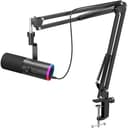 | 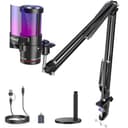 |
|---|---|---|
| Price | $35 | $33 |
| Rating | 4.5(676) | 4.4(1.2k) |
| Sample Rate | 48 kHz | 192 kHz |
| Bit Depth | — | 24 |
| Connection | USB/XLR | USB |
| Polar Pattern | — | Cardioid |
| Zero-Latency | Yes | Yes |
| Mute Button | Yes | Yes |
| Gain Control | Yes | Yes |
| Model Number | TD510 Air S H+ | k66s series |
| Software | None | None |
| Headphone Out | Yes | Yes |
Swipe horizontally to see all columns
Pros & Cons
Quick overview of strengths and weaknesses
TONOR Dynamic Gaming
- AI noise cancellation reduces background sound.
- Dual USB/XLR outputs for flexible connections.
- Zero-latency monitoring via 3.5mm headphone jack.
- Integrated volume control and tap mute button.
- No dedicated software for advanced mic settings.
- RGB lighting provides no functional utility.
ZealSound Gaming Microphone
- Wide device compatibility, no drivers needed
- High-res 192kHz/24-bit audio capture
- Active noise reduction filters ambient sound
- Zero-latency monitoring with volume control
- RGB lighting adds no audio utility
- Limited to cardioid polar pattern
- No dedicated software for advanced settings
Frequently Asked Questions
Common questions about this comparison
What is the main difference in audio quality between the two microphones?
The ZealSound offers a significantly higher 192kHz sample rate and 24-bit depth for superior audio clarity and detail, whereas the TONOR provides a 48kHz sample rate, which is still good but less precise.
Can I connect the TONOR microphone to an audio interface?
Yes, the TONOR TD510 Air S H+ supports both USB and XLR connection types, making it compatible with audio interfaces or mixers via XLR.
Does the ZealSound microphone require any special drivers for PC/Mac?
No, the ZealSound microphone is designed for wide device compatibility and operates without the need for additional drivers.
Do both microphones offer zero-latency monitoring?
Yes, both the TONOR TD510 Air S H+ and the ZealSound Gaming Microphone include a 3.5mm headphone jack for zero-latency monitoring of your audio.
What kind of noise reduction technology do these microphones use?
The TONOR features "AI Noise Cancellation," while the ZealSound uses "Active Noise Reduction" to filter out ambient background sounds.
Is the RGB lighting on these microphones customizable or functional?
Both microphones feature RGB lighting, but it primarily serves an aesthetic purpose and does not provide any functional utility for audio performance or settings control.
Related Comparisons
Similar products people compare
HyperX vs TONOR
$45 vs $35
TONOR vs ZealSound
$35 vs $35
Movo vs TONOR
$40 vs $35
AKG vs TONOR
$40 vs $35
Razer vs TONOR
$40 vs $35
MAONO vs TONOR
$42 vs $35
TONOR vs MAONO
$35 vs $46
TONOR vs TONOR
$35 vs $30
FIFINE vs TONOR
$30 vs $35
FIFINE vs TONOR
$55 vs $35
AKG vs ZealSound
$40 vs $33
GUEVWES vs ZealSound
$23 vs $33
ZealSound vs ZealSound
$33 vs $35
Amazon Basics vs ZealSound
$25 vs $33
Razer vs ZealSound
$40 vs $33
Explore Other Categories
Popular comparisons across the site


Ask AI
Get instant answers about specs
Get the Deets
Ask our AI assistant
Ask Deets anything!