Our Verdict
TONOR TD510 Air S H+ Wins
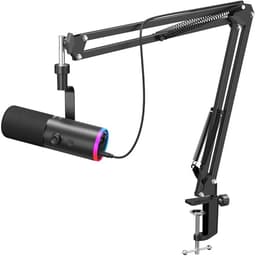
This microphone offers superior real-world utility for its target audience with dual USB/XLR connectivity and essential zero-latency monitoring, all at a more affordable $39.99 price point. Its AI noise cancellation directly addresses common streaming challenges. The MAONO AU-A04 is the better pick for users strictly prioritizing raw audio resolution for recording, boasting a 192kHz/24bit sample rate for slightly more demanding audio production tasks, provided they don't require real-time monitoring.
Bottom Line: TONOR TD510 Air S H+ is the better choice. This microphone offers superior real-world utility for its target audience with dual USB/XLR connectivity and essential zero-latency monitoring, all at a more affordable $39.
In-Depth Analysis
How they compare in practice
The TONOR TD510 Air S H+ and MAONO AU-A04 present distinct value propositions, largely centered around usability versus raw technical specifications. In practical application, the TONOR TD510, priced at $39.99, focuses on enhancing the live streaming and gaming experience. Its integrated zero-latency monitoring via a 3.5mm headphone jack is a game-changer for content creators, allowing them to hear their audio input in real-time, crucial for adjusting levels and preventing echo or clipping during live broadcasts. Furthermore, its AI noise cancellation provides an immediate, tangible benefit by actively reducing ambient sounds, a common nuisance in home setups. The dual USB/XLR connectivity offers exceptional flexibility, catering to plug-and-play simplicity with USB while providing an upgrade path to professional audio interfaces with XLR.Conversely, the MAONO AU-A04, at $45.59, prioritizes recording fidelity with its impressive 192kHz/24bit sample rate. While theoretically superior to the TONOR's 48kHz, this higher resolution often translates to subtle improvements primarily discernible in studio environments or demanding audio post-production, rather than typical live streaming where bandwidth and platform compression might diminish its impact. The MAONO, however, lacks a headphone output for zero-latency monitoring, a significant drawback for anyone needing immediate feedback on their audio, such as singers or live commentators. It compensates by including a boom arm, pop filter, and shock mount, which are valuable additions for sound isolation during recording.In terms of real-world performance, the TONOR s dynamic design and AI noise cancellation make it inherently more forgiving in untreated rooms, actively suppressing keyboard clicks, fan noise, or room reverb. This makes it an excellent choice for a gamer or streamer in a non-dedicated space. The MAONO's cardioid condenser design, while offering a wider frequency response (30Hz-16kHz), might be more susceptible to capturing room acoustics without proper treatment, despite its pattern. The TONOR s physical controls like tap mute and volume knob offer immediate, intuitive adjustments during a live session, which the MAONO, being a more basic plug-and-play unit, lacks.Ultimately, the choice hinges on use case. For live interaction and versatile connectivity, the TONOR provides a more complete and immediately useful package. For high-fidelity static recording where post-processing is expected and real-time monitoring isn't critical, the MAONO s superior bit depth and sample rate offer a higher quality raw audio file at a slightly increased cost and reduced convenience.
Key Differences
The most significant spec differences at a glance
Sample Rate
75% lessAdvantages
Where each product wins

MAONO
- Sample Rate: 75% higher (48.0 vs 192.0)
Which to Pick for Your Situation
Concrete scenarios with a clear recommendation
For Live Streamers and Gamers
TONORThe TONOR TD510 AIR S H+ features zero-latency monitoring via its 3.5mm headphone jack and AI noise cancellation, essential for real-time audio control during live content.
For Budget-Conscious Content Creation
TONORAt $39.99, the TONOR offers dual USB/XLR connectivity and crucial practical features like tap mute and gain control, providing excellent value for essential functionalities.
For High-Fidelity Voiceover or Music Demos
MAONOThe MAONO AU-A04 provides superior audio capture with a 192kHz/24bit sample rate, delivering higher detail for recordings intended for extensive post-production.
For Simple, Quality USB Podcasting
MAONOWith its plug-and-play USB connection, cardioid pattern for focused sound, and included accessories, the MAONO offers a straightforward setup for clean vocal recording.
Who Should Buy Which?
Find the right product for your needs

Buy TONOR if...
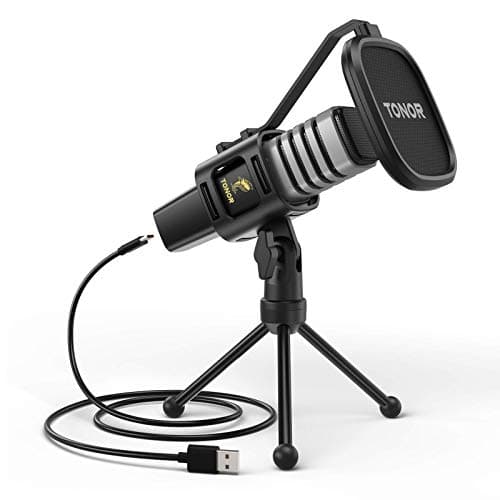
TONOR Dynamic Gaming Microphone,
The TONOR TD510 Air S H+ is the ideal microphone for aspiring and active live streamers, gamers, and podcasters who demand immediate control and clear communication during their broadcasts. This user prioritizes an immersive, interactive experience for their audience and needs tools that enhance real-time performance without breaking the bank. They likely operate from a home office or bedroom where background noise like keyboard clicks, PC fans, or general room ambiance can be a constant challenge. The TONOR s integrated AI noise cancellation directly addresses this, ensuring their voice remains front and center. Crucially, the zero-latency monitoring via its 3.5mm headphone jack allows them to hear themselves in real-time, preventing awkward echo or volume issues mid-stream, a feature often found in more expensive microphones. The dual USB/XLR connection offers unparalleled flexibility, enabling quick plug-and-play with a PC via USB today, while providing an upgrade path to a professional audio interface via XLR as their setup evolves. They are willing to forgo the absolute highest sample rate for practical, live-focused features that directly impact their content quality and ease of use, all at a competitive price of $39.99.

Buy MAONO if...
USB Microphone, MAONO 192KHZ/24Bit
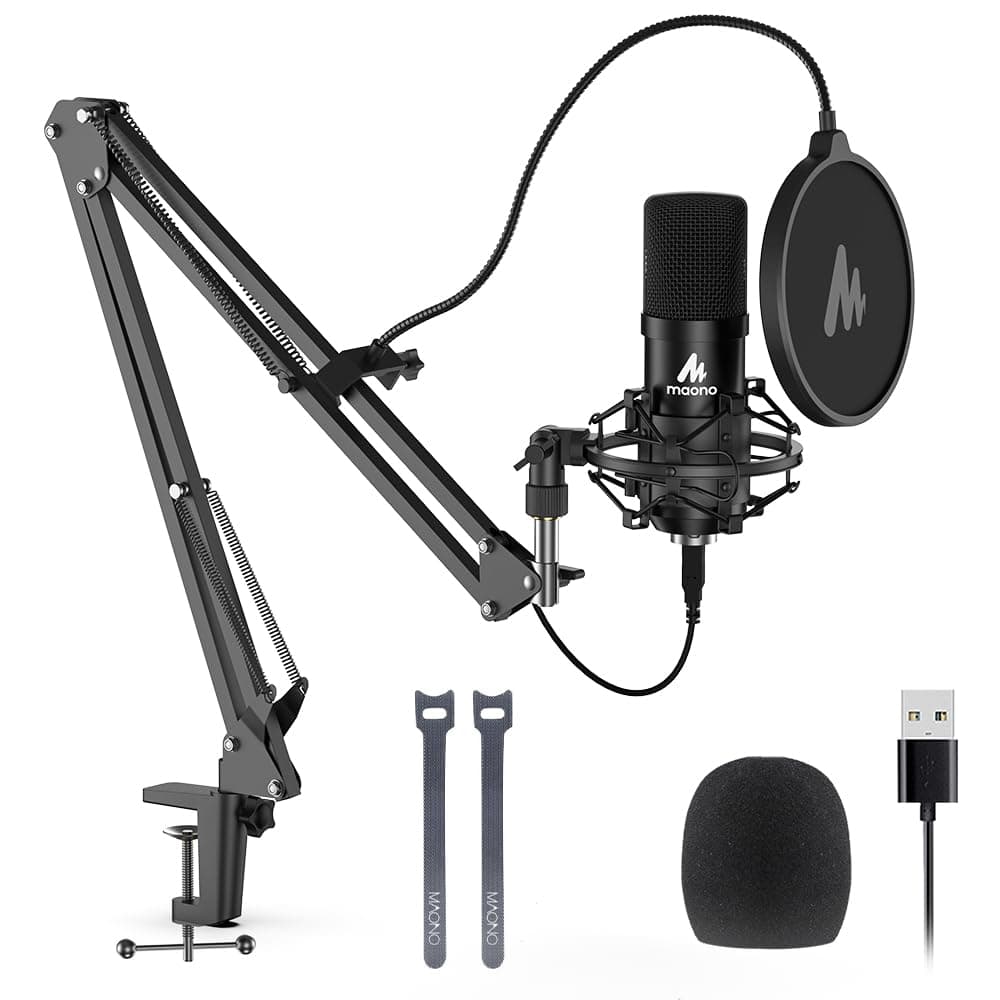
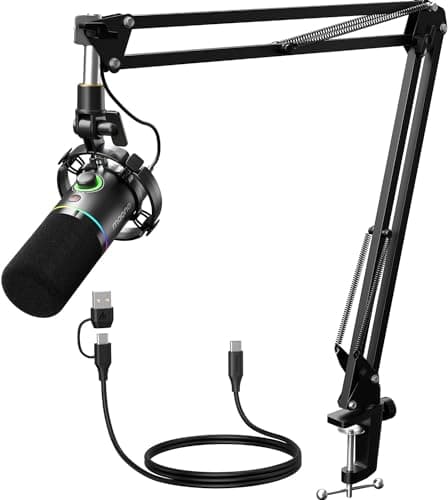
The MAONO AU-A04 caters to the budget-conscious audio enthusiast, aspiring musician, or voiceover artist who places a premium on raw audio fidelity for recorded projects. This user s primary goal is to capture high-quality vocal tracks, instrument recordings, or detailed voiceovers that will undergo significant post-production. They may be recording podcasts where real-time monitoring isn't a strict requirement, or creating music demos where the clarity and depth of the sound file are paramount. The MAONO s standout feature, its 192kHz/24bit sample rate, offers a superior level of detail and dynamic range compared to standard microphones, providing a rich foundation for mixing and mastering. The wide 30Hz-16kHz frequency response ensures a full spectrum of sound is captured, from deep lows to crisp highs. While they value this audio precision, they are content with a simpler, USB-only plug-and-play setup and are prepared to handle audio adjustments in post-production, as the microphone lacks real-time monitoring or integrated physical controls. They appreciate the comprehensive kit, which includes a boom arm, pop filter, and shock mount, offering immediate value for achieving cleaner recordings without additional purchases, even if it means a slightly higher $45.59 price tag and foregoing the versatility of XLR or live control features.
Spec Comparison
12 specs compared
| Specification |  | 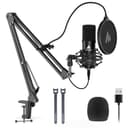 |
|---|---|---|
| Price | $40 | $46 |
| Rating | 4.5(676) | 4.4(15.5k) |
| Sample Rate | 48 kHz | 192 kHz |
| Bit Depth | — | 24 |
| Connection | USB/XLR | USB |
| Polar Pattern | — | Cardioid |
| Zero-Latency | Yes | — |
| Mute Button | Yes | — |
| Gain Control | Yes | — |
| Model Number | TD510 Air S H+ | — |
| Software | None | — |
| Headphone Out | Yes | — |
| Weight | — | 0.77 lbs |
| Freq. Response | — | 30Hz - 16kHz |
Swipe horizontally to see all columns
Pros & Cons
Quick overview of strengths and weaknesses
TONOR Dynamic Gaming
- AI noise cancellation reduces background sound.
- Dual USB/XLR outputs for flexible connections.
- Zero-latency monitoring via 3.5mm headphone jack.
- Integrated volume control and tap mute button.
- No dedicated software for advanced mic settings.
- RGB lighting provides no functional utility.
MAONO USB Microphone,
- High resolution 192kHz/24bit audio capture.
- Cardioid pattern reduces background noise pickup.
- Includes boom arm, pop filter, and shock mount.
- Plug-and-play USB connection, no drivers needed.
- Phone connection requires separate OTG adapter.
- No headphone jack for real-time audio monitoring.
- Limited to a single cardioid polar pattern.
Frequently Asked Questions
Common questions about this comparison
Does the MAONO AU-A04 allow for real-time audio monitoring?
No, the MAONO AU-A04 does not feature a headphone jack for zero-latency monitoring, meaning you cannot hear your audio input in real-time.
What are the connection options for the TONOR TD510 AIR S H+?
The TONOR TD510 AIR S H+ offers flexible dual connectivity with both USB and XLR outputs, allowing for various setup configurations.
Which microphone provides higher audio resolution?
The MAONO AU-A04 captures audio at a higher resolution of 192kHz/24bit, compared to the TONOR TD510 AIR S H+'s 48kHz sample rate.
Is AI noise cancellation effective on the TONOR TD510 AIR S H+?
Yes, its AI noise cancellation actively reduces background sounds, making it highly effective for clearer audio in noisy environments like gaming setups.
Do either of these microphones require special software or drivers?
Both microphones are designed for plug-and-play operation via USB, typically requiring no dedicated drivers or complex software installations.
What accessories are included with the MAONO AU-A04?
The MAONO AU-A04 comes as a kit, including a boom arm, pop filter, and shock mount, providing a comprehensive recording setup.
Related Comparisons
Similar products people compare
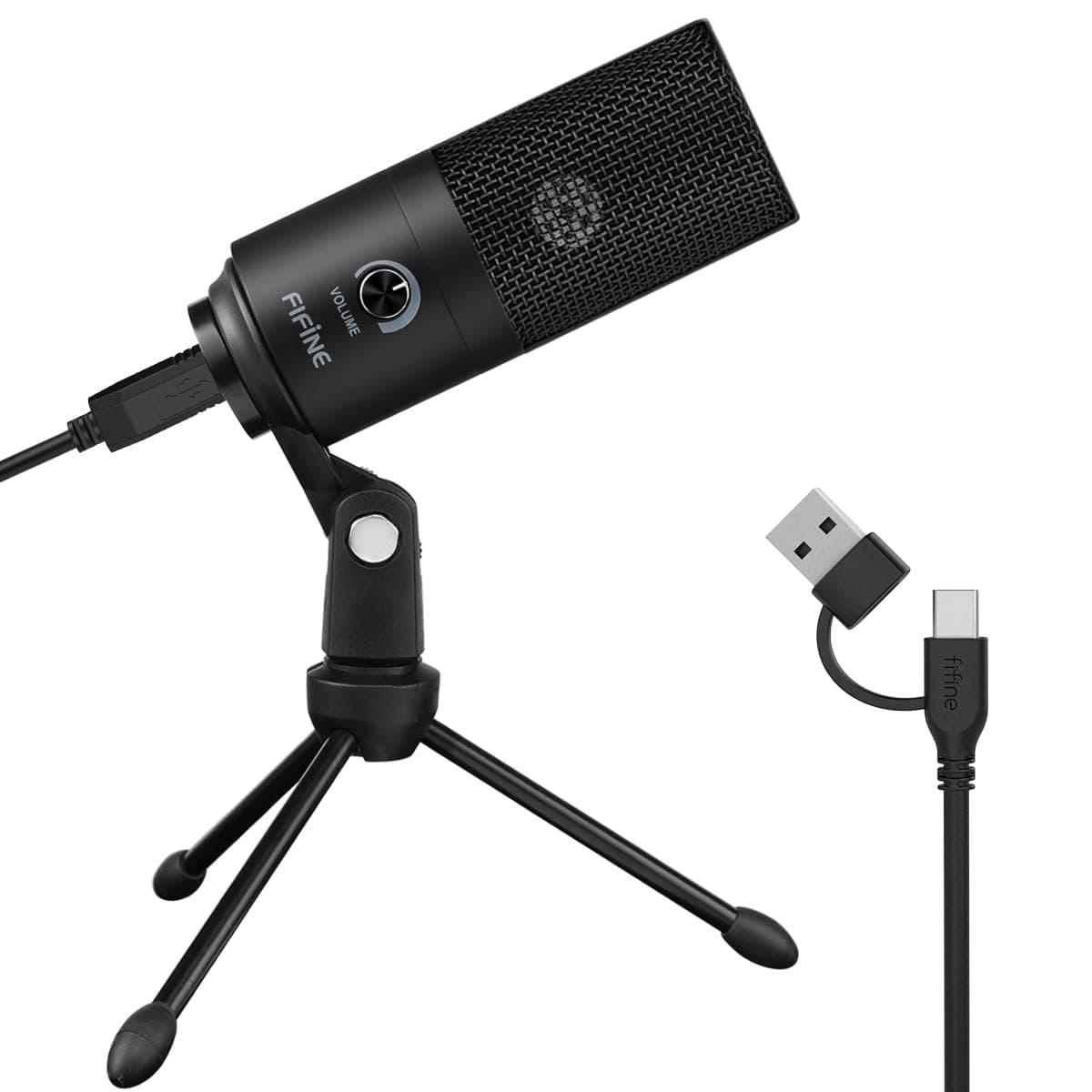
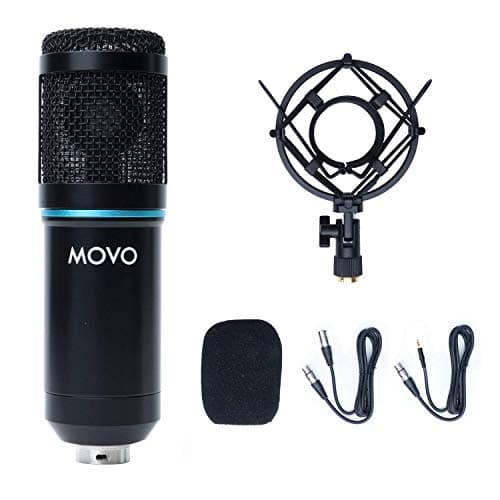
FIFINE vs MAONO
$30 vs $46
Movo vs MAONO
$40 vs $46
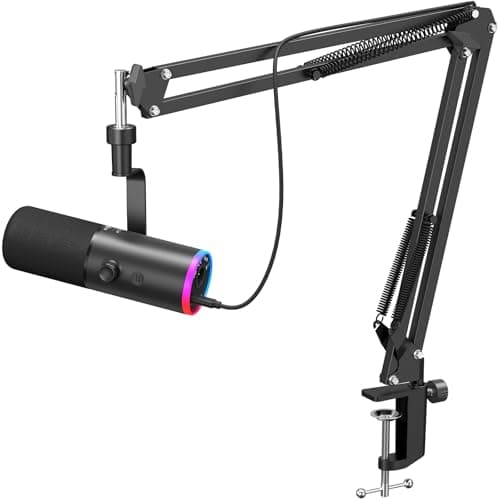
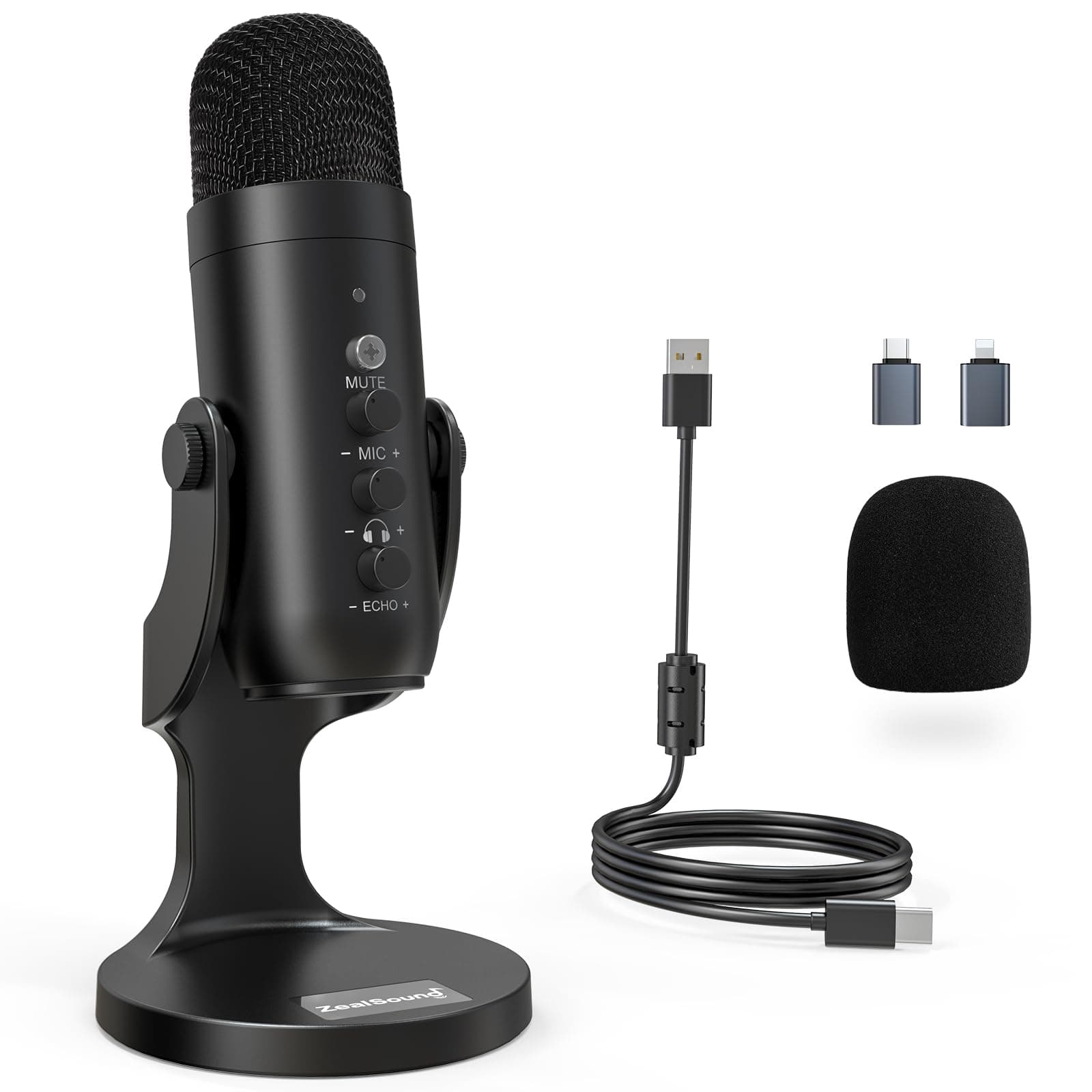
TONOR vs ZealSound
$40 vs $35
Movo vs TONOR
$40 vs $40
AKG vs TONOR
$40 vs $40
Razer vs TONOR
$40 vs $40
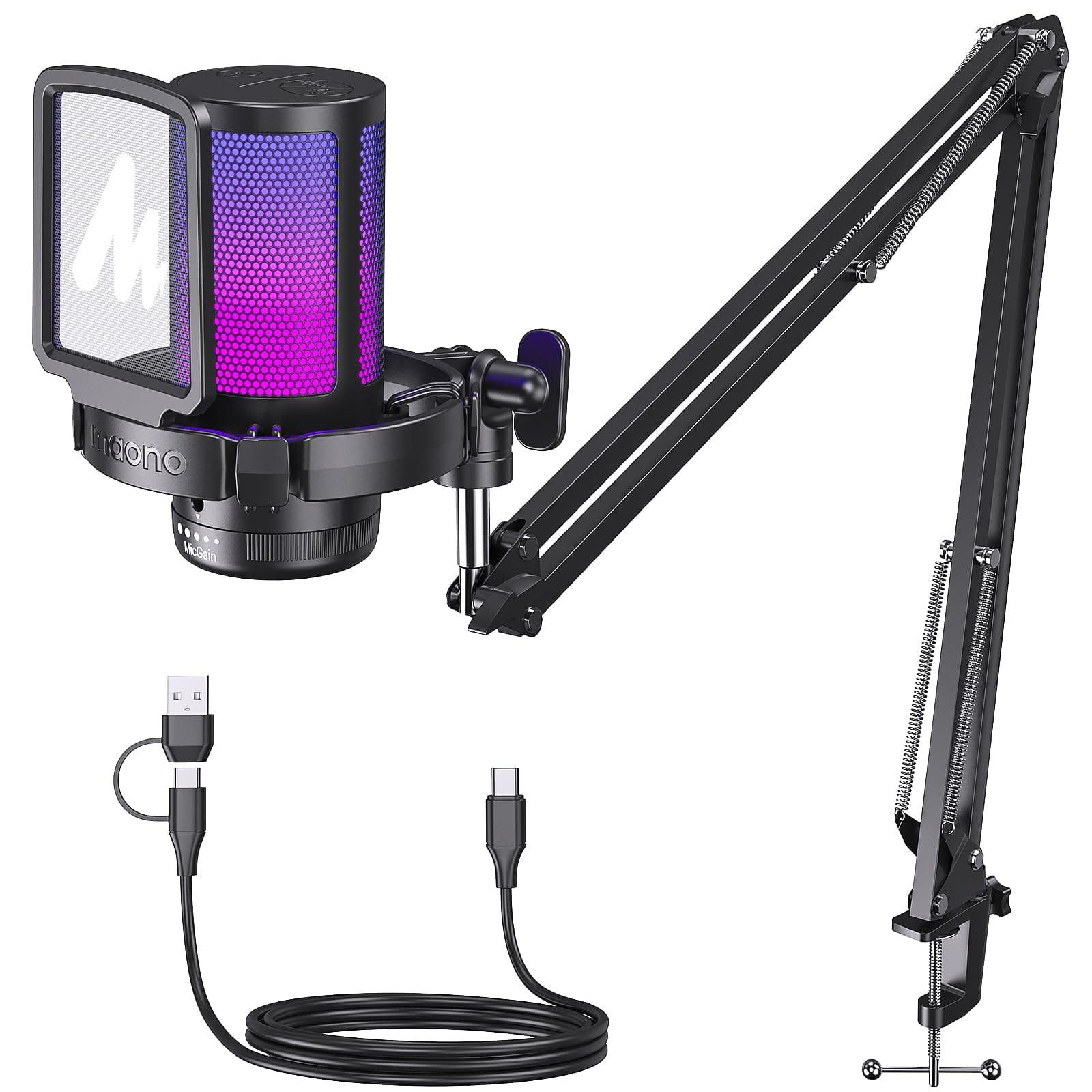
MAONO vs TONOR
$42 vs $40
FIFINE vs TONOR
$30 vs $40
FIFINE vs TONOR
$57 vs $40
MAONO vs MAONO
$80 vs $46
FIFINE vs TONOR
$57 vs $40
FIFINE vs MAONO
$57 vs $46
TONOR vs TONOR
$40 vs $32
FIFINE vs TONOR
$58 vs $40
FIFINE vs TONOR
$26 vs $40
Explore Other Categories
Popular comparisons across the site



Ask AI
Get instant answers about specs
Get the Deets
Ask our AI assistant
Ask Deets anything!