Our Verdict
TONOR TD510 AIR S H+ Wins
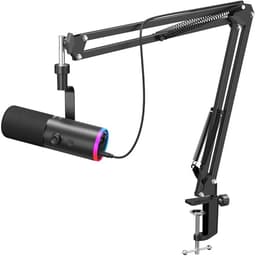
Despite both offering a 48kHz sample rate and flexible USB/XLR connectivity, the TONOR TD510 provides superior value at $39.99, featuring AI noise cancellation and including a boom arm. The FIFINE AM8, at $56.99, is a solid choice with an explicitly stated cardioid pattern and frequency response of 50-16000Hz, but lacks the TONOR's additional features for the price. The FIFINE AM8 might be a better pick for those prioritizing a specific cardioid pattern for focused vocal pickup, or who don't need a bundled boom arm and prefer detailed frequency response specs.
Bottom Line: TONOR TD510 AIR S H+ is the better choice. Despite both offering a 48kHz sample rate and flexible USB/XLR connectivity, the TONOR TD510 provides superior value at $39.
In-Depth Analysis
How they compare in practice
Both the FIFINE AM8 and TONOR TD510 AIR S H+ are dynamic USB/XLR microphones designed for content creators, streamers, and podcasters, sharing key functionalities like a 48kHz sample rate, USB/XLR connection type, zero-latency monitoring, on-mic gain control, and a mute button. These commonalities ensure a baseline of good audio quality and user convenience for real-time applications.
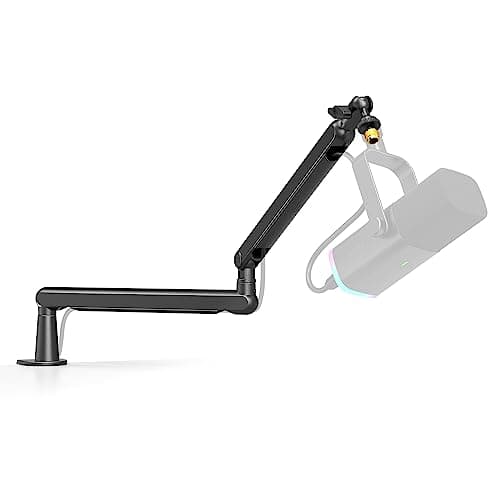
The significant differentiators emerge in their feature sets and value propositions. The TONOR TD510, remarkably priced at $39.99, stands out with its integrated AI Noise Cancellation, a crucial feature for users in acoustically challenging environments. This technology actively works to suppress background distractions, delivering a cleaner audio feed in real-world use without requiring additional software. Furthermore, the TONOR TD510 includes a boom arm, offering a complete out-of-the-box solution for optimal mic placement and saving buyers the cost and effort of acquiring one separately.
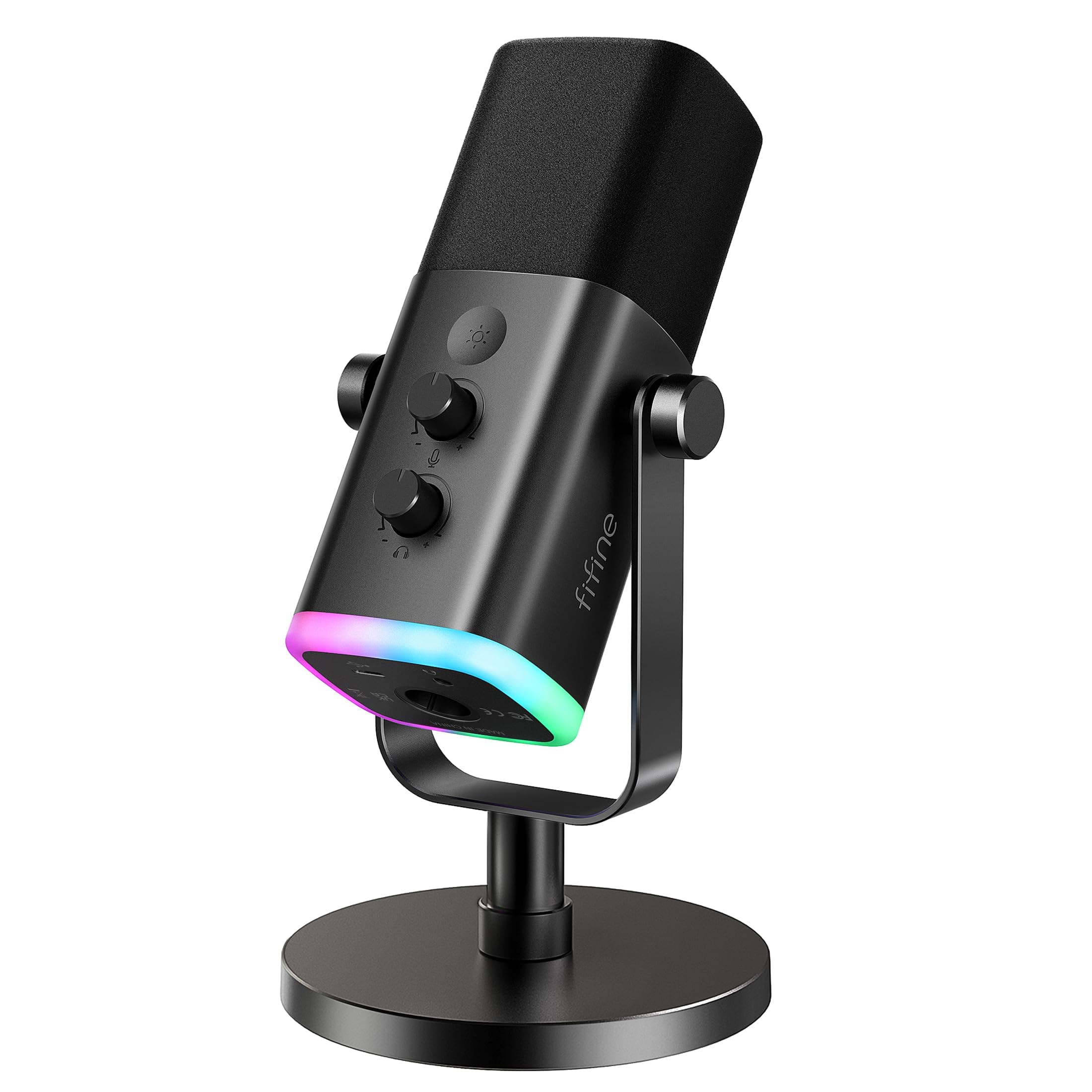
In contrast, the FIFINE AM8, priced at $56.99, provides an explicitly stated Cardioid polar pattern and a detailed frequency response range of 50Hz-16000Hz. While the TONOR likely employs a similar directional pattern, FIFINE’s clear specification offers reassurance for users who prioritize precise sound capture characteristics. The FIFINE AM8 also features RGB lighting, though it's important to note these functions are inactive when using an XLR connection.
From a practical standpoint, the TONOR’s AI Noise Cancellation and included boom arm present a more immediate and comprehensive solution for many users, particularly those starting out or with budget constraints. The FIFINE AM8, while offering robust specs, requires separate purchases for accessories like a boom arm to achieve a comparable setup. Ultimately, the TONOR TD510 offers a more compelling all-in-one package for value-conscious buyers seeking intelligent noise reduction, while the FIFINE AM8 appeals to those prioritizing explicit audio specifications and a slightly different aesthetic, provided they're prepared for additional accessory investments.
Which to Pick for Your Situation
Concrete scenarios with a clear recommendation
For a beginner streamer on a tight budget needing a complete setup
TONORThe TONOR TD510 offers AI noise cancellation and includes a boom arm at $39.99, providing a comprehensive and cost-effective package without extra purchases.
For podcast recording in a noisy home office environment
TONORTONOR's AI noise cancellation feature actively reduces background sounds, ensuring cleaner audio crucial for professional-sounding podcasts despite environmental noise.
For a vocalist or musician recording, prioritizing explicit frequency response and polar pattern
FIFINEThe FIFINE AM8 explicitly states a Cardioid polar pattern and 50Hz-16000Hz frequency response, providing clear technical specs important for nuanced vocal recording.
For a content creator seeking versatile connectivity for PC and professional audio interfaces
TieBoth microphones offer versatile USB/XLR connection types, zero-latency monitoring, and on-mic controls, making them suitable for multi-platform use.
Who Should Buy Which?
Find the right product for your needs

Buy FIFINE if...
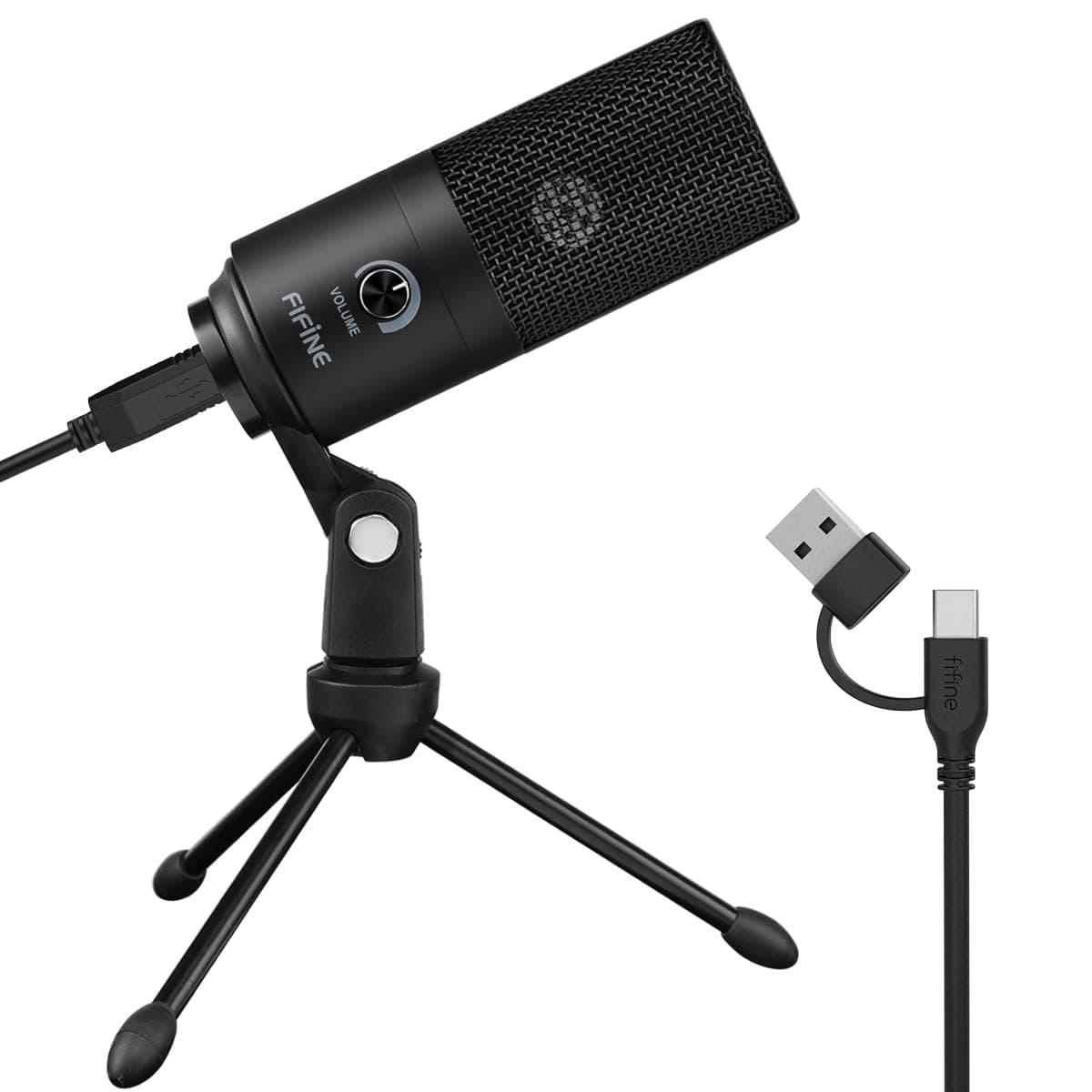
FIFINE USB/XLR Dynamic Microphone
The FIFINE AM8 is tailored for content creators, vocalists, and podcasters who prioritize explicit technical specifications and a robust, versatile microphone capable of adapting to various recording environments. This ideal buyer values the peace of mind offered by the explicitly stated Cardioid polar pattern, ensuring focused sound pickup and minimizing off-axis noise, alongside a clear frequency response of 50Hz-16000Hz for detailed audio capture. They may already possess external mounting solutions or prefer the included desktop stand, and are less concerned with aggressive built-in ambient noise reduction, often recording in relatively controlled acoustic spaces. At $56.99, they view this as a sound investment for a microphone that offers both USB and XLR connectivity, providing flexibility for direct PC connection or integration with professional audio interfaces. Key features like the on-mic gain control and zero-latency monitoring via the headphone jack are crucial for their workflow, allowing immediate, tactile control over their sound without needing external software. They appreciate the option of RGB lighting for aesthetic appeal when using USB, but their core focus remains on the microphone's inherent audio capabilities and connection versatility, even if the RGB functions are inactive with XLR. They are willing to invest a bit more for these detailed specifications and perceived build quality, understanding that the value is in the foundational audio performance rather than bundled accessories like a boom arm.

Buy TONOR if...
TONOR Dynamic Gaming Microphone,
The TONOR TD510 AIR S H+ is the perfect match for entry-level to intermediate streamers, gamers, and content creators operating on a tighter budget who need an immediate, all-inclusive solution for improved audio quality. This buyer values convenience and features that directly address common recording challenges, such as background noise. The standout AI Noise Cancellation is a critical priority, making this microphone ideal for use in less-than-perfect acoustic environments like shared rooms or active homes, ensuring their voice remains clear over keyboard clicks or ambient sounds. At a competitive $39.99, the inclusion of a boom arm is a significant draw, eliminating the need for an additional purchase and providing optimal mic positioning from day one. They appreciate the flexibility of dual USB/XLR outputs, allowing them to start with simple USB connectivity and upgrade to an XLR interface later if their needs evolve. Features like the tap-to-mute button and integrated volume control on the mic itself enhance their real-time control during live sessions. While specific polar pattern and full frequency response details aren't explicitly listed, the overall value proposition, especially with the AI noise cancellation and included boom arm, makes it an unbeatable choice for those seeking maximum functionality and convenience without breaking the bank, providing immediate, tangible benefits for cleaner audio in challenging setups.
Spec Comparison
11 specs compared
| Specification | 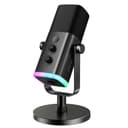 | 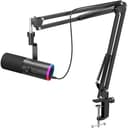 |
|---|---|---|
| Price | $57 | $40 |
| Rating | 4.6(9.6k) | 4.5(676) |
| Sample Rate | 48 kHz | 48 kHz |
| Connection | USB/XLR | USB/XLR |
| Polar Pattern | Cardioid | — |
| Zero-Latency | Yes | Yes |
| Weight | 1.32 lbs | — |
| Mute Button | Yes | Yes |
| Gain Control | Yes | Yes |
| Software | None | None |
| Headphone Out | Yes | Yes |
| Freq. Response | 50Hz - 16kHz | — |
| Model Number | — | TD510 Air S H+ |
Swipe horizontally to see all columns
Pros & Cons
Quick overview of strengths and weaknesses
FIFINE USB/XLR Dynamic
- USB and XLR connections offer setup versatility.
- Cardioid pattern minimizes off-axis sound pickup.
- Tap-to-mute button provides instant privacy control.
- Headphone jack allows real-time audio monitoring.
- RGB & USB functions inactive when using XLR.
- XLR connection requires separate cable.
- No dedicated software for advanced control.
TONOR Dynamic Gaming
- AI noise cancellation reduces background sound.
- Dual USB/XLR outputs for flexible connections.
- Zero-latency monitoring via 3.5mm headphone jack.
- Integrated volume control and tap mute button.
- No dedicated software for advanced mic settings.
- RGB lighting provides no functional utility.
Frequently Asked Questions
Common questions about this comparison
Do both microphones offer dual USB and XLR connectivity?
Yes, both the FIFINE AM8 and TONOR TD510 feature dual USB/XLR connection types, providing flexibility for various recording setups, from direct PC connection to audio interfaces.
Which microphone is better for reducing background noise during streams?
The TONOR TD510 is superior for noise reduction due to its integrated AI noise cancellation technology, which actively helps minimize ambient background sounds during use.
Is zero-latency monitoring available on these mics?
Yes, both the FIFINE AM8 and TONOR TD510 include a 3.5mm headphone jack for zero-latency monitoring, allowing real-time audio playback without delay.
What is the sample rate for audio capture on these microphones?
Both microphones offer a 48kHz sample rate, which is standard for high-quality audio recording for podcasts, streaming, and voiceovers, ensuring clear and detailed sound.
Does either microphone come with a boom arm?
Only the TONOR TD510 comes with a boom arm included, offering a complete mounting solution straight out of the box for optimal mic positioning and desk space management.
Can I use the RGB lighting with an XLR connection on the FIFINE AM8?
No, the FIFINE AM8's RGB lighting and USB functions are inactive when the microphone is connected via XLR, requiring a USB connection for RGB operation.
Related Comparisons
Similar products people compare
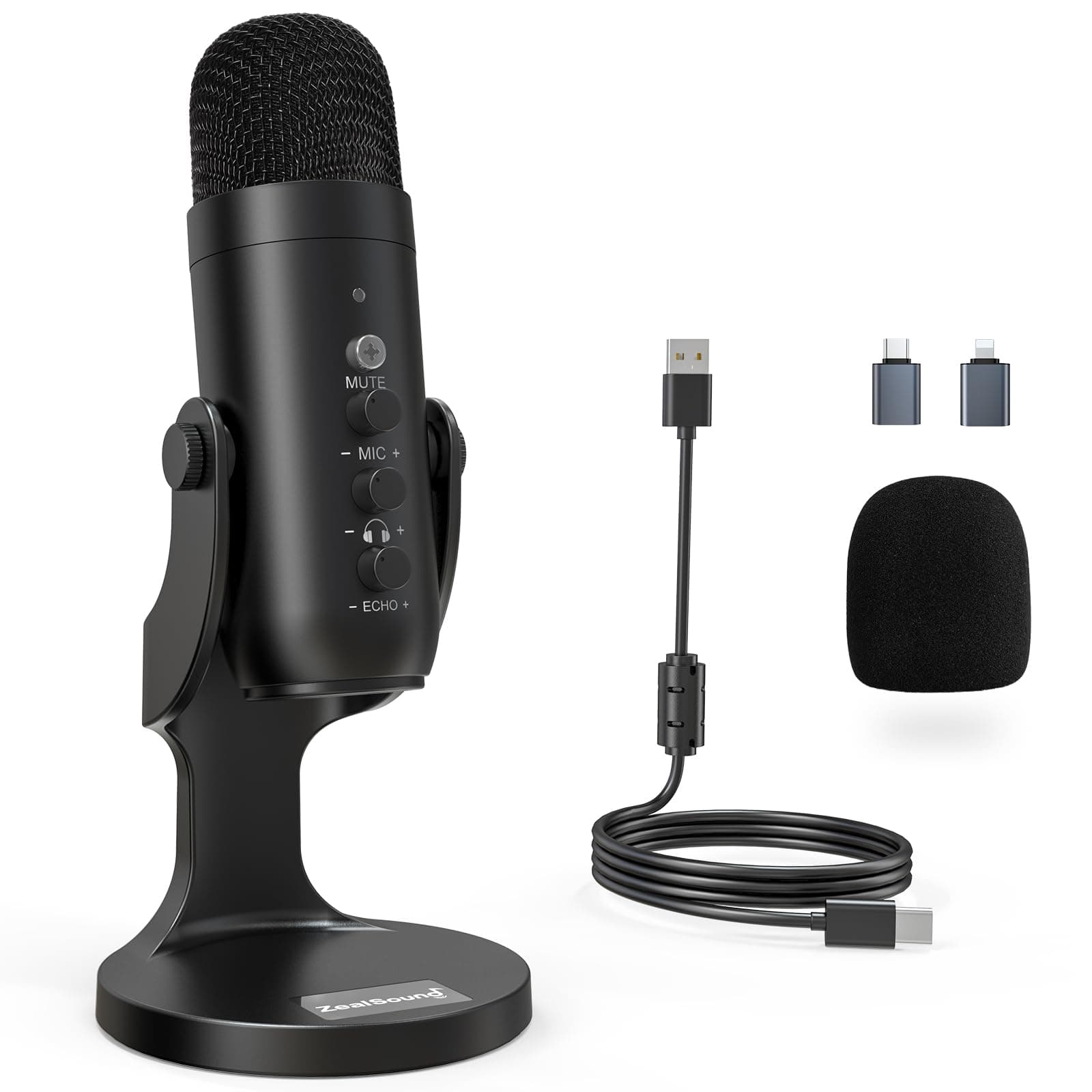
FIFINE vs ZealSound
$57 vs $35
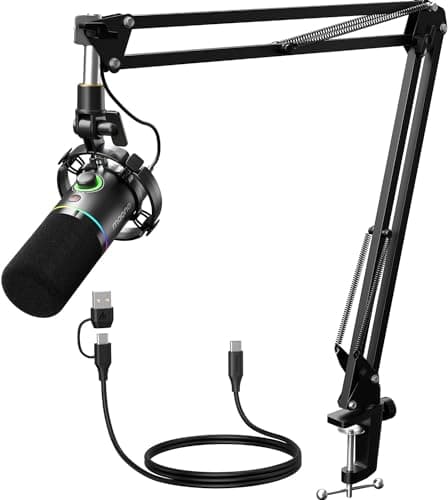
FIFINE vs MAONO
$57 vs $80
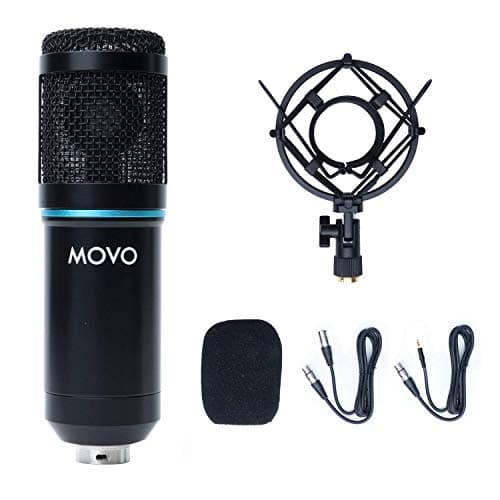
FIFINE vs Movo
$57 vs $40
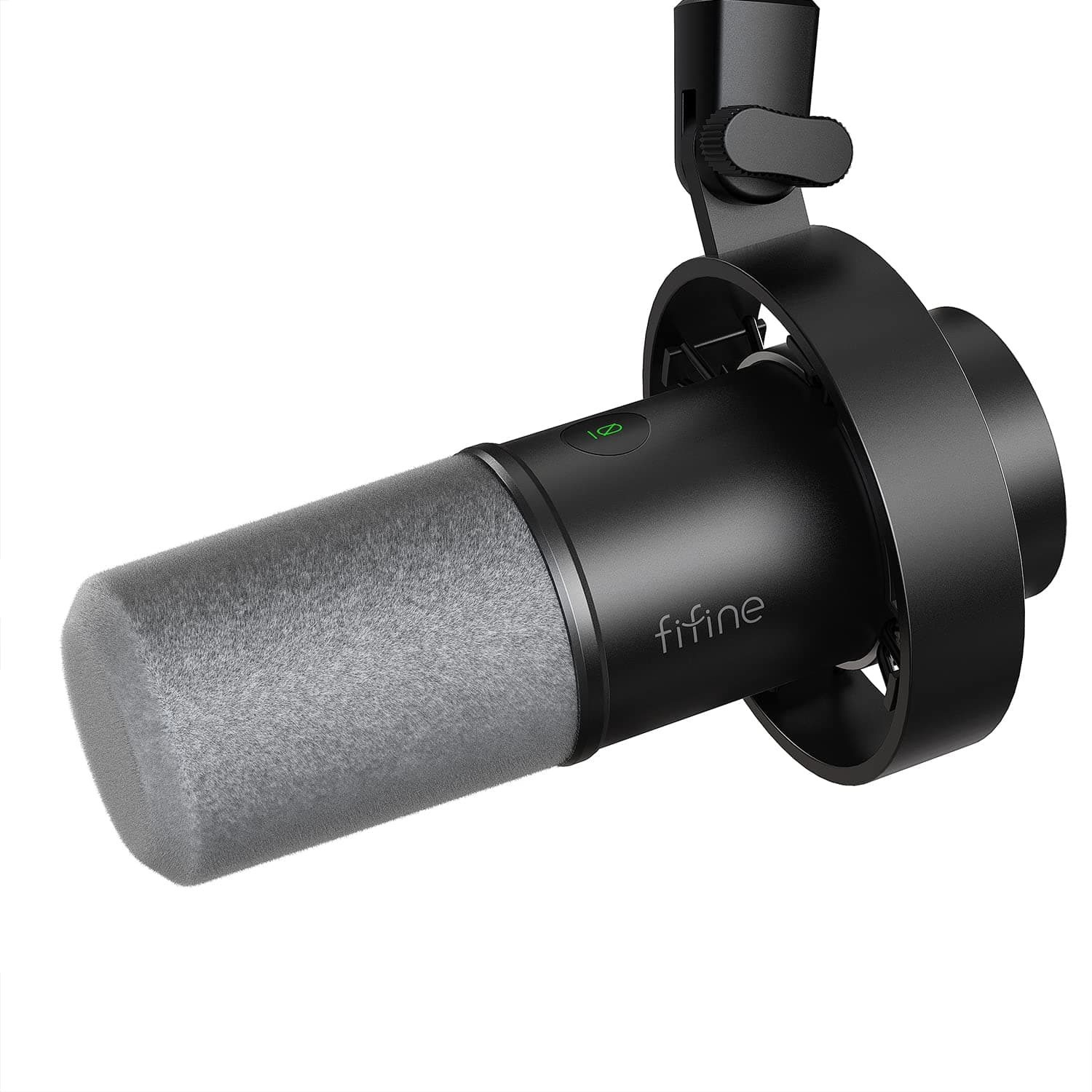
FIFINE vs FIFINE
$58 vs $57
FIFINE vs MAONO
$57 vs $46
FIFINE vs Razer
$57 vs $40
TONOR vs ZealSound
$40 vs $35
Movo vs TONOR
$40 vs $40
AKG vs TONOR
$40 vs $40
Razer vs TONOR
$40 vs $40
MAONO vs TONOR
$46 vs $40
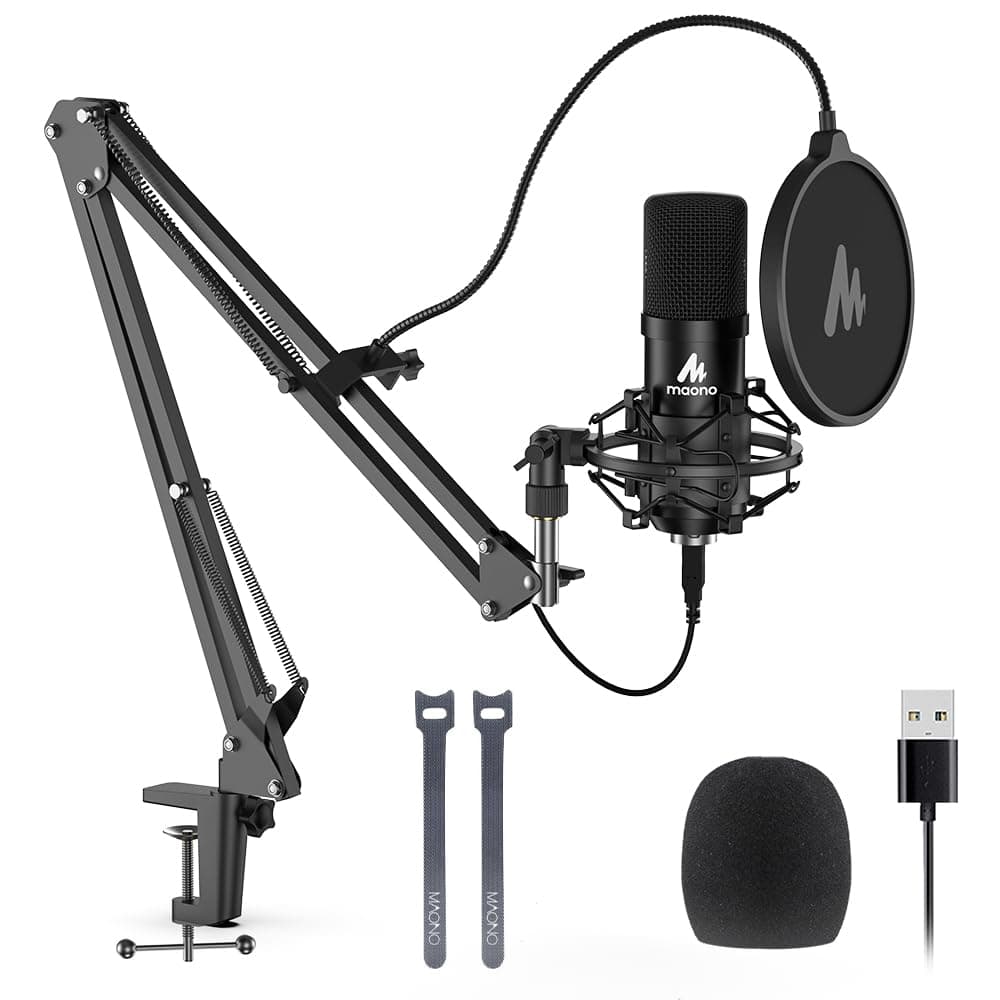
TONOR vs MAONO
$40 vs $46
FIFINE vs TONOR
$30 vs $40
FIFINE vs FIFINE
$57 vs $57
FIFINE vs TONOR
$57 vs $40
Explore Other Categories
Popular comparisons across the site


Ask AI
Get instant answers about specs
Get the Deets
Ask our AI assistant
Ask Deets anything!