Our Verdict
TONOR TD510 Air S H+ Wins
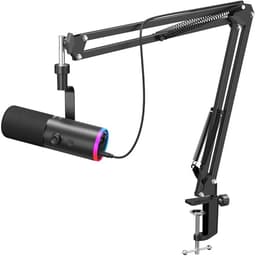
The TONOR microphone stands out with its dual USB/XLR connection, offering superior flexibility for both casual and more advanced setups compared to the ZealSound's USB-only interface. It also boasts a slightly higher 48kHz sample rate for cleaner audio capture, and features AI noise cancellation for improved clarity. When budget is the absolute priority, or a fixed cardioid pattern with physical echo control and broader mobile device compatibility is preferred for basic USB podcasting, the ZealSound at $34.99 is the better pick.
Bottom Line: TONOR TD510 Air S H+ is the better choice. The TONOR microphone stands out with its dual USB/XLR connection, offering superior flexibility for both casual and more advanced setups compared to the ZealSound's USB-only interface.
In-Depth Analysis
How they compare in practice
The TONOR TD510 Air S H+ and ZealSound Podcast Microphone both aim to deliver quality audio for creators on a budget, but they diverge significantly in their connectivity and feature sets, impacting their real-world application. The TONOR TD510 Air S H+ offers a crucial advantage with its dual USB/XLR connection. This means users aren't limited to just plugging into a computer; they can also integrate it into more professional audio interfaces using an XLR cable, providing a clear upgrade path and greater versatility for home studios or live sound setups. In contrast, the ZealSound is strictly USB, making it a plug-and-play solution ideal for direct connection to PCs, Macs, and even mobile devices, prioritizing simplicity and portability over advanced integration. Regarding audio performance, the TONOR boasts a 48kHz sample rate, a minor but measurable edge over the ZealSound's 46kHz. Both are adequate for streaming and podcasting, but the TONOR's slightly higher rate contributes to a cleaner digital audio signal. A key differentiator for the TONOR is its AI noise cancellation, which actively works to reduce background disturbances, making it excellent for environments with unpredictable ambient noise. The ZealSound counters this with a fixed cardioid polar pattern, naturally focusing on the speaker, and a specific noise reduction mode, effective against consistent hums from fans or keyboards. The choice here depends on the nature of the noise: dynamic AI processing versus passive directional capture and specific noise filtering. Control interfaces also present a trade-off. The TONOR features an integrated volume control and a convenient tap-mute button, alongside aesthetic RGB lighting that lacks functional benefit. The ZealSound, however, provides dedicated physical knobs for gain, monitoring, and uniquely, echo levels. This on-the-fly echo adjustment can be a creative boon for podcasters or singers looking for immediate sound shaping without software. While neither microphone includes a dedicated software suite for advanced settings, the physical controls on the ZealSound offer a more tactile and immediate experience for certain audio parameters. Ultimately, the TONOR's dual connectivity and AI noise cancellation offer a more robust foundation for varied use, while the ZealSound excels in straightforward USB functionality with unique physical echo control, appealing to different priorities within the budget segment.
Key Differences
The most significant spec differences at a glance
Sample Rate
4% moreAdvantages
Where each product wins

TONOR
- Sample Rate: 4% higher (48.0 vs 46.0)
Which to Pick for Your Situation
Concrete scenarios with a clear recommendation
For a budding streamer/podcaster looking to grow
TONORThe dual USB/XLR connectivity allows for future upgrades to audio interfaces, offering versatility beyond basic USB setups.
For mobile content creation on the go
ZealSoundPlug-and-play USB compatibility with mobile devices like iPhone, iPad, and Android makes it highly portable and convenient for on-the-go recording.
For a simple, budget-conscious setup
ZealSoundAt $34.99, the ZealSound offers essential features like gain, mute, and zero-latency monitoring at a lower price point than the TONOR.
For reducing environmental background noise
TONORTONOR's AI noise cancellation actively reduces a wider range of background sounds, offering superior performance in noisy environments compared to passive noise reduction.
Who Should Buy Which?
Find the right product for your needs

Buy TONOR if...
TONOR Dynamic Gaming Microphone,
The ideal buyer for the TONOR TD510 Air S H+ is an aspiring content creator, streamer, or podcaster who anticipates their needs might evolve beyond a basic plug-and-play USB setup. They are looking for a microphone that offers immediate utility but also future-proofing capabilities. This user prioritizes a versatile connectivity solution, making the dual USB/XLR output a critical feature, allowing them to start with USB but transition seamlessly to an XLR audio interface as their home studio grows. They operate in environments where background noise, from computer fans to distant chatter, is a concern, and therefore highly value the AI noise cancellation to ensure their voice remains clear and prominent. This buyer is willing to spend slightly more for enhanced audio fidelity, appreciating the 48kHz sample rate for cleaner recordings and streams. While not needing complex software, they expect essential controls like gain and mute to be readily accessible. They might be setting up a dedicated streaming corner or a small home recording space and want a microphone that feels robust and capable without venturing into professional price points. They understand that while the RGB lighting is purely aesthetic, the core functionality delivers strong performance. This user values adaptability and superior noise handling over niche features like physical echo control, seeing the TONOR as a solid foundational piece for their creative journey.

Buy ZealSound if...
ZealSound Podcast Microphone for
The ZealSound Podcast Microphone is perfectly suited for the entry-level content creator, a mobile journalist, or anyone seeking an ultra-simple, affordable, and highly compatible USB microphone solution. This buyer prioritizes ease of use above all else, needing a microphone that is genuinely plug-and-play across various operating systems and devices, including PC, Mac, iPhone, iPad, and Android, without any fuss. Their setup might be minimalist, perhaps just a laptop or smartphone, and they need a reliable device that integrates instantly. Budget is a key consideration for this user, and the ZealSound's $34.99 price point offers excellent value for its feature set. They will appreciate the fixed cardioid polar pattern, which naturally helps to isolate their voice and reduce off-axis room noise, complemented by the dedicated noise reduction mode for common ambient sounds like fan hum. A significant draw for this specific buyer is the inclusion of physical knobs for gain, monitoring, and uniquely, echo levels. This tactile control allows for immediate sound adjustments and creative effects without needing to dive into software, ideal for live streaming or quick recording sessions where direct manipulation is preferred. They are not concerned with future XLR connectivity or marginal gains in sample rate, but rather with an effective and straightforward tool for immediate content creation.
Spec Comparison
11 specs compared
| Specification |  |  |
|---|---|---|
| Price | $40 | $35 |
| Rating | 4.5(676) | 4.4(7.2k) |
| Sample Rate | 48 kHz | 46 kHz |
| Connection | USB/XLR | USB |
| Polar Pattern | — | Cardioid |
| Zero-Latency | Yes | Yes |
| Mute Button | Yes | Yes |
| Gain Control | Yes | Yes |
| Model Number | TD510 Air S H+ | — |
| Software | None | None |
| Headphone Out | Yes | Yes |
| Weight | — | 1.09 lbs |
| Freq. Response | — | 40Hz - 18kHz |
Swipe horizontally to see all columns
Pros & Cons
Quick overview of strengths and weaknesses
TONOR Dynamic Gaming
- AI noise cancellation reduces background sound.
- Dual USB/XLR outputs for flexible connections.
- Zero-latency monitoring via 3.5mm headphone jack.
- Integrated volume control and tap mute button.
- No dedicated software for advanced mic settings.
- RGB lighting provides no functional utility.
ZealSound Podcast Microphone
- Cardioid pattern isolates voice, reduces ambient noise.
- Noise reduction mode cuts fan, keyboard, and room hum.
- Plug-and-play USB; works with PC, Mac, mobile, consoles.
- Zero-latency monitoring with dedicated volume control.
- Lacks dedicated software for advanced audio processing.
- Fixed cardioid pattern lacks polar pattern versatility.
- USB connection limits integration with XLR setups.
- Included desk stand may transmit desk vibrations.
Frequently Asked Questions
Common questions about this comparison
What connectivity options do these microphones offer?
The TONOR TD510 Air S H+ provides both USB and XLR connections for broad compatibility, while the ZealSound Podcast Microphone connects exclusively via USB, supporting PC, Mac, and mobile devices.
Do either of these microphones have a software suite?
Neither the TONOR TD510 Air S H+ nor the ZealSound Podcast Microphone comes with a dedicated software suite for advanced audio processing or customization.
Which microphone is better for reducing background noise?
The TONOR TD510 Air S H+ features AI noise cancellation for active background sound reduction. The ZealSound uses a cardioid polar pattern and a noise reduction mode to filter out fan or keyboard hum effectively.
Can I monitor my audio in real-time with these mics?
Yes, both the TONOR TD510 Air S H+ and the ZealSound Podcast Microphone offer zero-latency monitoring through their integrated 3.5mm headphone jacks, allowing you to hear your audio as you record.
What is the sample rate difference between the two?
The TONOR TD510 Air S H+ has a sample rate of 48kHz, providing slightly higher audio resolution. The ZealSound Podcast Microphone operates at a 46kHz sample rate, which is still good for general use.
Is the RGB lighting on the TONOR microphone customizable?
While the TONOR TD510 Air S H+ features controllable RGB lighting, the product specifications indicate it provides no functional utility beyond aesthetics and cannot be customized via software.
Related Comparisons
Similar products people compare
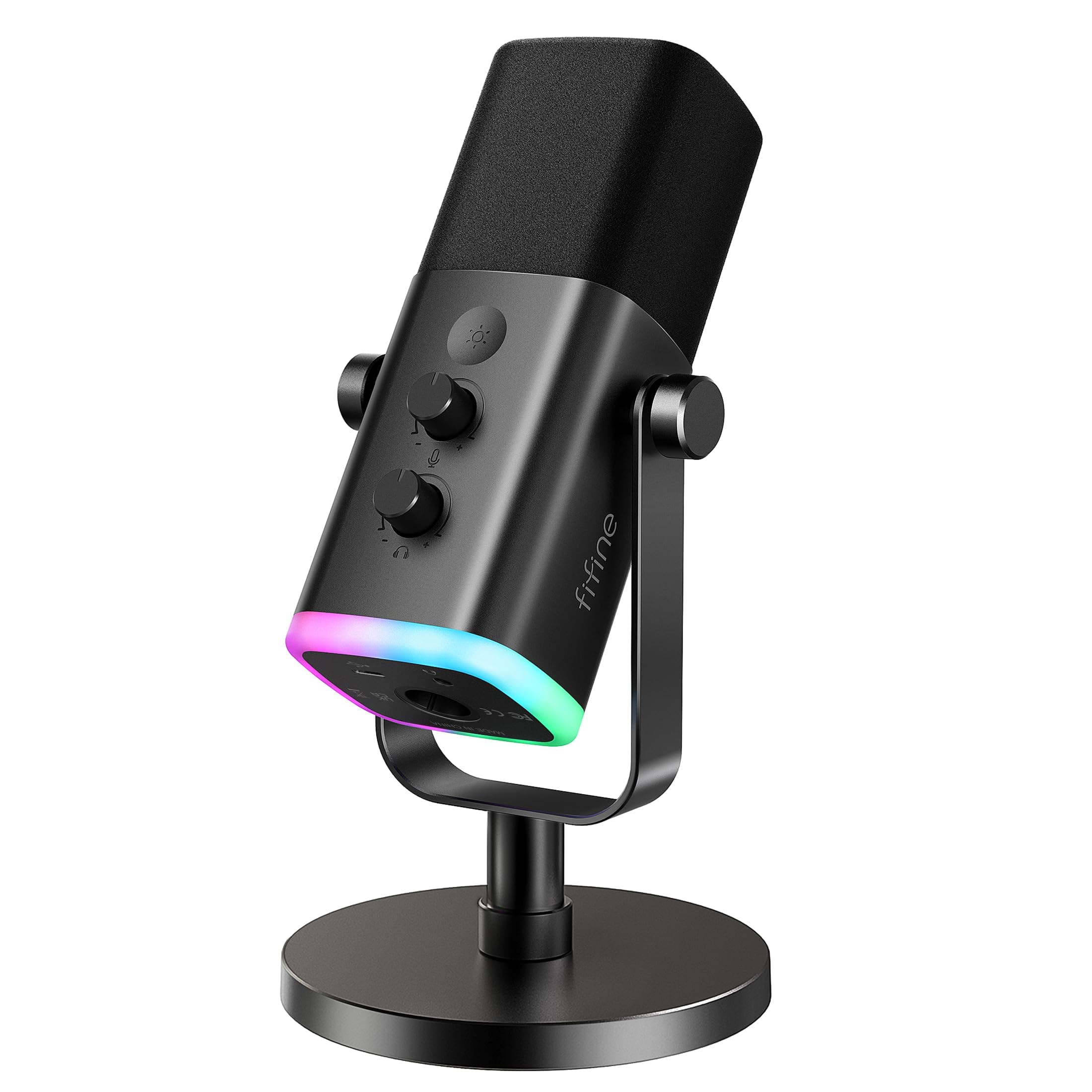
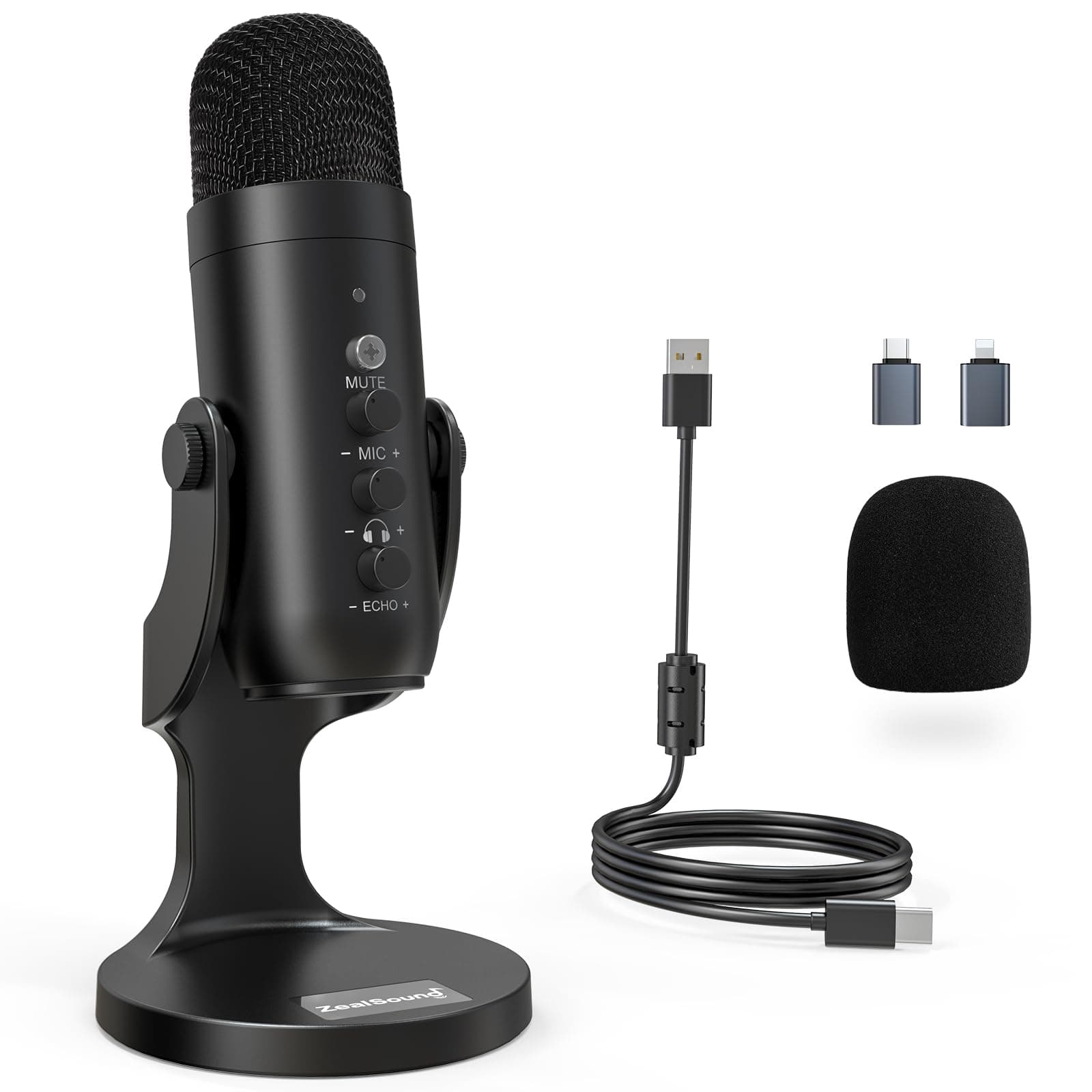
FIFINE vs ZealSound
$57 vs $35
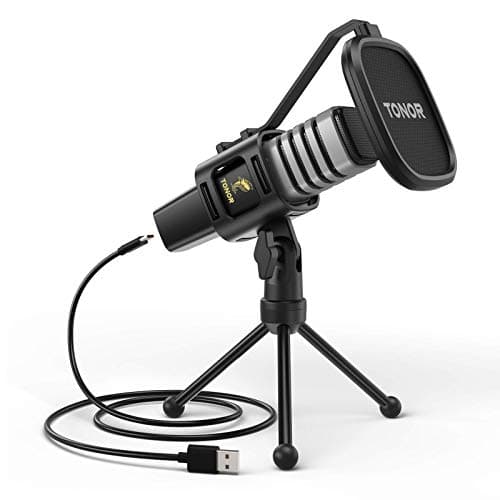
TONOR vs ZealSound
$32 vs $35
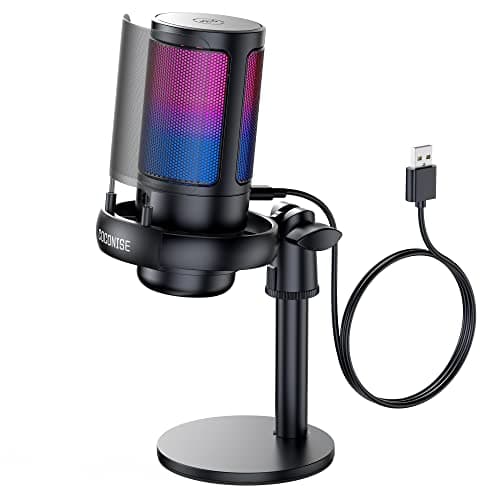
COCONISE vs ZealSound
$24 vs $35
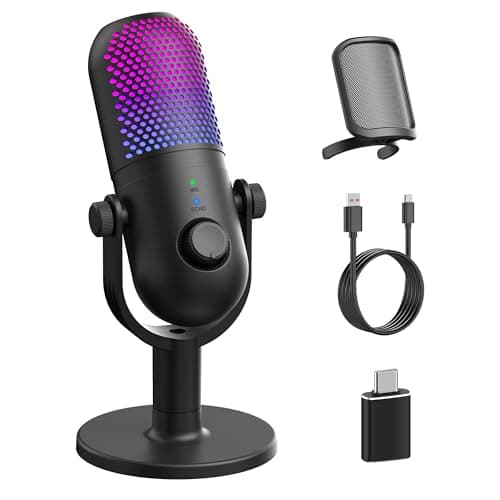
GUEVWES vs ZealSound
$23 vs $35
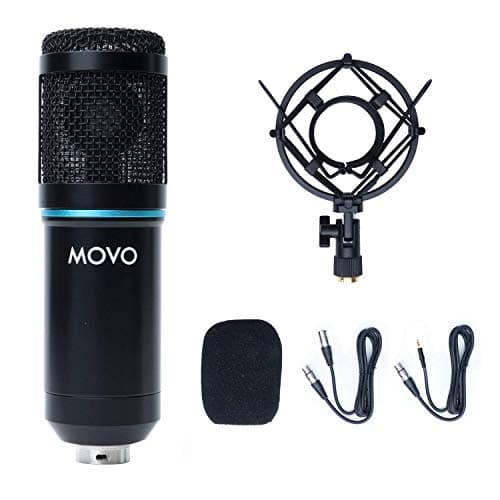
Movo vs ZealSound
$40 vs $35
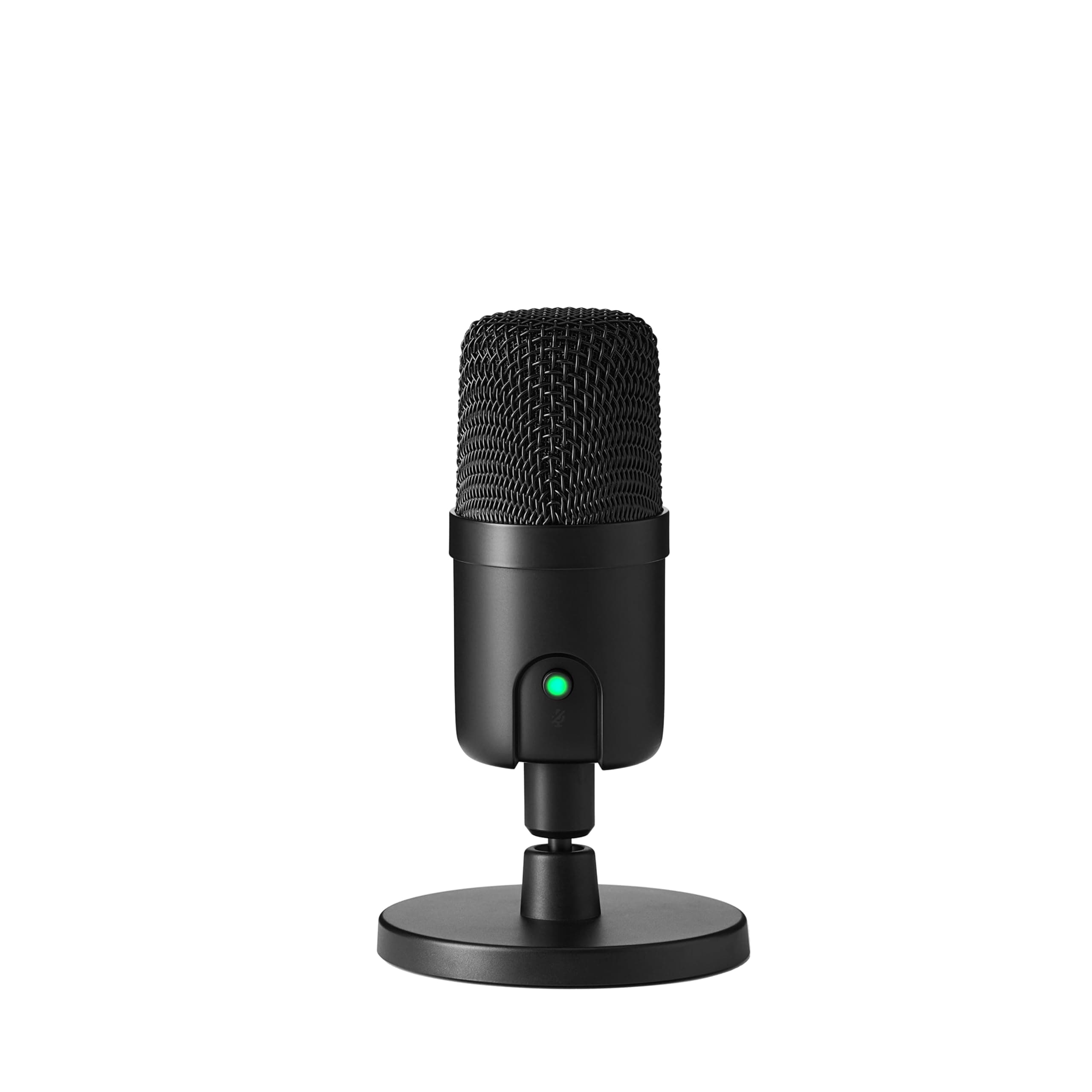
Amazon Basics vs ZealSound
$25 vs $35
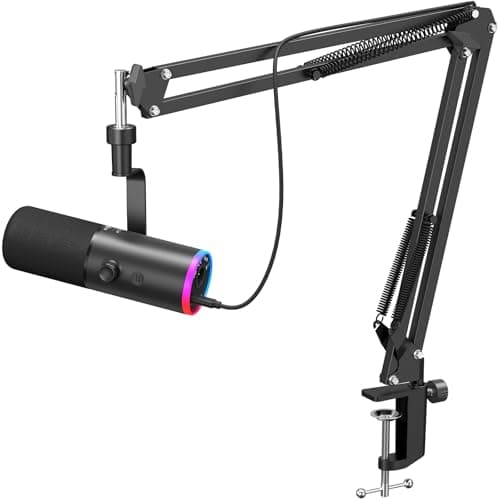
Movo vs TONOR
$40 vs $40
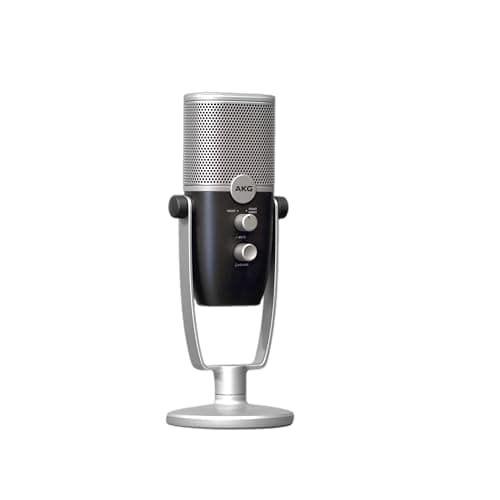
AKG vs TONOR
$40 vs $40
Razer vs TONOR
$40 vs $40
MAONO vs TONOR
$42 vs $40
TONOR vs MAONO
$40 vs $46
FIFINE vs ZealSound
$26 vs $35
FIFINE vs TONOR
$30 vs $40
InnoGear vs ZealSound
$28 vs $35
FIFINE vs TONOR
$57 vs $40
Explore Other Categories
Popular comparisons across the site


Ask AI
Get instant answers about specs
Get the Deets
Ask our AI assistant
Ask Deets anything!