Our Verdict
AKG Pro Audio Ara Wins
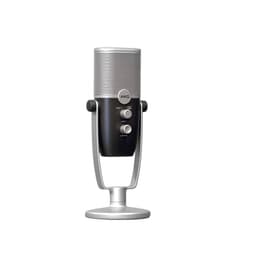
For virtually the same price, the AKG Ara delivers significantly higher audio fidelity with 24-bit/96kHz resolution compared to the TONOR's 48kHz, alongside versatile dual polar patterns for diverse recording. This makes it superior for content creation demanding pristine sound quality. The TONOR TD510 Air S H+ is the better pick for users prioritizing connection flexibility with its USB/XLR outputs and integrated AI noise cancellation, especially gamers and streamers in noisy environments.
Bottom Line: AKG Pro Audio Ara is the better choice. For virtually the same price, the AKG Ara delivers significantly higher audio fidelity with 24-bit/96kHz resolution compared to the TONOR's 48kHz, alongside versatile dual polar patterns for diverse recording.
In-Depth Analysis
How they compare in practice
At their core, both the AKG Ara and TONOR TD510 Air S H+ offer compelling value at nearly identical price points, yet they cater to distinct user priorities through their core feature sets. The AKG Ara distinguishes itself with superior audio fidelity, capturing sound at a professional-grade 24-bit/96kHz resolution. This translates into recordings with significantly more detail, a wider dynamic range, and greater flexibility for post-production editing compared to the TONOR's 48kHz sample rate. For aspiring podcasters, musicians, or voiceover artists, this difference means a noticeably richer and clearer sound profile.
Beyond raw resolution, the AKG Ara offers practical versatility with its multi-pattern polar patterns, allowing users to switch between cardioid for focused vocal capture and omnidirectional for interviews or capturing room ambiance. The TONOR, while excellent for focused solo capture (likely cardioid), lacks this adaptability, making the AKG a more flexible tool for varied recording scenarios. However, the TONOR excels in connectivity and noise management. Its dual USB/XLR output provides an invaluable upgrade path, allowing users to plug-and-play directly via USB or integrate it into a more advanced audio interface using XLR, a feature absent on the USB-only AKG.
In real-world use, the TONOR TD510's standout feature is its AI noise cancellation, a game-changer for streamers and gamers operating in less-than-ideal acoustic environments. This actively suppresses background distractions like keyboard clicks or fan noise, ensuring the user's voice remains clear. While the AKG offers pure audio capture, the TONOR specifically addresses the common challenge of unwanted ambient sound. Both include essential features like zero-latency monitoring, gain control, and mute buttons, but the TONOR's RGB lighting is purely aesthetic, whereas the AKG’s design focuses purely on audio performance. Ultimately, the choice hinges on whether pristine, versatile audio capture (AKG) or flexible connectivity with active noise reduction (TONOR) is paramount.
Key Differences
The most significant spec differences at a glance
Sample Rate
100% moreAdvantages
Where each product wins

AKG
- Sample Rate: 100% higher (96.0 vs 48.0)
Which to Pick for Your Situation
Concrete scenarios with a clear recommendation
For studio-grade vocal recordings or music
AKGThe AKG Ara offers superior 24-bit/96kHz audio resolution and dual polar patterns, capturing pristine sound with greater detail.
For live streaming or gaming in a noisy home environment
TONORThe TONOR TD510 Air S H+ features AI noise cancellation to effectively reduce background distractions, crucial for clear communication.
For a flexible setup that might involve an audio interface later
TONORThe TONOR provides both USB and XLR outputs, allowing for immediate plug-and-play or integration into a more advanced audio setup.
For recording multiple speakers or capturing room ambiance
AKGThe AKG Ara's multi-pattern polar pattern includes an omnidirectional mode, ideal for capturing sound from all directions.
Who Should Buy Which?
Find the right product for your needs

Buy AKG if...
AKG Pro Audio Ara
The AKG Pro Audio Ara is perfectly suited for burgeoning content creators who prioritize audio fidelity above all else, especially those dipping their toes into podcasting, video blogging, or even recording musical demos. This user is likely working in a relatively controlled acoustic environment and values the nuanced detail in their sound. They benefit immensely from the AKG's 24-bit/96kHz high-resolution audio capture, which ensures professional-grade clarity and a wider dynamic range for post-production. The multi-pattern polar patterns (cardioid for solo speech, omnidirectional for interviews or group discussions) are crucial for their diverse recording needs, providing flexibility without requiring multiple microphones. Its simple USB-C plug-and-play setup means less fuss and more focus on creativity, ideal for someone who doesn't want to delve into complex audio interfaces. While they forgo the TONOR's XLR connectivity and AI noise cancellation, their primary need for superior sonic detail is met comprehensively by the AKG Ara.

Buy TONOR if...
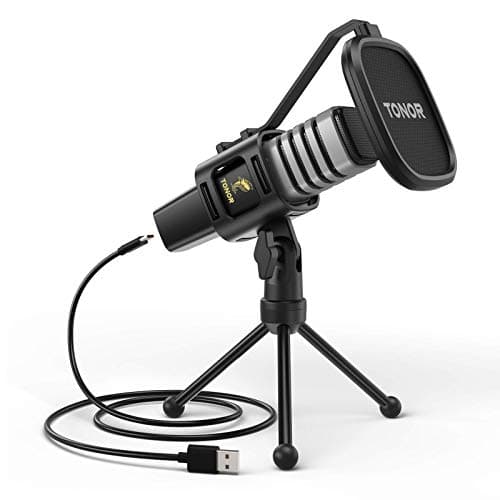
TONOR Dynamic Gaming Microphone,
The TONOR TD510 Air S H+ is the ideal microphone for dedicated gamers and live streamers who often operate in dynamic or less-than-perfect acoustic environments. This buyer prioritizes clear communication with their audience or teammates over absolute studio-grade audio fidelity, especially when contending with background distractions. The integrated AI noise cancellation is a standout feature, actively suppressing ambient sounds like keyboard clicks or room chatter, ensuring their voice remains front and center. Furthermore, the dual USB/XLR connection provides exceptional flexibility; users can enjoy immediate plug-and-play convenience via USB or integrate the microphone into a more advanced audio interface down the line using XLR for greater control and potential upgrades. Features like the tap mute and volume control are highly practical for live situations, allowing quick adjustments without fumbling. While they might not get the AKG's 24-bit/96kHz resolution or multi-pattern versatility, the TONOR's focus on practical features, noise reduction, and connectivity make it a robust choice for their specific, often demanding, streaming and gaming needs.
Spec Comparison
10 specs compared
| Specification |  |  |
|---|---|---|
| Price | $40 | $40 |
| Rating | 4.5(259) | 4.5(676) |
| Sample Rate | 96 kHz | 48 kHz |
| Bit Depth | 24 | — |
| Connection | USB | USB/XLR |
| Polar Pattern | multi-pattern | — |
| Zero-Latency | Yes | Yes |
| Mute Button | Yes | Yes |
| Gain Control | Yes | Yes |
| Model Number | AKG-C22-USB | TD510 Air S H+ |
| Headphone Out | Yes | Yes |
| Software | — | None |
Swipe horizontally to see all columns
Pros & Cons
Quick overview of strengths and weaknesses
AKG Pro Audio
- 24-bit/96kHz high-resolution audio capture.
- Dual polar patterns for diverse recording use.
- USB-C plug-and-play for multi-OS compatibility.
- Zero-latency monitoring, gain control, and mute.
- Integrated USB interface limits system upgradeability.
- Lacks XLR output for traditional pro audio gear.
TONOR Dynamic Gaming
- AI noise cancellation reduces background sound.
- Dual USB/XLR outputs for flexible connections.
- Zero-latency monitoring via 3.5mm headphone jack.
- Integrated volume control and tap mute button.
- No dedicated software for advanced mic settings.
- RGB lighting provides no functional utility.
Frequently Asked Questions
Common questions about this comparison
Which microphone offers better audio quality?
The AKG Ara, with its 24-bit/96kHz sample rate and bit depth, generally delivers higher fidelity and more detailed recordings compared to the TONOR's 48kHz.
Can I connect these microphones to an audio interface?
Only the TONOR TD510 Air S H+ offers an XLR output, allowing direct connection to an audio interface for enhanced control. The AKG is USB-only.
Which mic is better for reducing background noise?
The TONOR TD510 Air S H+ incorporates AI noise cancellation, making it more effective at suppressing ambient background sounds during use.
Do these microphones support zero-latency monitoring?
Yes, both the AKG Ara and the TONOR TD510 Air S H+ feature a 3.5mm headphone output for zero-latency monitoring of your audio.
What's the difference between their polar patterns?
The AKG Ara has multi-pattern options (cardioid, omnidirectional) for versatile recording, while the TONOR is typically a single (cardioid) pattern for direct sound capture.
Are these compatible with Mac and Windows?
Yes, both microphones offer USB plug-and-play functionality, ensuring compatibility with most Mac and Windows operating systems.
Related Comparisons
Similar products people compare
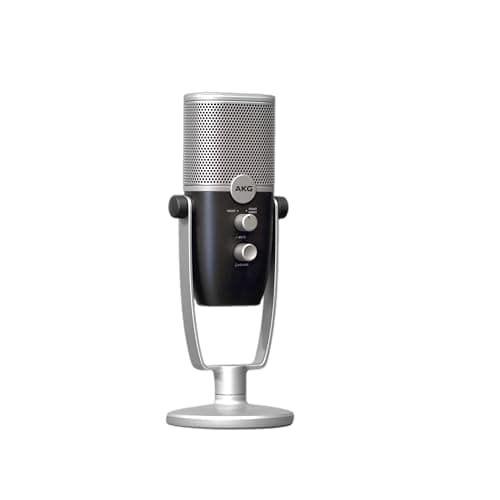
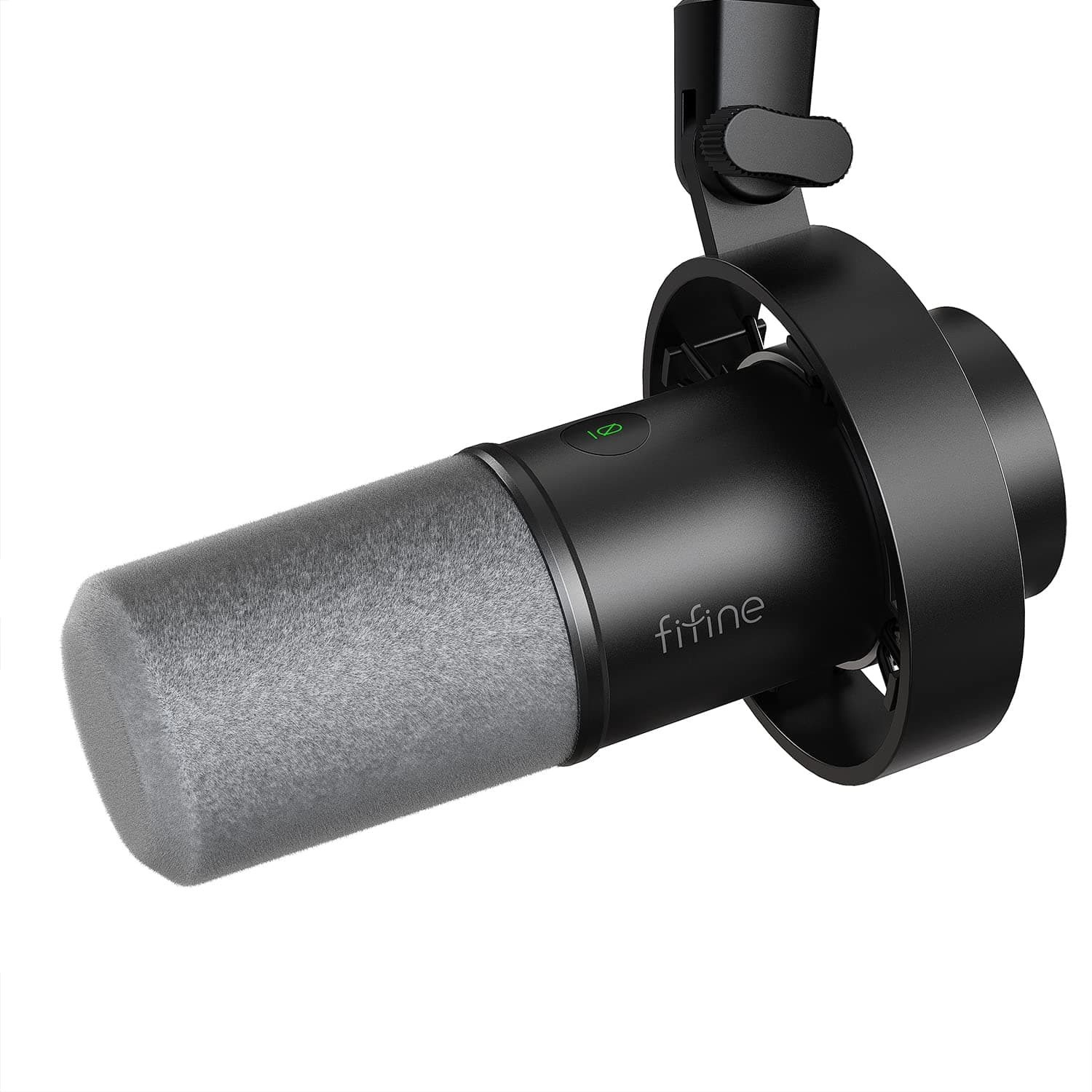
AKG vs FIFINE
$40 vs $58
TONOR vs ZealSound
$40 vs $35
Movo vs TONOR
$40 vs $40
Razer vs TONOR
$40 vs $40
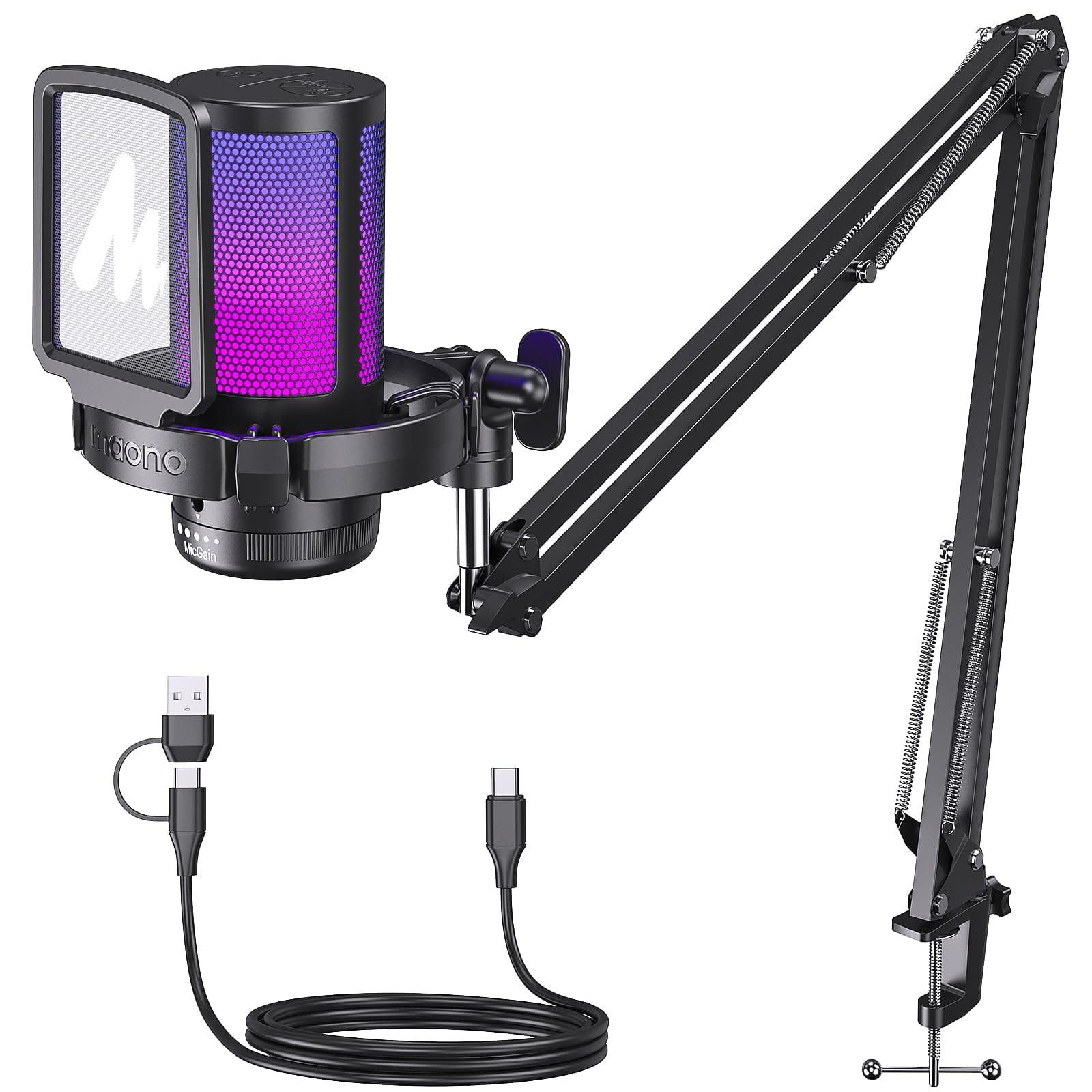
MAONO vs TONOR
$42 vs $40
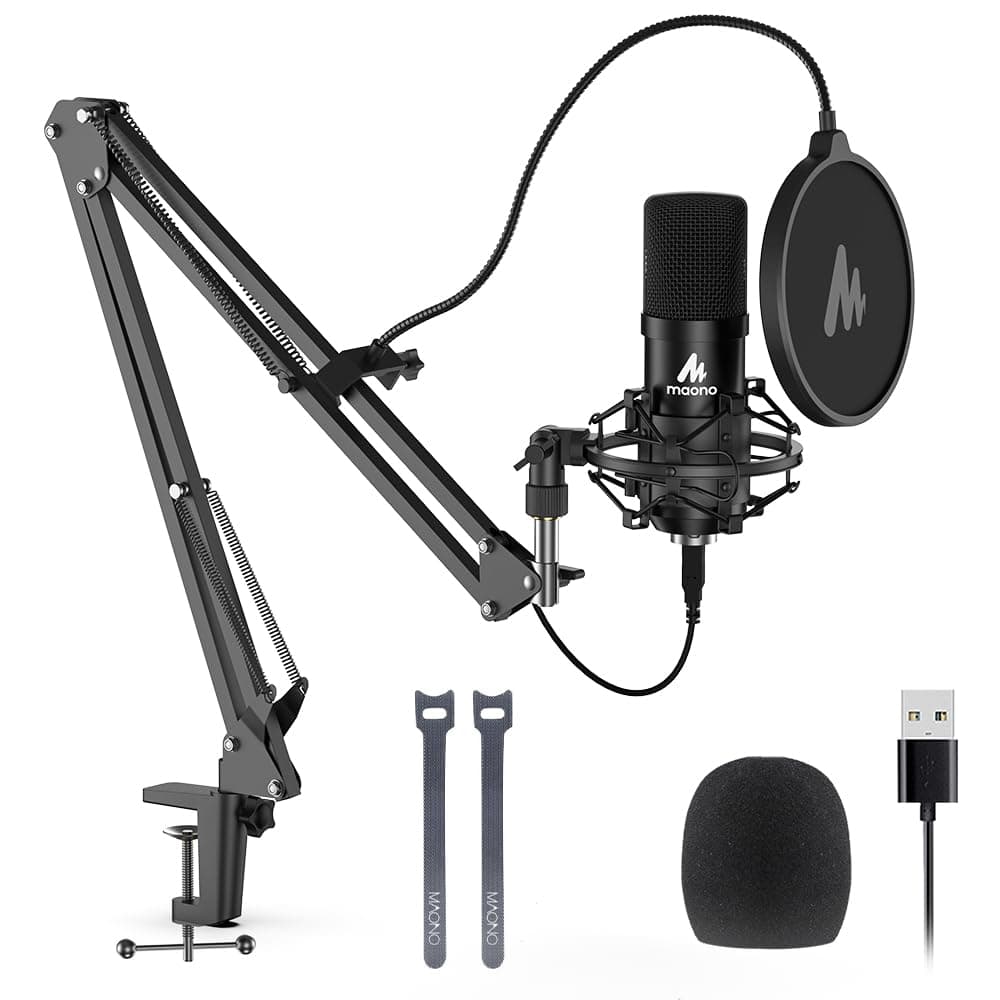
TONOR vs MAONO
$40 vs $46
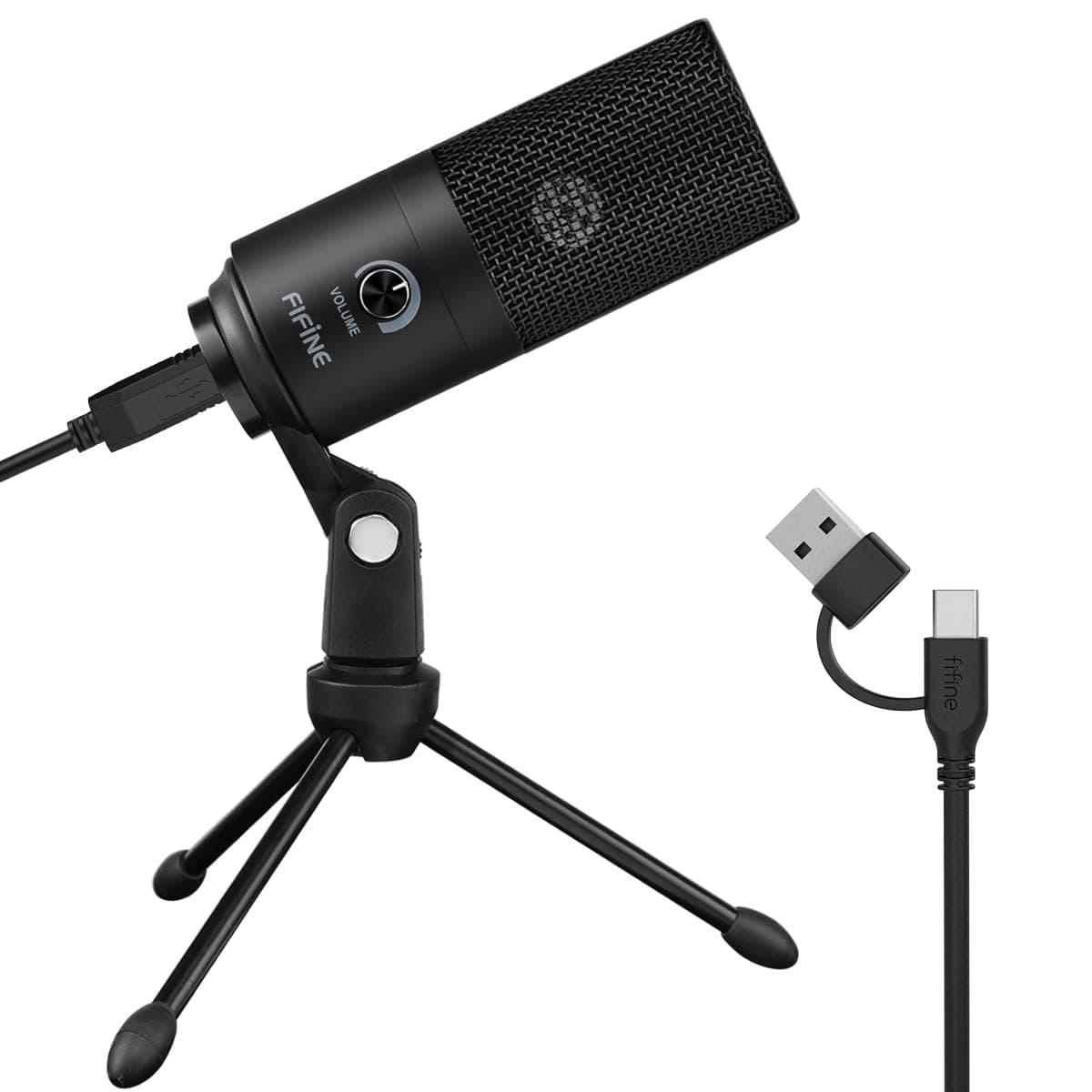
FIFINE vs TONOR
$30 vs $40
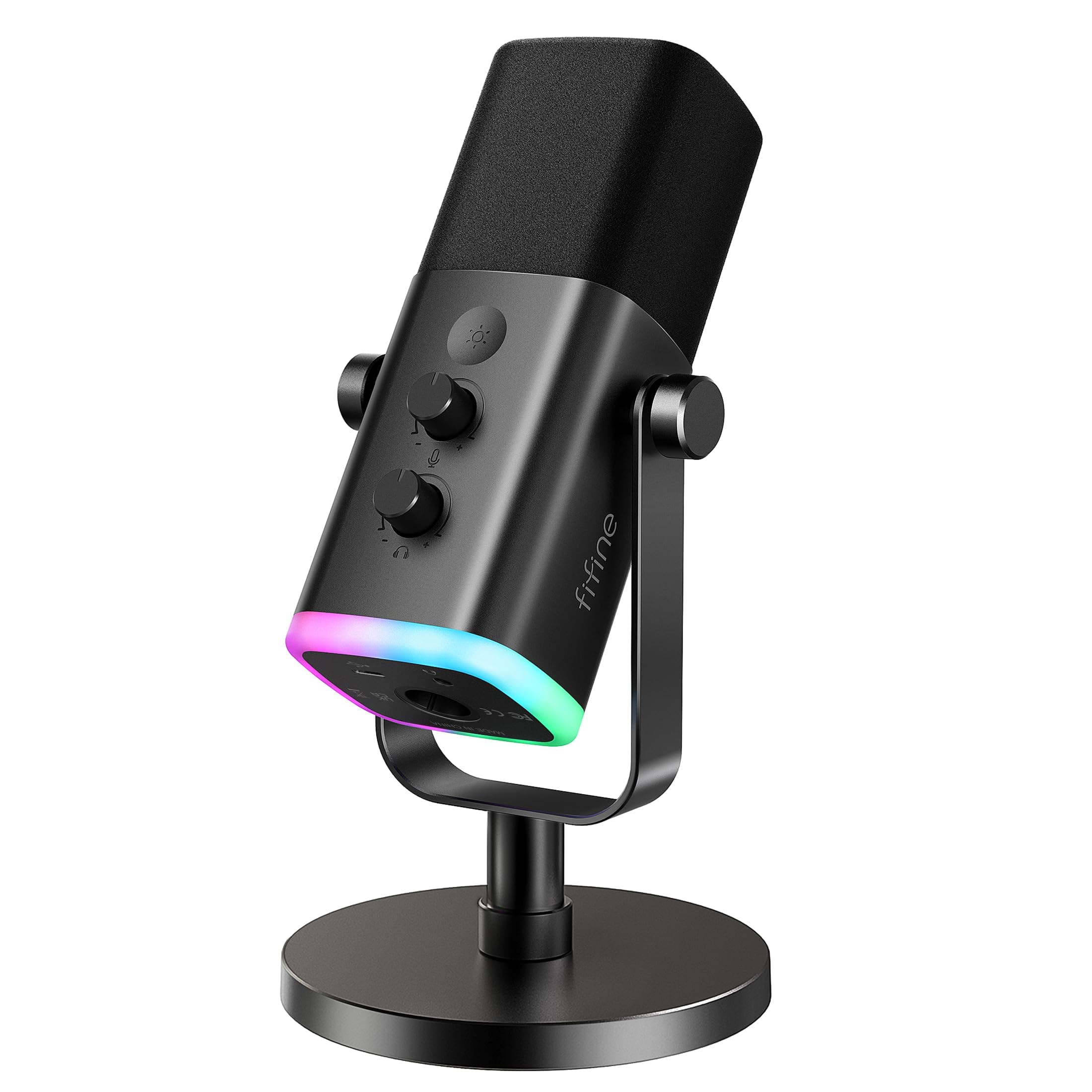
FIFINE vs TONOR
$57 vs $40
AKG vs FIFINE
$40 vs $57
AKG vs InnoGear
$40 vs $28
FIFINE vs TONOR
$57 vs $40
TONOR vs TONOR
$40 vs $32
FIFINE vs TONOR
$58 vs $40
AKG vs MAONO
$40 vs $42
AKG vs Movo
$40 vs $40
Explore Other Categories
Popular comparisons across the site






Ask AI
Get instant answers about specs
Get the Deets
Ask our AI assistant
Ask Deets anything!