Our Verdict
TONOR Dynamic Gaming Microphone Wins
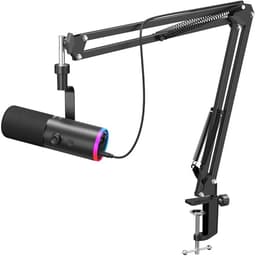
For the identical $39.99 price, the TONOR TD510 Air S H+ offers superior connectivity with both USB and XLR outputs, essential zero-latency monitoring via its 3.5mm headphone jack, and advanced AI noise cancellation, which are crucial for dynamic gaming and streaming environments. The inclusion of a boom arm also adds significant immediate value. The Razer Seiren V3 Mini, with its condenser and supercardioid pattern, is a strong pick for users prioritizing pure vocal clarity in controlled environments, but it lacks the TONOR's versatile features and direct monitoring capabilities.
Bottom Line: TONOR Dynamic Gaming Microphone is the better choice. For the identical $39.
In-Depth Analysis
How they compare in practice
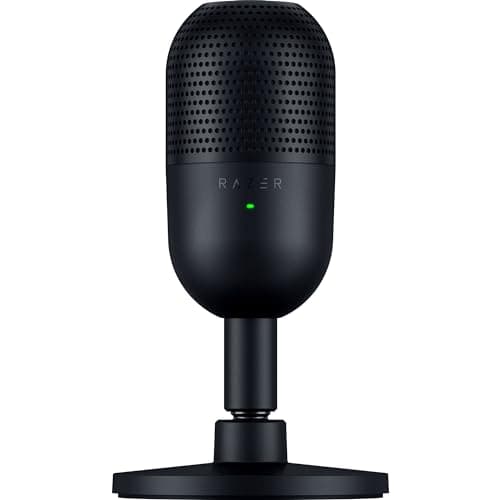
The Razer Seiren V3 Mini and TONOR TD510 Air S H+ both target budget-conscious users seeking improved audio for communication and content creation, yet they diverge significantly in their feature sets and ideal use cases despite sharing a $39.99 price point and 48kHz sample rate. The Razer, being a condenser microphone with a supercardioid polar pattern, is designed to capture a wide frequency range with exceptional detail, making it suitable for users who prioritize crisp, clear vocal reproduction. Its supercardioid pattern is particularly effective at isolating the speaker's voice while minimizing ambient room noise from the sides, ideal for single-person setups in less-than-perfect acoustic environments. However, its reliance on a USB connection and the Razer Synapse software for gain control means less on-the-fly physical adjustment, and it lacks direct monitoring capabilities.
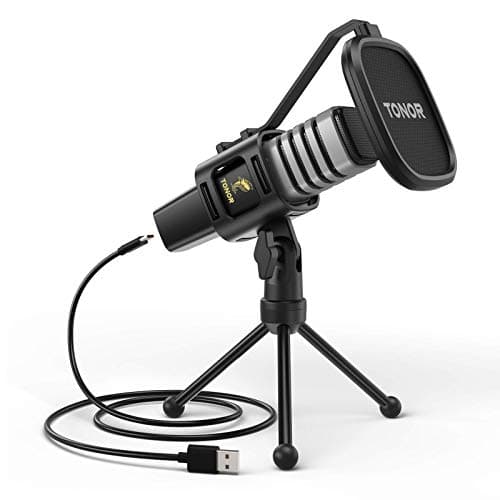
Conversely, the TONOR TD510 Air S H+ is a dynamic microphone, often more robust and less sensitive to room acoustics, making it forgiving in untreated spaces. Its standout features are the dual USB/XLR connectivity and the integrated 3.5mm headphone jack for zero-latency monitoring. The XLR output significantly broadens its compatibility, allowing connection to professional audio interfaces or mixers, offering a growth path beyond simple USB plug-and-play. Zero-latency monitoring is a critical advantage for streamers and podcasters, enabling them to hear their own voice in real-time without distracting echo, which is essential for consistent vocal delivery. The inclusion of AI noise cancellation further enhances its ability to cut out unwanted background sounds, a boon for dynamic gaming environments or shared spaces.
While both mics feature tap-to-mute, the TONOR integrates physical volume control directly on the mic, a convenience the Razer Seiren V3 Mini's software-dependent gain adjustment can't match. The TONOR also comes with a boom arm, adding significant value and immediate utility, whereas Razer's ultra-compact design, while portable, might require an additional stand for optimal positioning. The trade-off is the TONOR's RGB lighting, which is purely aesthetic, and its lack of dedicated software for advanced fine-tuning, unlike Razer Synapse. Ultimately, the TONOR offers a more feature-rich, versatile package with critical practical functionalities like monitoring and dual connectivity, making it a stronger value proposition for most gaming and streaming scenarios at this price.
Which to Pick for Your Situation
Concrete scenarios with a clear recommendation
For a dedicated streamer needing real-time audio feedback
TONORThe TONOR TD510 Air S H+ offers zero-latency monitoring via its 3.5mm headphone jack, which is crucial for hearing your own voice without delay.
For a user prioritizing vocal clarity in a quiet room
RazerThe Razer Seiren V3 Mini's condenser element and supercardioid polar pattern are designed for capturing clear, detailed voice while minimizing side noise.
For content creators who might upgrade their audio setup later
TONORThe TONOR TD510 Air S H+ features both USB and XLR connection types, providing flexibility for future upgrades to audio interfaces.
For a minimalist desktop setup with limited space
RazerThe Razer Seiren V3 Mini boasts an ultra-compact design, making it ideal for tight desk spaces.
Who Should Buy Which?
Find the right product for your needs

Buy Razer if...
Razer Seiren V3 Mini
The ideal buyer for the Razer Seiren V3 Mini is a casual streamer, gamer, or podcaster who prioritizes clear, articulate voice capture in a relatively controlled home environment. They value a simple, plug-and-play USB setup and appreciate a compact form factor that doesn't dominate their desk. This user might be starting their content creation journey or simply needs a significant upgrade over a built-in laptop mic, seeking a microphone known for vocal quality from a reputable gaming brand. The Razer's condenser mic element and supercardioid polar pattern are crucial for them, delivering excellent vocal clarity while effectively minimizing stray room noises from the sides. They are comfortable managing settings through software like Razer Synapse for full audio adjustments and don't require a physical gain control knob directly on the device. They might not need advanced features like zero-latency monitoring or XLR connectivity, as their setup is purely USB-based, and their budget is strictly $39.99. They are willing to forego the TONOR's added connectivity and monitoring for a streamlined, performance-focused USB mic designed for crisp, clean voice.

Buy TONOR if...
TONOR Dynamic Gaming Microphone,
The ideal buyer for the TONOR TD510 Air S H+ is a burgeoning content creator, streamer, or serious gamer who requires a versatile microphone capable of adapting to various setups and prioritizing functional features for an enhanced user experience. At $39.99, they seek maximum value, desiring more than just basic audio capture. The dual USB/XLR connection type is a significant draw, offering immediate plug-and-play convenience via USB and a clear upgrade path to professional audio interfaces or mixers using XLR as their setup evolves. Zero-latency monitoring through the 3.5mm headphone jack is a non-negotiable for them, ensuring they can hear their voice in real-time to maintain consistent delivery and avoid audio issues during live broadcasts or recordings. Furthermore, the built-in AI noise cancellation is highly appealing, as they might operate in a less acoustically treated room or a shared space where background sounds like keyboard clicks or fan noise are common. The inclusion of a boom arm adds immediate value, providing optimal mic positioning without additional purchases. They understand that while the Razer offers a supercardioid condenser, the TONOR's practical features and connectivity outweigh the need for a pure condenser sound profile in their dynamic use cases.
Spec Comparison
9 specs compared
| Specification | 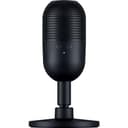 | 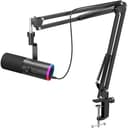 |
|---|---|---|
| Price | $40 | $40 |
| Rating | 4.6(904) | 4.5(676) |
| Sample Rate | 48 kHz | 48 kHz |
| Connection | USB | USB/XLR |
| Polar Pattern | Cardioid | — |
| Zero-Latency | — | Yes |
| Mute Button | Yes | Yes |
| Gain Control | Yes | Yes |
| Model Number | RZ19-05050100-R3U1 | TD510 Air S H+ |
| Software | Razer Synapse | None |
| Headphone Out | — | Yes |
Swipe horizontally to see all columns
Pros & Cons
Quick overview of strengths and weaknesses
Razer Seiren V3
- Condenser mic captures clear, detailed voice.
- Supercardioid pattern reduces background room noise.
- Tap-to-mute with LED prevents audio mishaps easily.
- Plug-and-play USB setup requires no drivers.
- Requires Razer Synapse for full audio adjustments.
- No physical gain control knob on the device.
- USB connection type offers limited interface options.
TONOR Dynamic Gaming
- AI noise cancellation reduces background sound.
- Dual USB/XLR outputs for flexible connections.
- Zero-latency monitoring via 3.5mm headphone jack.
- Integrated volume control and tap mute button.
- No dedicated software for advanced mic settings.
- RGB lighting provides no functional utility.
Frequently Asked Questions
Common questions about this comparison
Do both microphones offer a mute function?
Yes, both the Razer Seiren V3 Mini and the TONOR TD510 Air S H+ include a tap-to-mute sensor, with the Razer featuring an LED indicator for status.
Which microphone is better for reducing background noise?
The TONOR TD510 Air S H+ offers AI noise cancellation. The Razer Seiren V3 Mini uses a supercardioid pattern. Both effectively reduce ambient sound, but through different technologies.
Can I connect either of these microphones to an audio interface?
Only the TONOR TD510 Air S H+ offers dual connectivity with both USB and XLR outputs, allowing connection to audio interfaces. The Razer Seiren V3 Mini is USB-only.
Do these microphones offer real-time audio monitoring?
The TONOR TD510 Air S H+ provides zero-latency monitoring through its integrated 3.5mm headphone jack. The Razer Seiren V3 Mini does not explicitly list this feature.
Is software required to use these microphones?
The Razer Seiren V3 Mini uses Razer Synapse for full audio adjustments and gain control. The TONOR TD510 Air S H+ is plug-and-play with no dedicated software suite.
Related Comparisons
Similar products people compare
MAONO vs Razer
$42 vs $40
Movo vs Razer
$40 vs $40
Razer vs TONOR
$40 vs $32
FIFINE vs Razer
$57 vs $40
FIFINE vs Razer
$26 vs $40
FIFINE vs Razer
$58 vs $40
TONOR vs ZealSound
$40 vs $35
Movo vs TONOR
$40 vs $40
AKG vs TONOR
$40 vs $40
MAONO vs TONOR
$42 vs $40
TONOR vs MAONO
$40 vs $46
FIFINE vs TONOR
$30 vs $40
FIFINE vs TONOR
$57 vs $40
FIFINE vs Razer
$57 vs $40
FIFINE vs TONOR
$57 vs $40
Explore Other Categories
Popular comparisons across the site


Ask AI
Get instant answers about specs
Get the Deets
Ask our AI assistant
Ask Deets anything!