Our Verdict
ZealSound Gaming Microphone Wins
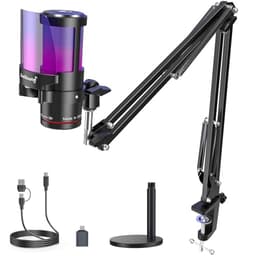
At $32.99, it offers a superior 192kHz sample rate and includes valuable accessories like a boom arm and pop filter, making it an excellent value for streamers and gamers seeking high-fidelity audio capture at a budget price. Its active noise reduction further enhances clarity, an advantage over the AKG Ara. The AKG Ara is the better pick for users requiring recording flexibility due to its multi-pattern polar pattern (cardioid and omnidirectional) which is crucial for interviews or group recordings, despite its higher $39.98 price and lower 96kHz sample rate.
Bottom Line: ZealSound Gaming Microphone is the better choice. At $32.
In-Depth Analysis
How they compare in practice
Both the AKG Ara and ZealSound K66s series microphones deliver impressive 24-bit audio depth, ensuring detailed sound capture. However, the ZealSound pulls ahead with a 192kHz sample rate compared to the AKG Ara's 96kHz. While 96kHz is more than sufficient for most podcasting and streaming needs, the ZealSound's higher rate offers a technical edge for audiophiles or those working on highly detailed audio projects, theoretically capturing more nuances in sound. In real-world use, this difference might be subtle but provides greater headroom for post-production and professional-grade recordings. A critical divergence lies in their polar patterns. The AKG Ara boasts a multi-pattern design, offering both cardioid for focused direct sound and omnidirectional for capturing room ambiance or multiple speakers. This flexibility makes the AKG Ara exceptionally well-suited for varied content creation scenarios, from solo voiceovers to group interviews or even acoustic instrument recording. Conversely, the ZealSound K66s is strictly a cardioid microphone. While excellent for isolating a single voice and minimizing background noise, its fixed pattern limits its utility for multi-person setups or environmental sound capture. The ZealSound K66s series stands out significantly in its value proposition, not just with its lower $32.99 price but also by including essential accessories like a boom arm and pop filter. These additions immediately make it a more complete package for a new streamer or gamer, saving them from immediate additional purchases. The AKG Ara, priced at $39.98, offers only the microphone unit itself. Furthermore, the ZealSound incorporates active noise reduction, a feature beneficial for mitigating common ambient sounds in home recording environments, providing clearer audio without extra software processing. Both mics offer convenient USB plug-and-play connectivity, zero-latency monitoring, and dedicated gain control and mute buttons, ensuring a smooth user experience. The AKG's USB-C connection is modern and robust. While the ZealSound includes RGB lighting, this is purely aesthetic and doesn't enhance audio quality, potentially being a distraction for some users. The trade-off is clear: the AKG offers recording versatility for a slightly higher price without accessories, while the ZealSound provides superior sample rate, built-in noise reduction, and a full accessory kit at a more attractive price, albeit with less pattern flexibility.
Key Differences
The most significant spec differences at a glance
Sample Rate
50% lessAdvantages
Where each product wins

ZealSound
- Sample Rate: 50% higher (96.0 vs 192.0)
Which to Pick for Your Situation
Concrete scenarios with a clear recommendation
For solo gaming and streaming
ZealSoundThe ZealSound's cardioid pattern effectively isolates a single voice, and its included boom arm and pop filter provide an immediate, complete setup for focused audio.
For multi-person podcast interviews
AKGThe AKG Ara's multi-pattern capability (including omnidirectional) allows for capturing audio from multiple speakers or entire room ambiance, which is crucial for interviews.
For a complete setup on a tight budget
ZealSoundPriced at $32.99, the ZealSound includes a boom arm and pop filter, offering significant immediate value compared to the $39.98 AKG without accessories.
For maximizing audio detail and clarity
ZealSoundThe ZealSound offers a higher 192kHz sample rate, providing more detailed audio capture, complemented by active noise reduction for cleaner sound.
Who Should Buy Which?
Find the right product for your needs

Buy AKG if...
AKG Pro Audio Ara
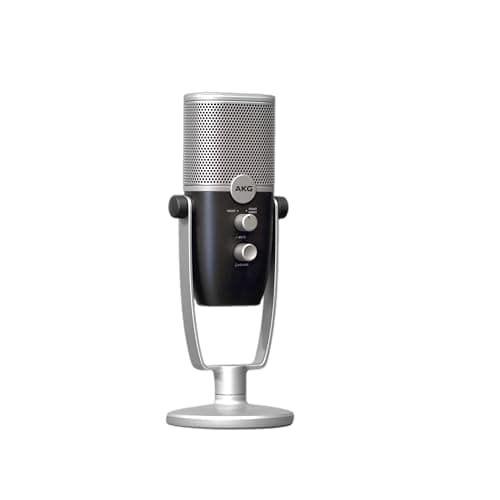
The AKG Ara is the ideal choice for burgeoning content creators, independent podcasters, or musicians who require adaptable recording capabilities without a complex setup. This buyer prioritizes versatility above all, needing a microphone that can seamlessly transition from solo narration or singing (using its cardioid pattern) to capturing dynamic group discussions, interviews, or even the natural ambiance of a room (leveraging its omnidirectional pattern). They appreciate the professional lineage of AKG Pro Audio and value the fundamental quality of a 24-bit/96kHz audio capture over the highest possible sample rate, understanding that 96kHz is perfectly adequate for most professional outputs. This user likely already owns or is prepared to invest in a separate boom arm and pop filter, viewing the microphone itself as the core, quality component. They need reliable USB-C plug-and-play functionality across various operating systems, ensuring minimal setup friction. They are not swayed by gaming aesthetics like RGB lighting, instead focusing on pure audio functionality and the ability to adapt to diverse recording environments that the ZealSound's fixed cardioid pattern cannot match. They are giving up the ZealSound's bundled accessories and active noise reduction in favor of polar pattern flexibility.

Buy ZealSound if...
ZealSound Gaming Microphone for
The ZealSound Gaming Microphone is perfectly suited for avid gamers, live streamers, and budget-conscious entry-level podcasters who primarily need crisp, focused vocal capture for a single speaker. This buyer values an all-in-one solution that's ready to go right out of the box, as evidenced by the inclusion of a sturdy boom arm and pop filter, eliminating the need for separate accessory purchases. Their priority is excellent vocal isolation and clarity, which the microphone delivers through its cardioid polar pattern and particularly its active noise reduction feature, combating common ambient noises like keyboard clicks or fan hum during intense gaming sessions. They appreciate the plug-and-play USB connection and the impressive 192kHz/24-bit audio capture, understanding it provides high fidelity for their streaming and recording needs. While they might appreciate the RGB lighting for aesthetic appeal, their core focus is on functional performance and undeniable value for its $32.99 price point. They are willing to forego the multi-pattern flexibility of a microphone like the AKG Ara, as their primary use cases are centered around direct, focused audio input. This user seeks immediate utility, superior sound detail for their specific application, and maximum value.
Spec Comparison
10 specs compared
| Specification |  |  |
|---|---|---|
| Price | $40 | $33 |
| Rating | 4.5(259) | 4.4(1.2k) |
| Sample Rate | 96 kHz | 192 kHz |
| Bit Depth | 24 | 24 |
| Connection | USB | USB |
| Polar Pattern | multi-pattern | Cardioid |
| Zero-Latency | Yes | Yes |
| Mute Button | Yes | Yes |
| Gain Control | Yes | Yes |
| Model Number | AKG-C22-USB | k66s series |
| Headphone Out | Yes | Yes |
| Software | — | None |
Swipe horizontally to see all columns
Pros & Cons
Quick overview of strengths and weaknesses
AKG Pro Audio
- 24-bit/96kHz high-resolution audio capture.
- Dual polar patterns for diverse recording use.
- USB-C plug-and-play for multi-OS compatibility.
- Zero-latency monitoring, gain control, and mute.
- Integrated USB interface limits system upgradeability.
- Lacks XLR output for traditional pro audio gear.
ZealSound Gaming Microphone
- Wide device compatibility, no drivers needed
- High-res 192kHz/24-bit audio capture
- Active noise reduction filters ambient sound
- Zero-latency monitoring with volume control
- RGB lighting adds no audio utility
- Limited to cardioid polar pattern
- No dedicated software for advanced settings
Frequently Asked Questions
Common questions about this comparison
Which microphone is better for a dedicated solo streaming setup?
The ZealSound Gaming Microphone (b) is highly recommended. Its cardioid polar pattern focuses on your voice, and it includes essential accessories like a boom arm and pop filter right out of the box, making it an excellent, complete solution for streamers.
Can I connect these microphones to an iPhone or Android phone?
The ZealSound microphone (b) explicitly states compatibility with iPhone/Phone, making it suitable for mobile recording on the go. The AKG Ara (a) primarily specifies multi-OS compatibility for computers.
What is the practical difference between 96kHz and 192kHz sample rates?
A higher sample rate like ZealSound's 192kHz technically captures more audio detail than AKG's 96kHz, offering greater fidelity and headroom for professional editing. For most standard use cases like podcasts or streaming, both deliver excellent quality.
Which microphone offers more versatility for different recording situations?
The AKG Ara (a) is more versatile due to its multi-pattern polar pattern, offering both cardioid (for single speakers) and omnidirectional (for group discussions or ambient sounds), unlike the ZealSound (b) which is fixed to cardioid.
Do either of these microphones include a desktop stand or boom arm?
Yes, the ZealSound Gaming Microphone (b) comes with both a boom arm and a desktop stand, providing versatile mounting options immediately. The AKG Ara (a) typically comes with a basic desktop stand.
Which mic is better for reducing background noise?
The ZealSound Gaming Microphone (b) includes active noise reduction technology, which helps filter out ambient sounds more effectively. Both have cardioid patterns for focused pickup, but the ZealSound offers an extra layer of noise reduction.
Related Comparisons
Similar products people compare
AKG vs FIFINE
$40 vs $58
AKG vs TONOR
$40 vs $30
AKG vs TONOR
$40 vs $35
AKG vs FIFINE
$40 vs $57
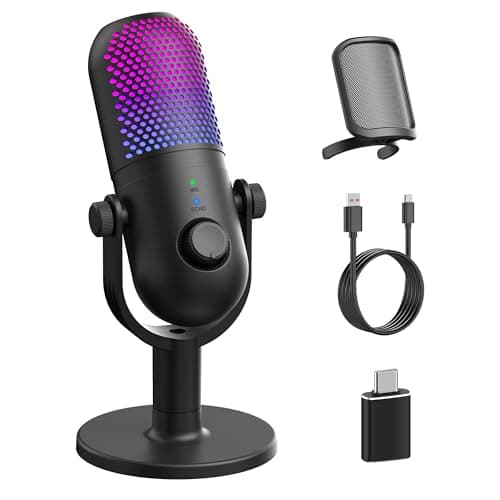
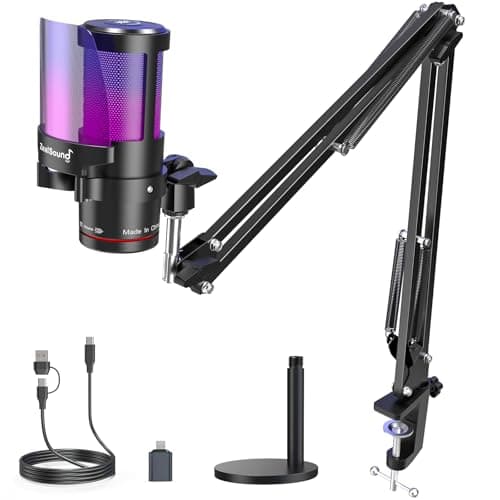
GUEVWES vs ZealSound
$23 vs $33
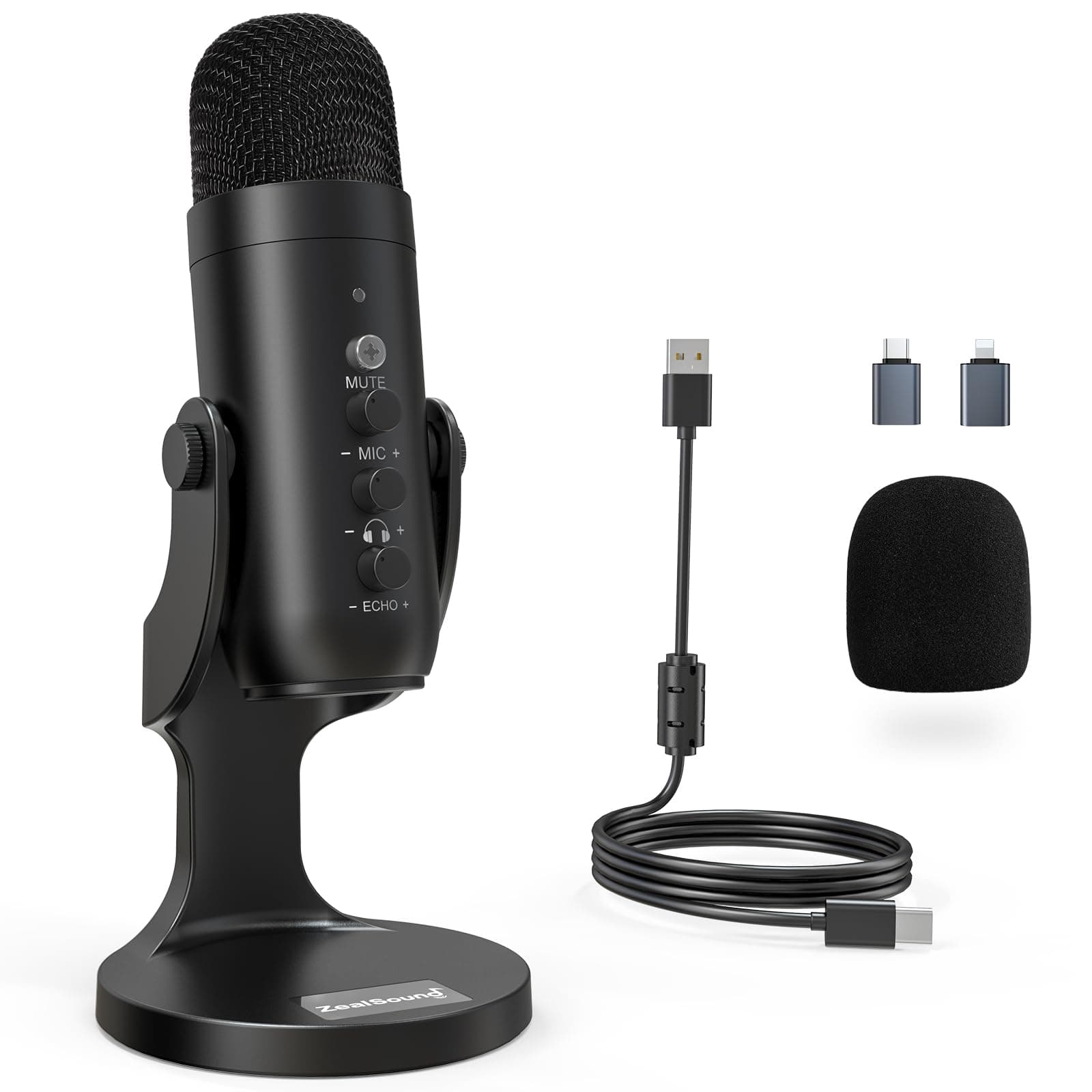
ZealSound vs ZealSound
$33 vs $35
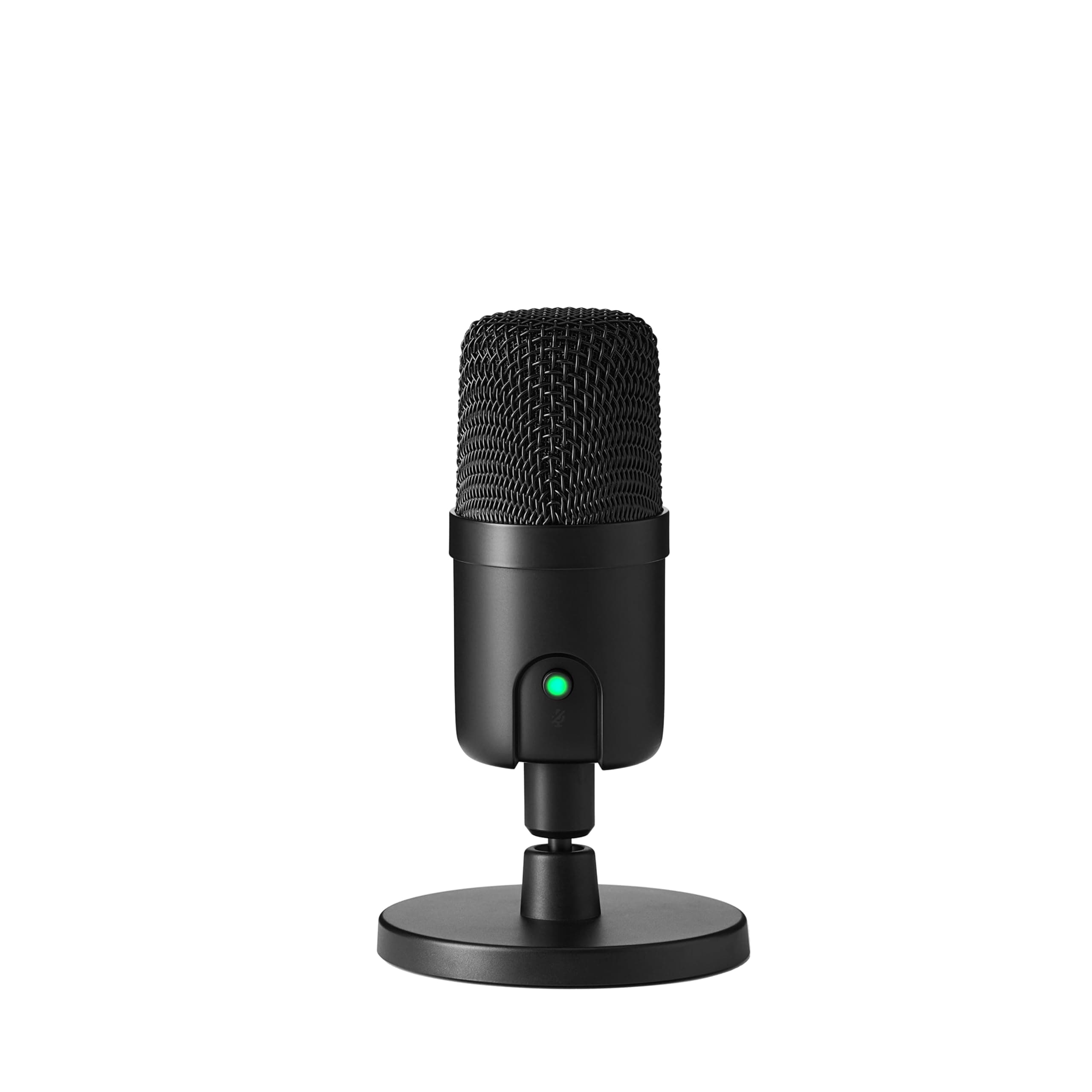
Amazon Basics vs ZealSound
$25 vs $33
Razer vs ZealSound
$40 vs $33
FIFINE vs ZealSound
$26 vs $33
InnoGear vs ZealSound
$27 vs $33
COCONISE vs ZealSound
$24 vs $33
MAONO vs ZealSound
$46 vs $33
AKG vs InnoGear
$40 vs $40
AKG vs InnoGear
$40 vs $27
AKG vs MAONO
$40 vs $42
Explore Other Categories
Popular comparisons across the site


Ask AI
Get instant answers about specs
Get the Deets
Ask our AI assistant
Ask Deets anything!