Our Verdict
TONOR TD510 AIR S H+ Wins
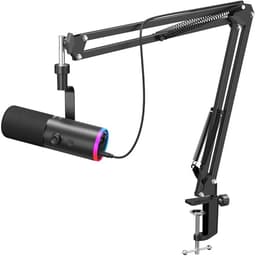
At a significantly lower price point of $39.99, the TONOR offers comparable core audio quality with a 48kHz sample rate and dual USB/XLR connectivity, crucially adding AI noise cancellation and including a boom arm, offering superior out-of-the-box value. The FIFINE K688, while offering a high 130dB SPL for distortion prevention, costs $57.79 and requires separate purchase of a boom arm and cables, making it less appealing for budget-conscious users seeking an all-in-one solution. The FIFINE might be a better pick for users who prioritize raw SPL handling for very loud sources and prefer a heavier, potentially more premium metal build, without needing AI noise cancellation or included accessories.
Bottom Line: TONOR TD510 AIR S H+ is the better choice. At a significantly lower price point of $39.
In-Depth Analysis
How they compare in practice
The FIFINE K688 and TONOR TD510 AIR S H+ both present themselves as versatile dynamic microphones for content creators, offering the essential dual USB/XLR connectivity and 48kHz sample rate for quality audio capture, alongside zero-latency monitoring. However, their approaches to delivering value and performance diverge notably, particularly when considering their price points and included features.
The most striking difference lies in the value proposition. The TONOR TD510 AIR S H+ is priced at a highly competitive $39.99 and crucially includes a boom arm, which is a significant saving for a complete setup. In contrast, the FIFINE K688 costs $57.79 and explicitly notes that an XLR cable, boom arm, and mic stand are not included, adding substantial hidden costs to its initial purchase. This makes the TONOR a far more accessible plug-and-play solution right out of the box for many users.
Performance-wise, the TONOR distinguishes itself with AI noise cancellation, a feature specifically designed to combat ambient background sounds in real-time, making it exceptionally appealing for gamers or streamers in less-than-ideal acoustic environments. While the FIFINE K688 relies on its cardioid polar pattern and the user maintaining a close mic distance to reduce noise, it does boast a high 130dB SPL rating, which provides superior headroom against audio distortion, making it potentially better for users with powerful voices or instruments.
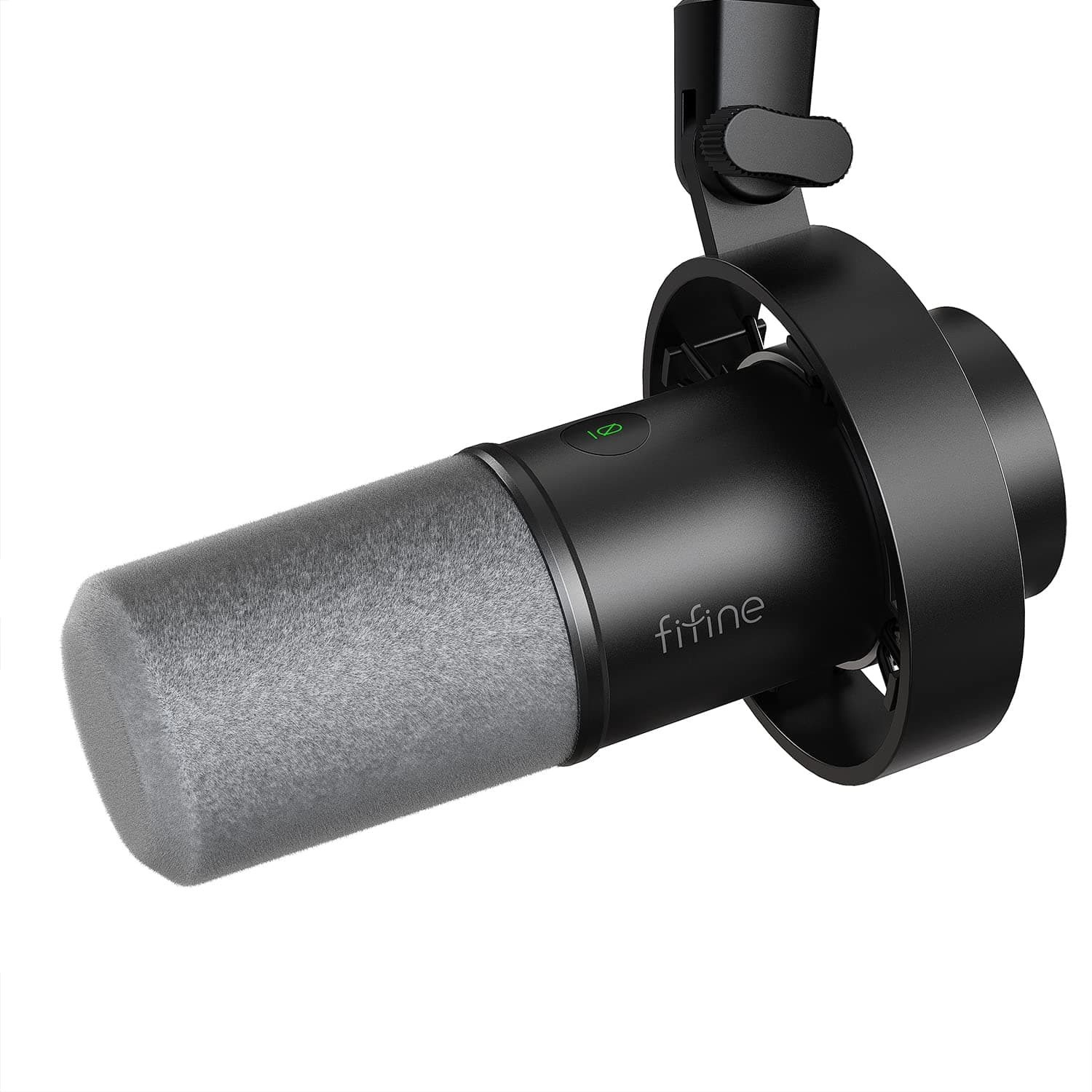
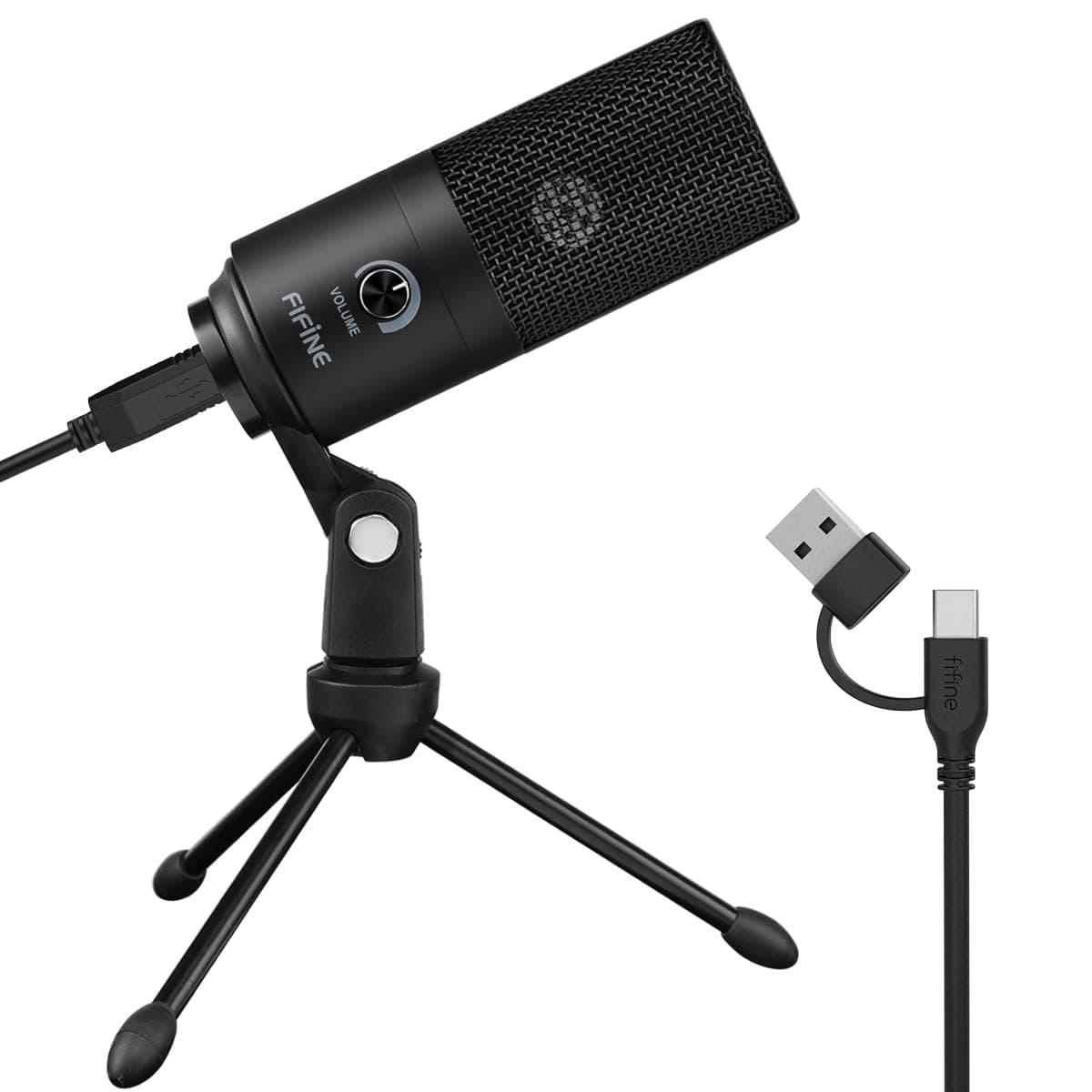
In terms of build and controls, the FIFINE K688 is described as a "Studio Metal Mic" weighing 1.12 lbs, suggesting a robust and premium feel. Its onboard controls, however, are limited to USB functionality. The TONOR, while not detailing its build material or weight, offers integrated volume control and a convenient tap-mute button, plus controllable RGB lighting for aesthetic appeal, though its utility is purely visual. For practical, real-world use, the TONOR’s AI noise cancellation often translates to a cleaner sound profile for typical podcasting or gaming scenarios, directly addressing a common pain point for home users. The FIFINE’s higher SPL might benefit more controlled recording environments or specific vocalists who push volume limits.
Which to Pick for Your Situation
Concrete scenarios with a clear recommendation
For an aspiring streamer or gamer on a tight budget
TONORThe TONOR TD510 AIR S H+ costs only $39.99 and includes a boom arm, providing a complete, cost-effective setup with crucial AI noise cancellation for clear communication.
For recording podcasts or voice-overs in a home office with background noise
TONORThe TONOR TD510 AIR S H+ features AI noise cancellation, actively reducing ambient sounds to deliver cleaner audio, a significant advantage over passive noise reduction.
For vocalists or musicians needing to mic loud instruments without distortion
FIFINEThe FIFINE K688 offers a high 130dB SPL (Sound Pressure Level) rating, providing excellent headroom to prevent audio distortion from loud sources.
For flexible connectivity between PC and professional audio interfaces
TieBoth the FIFINE K688 and TONOR TD510 AIR S H+ offer dual USB and XLR connection types, providing versatility for various setups.
Who Should Buy Which?
Find the right product for your needs

Buy FIFINE if...
FIFINE Dynamic Microphone, XLR/USB
The FIFINE K688 is ideal for a user who prioritizes robust build quality, high sound pressure level handling, and a more "studio-grade" feel, even if it means investing separately in accessories. This buyer might be a budding vocalist, instrument player, or podcaster with a powerful voice who needs a microphone capable of handling loud inputs without distortion, thanks to its high 130dB SPL. They likely already own or are willing to purchase an XLR cable, boom arm, or mic stand, or they intend to integrate it into an existing audio setup, preferring to choose their peripherals. While the K688 offers versatile dual USB/XLR connectivity with a standard 48kHz sample rate, the ideal user will appreciate the traditional cardioid polar pattern for focused pickup in controlled environments, valuing raw audio capture capability over software-driven noise reduction. They might use the USB for quick, casual sessions, but lean on the XLR for higher-quality recordings into an audio interface. This user values durability and performance headroom, understanding that the core microphone quality is paramount, and they're not swayed by aesthetic features like RGB lighting or the convenience of bundled accessories, instead focusing on the microphone's inherent performance characteristics for professional or semi-professional applications.

Buy TONOR if...
TONOR Dynamic Gaming Microphone,
The TONOR TD510 AIR S H+ is perfectly suited for the entry-level to intermediate content creator, gamer, or streamer who needs a complete, affordable, and effective microphone solution right out of the box. Their top priority is clear, intelligible audio with minimal background noise, without breaking the bank. The inclusion of a boom arm significantly enhances its value, making it an all-in-one package for only $39.99, saving the user the hassle and expense of purchasing separate mounting hardware. The standout feature for this buyer is the AI noise cancellation, which actively filters out ambient sounds, making it invaluable for home setups where room acoustics aren't perfect or there's consistent background chatter or fan noise. This user values convenience and immediate functionality, appreciating the plug-and-play USB connection and integrated tap-mute button for quick control during live sessions. While it also offers an XLR option and a 48kHz sample rate for quality audio, its core appeal is its ability to deliver clean audio for live communication and basic recordings in typical home environments, complemented by a bit of customizable RGB flair. They are willing to forgo higher SPL handling or a heavier metal build for a more budget-friendly and feature-rich package that directly addresses common audio challenges.
Spec Comparison
11 specs compared
| Specification | 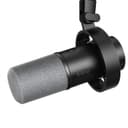 | 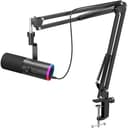 |
|---|---|---|
| Price | $58 | $40 |
| Rating | 4.6(3.7k) | 4.5(676) |
| Sample Rate | 48 kHz | 48 kHz |
| Connection | USB/XLR | USB/XLR |
| Polar Pattern | Cardioid | — |
| Zero-Latency | Yes | Yes |
| Weight | 1.12 lbs | — |
| Mute Button | Yes | Yes |
| Gain Control | Yes | Yes |
| Software | None | None |
| Headphone Out | Yes | Yes |
| Freq. Response | {"high":20000} | — |
| Model Number | — | TD510 Air S H+ |
Swipe horizontally to see all columns
Pros & Cons
Quick overview of strengths and weaknesses
FIFINE Dynamic Microphone,
- High 130dB SPL prevents audio distortion
- Cardioid pattern reduces ambient background noise
- Dual USB and XLR connectivity options
- Plug-and-play USB for quick setup on PC/Mac
- XLR cable, boom arm, mic stand not included
- Onboard controls only function via USB connection
- Requires close mic distance for best audio pickup
TONOR Dynamic Gaming
- AI noise cancellation reduces background sound.
- Dual USB/XLR outputs for flexible connections.
- Zero-latency monitoring via 3.5mm headphone jack.
- Integrated volume control and tap mute button.
- No dedicated software for advanced mic settings.
- RGB lighting provides no functional utility.
Frequently Asked Questions
Common questions about this comparison
Do these microphones require additional software to operate?
No, both the FIFINE K688 and TONOR TD510 AIR S H+ are plug-and-play via USB, requiring no dedicated software suite for basic functionality on PC/Mac.
Can I use these microphones with professional audio equipment?
Yes, both microphones feature an XLR connection, allowing them to be connected to audio interfaces, mixers, and other professional audio gear.
Which microphone is better for reducing background noise?
The TONOR TD510 AIR S H+ includes AI noise cancellation to actively reduce background sound. The FIFINE K688 relies on its cardioid pattern and close mic distance.
Do either of these mics come with a stand or boom arm?
The TONOR TD510 AIR S H+ includes a boom arm. The FIFINE K688 does not include an XLR cable, boom arm, or mic stand.
What is the sample rate for these microphones?
Both the FIFINE K688 and TONOR TD510 AIR S H+ capture audio at a 48kHz sample rate, which is standard for high-quality podcasting and streaming.
Is zero-latency monitoring available on both?
Yes, both the FIFINE K688 and TONOR TD510 AIR S H+ offer zero-latency monitoring via a 3.5mm headphone jack for real-time audio feedback.
Related Comparisons
Similar products people compare
FIFINE vs MAONO
$58 vs $80
FIFINE vs MAONO
$58 vs $42
FIFINE vs FIFINE
$58 vs $57
AKG vs FIFINE
$40 vs $58
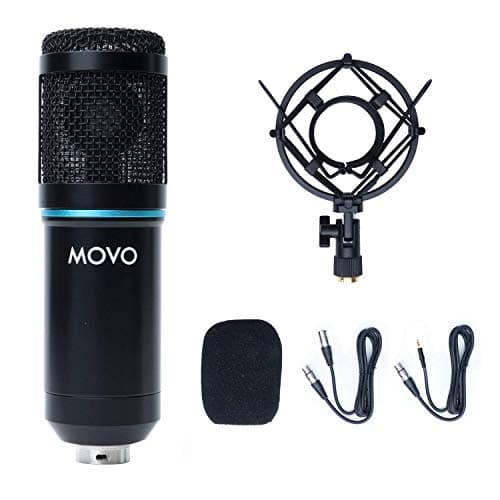
FIFINE vs Movo
$58 vs $40
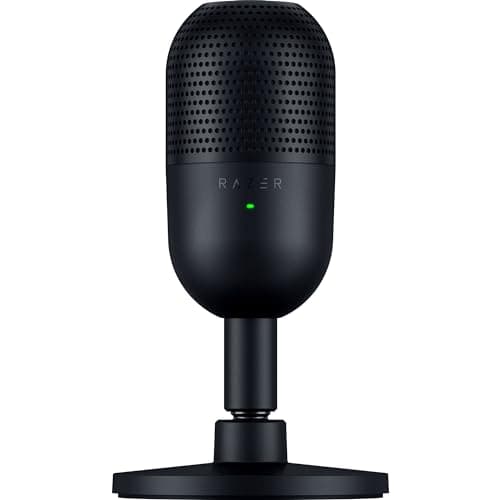
FIFINE vs Razer
$58 vs $40
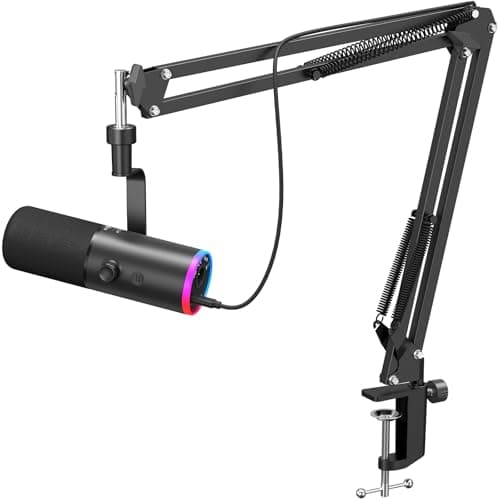
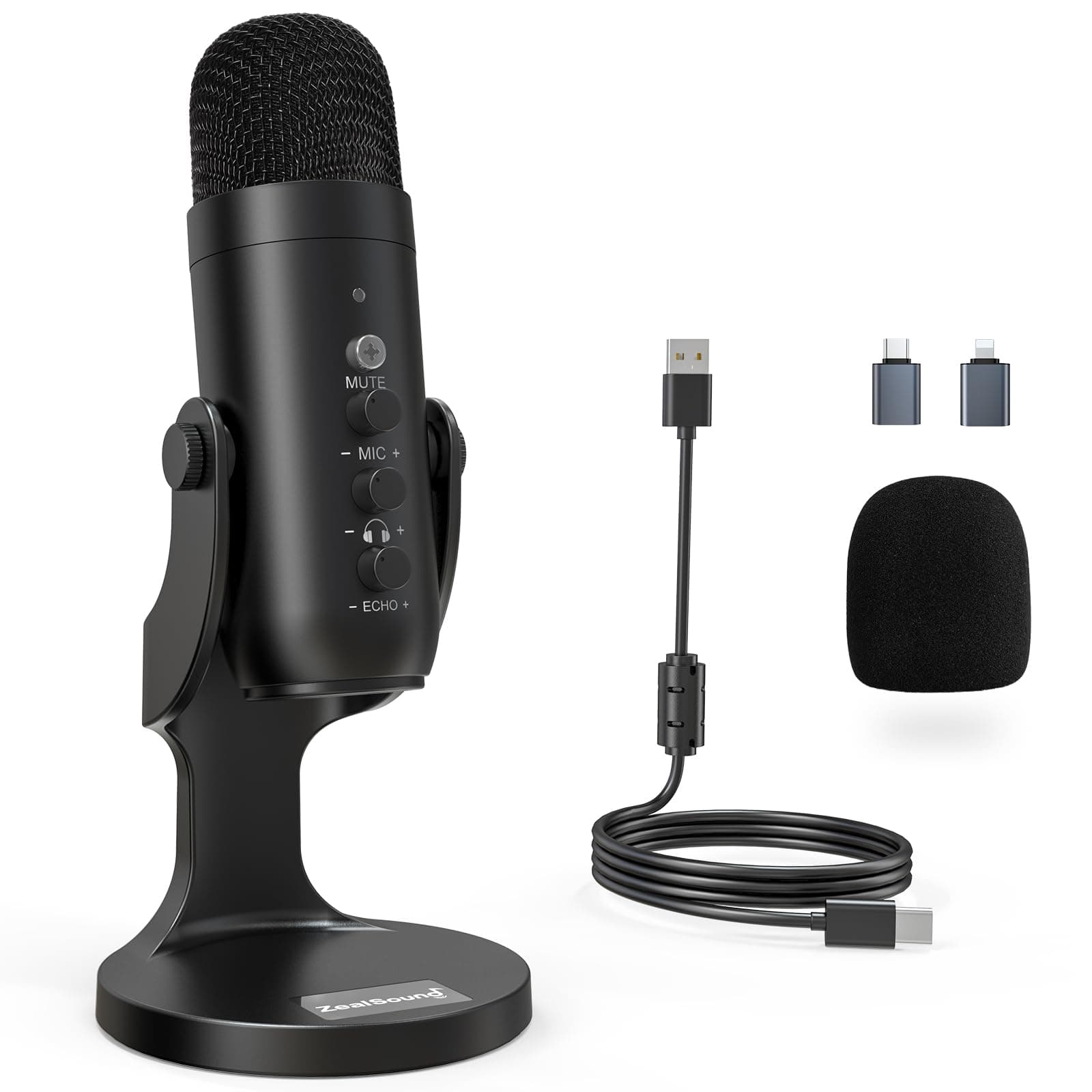
TONOR vs ZealSound
$40 vs $35
Movo vs TONOR
$40 vs $40
AKG vs TONOR
$40 vs $40
Razer vs TONOR
$40 vs $40
MAONO vs TONOR
$42 vs $40
TONOR vs MAONO
$40 vs $46
FIFINE vs TONOR
$30 vs $40
FIFINE vs TONOR
$57 vs $40
FIFINE vs FIFINE
$58 vs $57
Explore Other Categories
Popular comparisons across the site


Ask AI
Get instant answers about specs
Get the Deets
Ask our AI assistant
Ask Deets anything!