Our Verdict
FIFINE Amplitank K688 Wins
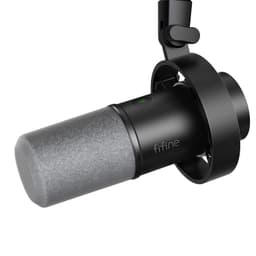
Its dual USB/XLR connectivity and integrated zero-latency monitoring at $57.79 provide significantly more versatility and convenience compared to the Movo PC-M6's XLR-only connection and need for an external audio interface. The Movo PC-M6 is the better pick for users who already possess an XLR audio interface with phantom power and prioritize a sub-$40 price point for a basic cardioid condenser microphone.
Bottom Line: FIFINE Amplitank K688 is the better choice. Its dual USB/XLR connectivity and integrated zero-latency monitoring at $57.
In-Depth Analysis
How they compare in practice
The FIFINE Amplitank K688 and Movo PC-M6 target different segments of the entry-level microphone market, primarily distinguished by their connectivity and additional features. The FIFINE K688 shines with its dual USB and XLR output, offering immediate plug-and-play convenience for streamers and podcasters via USB, complete with onboard gain control, a mute button, and a 3.5mm headphone jack for zero-latency monitoring. This setup means a user can be up and running on a PC or Mac without needing any additional hardware beyond the microphone itself, making it incredibly user-friendly for beginners.
In contrast, the Movo PC-M6 is an XLR-only condenser microphone. While it records at a comparable 48kHz sample rate with a 16-bit depth and offers a full 20Hz-20kHz frequency response, its reliance on an XLR connection necessitates an external audio interface with phantom power. This adds to the overall cost and complexity for anyone starting from scratch, positioning the Movo PC-M6 more as an expansion for an existing audio setup or for users comfortable with more traditional audio workflows. Without direct USB, it lacks the direct control options found on the FIFINE.
A crucial difference lies in the microphone type: the FIFINE K688 is a dynamic microphone, while the Movo PC-M6 is a condenser. Dynamic microphones like the K688 are generally more forgiving in untreated acoustic environments, less sensitive to ambient noise, and better at handling high sound pressure levels (like the K688's 130dB SPL, which prevents distortion). This makes it ideal for home offices or rooms with less soundproofing. Condenser microphones, such as the Movo PC-M6, are known for capturing more detail and a broader frequency range, making them excellent for treated studio environments where nuance is paramount, but they are also more susceptible to picking up room reflections and background sounds.
Considering the price difference of approximately $18, the FIFINE Amplitank K688 offers a much higher value proposition for the average user seeking convenience, versatility, and an all-in-one solution. While the Movo PC-M6 is cheaper upfront and includes a shock mount and pop filter, its total cost of ownership often increases significantly once an audio interface is factored in. The FIFINE K688 caters to those who prioritize a streamlined setup and immediate functionality, whereas the Movo PC-M6 appeals to budget-conscious users already equipped with an XLR interface or those building a more modular audio system.
Which to Pick for Your Situation
Concrete scenarios with a clear recommendation
For a beginner streamer/podcaster needing an easy setup
FIFINEThe FIFINE K688 offers dual USB connectivity and zero-latency monitoring, allowing for immediate plug-and-play use on PC/Mac without extra gear.
For a budget-conscious user with an existing audio interface
MovoThe Movo PC-M6 is significantly more affordable at $39.95 and integrates seamlessly into an existing XLR setup that provides phantom power.
For recording in an acoustically untreated room
FIFINEAs a dynamic microphone with a cardioid pattern, the FIFINE K688 is better at rejecting ambient noise and handling louder sources without distortion (130dB SPL).
For users who require direct monitoring and control on the mic
FIFINEThe FIFINE K688 features a headphone output for zero-latency monitoring, a mute button, and gain control, all accessible directly on the microphone.
Who Should Buy Which?
Find the right product for your needs

Buy FIFINE if...
FIFINE Dynamic Microphone, XLR/USB
The FIFINE Amplitank K688 is the ideal choice for aspiring streamers, podcasters, and content creators seeking an all-in-one, user-friendly audio solution without breaking the bank. This buyer prioritizes ease of use and immediate functionality; they want to plug in and start recording or streaming without fuss. Their needs revolve around clear vocal capture in a home environment that might not be acoustically treated, appreciating the dynamic microphone's ability to minimize ambient noise. The dual USB/XLR connectivity is crucial for them, offering flexibility for direct computer connection via USB for quick setups, while XLR provides an upgrade path if they acquire an audio interface later. Features like the onboard mute button, gain control, and zero-latency headphone monitoring via the 3.5mm jack are essential for managing audio during live sessions, giving them full control without needing additional software. They are willing to pay a slightly higher price for convenience and a complete feature set, knowing they won't need to purchase an external audio interface right away.

Buy Movo if...
Movo PC-M6 Universal Cardioid
The Movo PC-M6 is perfectly suited for the budget-conscious audio enthusiast or content creator who already possesses an XLR audio interface with phantom power. This buyer is likely looking to expand an existing home studio setup or replace an older, lower-quality XLR microphone, without needing the all-in-one convenience of a USB microphone. Their priorities are a low upfront cost for a solid cardioid condenser microphone and integrating it into their established workflow. While it lacks direct USB connectivity and onboard controls, this user relies on their audio interface for gain, monitoring, and phantom power. They value the specified 48kHz/16-bit audio recording capability and the 20Hz-20kHz frequency range for detailed sound capture, understanding that as a condenser, it will perform best in a quiet, acoustically controlled environment. The inclusion of a shock mount and pop filter adds value for this segment, providing essential accessories that would typically be separate purchases, allowing them to achieve quality audio within a strict budget, leveraging their existing equipment.
Spec Comparison
12 specs compared
| Specification |  | 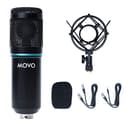 |
|---|---|---|
| Price | $58 | $40 |
| Rating | 4.6(3.7k) | 4.0(112) |
| Sample Rate | 48 kHz | 48 kHz |
| Bit Depth | — | 16 |
| Connection | USB/XLR | XLR |
| Polar Pattern | Cardioid | Cardioid |
| Zero-Latency | Yes | — |
| Weight | 1.12 lbs | — |
| Mute Button | Yes | — |
| Gain Control | Yes | — |
| Software | None | — |
| Headphone Out | Yes | — |
| Freq. Response | {"high":20000} | 20Hz - 20kHz |
| Model Number | — | PC-M6 |
Swipe horizontally to see all columns
Pros & Cons
Quick overview of strengths and weaknesses
FIFINE Dynamic Microphone,
- High 130dB SPL prevents audio distortion
- Cardioid pattern reduces ambient background noise
- Dual USB and XLR connectivity options
- Plug-and-play USB for quick setup on PC/Mac
- XLR cable, boom arm, mic stand not included
- Onboard controls only function via USB connection
- Requires close mic distance for best audio pickup
Movo PC-M6 Universal
- Records 48kHz/16-bit audio.
- 20Hz-20kHz frequency range.
- Cardioid polar pattern.
- Includes shock mount.
- Requires external audio interface.
- Needs phantom power.
- Lacks direct USB computer connection.
Frequently Asked Questions
Common questions about this comparison
Does either microphone connect directly to a computer via USB?
Yes, the FIFINE Amplitank K688 offers direct USB connectivity, making it plug-and-play for PC and Mac. The Movo PC-M6 only connects via XLR and requires an external audio interface.
Do I need phantom power for these microphones?
The Movo PC-M6, being a condenser microphone, requires 48V phantom power, typically supplied by an audio interface. The FIFINE K688, a dynamic microphone, does not require phantom power when used via XLR, and operates off USB bus power.
Which microphone is better for reducing background noise?
Both mics have a cardioid polar pattern, good for rejecting off-axis sound. However, the dynamic nature of the FIFINE K688 often makes it more effective in untreated rooms by being less sensitive to ambient noise.
Does the FIFINE K688 have a mute button and headphone jack?
Yes, the FIFINE K688 includes a physical mute button and a 3.5mm headphone jack for zero-latency monitoring, enhancing convenience for live use.
What is the frequency response of these microphones?
Both microphones offer a frequency response up to 20000Hz. The Movo PC-M6 specifies a low end of 20Hz, while the FIFINE K688 provides strong vocal clarity with excellent high-end detail.
Related Comparisons
Similar products people compare
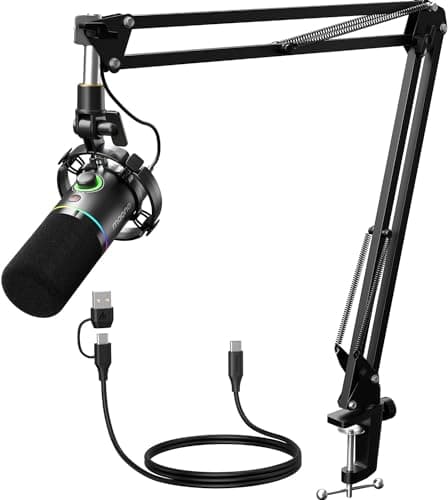
FIFINE vs MAONO
$58 vs $80
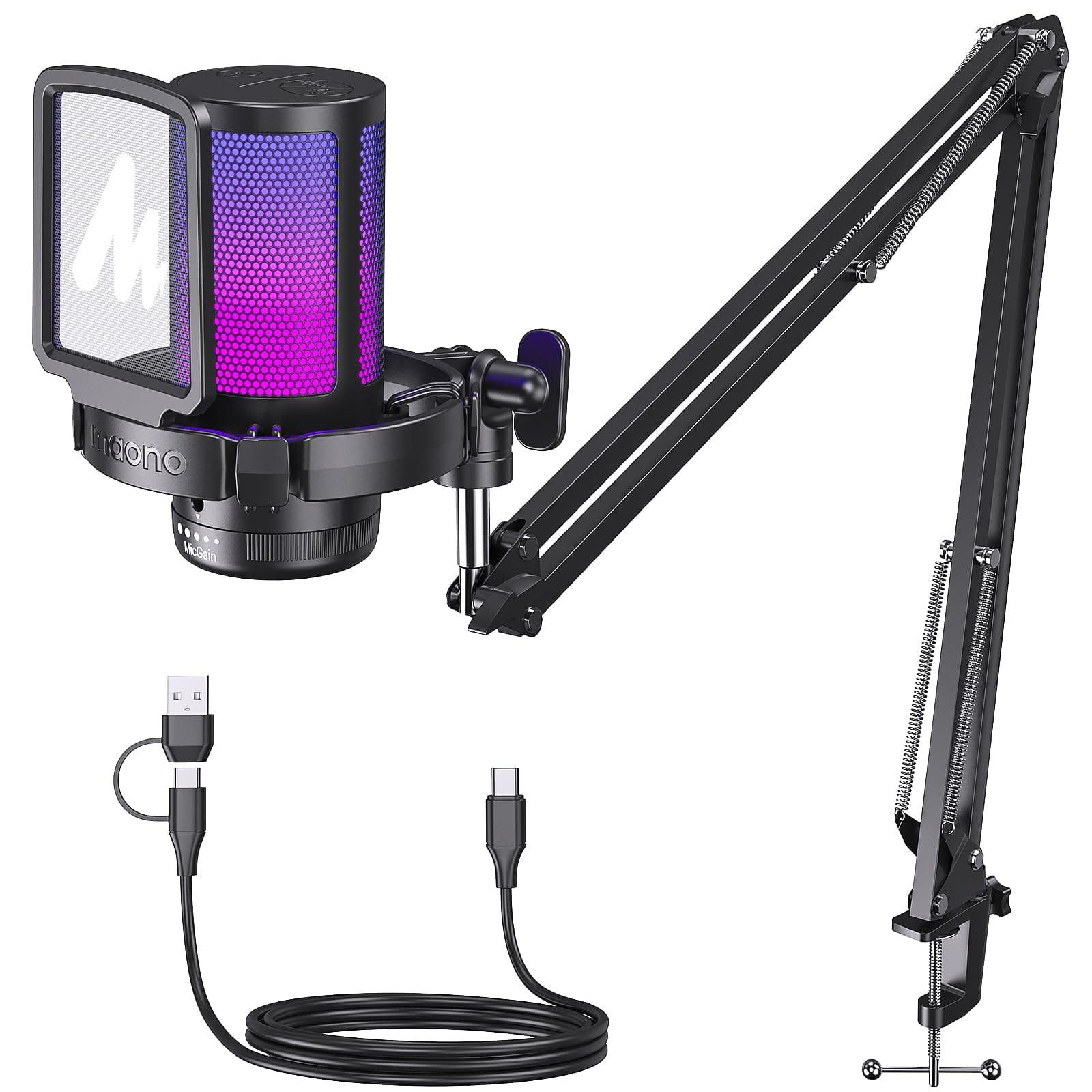
FIFINE vs MAONO
$58 vs $42
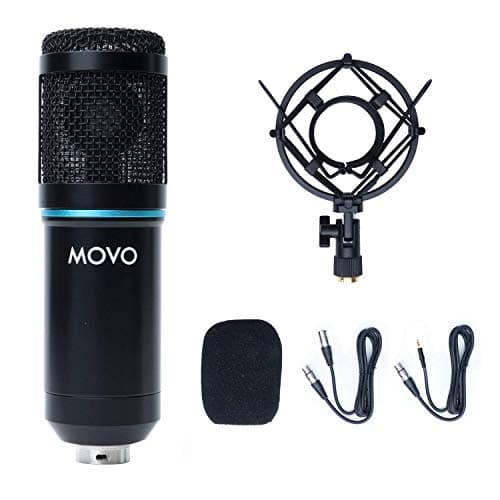
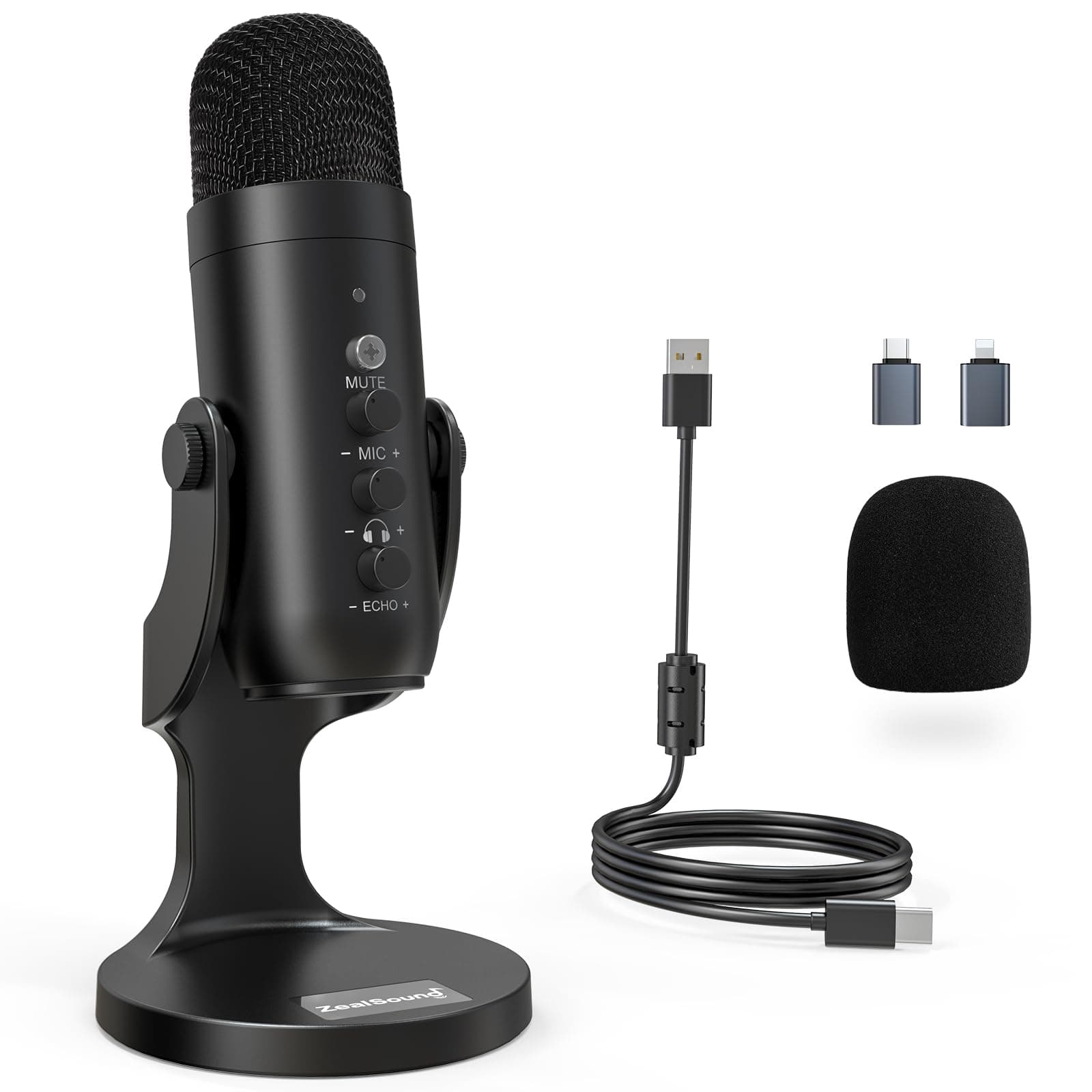
Movo vs ZealSound
$40 vs $35
FIFINE vs Movo
$57 vs $40
MAONO vs Movo
$42 vs $40
FIFINE vs FIFINE
$58 vs $57
Movo vs TONOR
$40 vs $32
Amazon Basics vs Movo
$25 vs $40
FIFINE vs Movo
$30 vs $40
AKG vs FIFINE
$40 vs $58
FIFINE vs Movo
$26 vs $40
Movo vs MAONO
$40 vs $46
Movo vs Razer
$40 vs $40
FIFINE vs Razer
$58 vs $40
AKG vs Movo
$40 vs $40
Explore Other Categories
Popular comparisons across the site




Ask AI
Get instant answers about specs
Get the Deets
Ask our AI assistant
Ask Deets anything!