Our Verdict
FIFINE AmpliGame AM8 Wins
Priced lower at $54.99 and including a desktop stand, it offers superior out-of-the-box value and immediate usability for streamers and casual users, matching the Amplitank K688's 48kHz sample rate, cardioid polar pattern, and dual USB/XLR connectivity. The FIFINE Amplitank K688 is the better pick for audio enthusiasts or professionals who prioritize a wider 20kHz high-frequency response and a higher 130dB SPL for demanding vocal or instrument recording without distortion, provided they are willing to invest in separate mounting accessories.
Bottom Line: FIFINE AmpliGame AM8 is the better choice. Priced lower at $54.
In-Depth Analysis
How they compare in practice
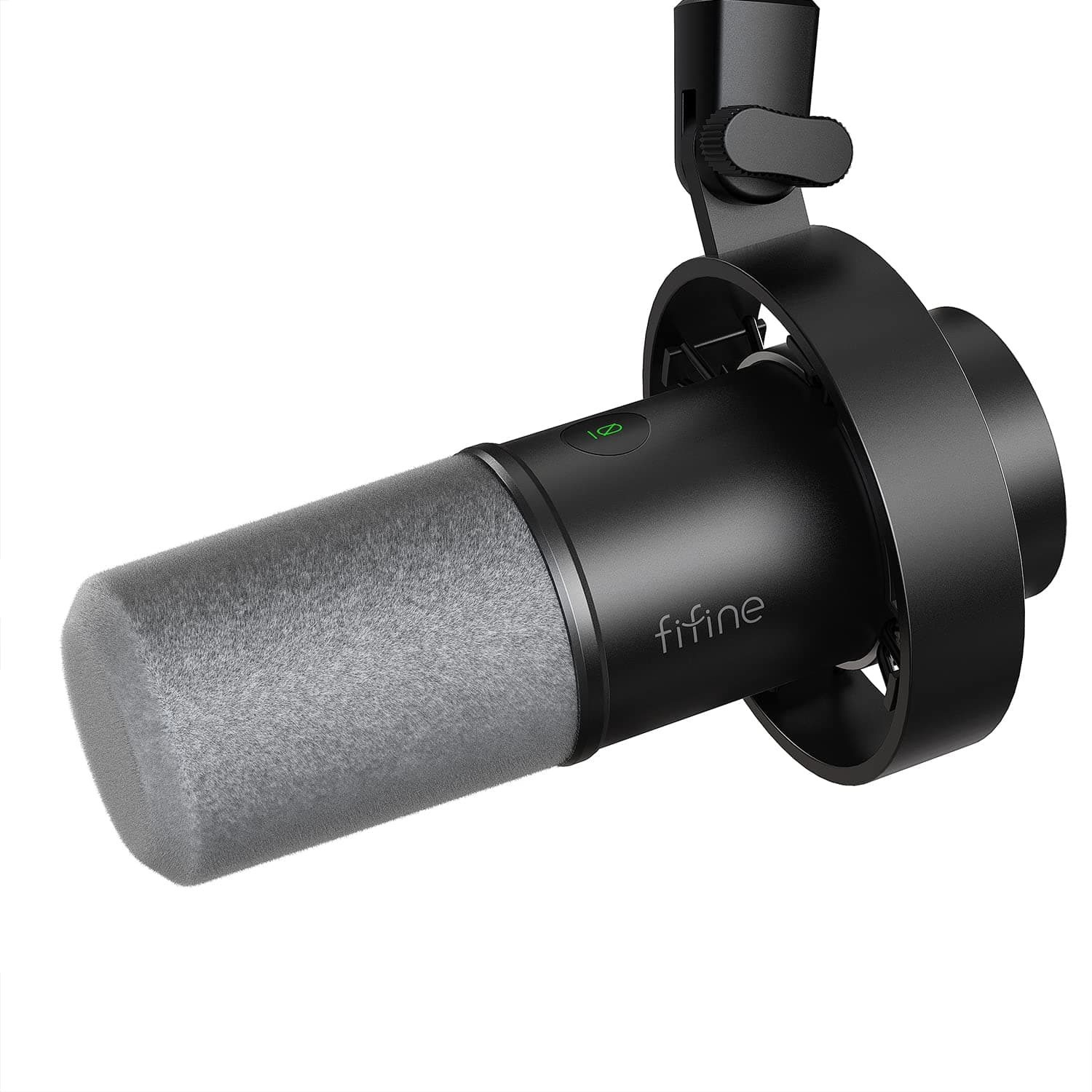
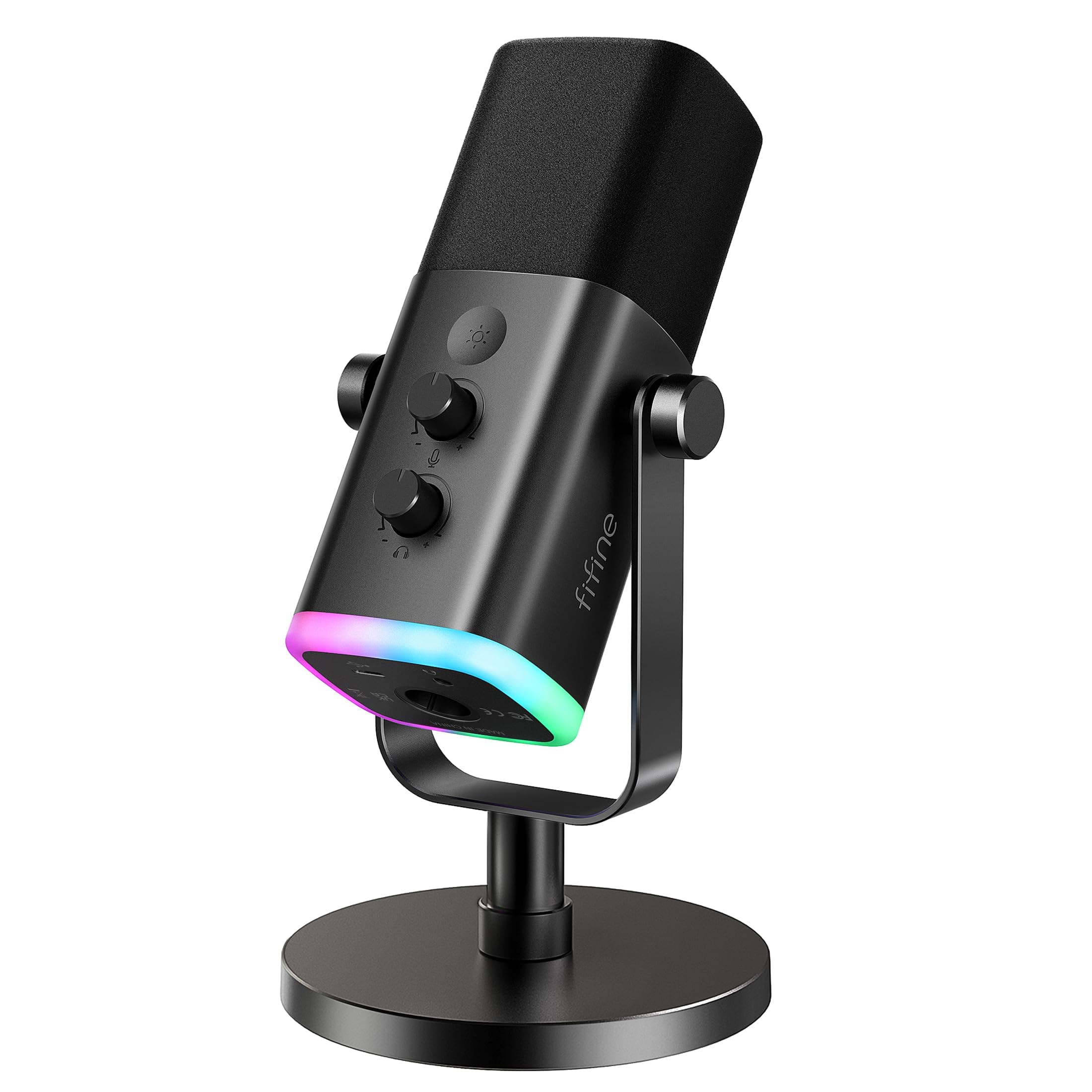
The FIFINE Amplitank K688 and AmpliGame AM8 are both compelling dynamic microphones, sharing critical specifications like a 48kHz sample rate, cardioid polar pattern, and dual USB/XLR connectivity. However, their subtle differences cater to distinct user experiences and priorities. The most immediate distinction for new users is value: the AmpliGame AM8, at $54.99, notably includes a desktop stand, making it a true plug-and-play solution out of the box. The Amplitank K688, while slightly pricier at $57.79, does not include any mounting accessories, requiring an additional purchase for basic setup.
From an audio performance perspective, the Amplitank K688 offers a broader frequency response extending up to 20kHz, compared to the AmpliGame AM8's 16kHz high end. This wider range suggests the K688 might capture slightly more nuanced high-frequency details, which can be beneficial for certain vocalists or instruments. Moreover, the K688 boasts a higher 130dB SPL rating, making it significantly more resistant to audio distortion when recording very loud sound sources. For users who might scream into the mic during gaming or record powerful vocals, this 130dB SPL prevents unwanted clipping, a crucial advantage.
Conversely, the AmpliGame AM8's frequency response starts at a defined 50Hz, potentially offering a slightly richer low-end presence for voices, though this difference is often subtle in practice. Its integrated RGB lighting also adds a visual flair, appealing strongly to streamers and gamers who prioritize aesthetics for their setup. Both microphones feature convenient zero-latency headphone monitoring and dedicated mute/gain controls, though the K688's onboard controls are limited to USB use, similar to how the AM8's RGB and USB functions are inactive when using XLR. Ultimately, the AM8 targets convenience and visual appeal for its price point, while the K688 subtly edges out in pure audio ceiling for those who need it.
Key Differences
The most significant spec differences at a glance
Weight
15% lessAdvantages
Where each product wins

FIFINE
- Weight: 15% lower (1.12 vs 1.32)
Which to Pick for Your Situation
Concrete scenarios with a clear recommendation
For a beginner streamer on a budget
FIFINEThe AmpliGame AM8 is priced lower at $54.99 and includes a crucial desktop stand, offering immediate usability without extra purchases.
For recording loud vocals or instruments
FIFINEThe Amplitank K688's high 130dB SPL prevents audio distortion, making it suitable for high-volume sound sources.
For an aesthetic-focused gaming setup
FIFINEThe AmpliGame AM8 features RGB lighting, adding a dynamic visual element that enhances the gaming or streaming environment.
For capturing nuanced high-frequency audio details
FIFINEThe Amplitank K688 offers a wider frequency response up to 20kHz, potentially capturing more detailed high-end sounds.
Who Should Buy Which?
Find the right product for your needs

Buy FIFINE if...
FIFINE Dynamic Microphone, XLR/USB
The FIFINE Amplitank K688 is the ideal choice for aspiring podcasters, voice-over artists, or musicians who already own a boom arm or mic stand, or are prepared to invest in one. Their priority is superior audio fidelity and the ability to handle dynamic sound without distortion. The K688's higher 130dB SPL (Sound Pressure Level) is crucial for those recording powerful vocals, instruments, or even energetic gaming moments where volume peaks are common, ensuring clean audio without clipping. Furthermore, its wider frequency response up to 20kHz means it can capture more nuanced high-end details, which is valuable for professional-sounding voice-overs or detailed instrument recordings. While it doesn't offer the immediate plug-and-play convenience of an included stand or RGB flair, this buyer values raw audio performance and durability over aesthetic extras and will leverage its dual USB/XLR connectivity for flexible studio integration, perhaps even connecting to an audio interface via XLR for advanced processing.

Buy FIFINE if...
FIFINE USB/XLR Dynamic Microphone
The FIFINE AmpliGame AM8 is perfectly suited for new streamers, casual gamers, or content creators seeking an immediate, cost-effective, and aesthetically pleasing microphone solution. At $54.99, its slightly lower price combined with the inclusion of a desktop stand makes it an excellent value for those on a tight budget who need to get started right away without additional purchases. The eye-catching RGB lighting is a significant draw for gamers and streamers looking to enhance the visual appeal of their setup, contributing to a more engaging on-camera presence. This buyer prioritizes ease of use, a visually appealing design, and decent audio performance for general voice capture, streaming commentary, or casual online gaming. While it may not offer the same high SPL or expansive frequency response as the K688, its 48kHz sample rate, cardioid pattern, and zero-latency monitoring via USB provide a solid foundation for clear communication and content creation without complexity, making it a true plug-and-play choice for their PC or Mac.
Spec Comparison
10 specs compared
| Specification |  | 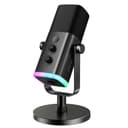 |
|---|---|---|
| Price | $58 | $57 |
| Rating | 4.6(3.7k) | 4.6(9.6k) |
| Sample Rate | 48 kHz | 48 kHz |
| Connection | USB/XLR | USB/XLR |
| Polar Pattern | Cardioid | Cardioid |
| Zero-Latency | Yes | Yes |
| Weight | 1.12 lbs | 1.32 lbs |
| Mute Button | Yes | Yes |
| Gain Control | Yes | Yes |
| Software | None | None |
| Headphone Out | Yes | Yes |
| Freq. Response | {"high":20000} | 50Hz - 16kHz |
Swipe horizontally to see all columns
Pros & Cons
Quick overview of strengths and weaknesses
FIFINE Dynamic Microphone,
- High 130dB SPL prevents audio distortion
- Cardioid pattern reduces ambient background noise
- Dual USB and XLR connectivity options
- Plug-and-play USB for quick setup on PC/Mac
- XLR cable, boom arm, mic stand not included
- Onboard controls only function via USB connection
- Requires close mic distance for best audio pickup
FIFINE USB/XLR Dynamic
- USB and XLR connections offer setup versatility.
- Cardioid pattern minimizes off-axis sound pickup.
- Tap-to-mute button provides instant privacy control.
- Headphone jack allows real-time audio monitoring.
- RGB & USB functions inactive when using XLR.
- XLR connection requires separate cable.
- No dedicated software for advanced control.
Frequently Asked Questions
Common questions about this comparison
Do both microphones offer USB and XLR connectivity?
Yes, both the FIFINE Amplitank K688 and AmpliGame AM8 feature dual USB and XLR connection types for versatile setup options.
Which microphone comes with a desktop stand?
The FIFINE AmpliGame AM8 includes a desktop stand, while the Amplitank K688 does not and requires separate mounting accessories.
Is zero-latency monitoring available on both models?
Yes, both microphones are equipped with a 3.5mm headphone jack for zero-latency monitoring, allowing real-time audio playback.
What is the difference in frequency response?
The Amplitank K688 has a high-frequency response up to 20kHz. The AmpliGame AM8 has a high-frequency response up to 16kHz, starting at 50Hz.
Does either microphone have RGB lighting?
Only the FIFINE AmpliGame AM8 features RGB lighting, which can enhance the aesthetic appeal of a gaming or streaming setup.
Can I use the onboard controls when connected via XLR?
For the Amplitank K688, onboard controls only function via USB. For the AmpliGame AM8, RGB and USB functions are inactive when using XLR.
Related Comparisons
Similar products people compare
Explore Other Categories
Popular comparisons across the site


Ask AI
Get instant answers about specs
Get the Deets
Ask our AI assistant
Ask Deets anything!