Our Verdict
FIFINE FIFINE Dynamic Microphone (K688) Wins
The K688 offers superior versatility and control with dual USB/XLR connectivity and essential zero-latency monitoring, crucial for quality audio production, for only $17.80 more. Both provide 48kHz sample rates and effective cardioid patterns, but the K688's dynamic capsule and physical gain control provide a more robust user experience. The Razer Seiren V3 Mini is the better pick for budget-conscious users prioritizing extreme compactness and simple USB plug-and-play for basic streaming or voice chat.
Bottom Line: FIFINE FIFINE Dynamic Microphone (K688) is the better choice. The K688 offers superior versatility and control with dual USB/XLR connectivity and essential zero-latency monitoring, crucial for quality audio production, for only $17.
In-Depth Analysis
How they compare in practice
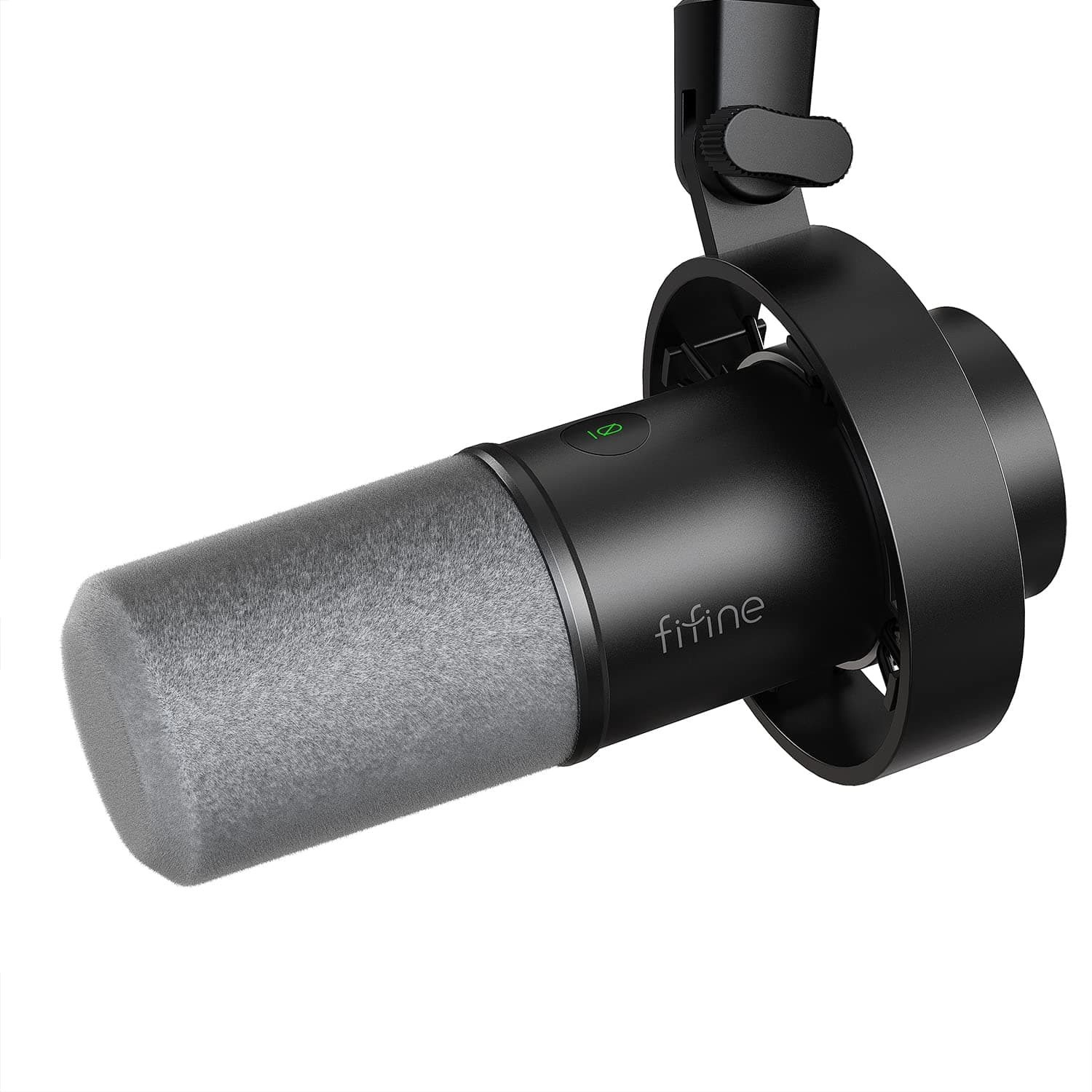
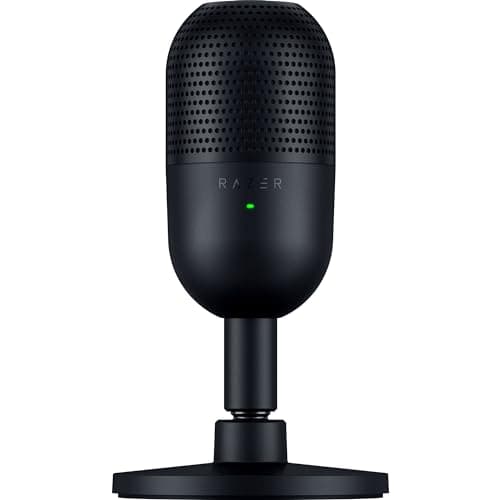
The FIFINE K688 and Razer Seiren V3 Mini cater to different segments of the entry-level microphone market, with significant real-world implications stemming from their design and features. The most critical differentiator is the K688's dual USB/XLR connectivity versus the Seiren V3 Mini's USB-only interface. For an aspiring podcaster or musician, the K688's XLR option means it can seamlessly integrate with an audio interface for higher-fidelity recordings, offering a clear upgrade path that the Razer simply cannot match. Furthermore, the K688 includes a zero-latency headphone output, essential for monitoring your voice without distracting echo or delay during recording or streaming. The Razer lacks this, forcing users to rely on software monitoring, which often introduces latency.
In terms of microphone type, the K688 is a dynamic microphone, known for handling high sound pressure levels (up to 130dB SPL) and excelling in less-than-perfect acoustic environments by naturally rejecting more ambient noise. The Seiren V3 Mini, a condenser mic, typically offers a brighter, more detailed sound in quiet, controlled environments but might be more sensitive to room acoustics. The K688's physical gain control and dedicated monitoring volume knob provide immediate, tactile adjustments, a stark contrast to the Seiren V3 Mini, which relegates gain control to its Razer Synapse software, making on-the-fly tweaks less convenient. While both feature effective cardioid/supercardioid pickup patterns to reduce background noise and a 48kHz sample rate, the K688 provides more professional features at its $57.79 price point, making it a more versatile and future-proof investment compared to the $39.99 ultra-compact Razer Seiren V3 Mini.
Which to Pick for Your Situation
Concrete scenarios with a clear recommendation
For an aspiring podcaster seeking upgrade potential
FIFINEThe FIFINE K688's dual USB/XLR connectivity allows for future integration with audio interfaces, crucial for higher-quality production and professional setups.
For a casual gamer or student on a strict budget
RazerThe Razer Seiren V3 Mini's affordable $39.99 price and ultra-compact USB design make it ideal for basic communication and limited desk space.
For recording vocals in a noisy home office
FIFINEThe FIFINE K688, as a dynamic microphone, handles high 130dB SPL and its cardioid pattern excels at isolating the voice and reducing background noise in untreated rooms.
For extreme portability and minimal setup
RazerThe Razer Seiren V3 Mini's ultra-compact size and simple plug-and-play USB connection make it perfect for on-the-go recording or travel.
Who Should Buy Which?
Find the right product for your needs

Buy FIFINE if...
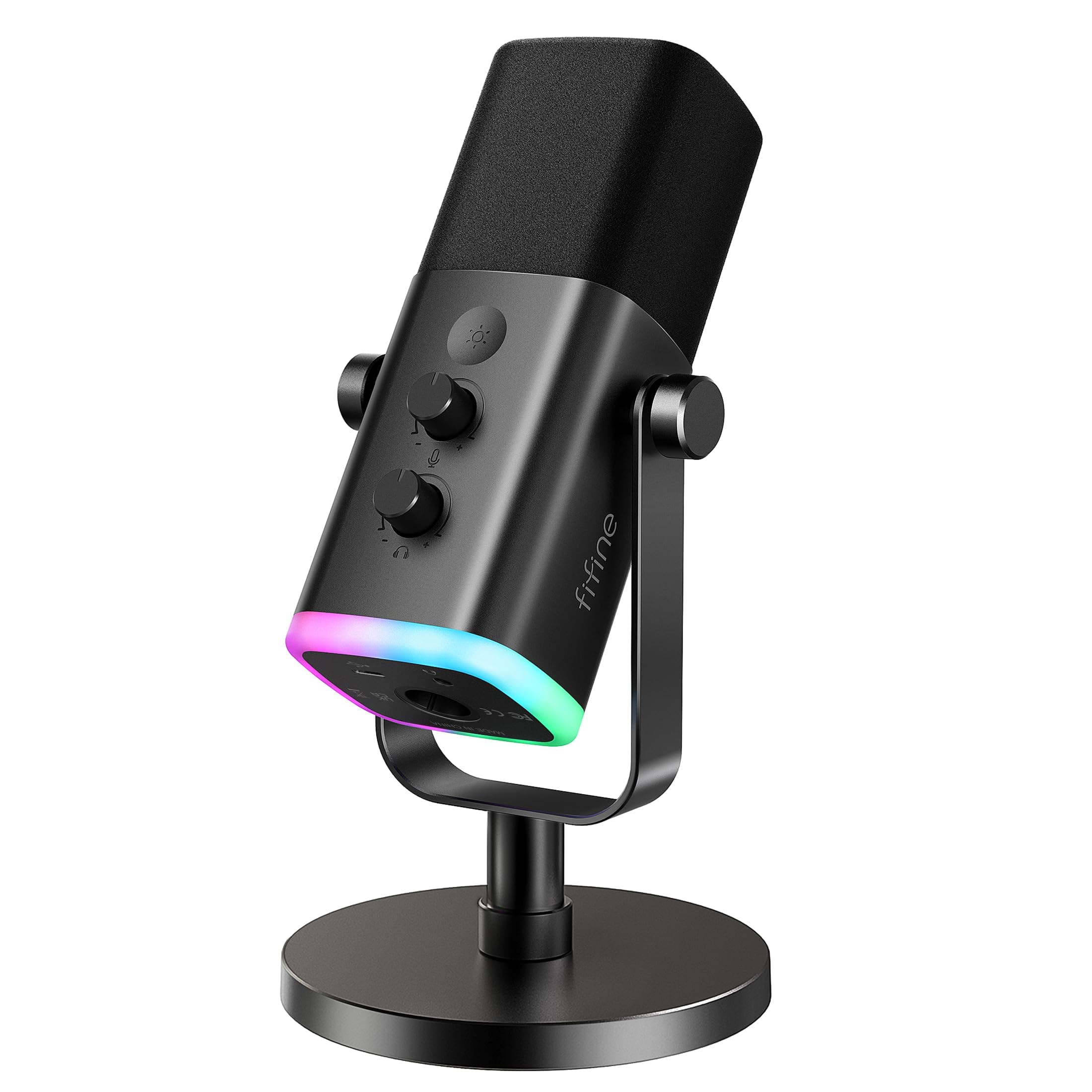
FIFINE Dynamic Microphone, XLR/USB
The FIFINE Amplitank K688 is ideal for the aspiring content creator—be it a podcaster, streamer, or voice-over artist—who is serious about their audio quality and foresees a need for future upgrades. This buyer prioritizes versatility, professional sound characteristics, and robust control. They have a dedicated setup, likely a home studio, and are willing to invest $57.79 for a microphone that can grow with their skills. Key specifications like its dual USB/XLR connection type are paramount, as it allows direct plug-and-play for quick sessions, but also provides the flexibility to connect to an audio interface via XLR for higher fidelity and more advanced processing down the line. The K688's zero-latency monitoring is critical for accurate recording and live performance, ensuring their voice is heard exactly as it's being captured. Furthermore, its dynamic capsule with a 130dB SPL rating means they can record loudly without distortion, a common issue in dynamic vocal performances. This user might be giving up the ultra-compact size and slightly lower price of the Razer, but gains significant functional advantages in control and adaptability.

Buy Razer if...
Razer Seiren V3 Mini
The Razer Seiren V3 Mini is perfectly suited for the casual user who needs a simple, space-saving, and highly affordable microphone for everyday communication and basic content creation. This includes gamers, students, remote workers, or anyone primarily using platforms like Discord, Zoom, or for quick, casual streaming. Their needs revolve around extreme ease of use, a minimal desk footprint, and a strict budget of $39.99. The ultra-compact size is a major selling point, fitting neatly into small spaces or travel bags without fuss. The plug-and-play USB connection type means they can set it up instantly without needing drivers or complex configurations. Its supercardioid polar pattern is beneficial for isolating their voice while rejecting some background noise, making it effective for basic voice communication. The tap-to-mute sensor with an LED indicator offers convenient, quick privacy control. This buyer doesn't require advanced features like XLR connectivity or physical gain knobs, happily trading them for unparalleled simplicity and a budget-friendly price point, understanding they might lack some professional audio control or monitoring capabilities.
Spec Comparison
11 specs compared
| Specification |  | 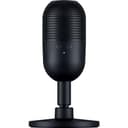 |
|---|---|---|
| Price | $58 | $40 |
| Rating | 4.6(3.7k) | 4.6(904) |
| Sample Rate | 48 kHz | 48 kHz |
| Connection | USB/XLR | USB |
| Polar Pattern | Cardioid | Cardioid |
| Zero-Latency | Yes | — |
| Weight | 1.12 lbs | — |
| Mute Button | Yes | Yes |
| Gain Control | Yes | Yes |
| Software | None | Razer Synapse |
| Headphone Out | Yes | — |
| Freq. Response | {"high":20000} | — |
| Model Number | — | RZ19-05050100-R3U1 |
Swipe horizontally to see all columns
Pros & Cons
Quick overview of strengths and weaknesses
FIFINE Dynamic Microphone,
- High 130dB SPL prevents audio distortion
- Cardioid pattern reduces ambient background noise
- Dual USB and XLR connectivity options
- Plug-and-play USB for quick setup on PC/Mac
- XLR cable, boom arm, mic stand not included
- Onboard controls only function via USB connection
- Requires close mic distance for best audio pickup
Razer Seiren V3
- Condenser mic captures clear, detailed voice.
- Supercardioid pattern reduces background room noise.
- Tap-to-mute with LED prevents audio mishaps easily.
- Plug-and-play USB setup requires no drivers.
- Requires Razer Synapse for full audio adjustments.
- No physical gain control knob on the device.
- USB connection type offers limited interface options.
Frequently Asked Questions
Common questions about this comparison
Which microphone offers zero-latency monitoring?
The FIFINE K688 explicitly offers zero-latency monitoring via its 3.5mm headphone jack. This is crucial for real-time audio feedback without delay, a feature not listed for the Razer Seiren V3 Mini.
Can I connect the FIFINE K688 to an audio interface?
Yes, the FIFINE K688 features both USB and XLR connection types. The XLR output allows it to be connected to an audio interface, offering greater flexibility and potential for advanced audio setups.
Does the Razer Seiren V3 Mini have physical gain control?
No, the Razer Seiren V3 Mini lacks a physical gain control knob on the device. All audio adjustments, including gain, are managed through the Razer Synapse software on your computer.
Which microphone is better for a very noisy room?
The FIFINE K688 is generally better for noisy rooms because its dynamic capsule handles high 130dB SPL without distortion, and its cardioid pattern helps reject ambient background noise effectively.
What is the primary connection type for each microphone?
The FIFINE K688 offers dual USB/XLR connectivity, providing versatility. The Razer Seiren V3 Mini is exclusively a USB microphone, limiting its interface options to direct computer connection.
Related Comparisons
Similar products people compare
Explore Other Categories
Popular comparisons across the site


Ask AI
Get instant answers about specs
Get the Deets
Ask our AI assistant
Ask Deets anything!