Our Verdict
Bambu Lab P1S Wins
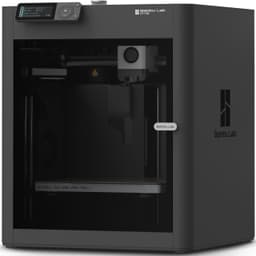
While the Creality K1 Max offers a higher maximum print speed of 600mm/s and a larger build volume of 299.974mm cubed compared to the P1S's 500mm/s and 256mm cubed, the P1S is significantly more affordable at $419 versus $719. The P1S also includes an enclosed build chamber, which is crucial for handling advanced filaments like ABS and PC directly out of the box. The Creality K1 Max is the better pick for users prioritizing the absolute fastest print speeds and largest models, and who are willing to pay a substantial premium for those specific advantages.
Bottom Line: Bambu Lab P1S is the better choice. While the Creality K1 Max offers a higher maximum print speed of 600mm/s and a larger build volume of 299.
In-Depth Analysis
How they compare in practice
The Bambu Lab P1S and Creality K1 Max represent two distinct approaches to high-speed FDM 3D printing, each with unique advantages that influence real-world use. The K1 Max asserts its dominance in raw speed, boasting a maximum print velocity of 600mm/s compared to the P1S's still impressive 500mm/s. This 20% speed increase can translate into significantly shorter print times for large or numerous parts, making the K1 Max particularly appealing for users where output speed is a critical metric. Coupled with its generous 299.974x299.974x299.974mm build volume, which is substantially larger than the P1S's 256x256x256mm, the K1 Max can accommodate larger models or batches more efficiently, a key consideration for prototyping or small-batch production.However, the Bambu Lab P1S brings a crucial feature to the table at a far more accessible price point: a fully enclosed build chamber. This enclosure provides a stable thermal environment, essential for successfully printing advanced, warp-prone filaments such as ABS, ASA, PC, and Nylon, directly out of the box. Without a similar integrated enclosure, the K1 Max would require additional modifications or external solutions to reliably handle these materials. While the K1 Max features advanced AI Lidar for first-layer inspection and print monitoring, this technology, while potentially reducing print failures, also adds to its complexity and troubleshooting considerations, a trade-off some users may find less appealing than the P1S's more straightforward, yet robust, design.The most striking difference lies in their price: the Bambu Lab P1S is available at $419, while the Creality K1 Max commands a price of $719. This substantial $300 price delta means the P1S offers an exceptional value proposition for its speed and enclosed design. Users get a highly capable CoreXY machine that can print a wide range of materials and complex geometries without breaking the bank. The K1 Max's higher price is justified by its larger build volume, superior speed, and smart AI features, targeting users for whom these premium attributes directly translate into productivity gains or less hands-on oversight.Ultimately, the choice hinges on priorities. The P1S delivers an excellent balance of speed, material versatility (due to enclosure), and affordability, making it a strong contender for hobbyists and prosumers who want advanced features without a significant investment. The K1 Max, on the other hand, is built for those who require the absolute maximum in print speed and build capacity, coupled with intelligent monitoring, and are prepared to pay a premium for a top-tier
Key Differences
The most significant spec differences at a glance
Max Print Speed Mm S
17% lessAdvantages
Where each product wins

Comgrow
- Max Print Speed Mm S: 17% higher (500.0 vs 600)
Which to Pick for Your Situation
Concrete scenarios with a clear recommendation
For a user primarily printing large functional prototypes or cosplay props
ComgrowThe Creality K1 Max offers a significantly larger 299.974x299.974x299.974mm build volume, making it ideal for bigger models or printing multiple parts simultaneously. Its 600mm/s speed further reduces the overall time for such large projects.
For an enthusiast on a budget looking to experiment with engineering-grade filaments like ABS or PC
BAMBULABThe Bambu Lab P1S, at $419, includes a fully enclosed build chamber which is crucial for stable printing of warp-prone advanced materials, something the K1 Max lacks out-of-the-box.
For someone needing the absolute fastest output for rapid prototyping small batches of parts
ComgrowThe Creality K1 Max's superior 600mm/s maximum print speed will complete print jobs faster than the P1S's 500mm/s, yielding quicker turnaround for time-sensitive projects.
For a beginner looking for an easy-to-use, reliable first 3D printer for general purpose printing
BAMBULABThe Bambu Lab P1S is praised for its quick 15-minute setup and robust performance at a more accessible $419 price, offering an excellent entry point into high-speed printing.
Who Should Buy Which?
Find the right product for your needs

Buy BAMBULAB if...
Bambu Lab P1S 3D
The ideal buyer for the Bambu Lab P1S is the enthusiastic hobbyist or the budget-conscious professional who demands high performance and material versatility without breaking the bank. This user prioritizes a robust, reliable 3D printing experience, especially for printing challenging filaments like ABS, ASA, or Nylon. The P1S's fully enclosed build chamber is a critical feature for them, ensuring optimal temperature stability to prevent warping and achieve high-quality prints with these advanced materials, which is often an expensive aftermarket addition for other printers. They appreciate the P1S's 500mm/s max print speed, which significantly reduces print times compared to older FDM technologies, allowing them to iterate designs quickly or produce finished parts efficiently. At $419, the P1S offers an exceptional value proposition, providing a CoreXY printer with advanced capabilities that often cost much more. This buyer may not need the absolute largest build volume, being content with the 256x256x256mm space for most projects, and might not prioritize bleeding-edge AI features over proven, stable performance. They are willing to forgo the slightly larger build volume and incremental speed increase of the K1 Max in favor of an enclosed design and considerable cost savings, making it perfect for a home workshop or a small prototyping setup where budget and material flexibility are key.

Buy Comgrow if...
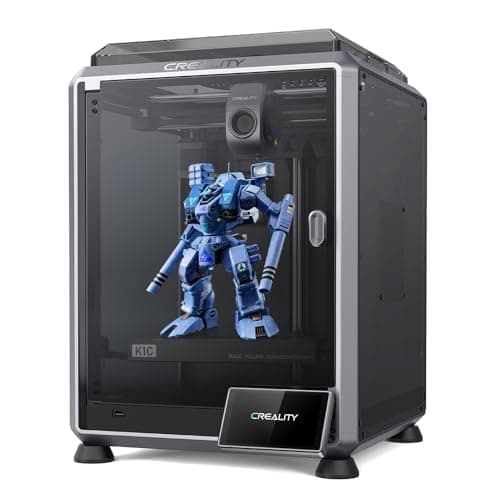
Creality K1 Max 3D
The Comgrow Creality K1 Max is tailored for the serious maker, small business owner, or professional who requires the utmost in speed, build volume, and smart monitoring for high-throughput or large-scale projects. This buyer's priorities revolve around maximizing productivity and minimizing print failures, making the K1 Max's cutting-edge features highly appealing. They are willing to invest more for its impressive 600mm/s maximum print speed and 20000mm/s² acceleration, which translate into substantial time savings on every print job, a crucial factor in a professional environment. The generous 299.974x299.974x299.974mm large build volume is another non-negotiable for this user, enabling them to print oversized models in one go or produce larger batches of smaller parts, greatly expanding their project capabilities. The integrated AI Lidar function offers an added layer of confidence, proactively detecting first-layer imperfections and potential failures, reducing material waste and supervision time. While the K1 Max doesn't feature an integrated enclosure like the P1S, this buyer might be printing mostly standard filaments or is prepared to implement an external solution. They prioritize raw performance, capacity, and intelligent automation over a lower price point and out-of-the-box advanced filament capabilities, seeing the $719 price as an investment in efficiency and scale.
Spec Comparison
7 specs compared
| Specification |  |  |
|---|---|---|
| Price | $419 | $719 |
| Rating | 4.6(442) | 4.2(10.1k) |
| Build Volume mm | 256x256x256 | 299.974x299.974x299.974 |
| Max Print Speed mm S | 500 | 600 |
| Leveling Type | Auto | Auto |
| Enclosed | Yes | — |
| Weight | 38.9 lbs | — |
| Printer Type | FDM | FDM |
| Multi Color Support | Yes | — |
Swipe horizontally to see all columns
Pros & Cons
Quick overview of strengths and weaknesses
BAMBULAB Bambu Lab
- 500mm/s max print speed for faster output.
- Enclosed build chamber handles advanced filaments.
- Auto bed leveling for consistent first layers.
- Quick setup: ready to print in 15 minutes.
- Multi-color printing needs separate AMS unit.
- Does not support carbon or glass fiber filaments.
Comgrow Creality K1
- 600mm/s print speed significantly cuts job time.
- AI Lidar scans first layer, prevents print failures.
- Large 300x300x300mm build volume fits big models.
- Hands-free auto-leveling simplifies bed setup.
- AI functions add complexity to troubleshooting.
- Large footprint requires significant workspace.
- Reliance on AI may limit manual control options.
Frequently Asked Questions
Common questions about this comparison
What is the main speed difference between the Bambu Lab P1S and Creality K1 Max?
The K1 Max boasts a maximum print speed of 600mm/s, making it 100mm/s faster than the P1S's 500mm/s. This difference can save considerable time on longer prints.
Which printer has a larger print area?
The Creality K1 Max offers a larger build volume of 299.974x299.974x299.974mm. The Bambu Lab P1S has a build volume of 256x256x256mm, approximately 17% smaller on each axis.
Can the Bambu Lab P1S print advanced materials like ABS or PC?
Yes, the Bambu Lab P1S features a fully enclosed build chamber which is ideal for maintaining stable temperatures needed to successfully print warp-prone advanced filaments like ABS, PA, and PC.
Does the Creality K1 Max offer any unique smart features?
Yes, the Creality K1 Max incorporates an AI Lidar system that scans the first layer, helping to prevent common print failures and improve print quality.
How do their prices compare?
The Bambu Lab P1S is significantly more affordable at $419.0, while the Creality K1 Max is priced at $719.0, reflecting its larger size and advanced AI features.
Are both printers easy to set up?
Both printers feature auto-bed leveling for simplified setup. The Bambu Lab P1S is specifically noted for its quick 15-minute out-of-box setup, allowing users to start printing very quickly.
Related Comparisons
Similar products people compare
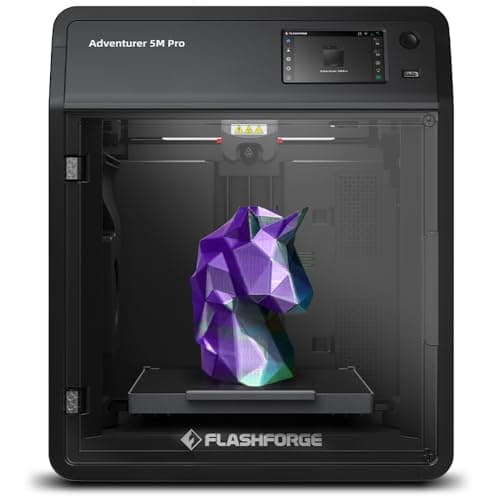
BAMBULAB vs FLASHFORGE
$419 vs $379
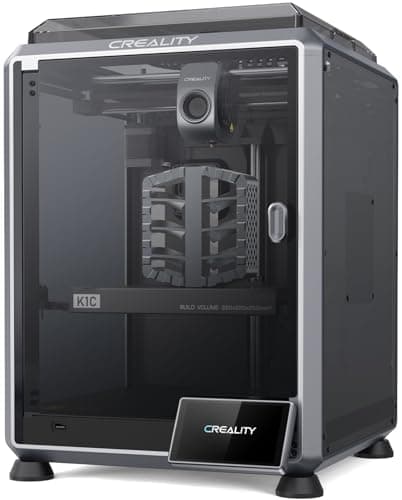
BAMBULAB vs Creality
$419 vs $399
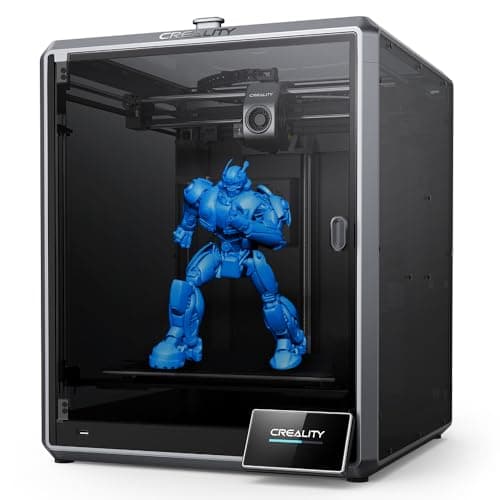
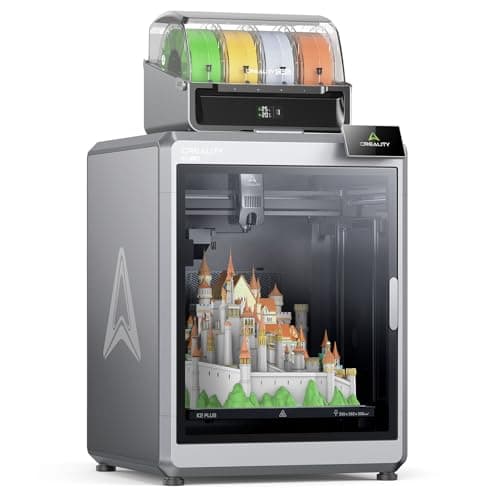
Comgrow vs Creality
$719 vs $1299
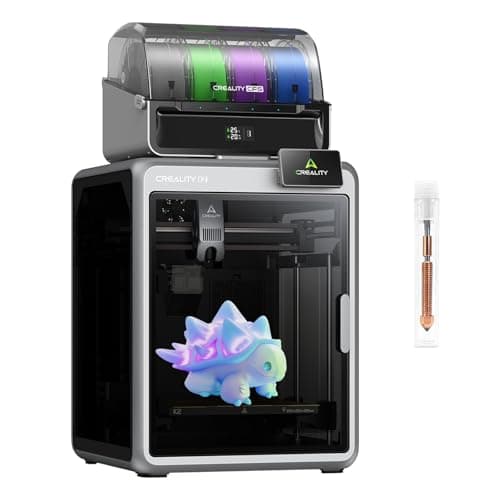
Comgrow vs Creality
$719 vs $649
Comgrow vs FLASHFORGE
$719 vs $379
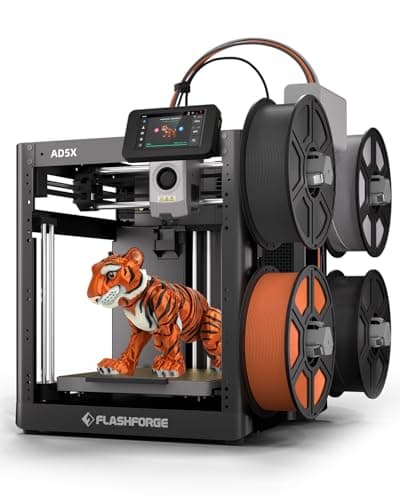
BAMBULAB vs FLASHFORGE
$419 vs $339
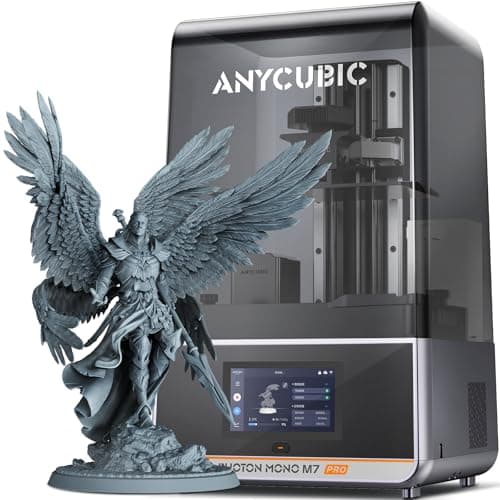
ANYCUBIC vs Comgrow
$670 vs $719
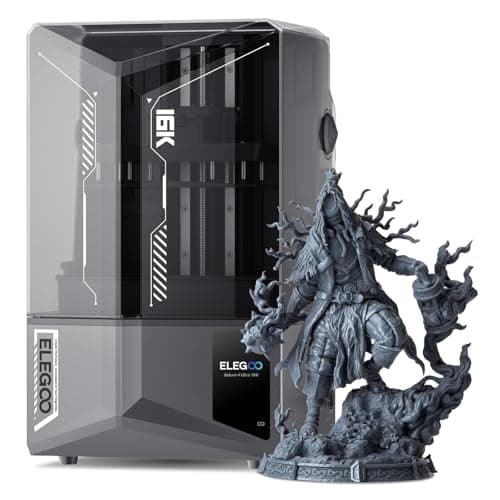
BAMBULAB vs ELEGOO
$419 vs $520
Comgrow vs ELEGOO
$719 vs $520
Comgrow vs ELEGOO
$719 vs $520
BAMBULAB vs ELEGOO
$419 vs $340
BAMBULAB vs ELEGOO
$419 vs $380
BAMBULAB vs FLASHFORGE
$419 vs $339
ANYCUBIC vs BAMBULAB
$670 vs $419
Comgrow vs Comgrow
$719 vs $399
Explore Other Categories
Popular comparisons across the site


Ask AI
Get instant answers about specs
Get the Deets
Ask our AI assistant
Ask Deets anything!